
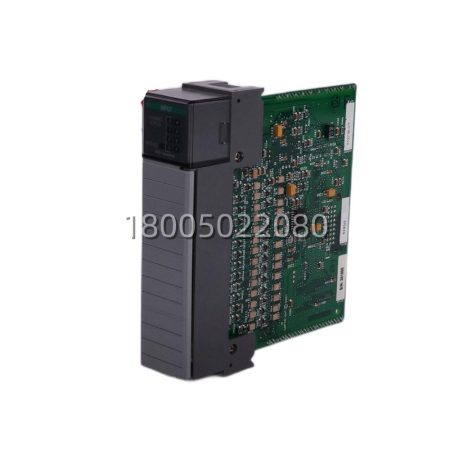
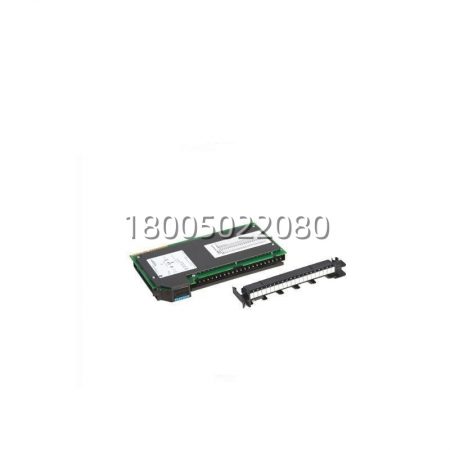
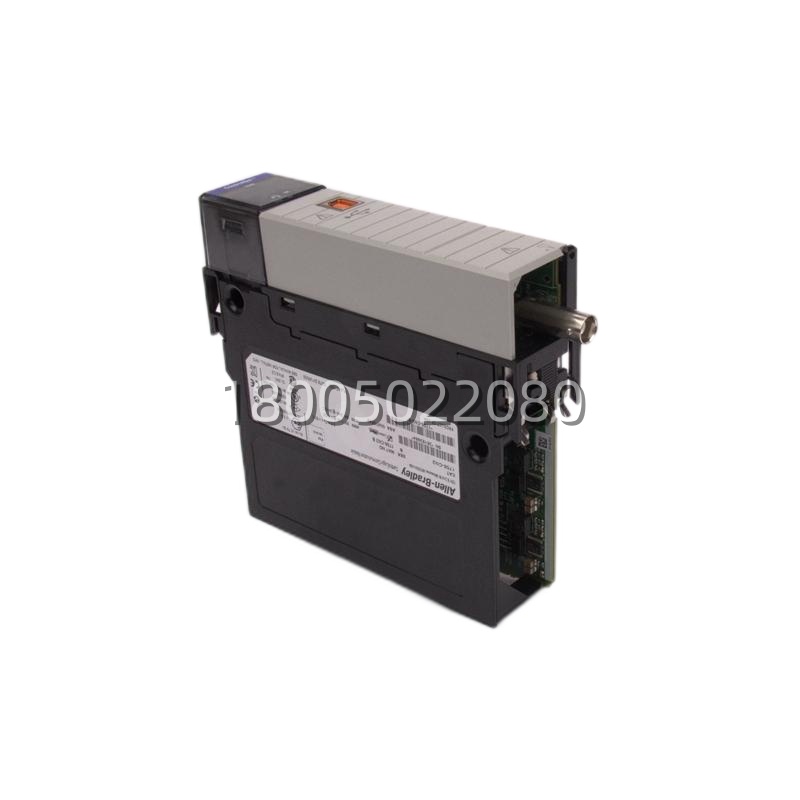
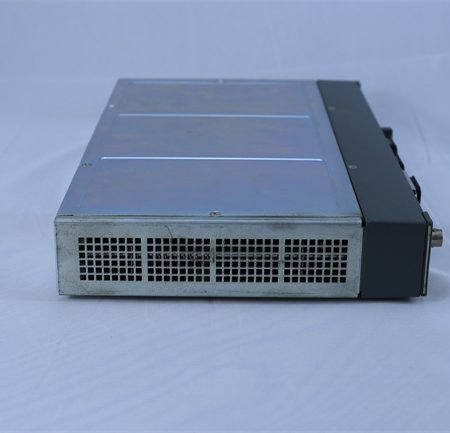
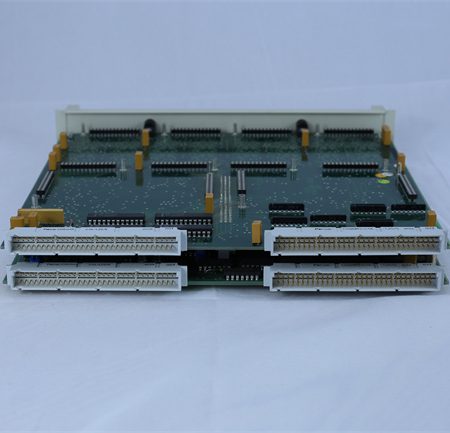
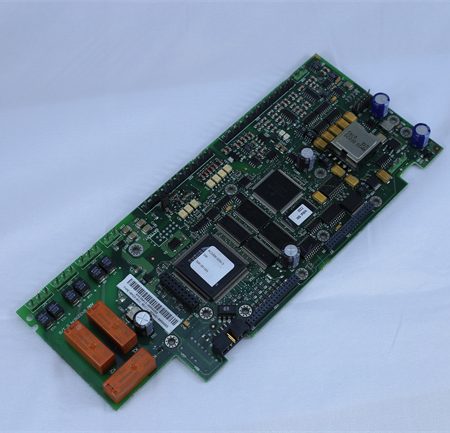
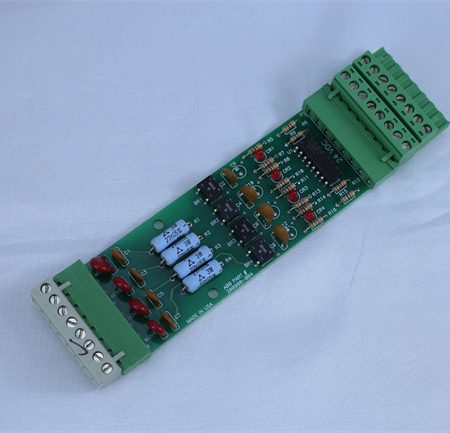
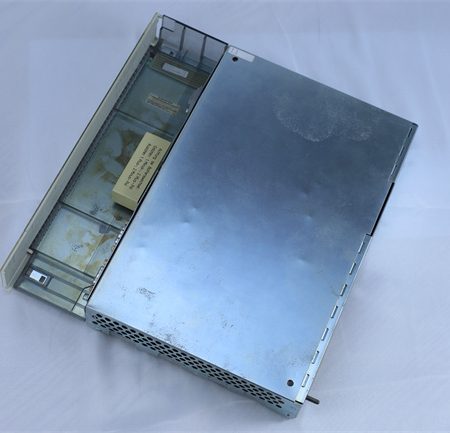
Application Scenarios:In a legacy manufacturing plant, the 1772-LS serves as the central brain for a hydraulic press control system. It reads input signals from limit switches and pressure transducers via 1771-DB and 1771-IF modules, executes ladder logic to control the press cycle, and activates output solenoids through 1771-OB modules. Its robust design allows it to operate reliably in environments with electrical noise and vibration. However, the primary challenge today is obsolescence—finding replacement parts and technicians familiar with the proprietary programming software (1770-T3 terminal or PLC-2 programming software).
Parameter:
| Main Parameters | Value/Description |
|---|---|
| Product Model | 1772-LS / 1772-LS/A (Series A) |
| Manufacturer | Allen‑Bradley (Rockwell Automation) |
| Product Family | Mini-PLC-2/05 (PLC-2 Series) |
| Memory Capacity | 3K words (CMOS RAM) |
| I/O Capacity | Supports up to 16 I/O modules (varies by chassis) |
| Power Supply | 120V AC (via 1771 chassis backplane) |
| Communication Port | RS-232-C (15-pin INTFC socket for programming) |
| Programming Language | Ladder Logic (PLC-2 instruction set) |
| Data Table | 2944 words (typical), 488 timers/counters |
| Non-Volatile Memory | Optional EEPROM module (1772-MJ) |
| Operating Temperature | 0 to 60 °C |
Technical Principles and Innovative Values:The 1772-LS was a workhorse of its era, built around an 8-bit or early 16-bit microprocessor architecture.
- Innovation Point 1: Chassis-Based Integration: Unlike modern all-in-one micro-PLCs, the 1772-LS leveraged the modular 1771 I/O system. This allowed users to mix and match a wide range of discrete, analog, and specialty I/O modules in the same chassis as the processor, providing exceptional flexibility for its time.
- Innovation Point 2: Data Highway Compatibility: The module supported Allen-Bradley’s proprietary Data Highway (DH) network. This enabled multiple PLC-2 and PLC-3 processors to share data and form a distributed control system, a significant step towards modern industrial networking.
- Innovation Point 3: Enhanced Math Capabilities: Compared to its predecessor (the Mini-PLC-2/15), the /05 variant featured expanded math functions (add, subtract, multiply, divide), allowing it to handle more complex process calculations beyond simple relay logic.

Reviews
There are no reviews yet.