
Technical Specifications
| Parameter Name | Parameter Value |
|---|---|
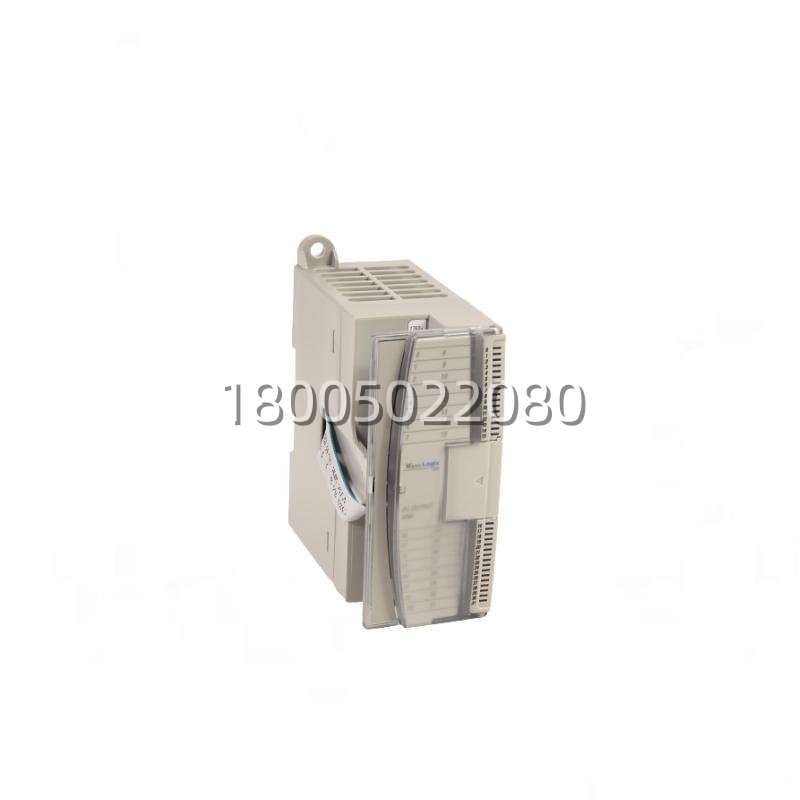
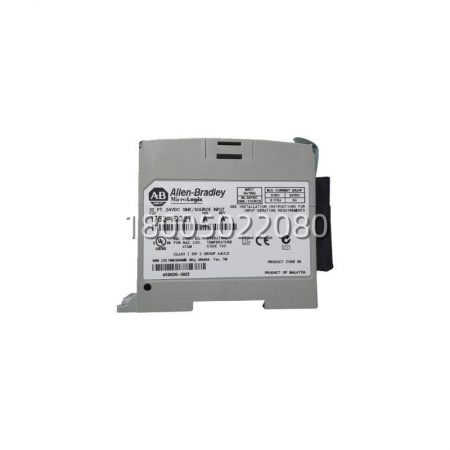
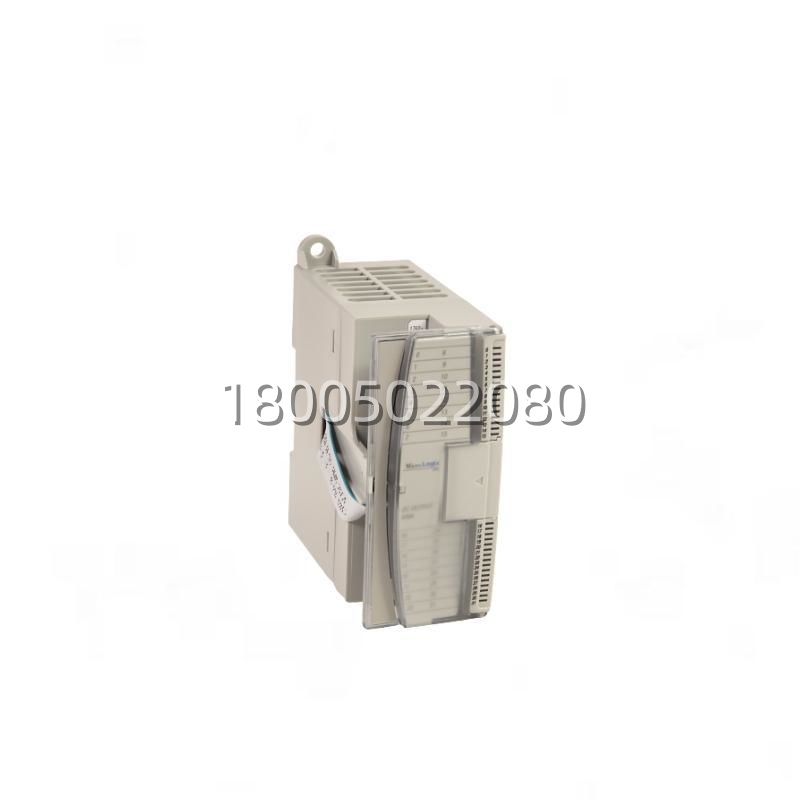
| Product Model | 1756-RM2/A |
| Manufacturer | Allen-Bradley (Rockwell Automation) |
| Product Type | Enhanced Redundancy Module |
| Compatible Controllers | 1756-L61, L62, L63, L71, L72, L73, L74, L75 (Logix 5560/5570) |
| Redundancy Link | Dual-channel fiber optic (LC connectors, single-mode) |
| Link Distance | Up to 10 km (with 1756-RMC10 cable) |
| Synchronization Speed | Up to 1000 Mbps (when paired with another 1756-RM2) |
| Switchover Time | Typically < 20 ms (scan delay ~10 ms) |
| Power Consumption | 1.16 A @ 5.1V DC, 3.4 mA @ 24V DC |
| Module Slots | Occupies 1 slot in the ControlLogix chassis |
| Firmware Requirement | Typically v20 or later for full enhanced redundancy features |
Main Features and Advantages
The Allen-Bradley 1756-RM2/A‘s primary advantage is its fault-tolerant architecture. The dual, independent fiber optic synchronization links eliminate any single point of failure in the communication path between chassis. If the active link fails, the system automatically switches to the backup link without losing synchronization, a critical feature for processes where even a brief interruption is unacceptable. This design ensures that the secondary controller maintains an exact copy of the primary’s state, including program logic, tag values, and I/O data.Enhanced diagnostics and manageability are central to the 1756-RM2/A. The module works with the Redundancy Module Configuration Tool (RMCT) within the Rockwell software ecosystem, providing detailed event logs and status information. This allows engineers to monitor the health of the redundancy link, track historical switchover events, and proactively address issues before they lead to unscheduled downtime. The module’s support for high-speed synchronization (1000 Mbps) also reduces the performance overhead typically associated with redundant systems, making it suitable for large, complex control strategies.
Application Field
The Allen-Bradley 1756-RM2/A is deployed in industries where continuous operation is paramount. In oil & gas and chemical processing, it protects critical unit operations like catalytic crackers or distillation columns, where an unplanned shutdown could result in significant safety risks or massive production losses. The module’s ability to handle large program and tag sets makes it ideal for these complex continuous processes.In power generation (including nuclear safety systems where applicable) and water/wastewater treatment, the 1756-RM2/A ensures that vital infrastructure remains online. It is also extensively used in high-speed manufacturing, such as automotive assembly and metals rolling, where the fast switchover time prevents defects and maintains production line throughput even during a controller hardware fault.
System Architecture & Components
A complete ControlLogix Enhanced Redundancy system requires a precisely mirrored hardware setup:
- Chassis Pair: Two identical ControlLogix chassis (e.g., 1756-A4/A7).
- Controller Pair: Two identical 1756-L7x controllers with matching firmware.
- Redundancy Modules: Two 1756-RM2/A modules (one per chassis).
- Synchronization Cables: A pair of fiber optic cables (e.g., 1756-RMC1 for 1m, 1756-RMC3 for 3m, or 1756-RMC10 for 10m) connecting the two modules.

Reviews
There are no reviews yet.