
2. Application Scenarios
In a large-scale mining operation, a 5 MW conveyor belt system used to transport ore from deep pits to the processing plant was plagued by frequent unplanned shutdowns. These stoppages were caused by voltage sags and intense electromagnetic interference (EMI) from heavy machinery, which disrupted the communication between the drive’s main controller and its I/O modules. Each shutdown not only halted production but also risked a catastrophic mechanical jam, costing the company over $200,000 per day in lost output.
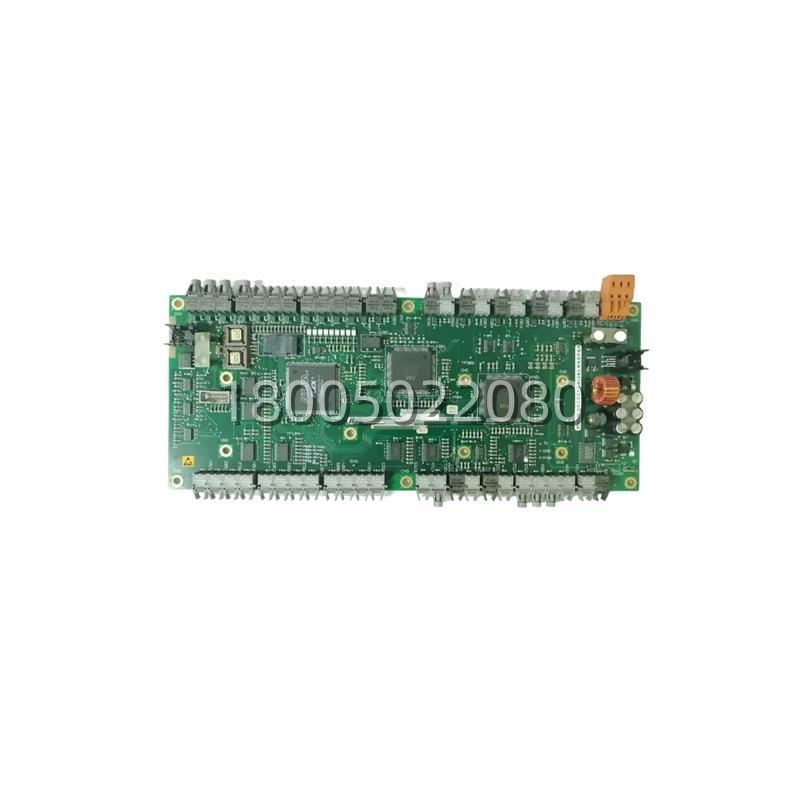
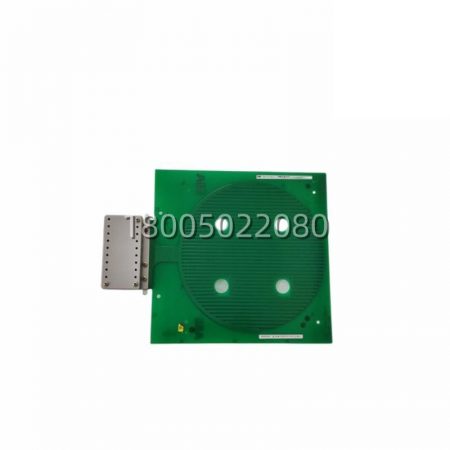
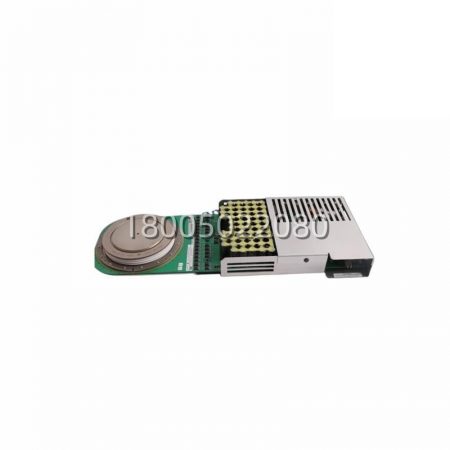
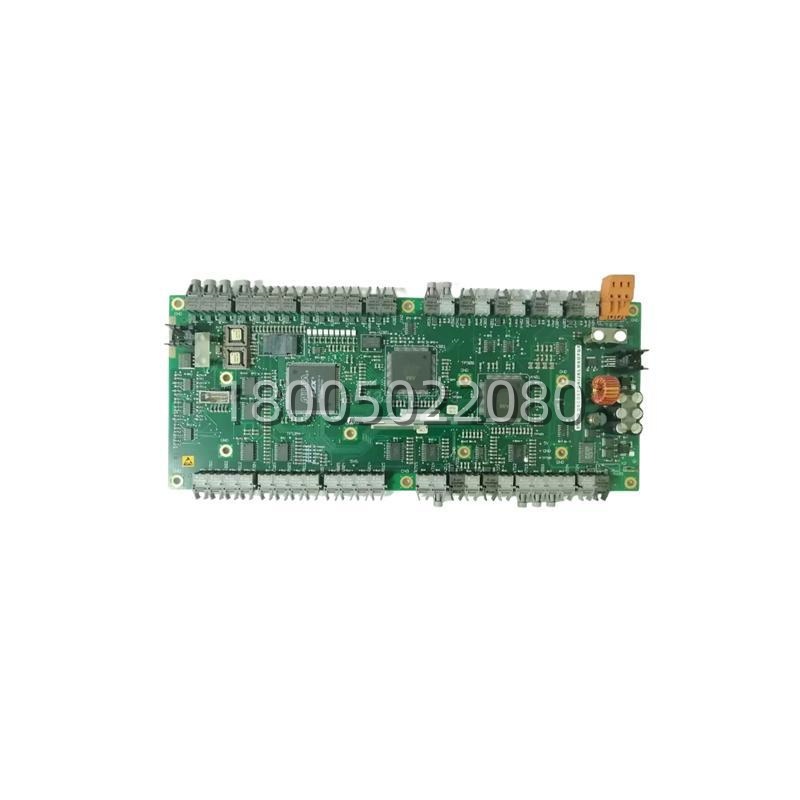
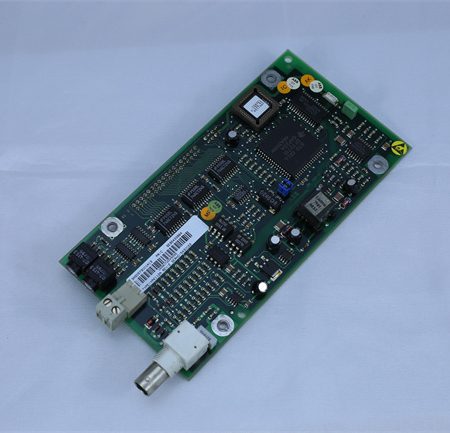
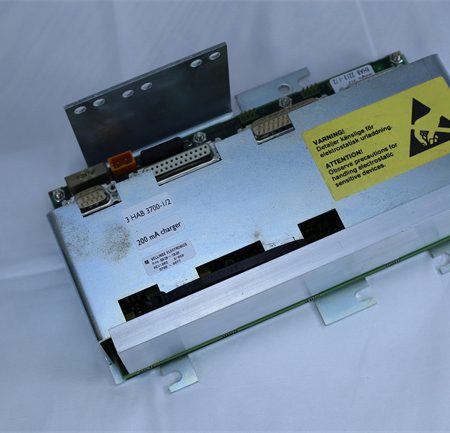
By deploying the ABB 3BHE014023R0101 as the core upgrade for their ACS6000 medium-voltage drives, the mining company achieved a radical transformation. The module’s fiber-optic communication links to I/O and power units effectively eliminated EMI susceptibility, ensuring flawless signal integrity even under severe grid disturbances. Furthermore, the UFC789AE101 implemented sophisticated predictive diagnostics that continuously monitored power supply health and internal circuitry. When a minor voltage fluctuation occurred, the module’s millisecond-level protection mechanism triggered, preventing a cascade failure that would have stopped the conveyor. The result was a 98% reduction in drive-related downtime and a significant increase in overall plant throughput.
3. Parameters
| Main Parameters | Value/Description |
|---|---|
| Product Model | 3BHE014023R0101 / UFC789AE101 |
| Manufacturer | ABB (Asea Brown Boveri) |
| Product Category | Control Board / Processor & Communication Module / FSCD Board |
| Target Systems | AC 800PEC / ACS6000 Drive / UNITROL 6000 Excitation |
| Core Architecture | CPU + FPGA Co-processor (microsecond control cycle) |
| Digital Inputs | 4-8 channels (depending on configuration, 24 VDC) |
| Digital Outputs | 4-8 channels (Relay/Transistor, up to 30 VDC/1A) |
| Analog Outputs | 4 channels (0/4-20 mA, 16-bit resolution) |
| Communication Interface | RS-485, RS-232, Ethernet (Modbus TCP, PROFINET), Profibus DP |
| Supply Voltage | 24 VDC (redundant input supported) |
| Operating Temperature | -25°C to +70°C |
| Protection Class | IP20 to IP54 (depending on housing) |
| Mounting | Rack/Backplane (AC 800PEC) or DIN Rail |
Note on key parameters: The CPU+FPGA co-processor design is a standout feature. It allows the UFC789AE101 to handle both high-level communication stacks (via the CPU) and time-critical I/O control loops (via the FPGA) simultaneously, eliminating the processing bottlenecks common in generic PLC modules.
4. Technical Principles and Innovative Values
- Innovation Point 1: Dual-Architecture Processing (CPU + FPGA)
Unlike standard microprocessor-based boards, the ABB 3BHE014023R0101 utilizes a high-performance CPU working in tandem with an FPGA (Field-Programmable Gate Array). This hybrid architecture is specifically designed for power electronics applications. The CPU manages communication protocols (Ethernet, Profibus) and user logic, while the FPGA handles microsecond-level tasks like pulse generation for thyristor firing and high-speed fault detection. This separation ensures that critical control loops are never interrupted by network traffic, guaranteeing deterministic response times. - Innovation Point 2: Redundancy and Bumpless Transfer
The UFC789AE101 supports 1:1 hot-standby redundancy—a crucial feature for power plants and continuous process industries. Two modules run in parallel, and if a fault is detected in the primary unit, the secondary module takes over instantly without any process disturbance (bumpless transfer). This capability is verified by the module’s continuous self-diagnostics, which monitor everything from internal temperatures to power supply integrity. - Innovation Point 3: High-Performance I/O and Signal Conditioning
The module integrates robust opto-coupler isolation for its I/O channels, providing up to 1500 VAC of isolation protection. This prevents high-voltage surges from the field (e.g., motor circuits, high-power rectifiers) from reaching and damaging the sensitive control logic or the upper-level DCS system. Additionally, the analog outputs feature a 16-bit resolution, allowing for precise, smooth control of actuators like valve positioners or proportional-integral-derivative (PID) controllers.

Reviews
There are no reviews yet.