
Technical Specifications
| Parameter Name | Parameter Value |
|---|---|
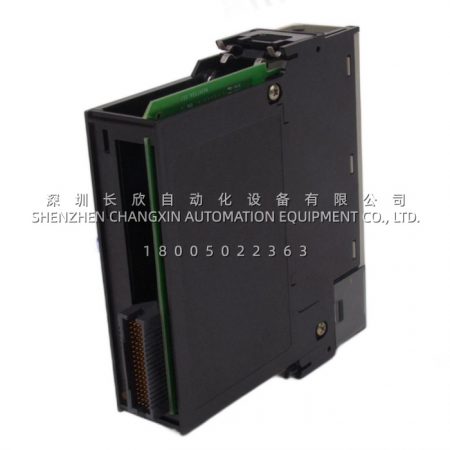
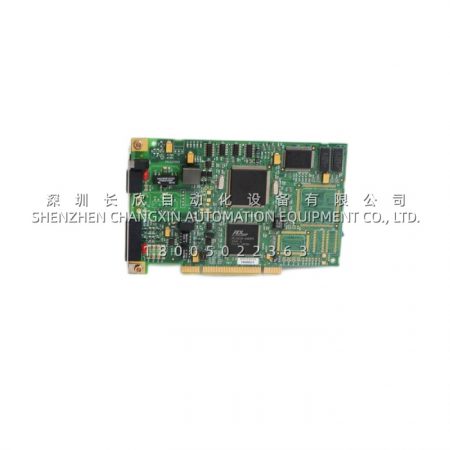
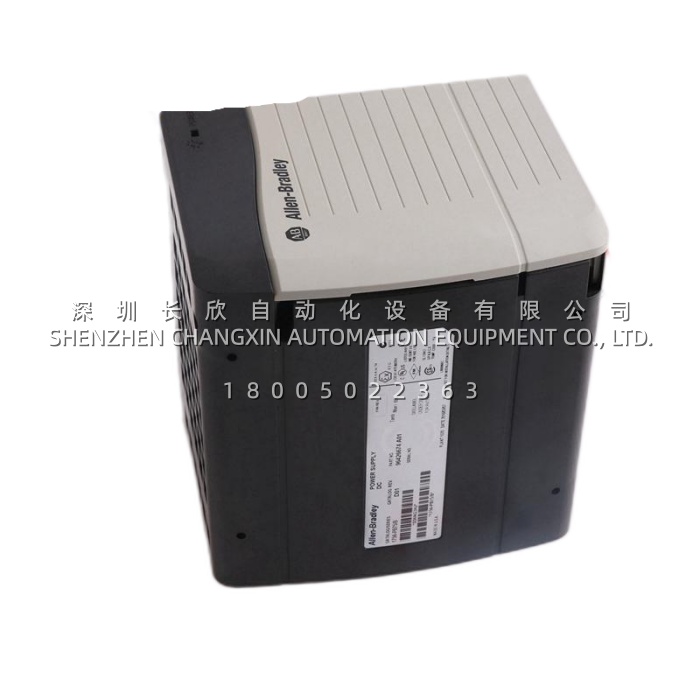
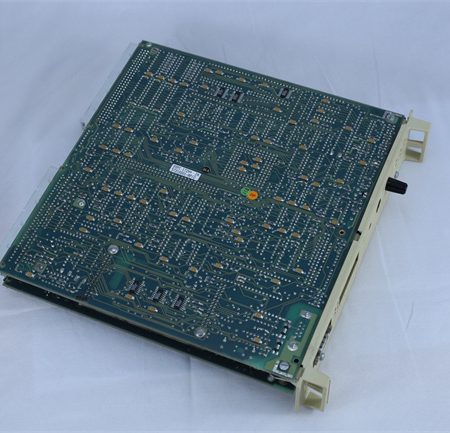
| Product Model | 1756-L1/A |
| Manufacturer | Allen-Bradley (Rockwell Automation) |
| Product Type | ControlLogix 5550 Processor Module |
| User Memory | 64 KB (expandable via 1756-M1/M2/M3) |
| Communication Port | 1 × RS-232 (DF1/DH-485 protocol) |
| Network Compatibility | DeviceNet, ControlNet, DH+, EtherNet/IP (via modules) |
| Backplane Current (5V) | 0.65 A maximum |
| Backplane Current (24V) | 0.02 A maximum |
| Power Dissipation | 3.3 W average |
| Operating Temperature | 0°C to +60°C |
| Storage Temperature | -40°C to +85°C |
| Slot Width | 1 slot |
| Battery Backup | 1756-BA1 lithium battery |
Main Features and Advantages
Native ControlLogix integration with multi-protocol capability: The Allen-Bradley 1756-L1/A resides directly on the ControlLogix backplane, providing deterministic communication with I/O and communication modules in the same chassis. Through the platform’s modular architecture, the processor accesses DeviceNet, ControlNet, DH+, and EtherNet/IP networks without requiring separate gateway hardware, simplifying system design and reducing component count .
Memory expandability for application flexibility: While the base Allen-Bradley 1756-L1/A carries 64 KB of user memory, it accepts compatible memory daughter cards that expand capacity to 512 KB, 1 MB, or 2 MB depending on the selected module . This upgrade path allows existing installations to accommodate program growth without replacing the processor itself, protecting capital investment in legacy ControlLogix infrastructure.
Multi-processor chassis support: Multiple Allen-Bradley 1756-L1/A processors can be installed in a single 1756 chassis, each operating independently while communicating across the backplane . This capability supports partitioned control architectures, where separate processors handle distinct machine sections or process areas, and provides a foundation for redundancy strategies in critical applications.
Serial programming and peer communication: The integrated RS-232 port supports DF1 and DH-485 protocols, enabling direct programming via RSLogix 5000 and peer-to-peer data exchange with compatible devices . This built-in connectivity eliminates the need for additional communication modules in basic applications, reducing system cost and complexity.
Diagnostic visibility through front-panel indicators: The processor’s faceplate includes LED status indicators that report module health and operating state, supporting rapid visual assessment during commissioning and troubleshooting without requiring a programming terminal connection.
Application Field
The Allen-Bradley 1756-L1/A serves facilities that operate ControlLogix systems where the Logix5550 platform was originally deployed and continues to perform essential control functions. In discrete manufacturing environments, the processor manages assembly lines, material handling systems, and packaging machinery where the 64 KB base memory and multi-protocol connectivity address the control requirements of moderate-complexity automation.
Within process industries, the Allen-Bradley 1756-L1/A appears in applications requiring integration of multiple communication networks, such as water treatment plants, food processing facilities, and pharmaceutical operations where DeviceNet and ControlNet devices coexist with Ethernet-based supervisory systems. The processor’s ability to reside alongside other controllers in the same chassis supports distributed control architectures in which separate processors handle different process areas or machine groups.
For maintenance and repair operations, the Allen-Bradley 1756-L1/A is essential to sustaining legacy ControlLogix installations where original components have failed and direct replacements from primary distribution are no longer available. System integrators and plant maintenance teams source this processor to restore functionality to existing machinery, avoiding the cost and disruption of platform migration. Its continued availability through aftermarket channels extends the operational life of control systems that remain technically capable and economically viable to maintain.

Reviews
There are no reviews yet.