Description
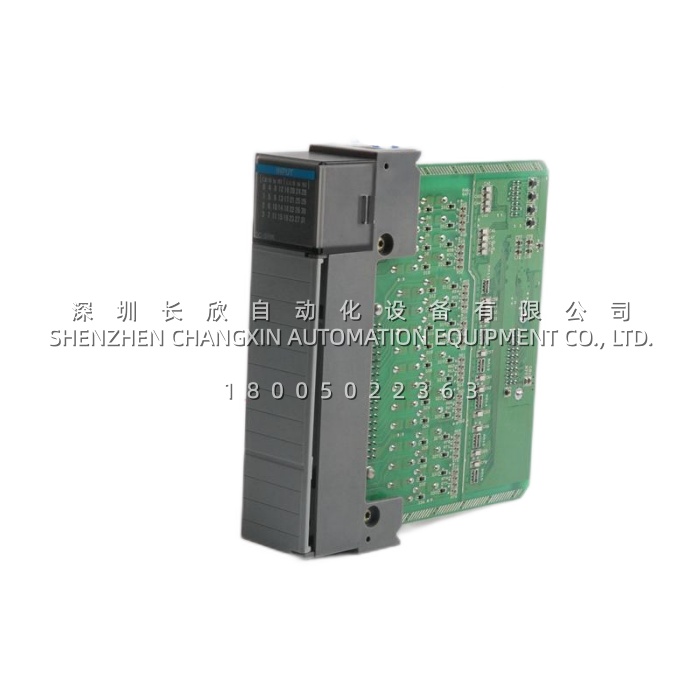
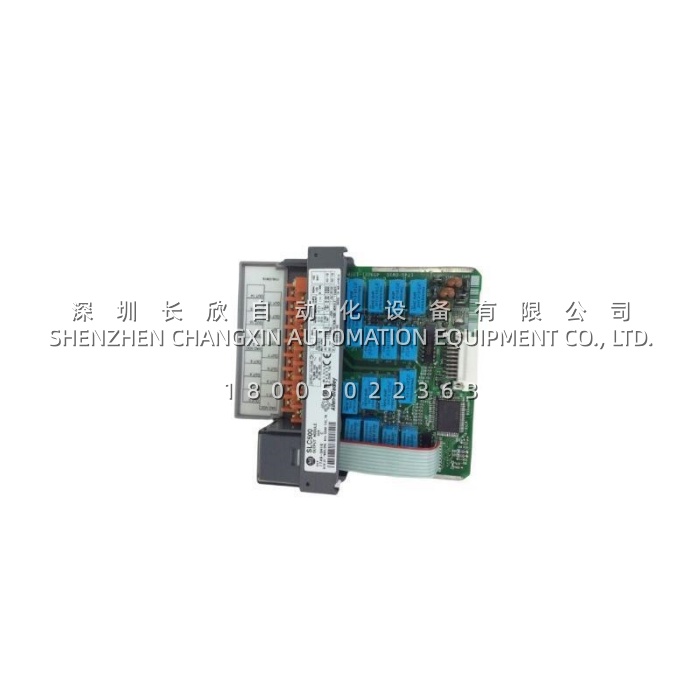
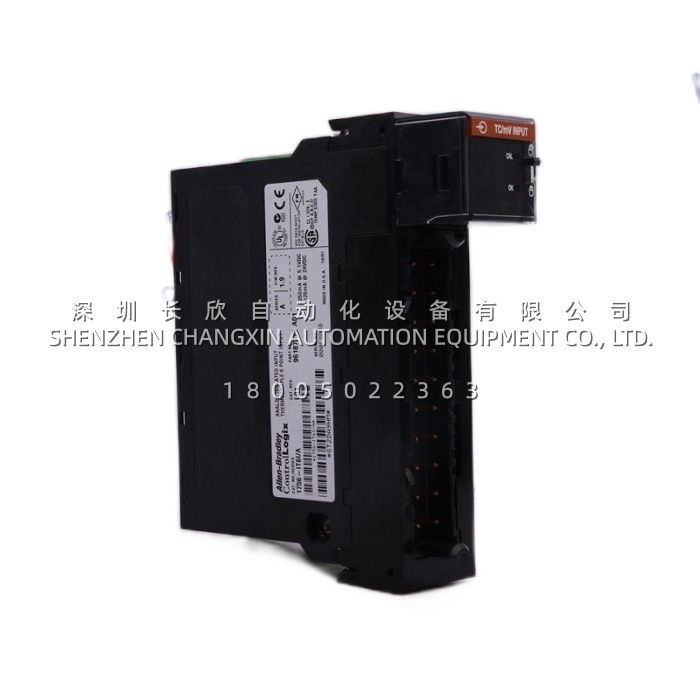
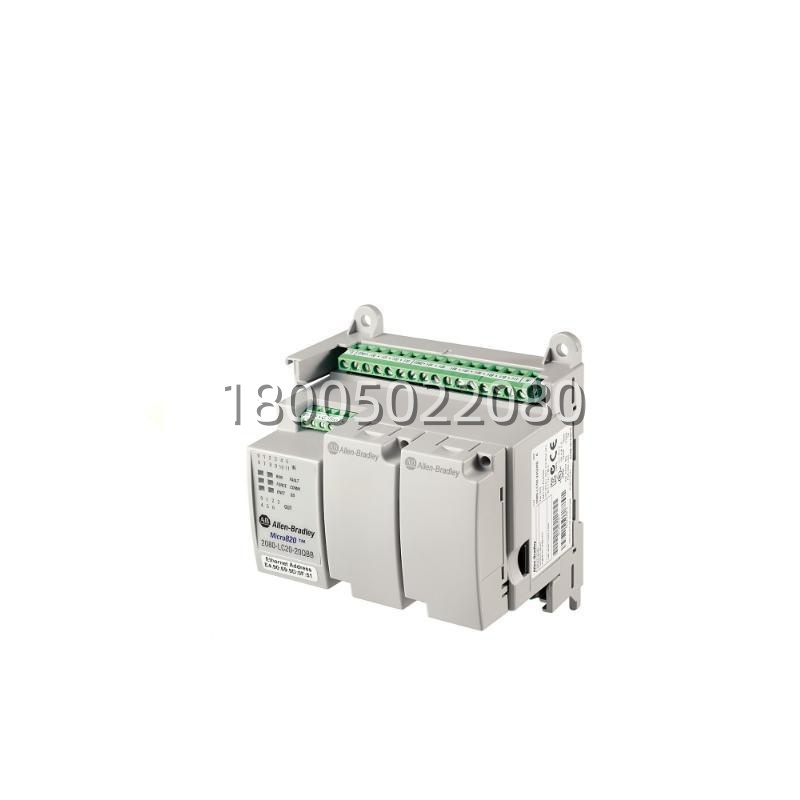
The 2080-LC20-20QBBK is a Bulletin 2080 Micro820 programmable logic controller manufactured by Allen-Bradley (Rockwell Automation), representing the smallest and most cost-sensitive entry in the Micro800 family. It packs 20 I/O (12 × 24V DC sinking/sourcing inputs + 8 × relay outputs) into a 12–13 mm DIN-footprint, adds a 10/100 Mbps Ethernet/IP port, a USB programming port, and a MicroSD slot for data logging and program clone—all while retaining the Micro800 architecture’s C-language support and Arduino-style expansion shield compatibility. The “/K” suffix denotes the specific hardware/keying revision (Bulletin 2080 uses alpha suffixes for detail variants; the LC20-20QBB base is the 20-point relay version, and K tracks the current manufacturing rev). The 2080-LC20-20QBBK is positioned for small standalone machines, remote pump skids, and smart-RTU duty where a MicroLogix 1100 is overkill on price but a plain relay-only controller lacks networking.
Application Scenarios
At a rural lift-station cluster (5 sites, 3–8 km apart) for a county water district, the integrator needed a controller that could (a) switch three 120V 1-ph pump contactors via relay outputs, (b) read 12 DC inputs (float switches, E-stop, VFD fault contacts), (c) talk Ethernet/IP back to the SCADA headend over a narrowband radio Ethernet bridge, and (d) stay under 400 BOM per site. A MicroLogix 1100 (1763-L16AWA) was the legacy choice but at ~900+ and discontinuing, the OEM switched to 2080-LC20-20QBBK. The 8 relay outputs drove the pump contactors and a beacon/strobe directly—no interposing relays needed for the 120V coils, which the transistor-output Micro820 (2080-LC20-20QBB) couldn’t do. The Ethernet/IP port landed on the radio bridge’s Layer-2 without protocol gateway; the USB port let the district tech plug a laptop in the NEMA 4X cabinet without hunting for a 1761-CBL-PM02. The MicroSD (cheap 8 GB card) logged pump-cycle counts and runtime to CSV for the monthly O&M report. The pain point—”Micrologix 1100 EOL, 1769-L16AWA too expensive for a 3-pump skid”—closed at ~$380/site controller cost. Two years in, zero 2080-LC20-20QBBK failures across 5 sites; the district’s standard BOM now lists it as “preferred lift-station controller under 8 pumps.”
Parameter
| Main Parameters | Value/Description |
|---|---|
| Product Model | 2080-LC20-20QBBK |
| Manufacturer | Allen-Bradley / Rockwell Automation |
| Product Category | Micro820 PAC (Micro800 Family, Entry Tier) |
| I/O Count | 20 pts: 12 × 24V DC DI (sink/source selectable per group), 8 × relay DO (NO, 2 A @ 250V AC / 30V DC) |
| Embedded Comms | 1 × 10/100 Mbps Ethernet/IP (CIP explicit/messaging, web server), 1 × USB (prog only, Mini-B), 1 × Non-isolated RS-485 (Modbus RTU master/slave) |
| Programming | Connected Components Workbench (CCW) v10+; ladder + structured text + C (via Micro820 unique C-capable arch) |
| Memory | ~280 KB user + 4 MB application flash; retentive via internal flash + optional MicroSD |
| Expansion | 1 × Arduino-style shield header (I2C/SPI/UART), + up to 8 × 2080 plug-in modules (2080-…) |
| MicroSD | Yes — program clone, datalog to CSV, firmware update |
| Power Supply | 24V DC (20.4–28.8V), ~6 W typical |
| Operating Temp / Rating | -20 to 65 °C, IP20, DIN 35 mm, cULus, CE, C-Tick, KC |
| Certification / CC | CC Y (as tagged) — check Rockwell cert sheet for exact cybersecurity/functional variant |
Technical Principles and Innovative Values
- Innovation Point 1: Relay Outputs in the Only Ethernet/IP-Capable Micro820. The Micro820 family has two 20-point SKUs: 2080-LC20-20QBB (transistor DO, 24V DC only) and 2080-LC20-20QBBK (relay DO). The relay version is the one that lets you switch 120/240V AC contractor coils, solenoid valves, and beacon/strobe directly from the controller—no interposing relays, no 24V DC PSU for loads. For small OEM skids (packaging cell, fill station, pump house) where the loads are AC, the 2080-LC20-20QBBK is the only Micro800 that fits without expanding the BOM with a 1762-OW16 or external interpose.
- Innovation Point 2: Micro800 + C Language + Arduino Shield on a $300 PAC. The 2080-LC20-20QBBK is the entry Micro800 that still supports C-language routines (the smaller Micro810/Micro830 lose C; the Micro850/Micro870 regain it). The top-side Arduino-style shield header (2×7, 3.3/5V, I2C/SPI/UART) lets OEMs plug in custom sensor shields—WiFi, LoRa, specialty ADC—without a full custom PCB. For a small-machine builder, that means the 2080-LC20-20QBBK can host ladder for the I/O logic and C for a custom algorithm (e.g., a flow-metering Kalman filter) on the same $380 controller. Try that on a 1763-L16AWA and you’re rewriting in ST or buying a second device.
- Innovation Point 3: Ethernet/IP + RS-485 + USB in 12 mm Width. The embedded 10/100 Ethernet on the 2080-LC20-20QBBK speaks CIP explicit messaging (not implicit I/O, that’s Micro850+ territory), so it can be an Ethernet/IP adapter to a CompactLogix/ControlLogix for MSG instructions, or a client to a VFD via explicit. The RS-485 is non-isolated (watch the grounding on long runs) but handles Modbus RTU to a power meter or a second 2080-LC20-20QBBK in a daisy chain. USB Mini-B for CCW programming means no 1761-CBL-PM02 serial cable hunt—just a phone-style USB cable and you’re online. All three ports in a controller narrower than a paperback.
Application Cases and Industry Value
Case 1 – Craft Brewery Canning Line (OEM Small Machine). A 12-head canner OEM used the 2080-LC20-20QBBK as the cell controller for the lid-dropper + CO₂ purge station: 12 DI = lid-present prox, low-CO₂ pressure switch, E-stop string, guard switches; 8 relay DO = CO₂ purge solenoid (120V AC), lid-dropper vibratory bowl (120V), reject striker, beacon, stack-light. The Ethernet/IP port landed on the line’s main CompactLogix 1769-L33ER via CIP MSG—every 15 min the 2080-LC20-20QBBK pushed can-count and CO₂-psi-avg to the parent controller for OEE. The MicroSD logged CO₂ usage per shift to CSV; the brewery’s sustainability audit loved it. The OEM’s engineer: “We quoted a 1763-L16AWA first—$920, discontinued, and the customer wanted Ethernet to the line PLC. The 2080-LC20-20QBBK was $380, Ethernet native, relay outputs matched our 120V solenoids. CCW converted the ladder in a day.”Case 2 – Solar Farm Tracker Node (Renewable / RTU). A 50 MW tracker field used 2080-LC20-20QBBK at each row-controller cabinet: 12 DI read panel-stow limit switches, wind-anemometer dry contacts, local E-stop; 8 relay DO drive the tracker motor contactors (120V AC) and the stow-valve solenoids. The RS-485 daisy-chained 40 nodes back to a central SCADA gateway; the Ethernet/IP port on a subset of nodes served as a diagnostics tap via the embedded web server (you can pull up the 2080-LC20-20QBBK web page and see I/O status from a browser—no CCW needed). The MicroSD held 30 days of stow-event CSV for NERC compliance reporting. The EPC contractor noted: “We evaluated a 1769-L16BWA + 1769-IF4XOF2F combo at 3× the cost. The 2080-LC20-20QBBK did 12-in/8-relay for 1/3 the price and the RS-485 daisy chain was clean.”