 Description
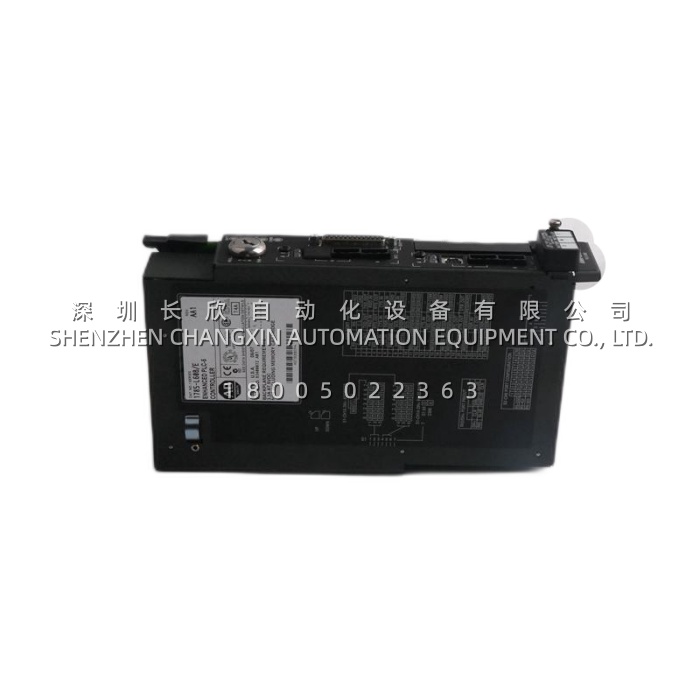
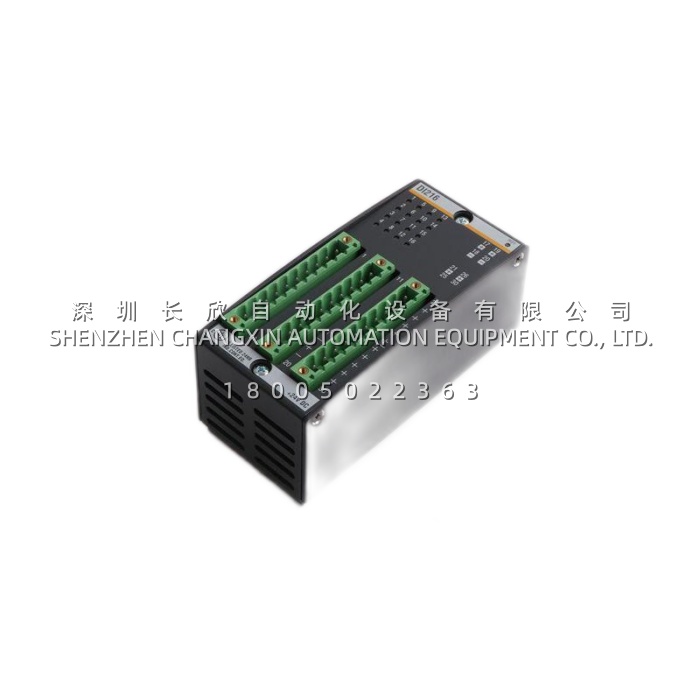
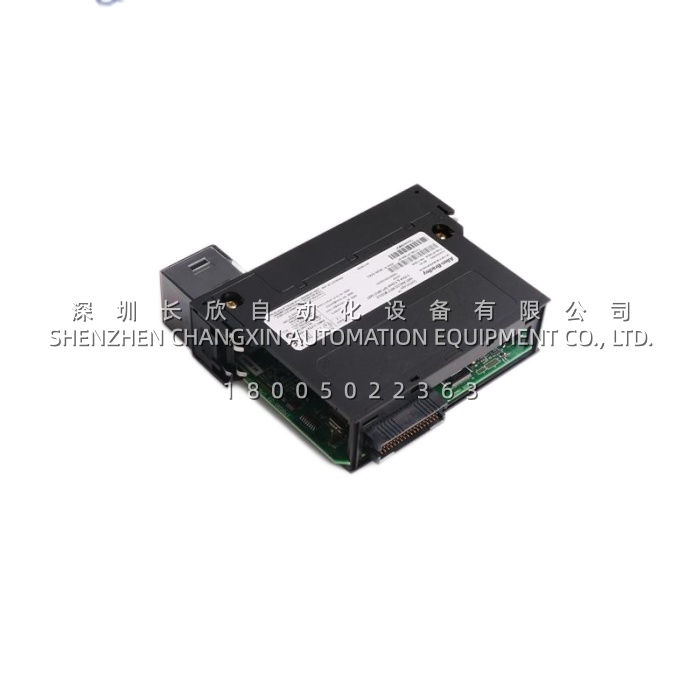
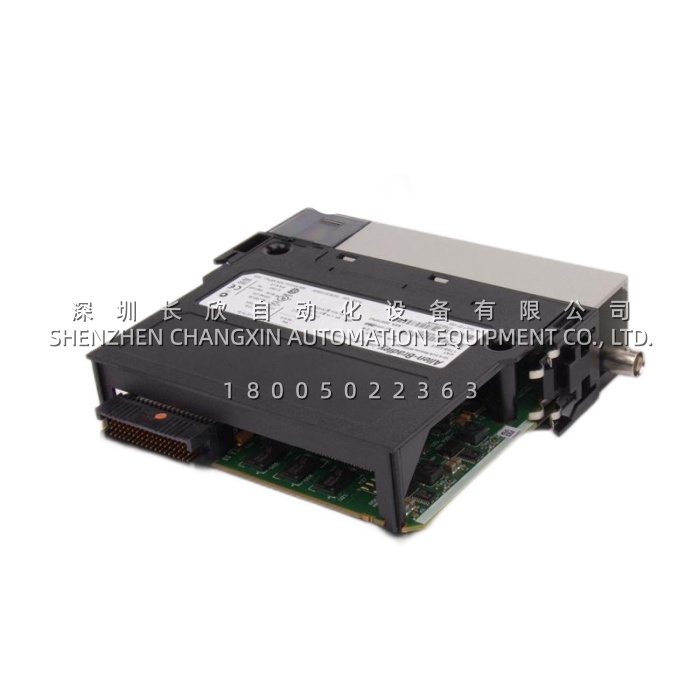
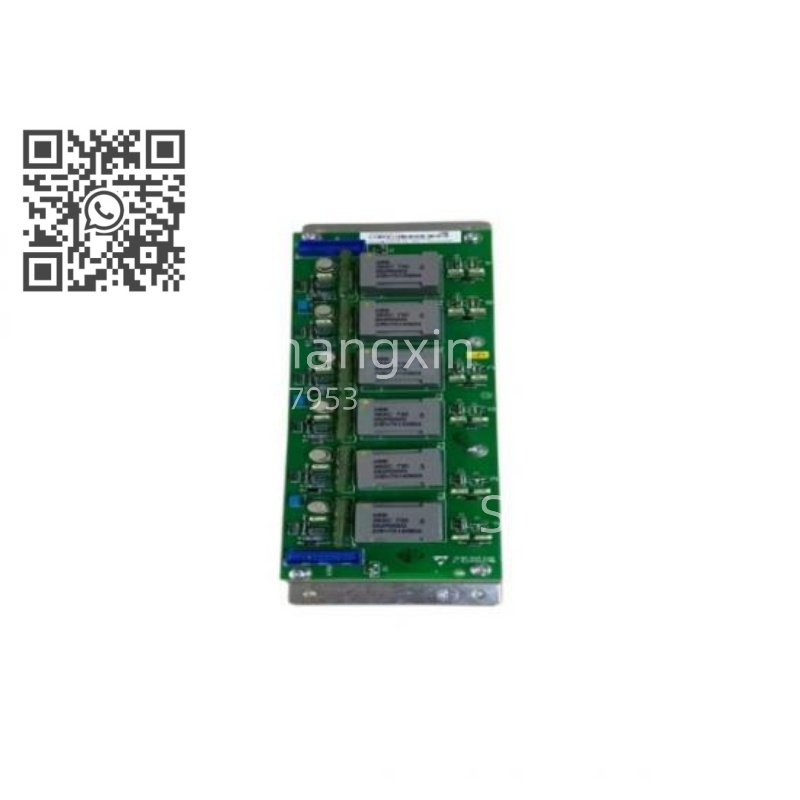
The ABB XV-C768-AFC116 is a communication interface module designed for ABB’s automation systems. It serves as a protocol gateway or communication processor, enabling data exchange between ABB controllers and various field devices, sub-systems, or higher-level networks using specific industrial protocols.
Application Scenarios
In a modern water treatment plant, the control system needs to gather data from various intelligent field devices—such as flow meters, quality analyzers, and pump controllers—that communicate using different industrial protocols. The central ABB DCS, however, operates on its native bus. The ABB XV-C768-AFC116 module is installed in a controller rack to bridge this gap. Specifically configured for the AFC116 protocol (or a related standard), it acts as a translator. It polls data from a network of Modbus RTU flow meters, converts the data into a format understandable by the ABB controller, and vice-versa for control commands. This enables centralized monitoring and control without needing to replace all field instruments, solving the critical challenge of integrating multi-vendor, multi-protocol devices into a unified control architecture.
Parameter
Technical Principles and Innovative Values
The ABB XV-C768-AFC116 embodies the principle of open integration, transforming a proprietary control system into a hub for heterogeneous device networks.
Innovation Point 1: Abstraction of Protocol Complexity. The module’s core innovation lies in its firmware, which contains a complete stack implementation of the AFC116 protocol and a mapping engine. It handles all low-level communication details—bit timing, frame formatting, error handling—and presents a clean, standardized data interface (like process variables and statuses) to the main controller’s application layer. This abstraction allows control engineers to program logic using familiar data points (e.g., Flow_1) without needing to write complex serial communication code, dramatically simplifying system integration.
Innovation Point 2: Deterministic Communication Scheduling. Unlike a simple passive gateway, the XV-C768-AFC116 is designed for industrial real-time requirements. It manages communication cycles deterministically, polling field devices according to a configured schedule. This ensures that critical data is updated at predictable intervals, which is essential for closed-loop control and alarm monitoring. It can also handle priority-based messaging, ensuring urgent commands (like an emergency stop) are processed before routine data polls.
Innovation Point 3: Robustness in Electrically Noisy Environments. The module is built to industrial standards, with galvanic isolation on its communication ports. This isolation creates a barrier that prevents ground loops, voltage spikes, and electrical noise from field wiring from damaging the sensitive electronics of the main controller. This inherent protection is a key differentiator from using a standard IT gateway and is critical for reliable operation in plant floor environments.
Application Cases and Industry Value
Case Study: Legacy System Integration in a Pulp & Paper Mill
A pulp mill upgraded its primary process control to a modern ABB system but had a critical legacy bleaching chemical preparation unit controlled by a standalone PLC using a non-ABB protocol. A hardwired I/O integration was costly and complex.
Solution & Outcome: An ABB XV-C768-AFC116 module was installed in a new AC 800M controller rack. It was configured to communicate with the legacy PLC via the AFC116 protocol (emulating the PLC’s native peer-to-peer link). Within the ABB engineering station, all data points from the old PLC (tank levels, valve positions, pump statuses) appeared as native tags. This allowed operators to monitor and control the entire bleaching process from the new, unified ABB interface. The project engineer stated: “The XV-C768-AFC116 gateway saved us over 200 hours of wiring and testing. We integrated the legacy unit in a week, not a month, and now have full visibility and control. It paid for itself in reduced downtime during the cutover.”
Related Product Combination Solutions
The XV-C768-AFC116 functions as a vital bridge within a comprehensive control architecture.
ABB AC 800M / PM/PP Series Controllers: The host controller where the XV-C768-AFC116 module is installed, providing the computational platform and system integration.
Controller Base Units / Backplanes (e.g., PU, CIU): The physical hardware that houses the controller CPU and communication modules like the XV-C768-AFC116. providing slot, power, and data bus.
System 800xA / Control Builder Engineering Software: Used to configure the XV-C768-AFC116 module—setting up the protocol driver, defining device addresses, and mapping data points to controller tags.
Field Devices (PLCs, Drives, Meters): The endpoint devices (e.g., a specific make of VFD, weigh scale, or legacy PLC) that communicate using the protocol supported by the AFC116 interface.
Communication Cables & Isolators: The physical layer (e.g., shielded RS-485 cable, terminators, signal isolators) required to connect the XV-C768-AFC116 to the field network.
Other Communication Modules (e.g., CI854 for Profibus, CI871 for Ethernet): Modules that provide connectivity to other networks, working alongside the XV-C768-AFC116 to create a multi-network controller.
Power Supply Unit: Provides stable 24V DC power to the controller base unit, which in turn powers the XV-C768-AFC116 module.
Installation, Maintenance, and Full-Cycle Support
Installation is a systematic process: first, the controller system is powered down. The XV-C768-AFC116 module is then securely inserted into a compatible slot on the controller’s base unit. Field-side communication cables (e.g., RS-485) are connected to its terminal block or connector, observing proper grounding and shielding practices. The crucial phase is software configuration using ABB’s engineering tools, where the engineer defines the protocol parameters, device addresses, and data mapping. Finally, the system is powered up, and communication is verified.
Routine maintenance is primarily monitoring-based. The module’s status is typically visible via LEDs (Power, Run, Comms, Error) and can be monitored through the engineering software for diagnostic counters (e.g., telegram errors, cyclic redundancy check failures). The primary causes of issues are often external: communication cable faults, loss of power to a field device, or configuration mismatches. Should the module itself fail, it is hot-swappable in many systems (when designed for redundancy), allowing for replacement without a full system shutdown. We provide comprehensive support for the XV-C768-AFC116. from initial protocol compatibility verification and configuration assistance to supplying guaranteed genuine or certified refurbished modules. Our technical team can help diagnose communication issues and ensure seamless integration of your field assets.
Contact us for expert support in integrating your field devices using the ABB XV-C768-AFC116 module or for sourcing this critical communication component