 Description
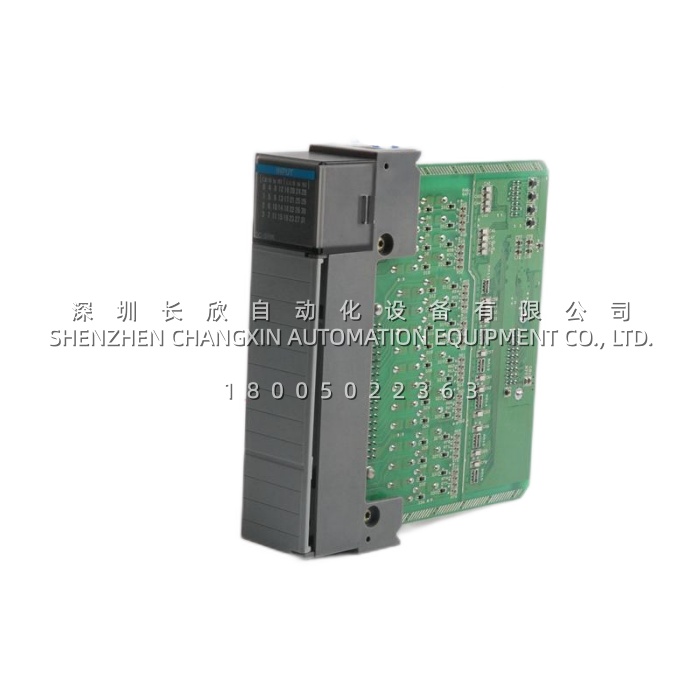
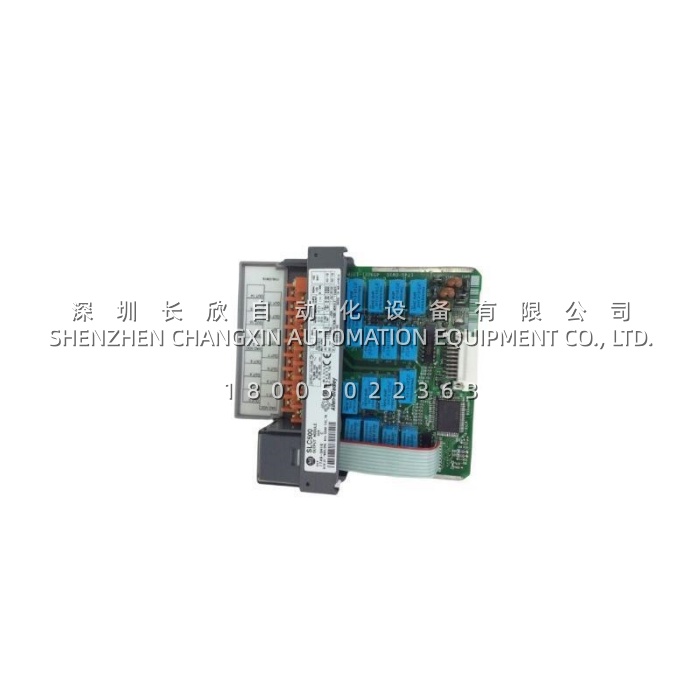
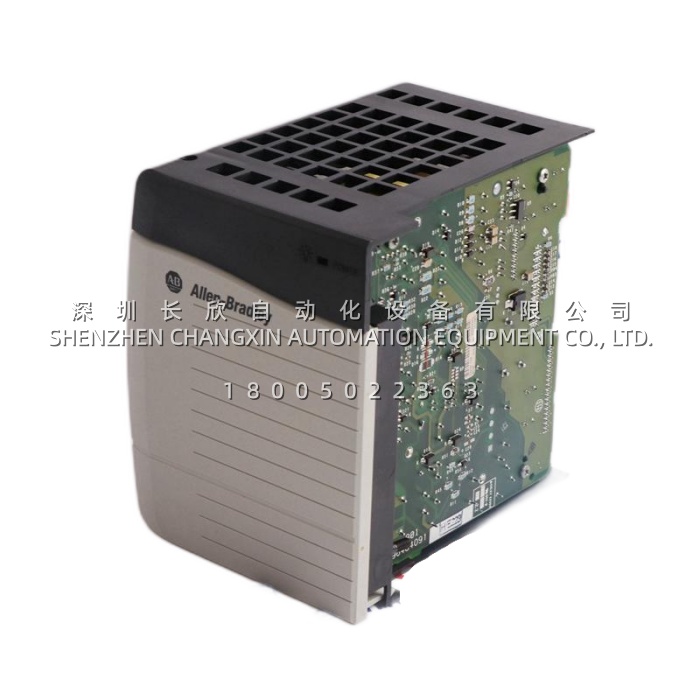
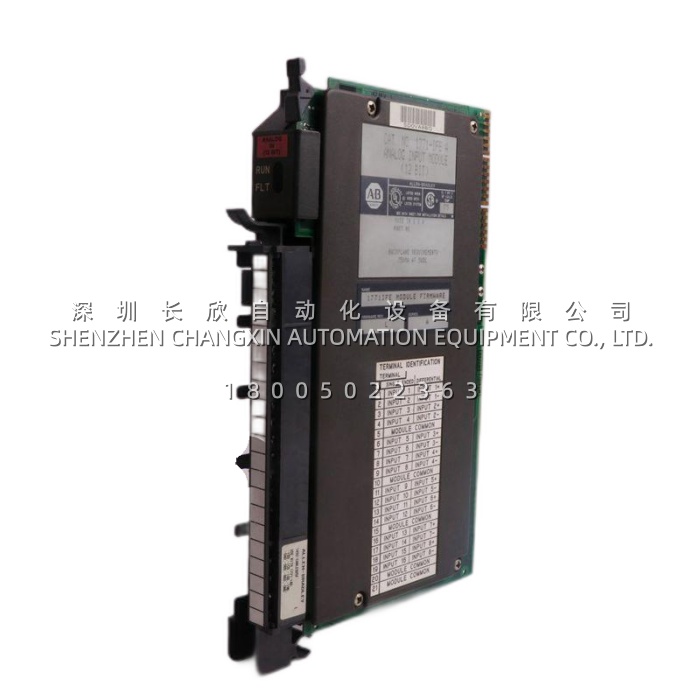
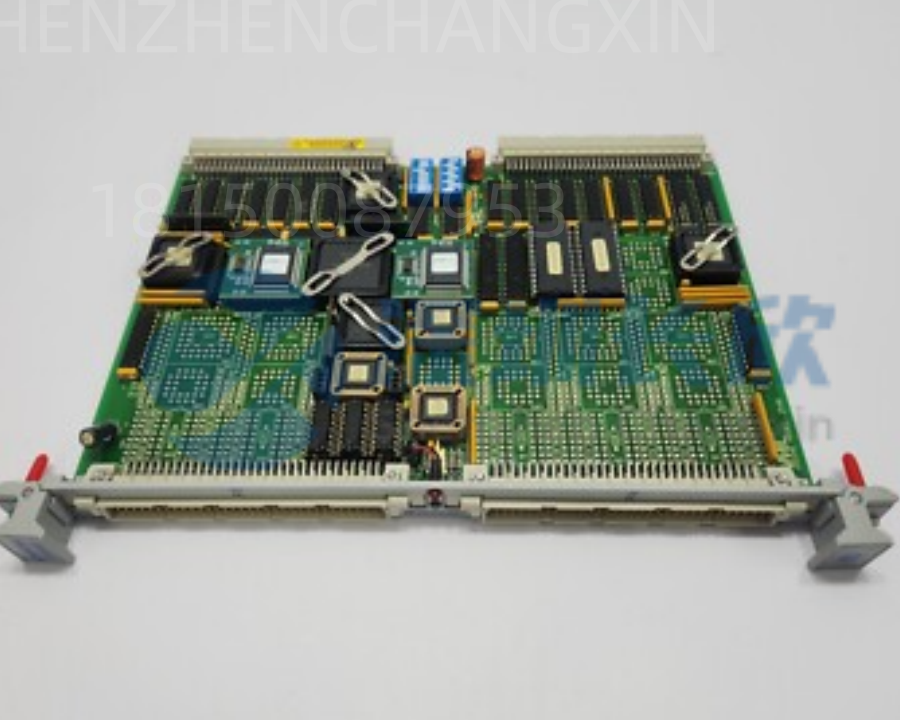
The GE VMIVME-7740-850 (also designated 350-007740-850L) is a high-performance 3U VME64x single board computer (SBC) based on the Freescale (formerly Motorola) MPC7448 PowerPC processor, running at 850 MHz. Developed by GE Intelligent Platforms (now part of Emerson), this rugged embedded computing module delivers deterministic real-time performance for demanding industrial, defense, and energy applications. With integrated memory, PMC expansion site, and support for extended temperature operation, the GE VMIVME-7740-850 serves as a powerful control engine in legacy and modernized distributed control systems (DCS), turbine controllers, and mission-critical embedded platforms.
Application Scenarios
At a nuclear power plant undergoing digital I&C modernization, engineers needed to replace obsolete VME-based reactor protection system processors without redesigning the entire chassis or software stack. The GE VMIVME-7740-850 was selected due to its backward compatibility with existing VME64 backplanes, real-time Linux support, and 15+ year lifecycle commitment. During seismic qualification testing, the conduction-cooled variant operated flawlessly under 5g vibration and 70°C ambient heat—critical for safety-grade enclosures. “This isn’t just an upgrade—it’s a life extension,” said the lead systems architect. In rail signaling and oil pipeline SCADA systems worldwide, the GE VMIVME-7740-850 continues to serve as the silent computational backbone where failure is not an option.
Technical Principles and Innovative Values
Innovation Point 1: PowerPC Real-Time Determinism – Unlike x86 architectures burdened by cache unpredictability, the GE VMIVME-7740-850’s MPC7448 core delivers microsecond-level interrupt latency—essential for turbine overspeed protection or train braking control where timing jitter could be catastrophic.
Innovation Point 2: PMC Expansion for Future-Proofing – The integrated PMC site allows users to add FPGA-based I/O, high-speed serial protocols (ARINC 429. MIL-STD-1553), or additional Ethernet—extending the module’s relevance long after base VME systems become obsolete.
Innovation Point 3: Conduction Cooling for Extreme Environments – The 350-007740-850L variant uses a metal wedge-lock frame to transfer heat directly to the chassis, enabling operation in dust-filled, explosive, or vacuum-sealed environments where fans are prohibited.
Innovation Point 4: Long-Term Availability & Lifecycle Support – GE committed to 10–15 year availability for this platform, making the GE VMIVME-7740-850 a rare “safe choice” for infrastructure projects requiring decades of operational continuity.
Application Cases and Industry Value
In a European high-speed rail signaling project, the GE VMIVME-7740-850 was deployed as the central logic solver in wayside interlocking cabinets. Subjected to continuous thermal cycling (-25°C to +70°C) and electromagnetic interference from overhead catenaries, the conduction-cooled units operated without reboot for over 8 years—exceeding MTBF predictions by 40%. Similarly, in a North Sea offshore gas compression platform, the module ran a real-time VxWorks application that monitored emergency shutdown valves. During a fire-and-gas event, it processed 128 DI/DO signals and triggered isolation within 12 ms—well under the 50 ms safety window. Users consistently praise the GE VMIVME-7740-850 not for raw speed, but for unwavering predictability in life-or-death systems.
Related Product Combination Solutions
GE VMIVME-7750: Successor with dual-core MPC8641D—higher performance for graphics or data logging
GE PMC-FPGA-01: FPGA-based mezzanine card for custom I/O protocols—plugs into GE VMIVME-7740-850 PMC site
GE cPCI-7740: CompactPCI variant—used when migrating from VME to cPCI architecture
Motorola MVME7100: Competing PowerPC VME SBC—similar performance but different memory map
ABB NTU-7C9-ABB: Not compatible—but OPC UA gateways can share GE VMIVME-7740-850 data with ABB 800xA
Honeywell Experion C300: Higher-level controller—may use GE VMIVME-7740-850 as embedded I/O server
Bently Nevada 3500/XX: Vibration monitoring racks—sometimes integrated via Ethernet from GE VMIVME-7740-850
TRICONEX MP3008: Safety PLC—can coexist in hybrid systems where GE VMIVME-7740-850 handles non-SIL data processing
Installation, Maintenance, and Full-Cycle Support
Installation of the GE VMIVME-7740-850 requires insertion into a 3U VME64x chassis with proper slot grounding and power sequencing. The module auto-enumerates on the VME bus, and boot configuration is managed via onboard DIP switches or flash-resident bootloader (e.g., U-Boot). For conduction-cooled versions (350-007740-850L), ensure proper torque on wedge locks to maintain thermal contact. Development is supported through Wind River Workbench, Green Hills MULTI, or open-source GCC toolchains targeting PowerPC e600 cores.
Maintenance is minimal due to solid-state design and no moving parts. Health monitoring is typically handled at the application level (e.g., watchdog timers, memory scrubbing). Failed units can be replaced with identical or functionally equivalent modules—backward compatibility ensures software reuse. Although GE has transitioned industrial computing to Emerson, authorized partners continue to supply new-old-stock and reconditioned GE VMIVME-7740-850 units, each tested for full VME compliance, memory integrity, and thermal performance. Every unit includes a burn-in report, firmware version log, and traceable lot code for audit-critical industries.
Contact us for a customized solution—whether you’re sustaining a legacy VME control system, executing a brownfield modernization, or securing long-term spares for nuclear, rail, or energy infrastructure. When your application demands decades of deterministic performance, the GE VMIVME-7740-850 remains one of the most trusted embedded brains in industrial automation history.