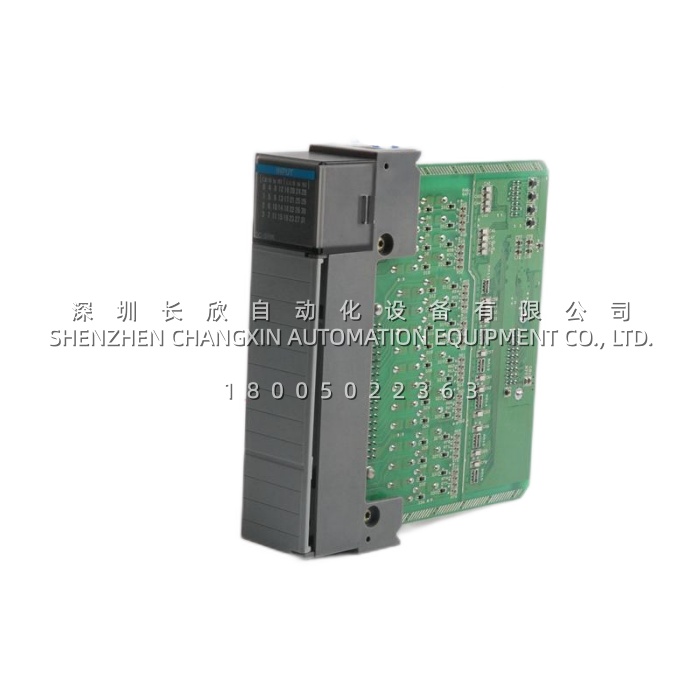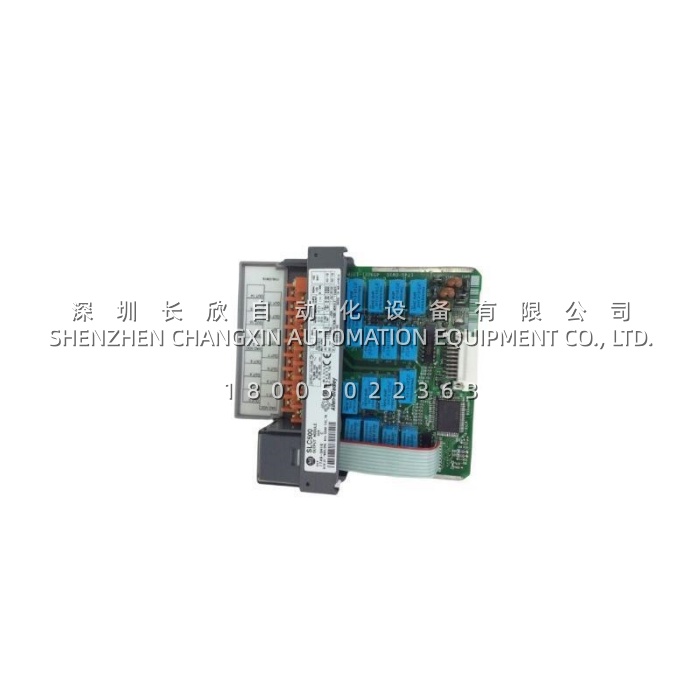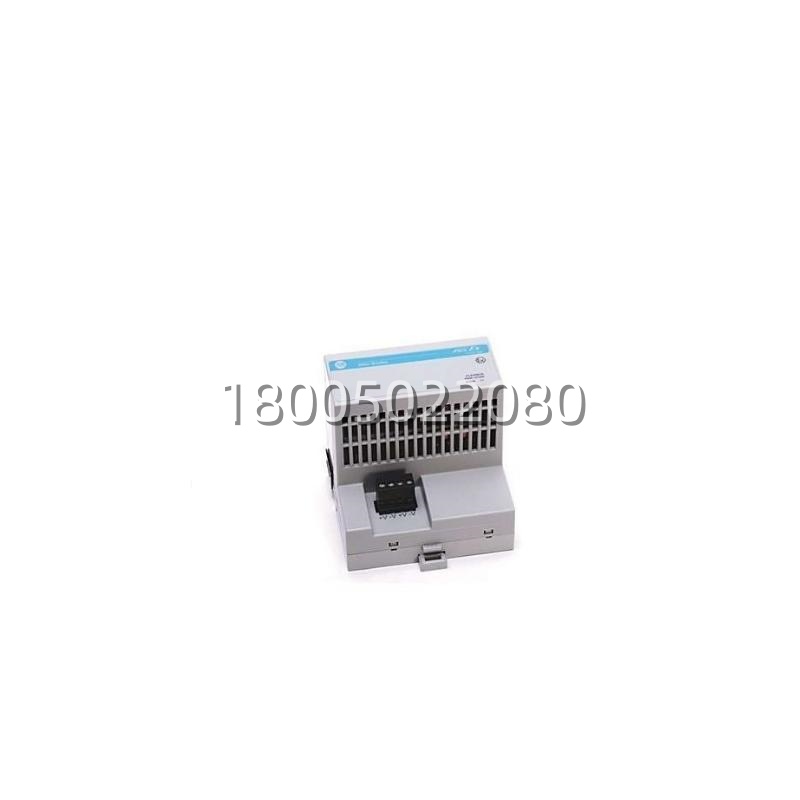
Description:The Rockwell Automation 1797‑BIC is a FLEX Ex Bus Isolator module that serves as the critical boundary between standard (non‑hazardous) FLEX I/O systems and intrinsically safe FLEX Ex modules in explosive atmospheres. It provides galvanic isolation and energy limitation, ensuring that power and communication signals entering Zone 1/Division 1 areas are intrinsically safe, preventing ignition risks while enabling seamless data exchange.Application Scenarios:In a Middle Eastern gas processing plant, engineers faced the challenge of monitoring pressure and temperature sensors located in a Class I, Division 1 hazardous area. Traditional solutions required expensive explosion‑proof enclosures or complex relay wiring. By deploying the 1797‑BIC as the demarcation point, they created a hybrid I/O station: standard FLEX I/O modules on the safe side connected to the plant’s ControlLogix controller, while FLEX Ex input modules on the hazardous side, powered through the 1797‑BIC’s isolated bus, directly interfaced with the field sensors. This setup eliminated the need for bulky conduit seals and reduced installation wiring costs by over 40%, while providing full diagnostic visibility into the hazardous area devices.
Parameter:
| Parameter | Value / Description |
|---|---|
| Product Model | 1797‑BIC |
| Manufacturer | Rockwell Automation (Allen‑Bradley) |
| Product Category | Bus Isolator / Intrinsic Safety Interface |
| Input Voltage | 18 – 32V DC (24V DC nominal) |
| Power Consumption | 2.1 W (typical) |
| Max. Load Capacity | Supports up to 8 FLEX Ex I/O modules |
| IS Output Parameters | Uo < 5.75V DC, Io < 400 mA ([Ex ib] IIC) |
| Isolation Type | Galvanic isolation (per EN 60079‑11) |
| Operating Temperature | -20°C to +70°C |
| Mounting | 35mm DIN Rail (with locking tab) |
| Hazardous Location Certs | ATEX, IECEx, cULus (Zone 1, Class I Div 1) |
| Status Indication | Green LED for power status |
Technical Principles and Innovative Values:
- Innovation Point 1: Hybrid Backplane Architecture. The 1797‑BIC is not a simple repeater; it is an “energy firewall” that physically and electrically separates the standard FLEX backplane from the intrinsically safe (IS) FLEX Ex backplane. It conditions the 24V DC power and communication signals, clamping voltage and current to levels below the ignition energy of explosive gases (IIC group), allowing standard and Ex modules to coexist on the same DIN rail system without compromising safety.
- Innovation Point 2: Transparent Network Extension. Unlike standalone barriers that require individual wiring, the 1797‑BIC integrates directly into the FLEX I/O rack architecture. It operates transparently, extending the FlexBus communication protocol to the hazardous‑area modules without requiring additional network addresses or complex gateway configuration, simplifying system integration.
- Innovation Point 3: Cost‑Effective Zone Boundary Solution. By enabling a “mixed system” (standard I/O + Ex I/O), the module eliminates the need for separate control cabinets for hazardous areas. This reduces the total cost of ownership by minimizing explosion‑proof enclosure requirements and allowing the use of standard, lower‑cost FLEX I/O components for non‑hazardous portions of the rack.