Description
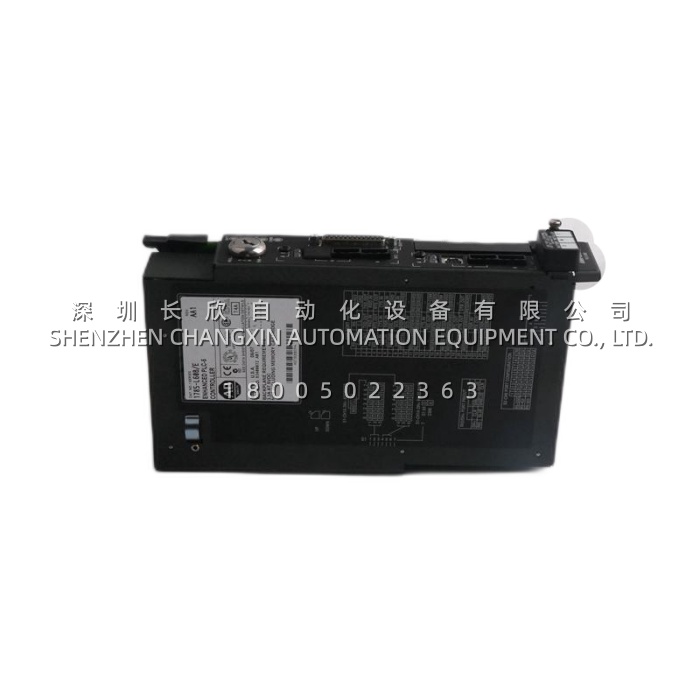
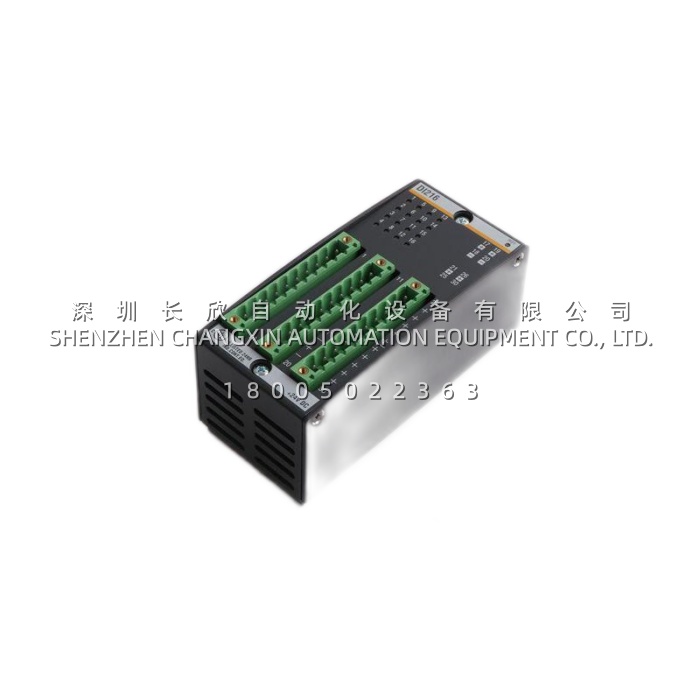
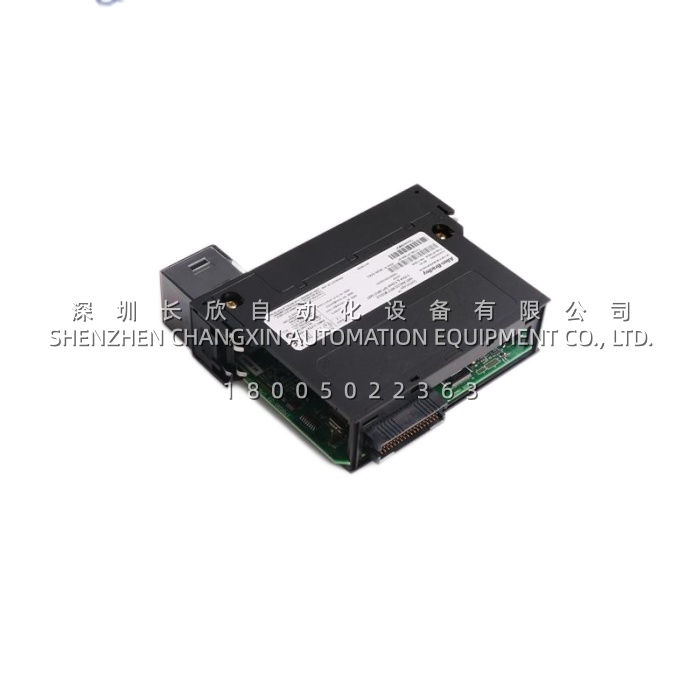
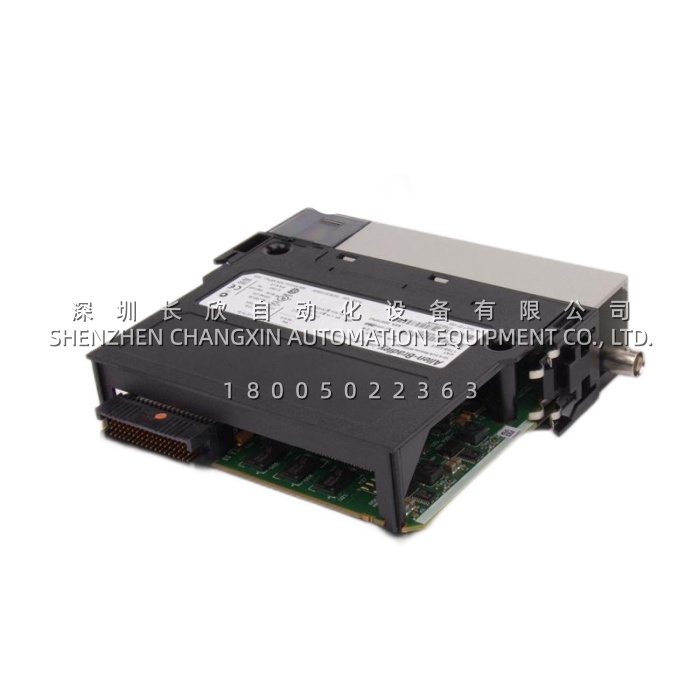
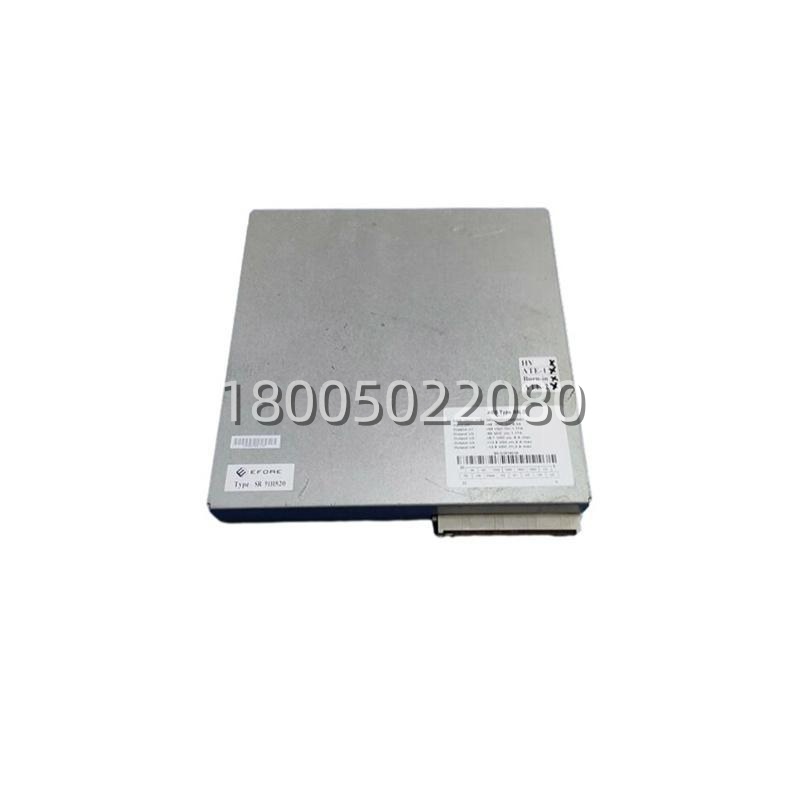
The 1KHW001381R0001, commonly referenced as the E5TX Board, is an industrial-grade Transmitter / Signal Termination Board manufactured by ABB for use in ABB distributed control system (DCS) cabinets such as Advant OCS and Symphony™ Plus with S600/S800 I/O. It provides the field-wiring termination points and analog signal conditioning / HART pass-through interface between 4–20 mA field transmitters and the DCS analog input modules mounted on the backplane.
Application Scenarios
Consider a large desalination plant where the ABB Advant OCS monitors seawater pH and chloride concentration via 4–20 mA loop-powered transmitters. Over time, an original E5TX termination board in the marshalling cabinet develops corroded screw-clamp contacts and degraded trace resistance, introducing a 0.8 % offset on a critical pH loop—enough to trigger false high/low alarms and occasional recirculation pump trips. Rather than re-terminating dozens of field wires into a new-style barrier or replacing the entire I/O rack, the instrumentation team powers down the affected section, unplugs the field wires and the old board, installs a verified 1KHW001381R0001 (E5TX), reconnects the field loops, and powers up. The loop error disappears, HART digital communication to the smart transmitters is restored, and the false alarms cease—all in under 30 minutes with no program changes. The 1KHW001381R0001 solves the common legacy pain point of worn termination contacts and signal-conditioning drift in aging DCS marshalling cabinets, preserving the plant’s proven control architecture.
Parameter
| Main Parameters | Value/Description |
|---|---|
| Product Model | 1KHW001381R0001 (Short Ref: E5TX Board) |
| Manufacturer | ABB |
| Product Category | Transmitter / Signal Termination Board (Analog Input Conditioning & HART Interface) |
| Associated System | ABB Advant OCS, Symphony™ Plus, S600 / S800 I/O marshalling cabinets |
| Signal Type | 4–20 mA analog (active/passive loop support, per variant); HART protocol pass-through |
| No. of Channels | Typically 8 or 16 analog channels (verify per cabinet drawing / silk-screen) |
| Field Wiring | Screw-type spring or clamp terminals for shielded twisted-pair field loops |
| Isolation | Galvanic isolation between field side and system side (typ. ≥500 V AC working) |
| Backplane Interface | Gold-plated pin-header / edge connector to mate with DCS analog input submodule or carrier |
| Supply Voltage | Loop power derived from external 24 V DC or sourced from DCS rack 24 V bus |
| Operating Temp. | -10 °C to +55 °C (typical cabinet environment; extended range on select revisions) |
| Substrate / Build | Industrial-grade FR-4 multilayer PCB with solder mask, component-side silk legend |
| Mounting | DIN-rail mounted in marshalling cabinet or chassis-slotted in DCS termination rack |
| Protection Class | IP20 (installed inside enclosed cabinet) |
Technical Principles and Innovative Values
- Innovation Point 1 — Integrated HART Pass-Through Without Extra Hardware: The 1KHW001381R0001 is wired transparently in the 4–20 mA loop yet passes HART FSK digital communication bidirectionally between the host DCS and smart field transmitters. This eliminates the need for separate HART modems or multiplexers for basic device management—plant personnel can read device status and perform trim calibrations directly from the control system.
- Innovation Point 2 — Galvanic Isolation for Noise Immunity & Personnel Safety: Each channel group features galvanic isolation between field and system sides, rejecting ground loops and AC-induced noise from high-power equipment on the plant floor. This preserves loop accuracy (<0.1 % typical) even in electrically hostile environments such as nearby VFD-driven pumps or arc-furnace areas.
- Innovation Point 3 — True Drop-In Form & Connector Match: The E5TX board uses the identical mechanical footprint, terminal layout, and backplane pinout as the original ABB-supplied termination board. Technicians remove the failed unit and install the 1KHW001381R0001 with no wire relabeling, no adapter plates, and no software reconfiguration—minimizing MTTR to a single maintenance window.