Description
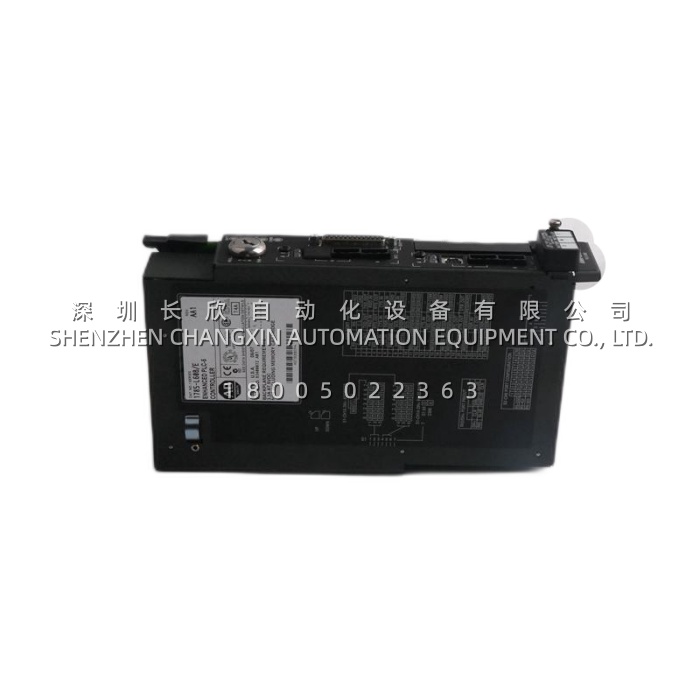
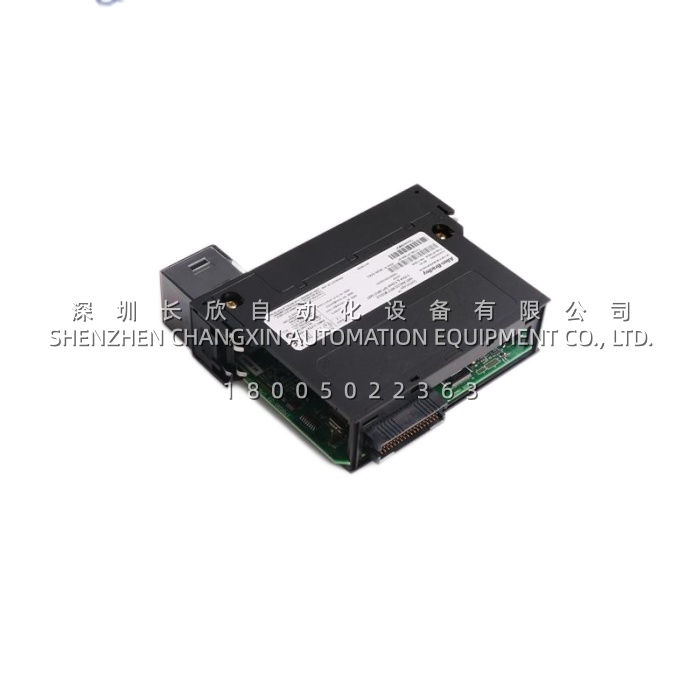
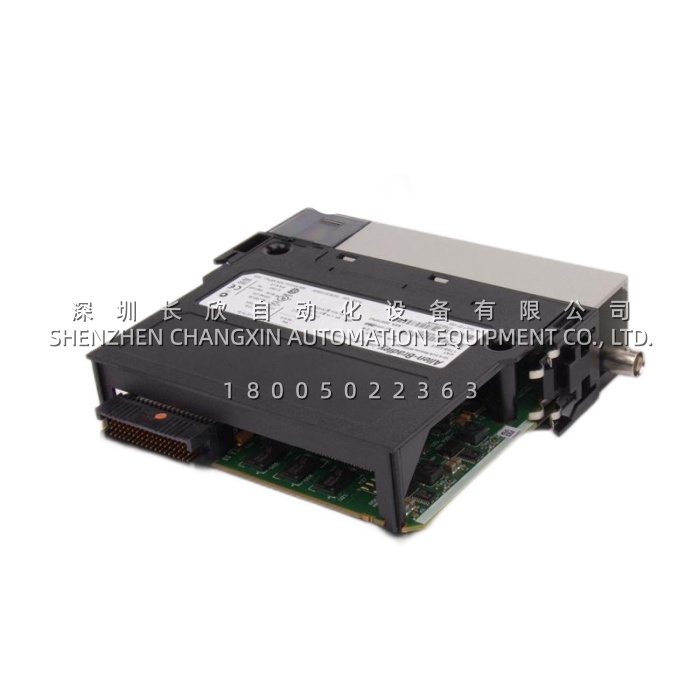
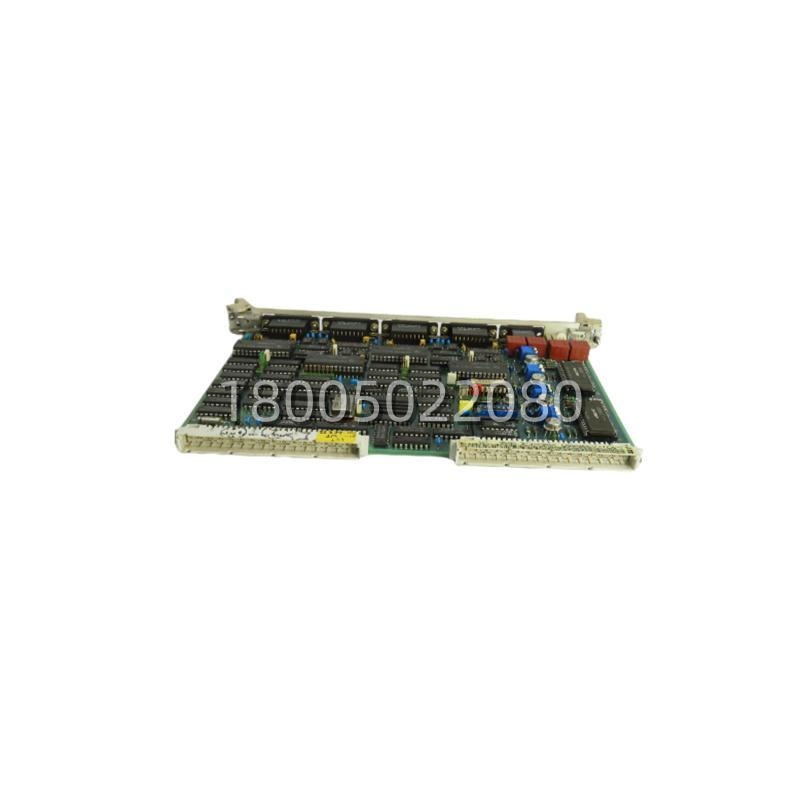
The ABB 1MRK000167-GBR00 is an internal control / processing printed circuit board (PC Board) used within ABB protection relays, bay units, and certain drive-system enclosures such as REF615, REB650, REC560, and select ACS-series cabinets. It serves as the computation and communication node—executing protection algorithms or drive-control logic, managing internal bus communication, and conditioning I/O signals between the host device’s power/measurement section and the front panel or station bus.h2 Application ScenariosImagine a 132 kV substation where an ABB REF615 feeder-protection relay suddenly displays “Board Fault” and loses communication with the SCADA IEC 61850 station bus. The relay is otherwise healthy—only the internal processor board has failed due to aged electrolytic capacitors and thermal cycling. Rather than replacing the entire relay (which would require re-entering all protection settings, CT/VT ratios, and GOOSE configurations), the protection engineer sources a version-matched ABB 1MRK000167-GBR00 (GBR00 revision). After isolating the DC supply, the relay lid is opened, the old PCB is unplugged from its guide pins, and the new 1MRK000167-GBR00 is seated in the same location. The relay boots, recognizes the board, and resumes normal protection supervision—all existing settings stored in the configuration EEPROM remain intact. This scenario illustrates the 1MRK000167-GBR00‘s critical value: it is the cost-effective, low-risk lifeline that restores mission-critical protection and control assets with minimal configuration effort and zero impact on the commissioned application logic.h2
Parameter
| Main Parameters | Value/Description |
|---|---|
| Product Model | 1MRK000167-GBR00 |
| Manufacturer | ABB (1MRK / Protection & Drives Division) |
| Product Category | Internal Control / Processing PC Board (PCB Assembly) |
| Typical Host Devices | ABB REF615, REB650, RED670 (selected versions), REC560, certain ACS drive control bays |
| Supply Voltage | 12 V DC / 24 V DC (derived from host device internal supply, ±10%) |
| Processor | 32-bit RISC / ARM-class microcontroller (device-dependent firmware) |
| Memory | Flash + RAM (typical 64 KB – 128 MB range depending on host relay generation) |
| Communication Interfaces | Internal backplane bus + RS-485 (service port, Modbus sometimes available on host) |
| Operating Temperature | -20 °C to +70 °C (per host equipment specification) |
| Storage Temperature | -40 °C to +85 °C |
| Humidity | 5 – 95 % RH (non-condensing) |
| Dimensions (approx.) | 100 × 95 × 30 mm (reference only – verify against removed board) |
| Mounting Method | Plug-in / screw-fixed to internal chassis or motherboard within host device |
*Note: Exact electrical specs (voltage, memory, connector pinout) are determined by the host device—always match the full model suffix (GBR00) and board revision with the original removed part.h2 Technical Principles and Innovative ValuesThe 1MRK000167-GBR00 is not a standalone PLC but a purpose-built embedded controller card for ABB proprietary platforms.
- Innovation Point 1 – Tightly Coupled Real-Time Processing: The 1MRK000167-GBR00 runs the protection or drive-control firmware in close hardware-level coupling with the host’s A/D measurement front-end and digital I/O section. This architecture guarantees deterministic scan/update cycles (sub-millisecond in protection relays), which is essential for fast tripping and accurate drive-vector control.
- Innovation Point 2 – Non-Volatile Configuration Preservation: All application-specific settings (protection curves, pickup values, communication parameters) reside in a separate configuration EEPROM or flash partition—not on the 1MRK000167-GBR00 itself. Swapping the board therefore requires no parameter re-entry, dramatically reducing Mean Time to Repair (MTTR) during emergency outage windows.
- Innovation Point 3 – Industrial-Grade Component Selection: The board is built with wide-temperature-range ICs, conformal-coated versions available for harsh environments, and on-board self-diagnostics that report power-supply anomalies, memory checksum errors, or communication timeouts to the host device’s HMI—enabling proactive identification of incipient failures.