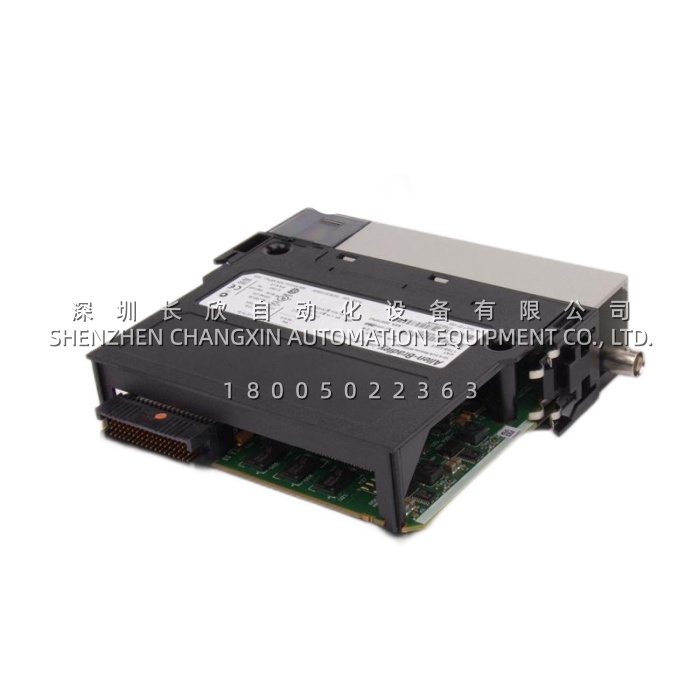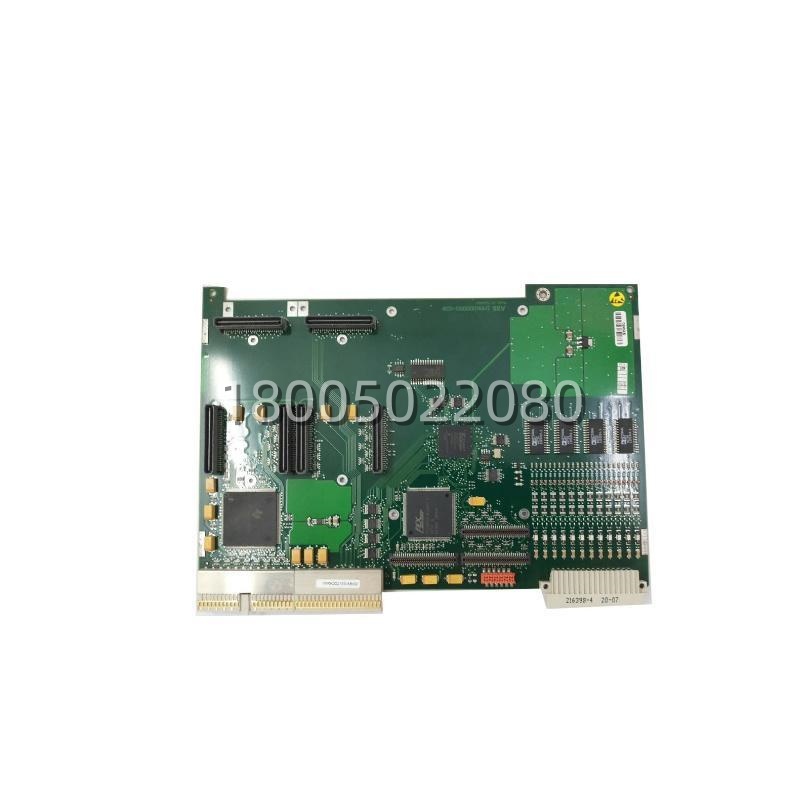
Description:
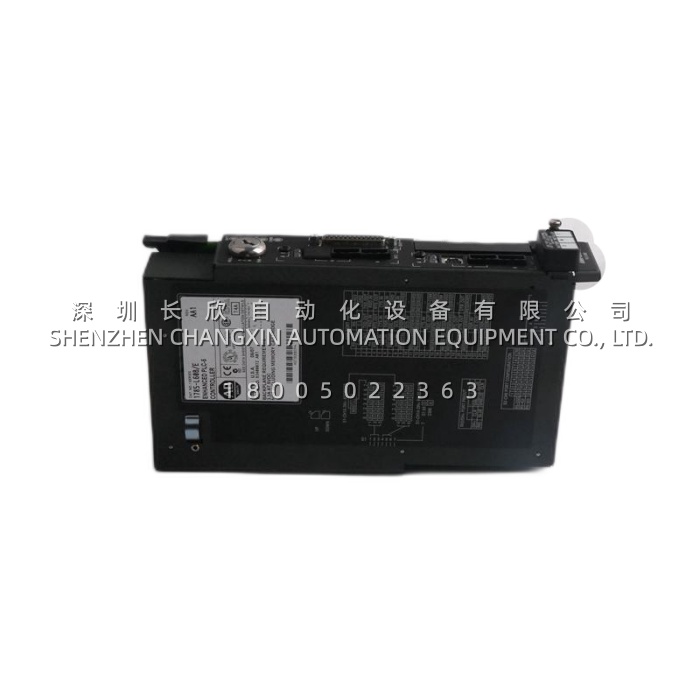
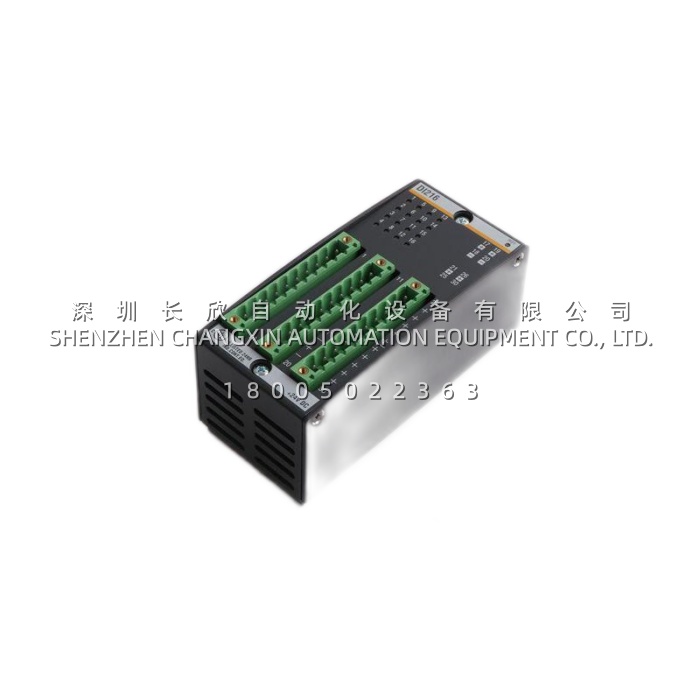
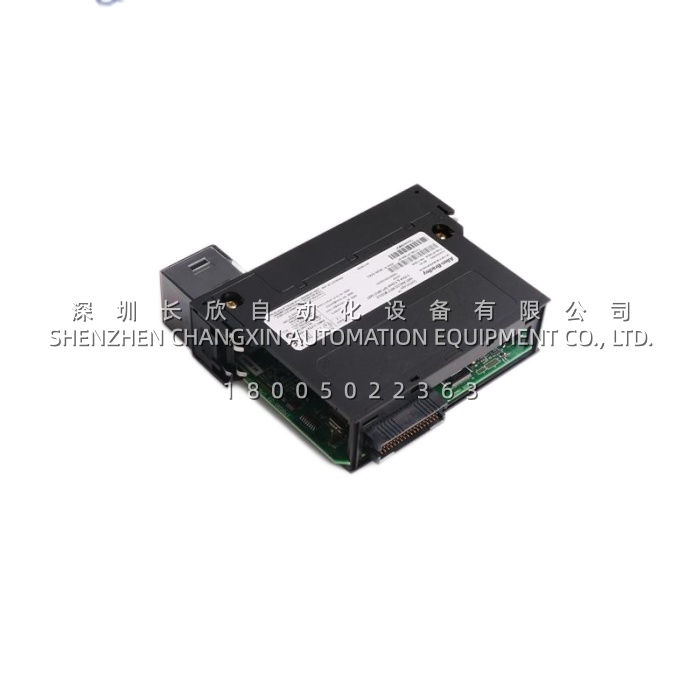
The ABB 1MRK000173-BER05, also referenced as the BER05 Binary In/Out Module, is a compact industrial digital I/O interface module designed for ABB protection relays, control cubicles, and distributed automation systems. It acquires binary (on/off) signals from field devices such as pushbuttons, limit switches, and auxiliary contacts, and provides binary output channels to drive indication lamps, trip relays, or small interposing relays — communicating status bidirectionally with the host controller via RS-485 Modbus RTU.
Application Scenarios:
A regional power utility was retrofitting the control & interlocking panel for a 132 kV substation bay that used ABB protection relays (RET/REF series) and a standalone bay controller. The original binary I/O extension board had failed, causing loss of remote “Breaker Spring Charged” and “Earth Switch Closed” indications, as well as disabling the local “Trip Command” output. The maintenance team replaced it with the ABB 1MRK000173-BER05. After seating the module on the DIN rail, connecting the 24 V DC supply and RS-485 bus (A/B), and matching the Modbus station address to the original configuration, all 16 binary points came online within minutes — no software download or I/O remapping required. The substation SCADA immediately regained visibility of the breaker status and the ability to issue protection-level trip commands through the binary output channels. This case demonstrates how the 1MRK000173-BER05 solves the classic pain point of “dead binary points” in protection & control panels with a direct, low-downtime swap that preserves the existing system architecture.
Parameter:
| Main Parameters | Value/Description |
|---|---|
| Product Model | 1MRK000173-BER05 (alias BER05) |
| Manufacturer | ABB |
| Product Category | Binary Input / Output Module (Digital I/O Interface) |
| Number of Channels | 16 channels (configurable mix of Binary Inputs + Binary Outputs, typical 8 BI + 8 BO) |
| Rated Supply Voltage | 24 V DC (±10% ~ ±20%) |
| Module Quiescent Current | ≤ 25–30 mA (excluding output load current) |
| Binary Input Type | 24 V DC, optically isolated, wetting voltage provided |
| Binary Output Type | Semiconductor or relay type per variant, typically 0.5 A @ 30 V DC / 250 V AC max |
| Communication Interface | RS-485, Modbus RTU protocol (proprietary framing in ABB relay contexts) |
| Isolation Voltage | ≥ 1500 V AC (field I/O to system / bus side) |
| Status Indication | Individual channel LEDs + PWR / COM / ERR LEDs on front face |
| Operating Temperature | -25 °C to +60 °C |
| Storage Temperature | -40 °C to +85 °C |
| Mounting Method | 35 mm DIN rail (EN 60715) or screw-fixed to dedicated baseplate |
| Protection Rating | IP20 (for installation inside enclosed cabinet) |
| Dimensions (approx.) | 95 × 95 × 35 mm (W × H × D), varies slightly by housing revision |
| Weight (approx.) | 0.12–0.18 kg |
Technical Principles and Innovative Values:
- Innovation Point 1 — Optically Isolated Binary Acquisition with Noise Immunity. The ABB 1MRK000173-BER05 uses galvanically isolated input stages (≥1500 V AC) with built-in debounce filtering to reject contact bounce and EMI from switchyard environments — a critical feature when monitoring breaker auxiliary contacts and outdoor disconnector position feedback.
- Innovation Point 2 — Bidirectional Binary I/O over Modbus RTU. Unlike passive contact blocks, the 1MRK000173-BER05 actively reports binary input state changes to the controller and accepts binary output commands via RS-485 Modbus registers. This allows the same module to serve both as a status collector and as a remote tripping / indication driver in bay-level control schemes.
- Innovation Point 3 — Zero-Configuration Hardware Replacement. The module stores its Modbus node ID and I/O configuration in non-volatile memory. Swapping a failed unit for a new 1MRK000173-BER05 with the same dip-switch / rotary address setting restores full functionality immediately — no laptop, no firmware load, no I/O table edit — minimizing mean time to repair (MTTR) in critical substations and process plants.