Description:
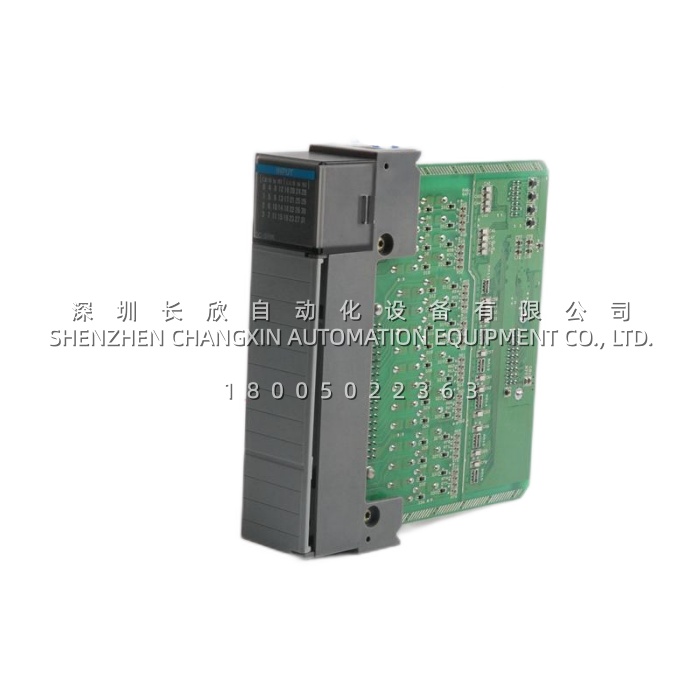
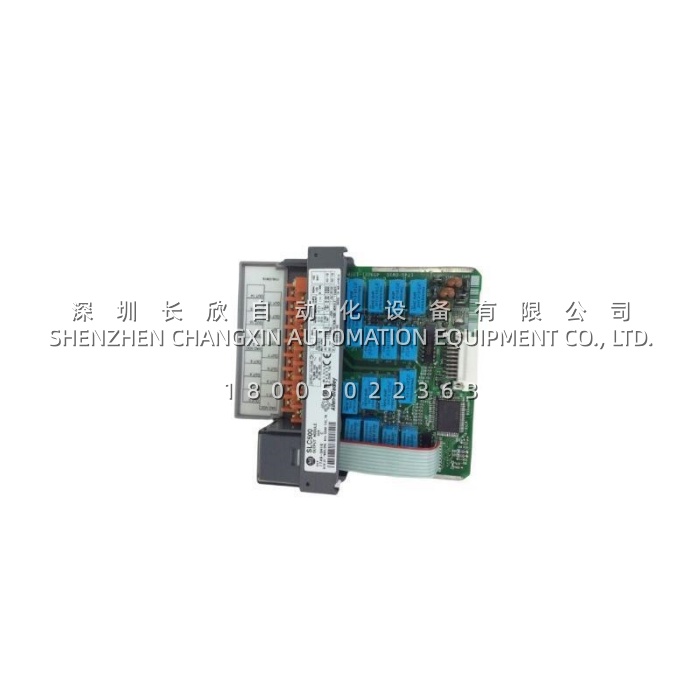
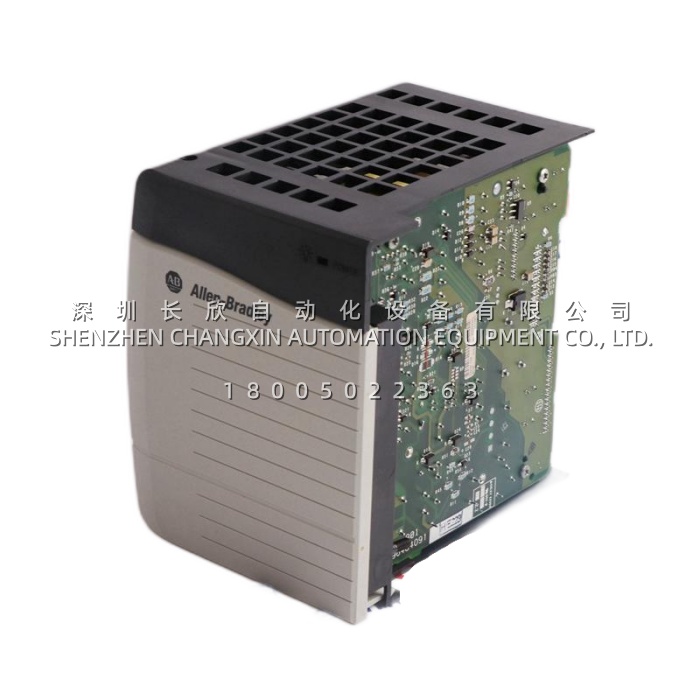
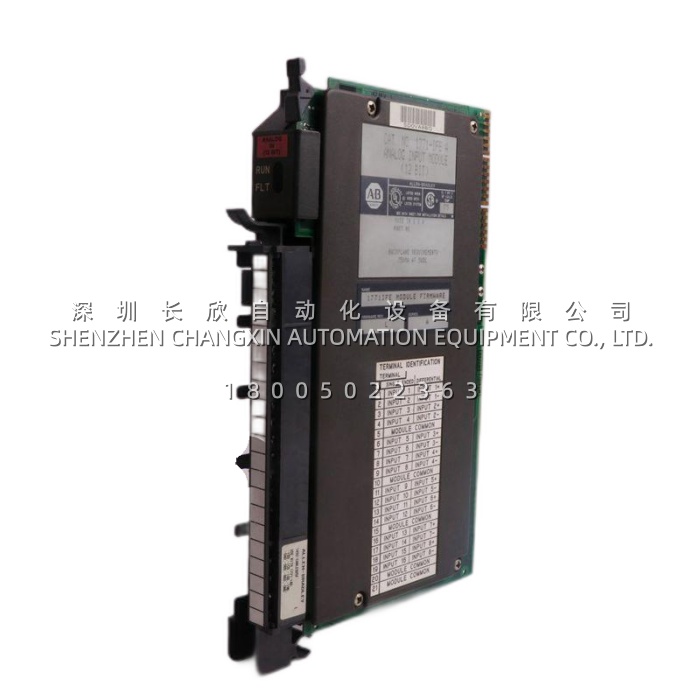
The ABB 1SFB573002D1000 is the main control / logic board (CPU PCB) used inside ABB’s legacy PST and PSTB series electronic soft starters — covering the PST30 through PSTB1050 range (certain frame sizes and generations). It is the “brain” of the soft starter: the board houses the microprocessor that executes the voltage-ramp soft-start / soft-stop algorithms, monitors motor current via CT secondaries from the thyristor stack, drives the isolated SCR gate pulses, automatically controls the external bypass contactor, stores application parameters in non-volatile memory, and provides the ribbon-cable interface to the front alphanumeric keypad/LCD. The 1SFB573002D1000 also manages fault diagnostics (overload, phase loss, thyristor over-temperature, start-time-exceeded) and operates the built-in fault and ready relays.
⚠️ Note: In some legacy documentation
1SFB573002D1000may appear as the control-board P/N inside a listed PST(B) starter assembly. If you are buying the complete soft starter, confirm whether you need the full assembled unit (thyristors + heatsink + bypass + control board) or this internal PCB only. For a PCB-only spare, the 1SFB573002D1000 is the correct item.
Application Scenarios:
A municipal wastewater pump station uses ABB PSTB370 soft starters on its 250 kW dry-pit sewage pumps. During a routine test start one morning the #2 pump starter’s front panel lit up but the “Run” LED never appeared and the motor did not ramp — the starter logged a “Control Board Fault / EEPROM Checksum Error” that persisted through power cycles. Main control voltage (230 V AC) was verified present at the terminals. The maintenance team swapped in a pre-verified ABB 1SFB573002D1000 control board (after isolating power and discharging the DC snubber), replicated the original DIP-switch settings for bypass-delay and kick-start, and the starter booted normally — loading parameters from the onboard NVRAM. Pump #2 was back in auto-mode within 25 minutes, avoiding a risky across-the-line manual start that could have stressed the aged MCCB and pipework. The 1SFB573002D1000 directly solved the critical pain point of a non-communicating, non-firing soft starter — when this board fails the thyristors cannot be triggered and the motor cannot start.
Parameter:
| Main Parameters | Value/Description |
|---|---|
| Product Model | 1SFB573002D1000 (PST / PSTB Series Main Control Board) |
| Manufacturer | ABB (Low Voltage Products & Systems / Drives — former SattControl / ABB Softstarter platform) |
| Product Category | Soft Starter Control / Logic PCB (Motherboard) for PST & PSTB Range |
| Compatible Starters | ABB PST30 … PSTB1050 (typical; verify exact frame-size BOM — earlier PST42…PST72 may use sibling P/Ns) |
| Microprocessor | 8/16-bit MCU (generation-dependent) executing voltage-ramp & current-limit algorithms |
| Memory | EEPROM / NVRAM for ramp time, initial voltage, current limit, bypass delay, protection settings |
| Control Inputs (DI) | Run / Stop / Reset (24 V DC or 110/230 V AC per starter control-voltage spec); optional external DI on some versions |
| Control Outputs (DO) | Bypass contactor drive (relay or SSR), Fault Relay (NO/NC changeover), Ready / Running status |
| Thyristor Interface | Isolated gate-drive & feedback header to power-section firing / synchronisation board |
| Sensing Inputs | 3-phase CT secondaries (from power-section CTs), thyristor-heatsink temperature sensor (NTC) |
| Keypad / Display | Ribbon to PST(B) front panel (2×16 alphanumeric + LEDs) — shows ramp status, fault codes, parameter menus |
| Supply Voltage | Derived from starter control-voltage input (typically 100–240 V AC ±10% or 24 V DC — per host starter P/N) |
| Protection Functions | Motor overload (I²t), phase-loss, start-time-exceeded, thyristor over-temp, under/over current |
| Coating / Protection | Conformal coated PCB; IP00 (installed inside starter enclosure) |
| Operating Temp. | -10 °C to +50 °C (inside cabinet; derate above 40 °C per manual) |
| Dimensions (approx.) | 140 × 100 × 25 mm (form factor varies by PST frame — confirm against removed unit before ordering) |
Technical Principles and Innovative Values:
The ABB 1SFB573002D1000 is engineered specifically for reliable AC-motor soft-starting — not a generic motor-controller card.
- Innovation Point 1 — Dual-Ramp with Current-Limit & Kick-Start: The firmware implements a programmable initial-voltage ramp plus optional “kick-start” torque pulse (brief voltage boost) to overcome static friction in high-inertia or sticky loads (conveyors, compressors). The 1SFB573002D1000 continuously compares motor current against the preset current-limit; if exceeded it temporarily flattens the voltage increase — protecting both motor and supply without premature trip.
- Innovation Point 2 — Automatic Bypass Control with Reduced Stress: On ramp completion the board closes the external bypass contactor once motor current drops below the programmable bypass-threshold (typically 105–110% FL). This removes thyristor conduction losses, reduces heat, and prolongs SCR life — all sequenced by the 1SFB573002D1000 without external timers or auxiliary relays.
- Innovation Point 3 — Comprehensive Self-Diagnostics with Latch/Reset Logic: The board continuously monitors CT inputs, temperature sensor, and its own supply rails. Detected faults are latched (preventing auto-restart into a fault condition), indicated on the front panel via alphanumeric code, and announced via the Form-C fault relay — aiding rapid root-cause identification during troubleshooting.
Application Cases and Industry Value:
Case — Food-Processing Plant Conveyor Belt Soft-Start Recovery:A chilled-food packing line used an ABB PST72 soft starter on its main accumulation conveyor (22 kW). After a site-wide voltage dip the starter would not initiate — the front panel showed “Err 5 / Ctrl Brd Fail”. Power-cycling did not clear it. The ABB 1SFB573002D1000 control board was swapped during the next line stoppage; the replacement booted, displayed the stored parameter set, and the conveyor ramped normally on the next start command. The plant’s automation tech noted that having the correct PST control-board spare on the shelf converted what could have been a 4-hour line-down event (waiting for a new starter) into a 20-minute board change — and preserved the existing thyristor stack and bypass contactor, saving ~$1,800 in unnecessary hardware replacement.