Description
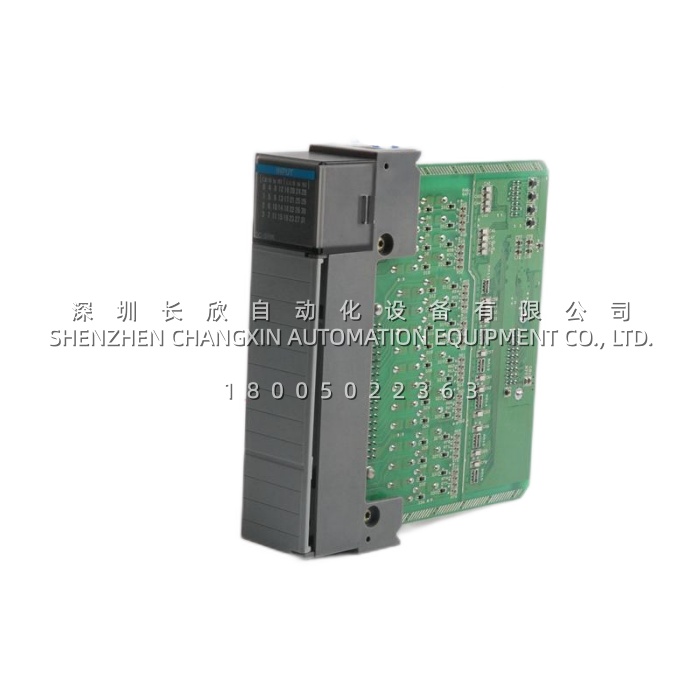
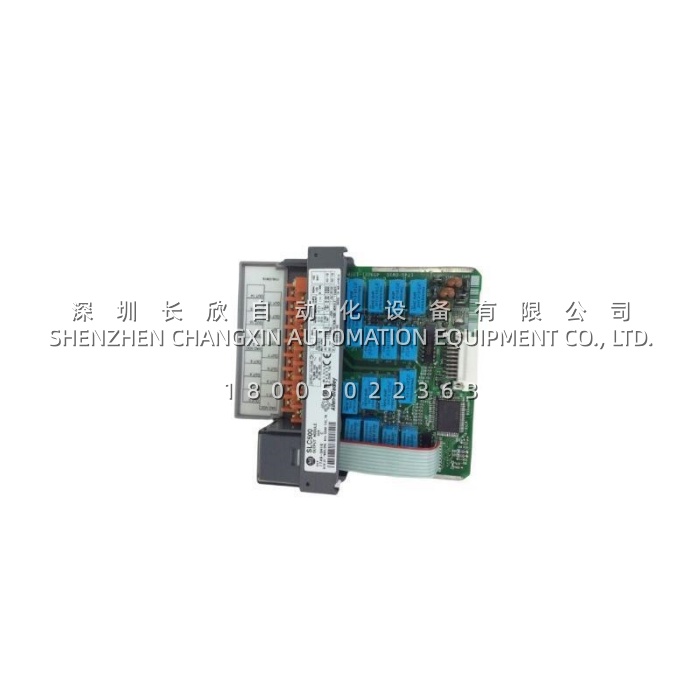
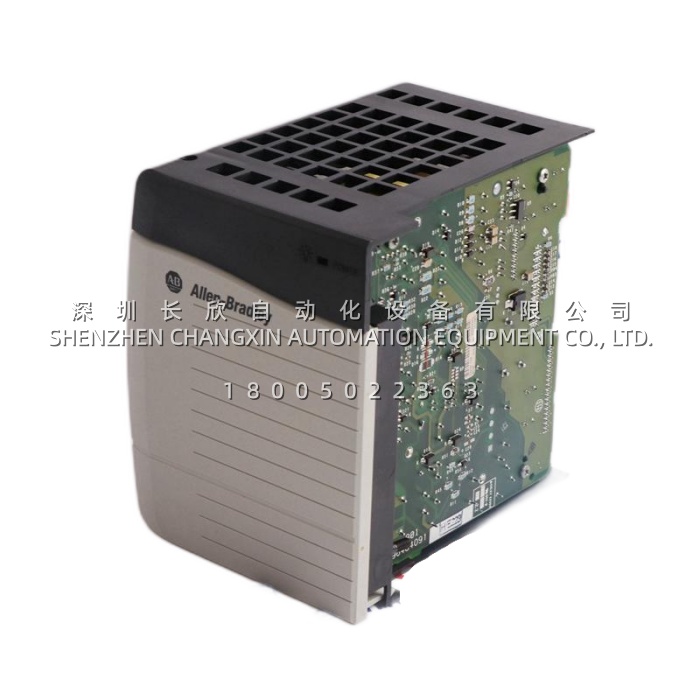
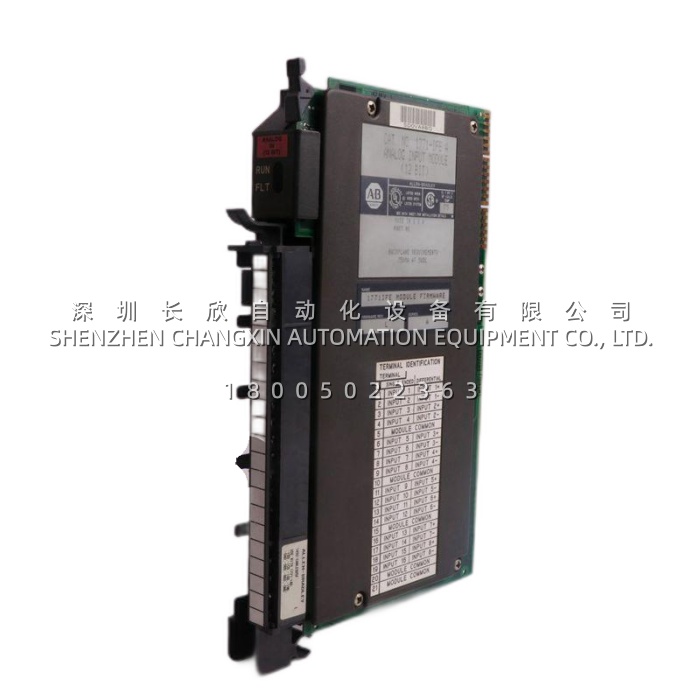
The ABB 83SR11E (Ordering Code: GKWE8559000200, also referred to as GKWE855900R0200) is a stored-program analog control module from ABB’s Procontrol P14/P13 distributed control system (DCS) family. Designed as a single-loop process controller, this module executes continuous PID regulation of critical process variables such as temperature, pressure, flow, and level, while simultaneously performing binary logic operations for interlocking, protection, and sequential control . Engineered for the demanding environments of power generation and chemical processing, the 83SR11E combines analog precision with digital flexibility, serving as a reliable workhorse in control cabinets worldwide.
Application Scenarios
In a coal-fired power plant operating for over two decades, the original Procontrol P13 controller that managed a critical feedwater control loop began exhibiting erratic output behavior, causing temperature fluctuations that risked turbine shutdown. The plant’s maintenance engineers sourced a ABB 83SR11E as a direct replacement, restoring stable PID regulation within hours. The module’s ability to be reconfigured online—adjusting PID parameters and setpoints without halting the process—proved invaluable for fine-tuning the loop during live operation . Whether deployed in boiler drum level control, chemical reactor temperature regulation, or gas compressor surge protection, the 83SR11E delivers the dual functionality of continuous analog control and logic-based interlocking that legacy Procontrol systems require to keep critical processes running.
Parameters
| Main Parameters | Value/Description |
|---|---|
| Product Model | ABB 83SR11E |
| Ordering Code | GKWE8559000200 (also GKWE855900R0200) |
| Manufacturer | ABB (formerly BBC Brown Boveri) |
| Product Category | Single-Loop Analog Control Module / Stored-Program Controller |
| Core Function | Single-variable PID continuous regulation + Binary logic/sequence control |
| Power Supply | 24V DC (nominal, ±10%), ≤20W consumption |
| Analog Outputs | 0/4–20mA or 0–10V (continuous regulation for valve actuators) |
| Digital Inputs | 8 channels (24V DC dry contact) |
| Digital Outputs | 8 channels (relay, 2A/250VAC) |
| Control Loops | 4 independent PID loops |
| Processing Speed | ≥100K instructions/second |
| Communication | RS-485 Modbus RTU via Procontrol station bus |
| Operating Temperature | 0°C to +60°C |
| Dimensions (H×W×D) | 254 mm × 203 mm × 38 mm (6U form factor) |
| Weight | Approx. 1.0 kg |
| Safety Certification | SIL 3 capable (for safety-critical loops) |
Technical Principles and Innovative Values
Innovation Point 1: Integrated Analog PID Control and Binary Logic in One Module
Unlike standard I/O cards that merely pass signals, the ABB 83SR11E functions as an independent control processor. It executes single-variable PID algorithms to maintain precise process control while simultaneously processing discrete logic—enabling a single module to handle both continuous regulation (e.g., valve positioning) and interlocking protections (e.g., emergency shutdowns) without requiring separate controllers . This integration reduces cabinet space and simplifies system architecture.
Innovation Point 2: Hot-Swap Capability with Online Parameter Modification
The 83SR11E supports online parameter adjustment, allowing engineers to modify PID gains, setpoints, and amplitude limits without interrupting the control loop. This feature is critical in continuous processes where unscheduled shutdowns are unacceptable, enabling loop tuning during normal production . The module’s ability to be inserted or removed from the P14 chassis while the system remains operational minimizes maintenance downtime.
Innovation Point 3: Electrical Isolation for Industrial Noise Immunity
Featuring electrical isolation between channels and from the system bus, the ABB 83SR11E provides robust immunity against ground loops and electromagnetic interference common in power plants and heavy industrial environments . This isolation ensures accurate analog signal acquisition even with long cable runs near high-voltage equipment.
Innovation Point 4: Comprehensive Self-Diagnostics and Status Indication
The module incorporates built-in diagnostics including communication verification, channel fault detection, and module self-checks, with status reported via front-panel LEDs indicating run, simulation, fault, and communication states . This diagnostic capability reduces troubleshooting time and enables proactive maintenance planning.