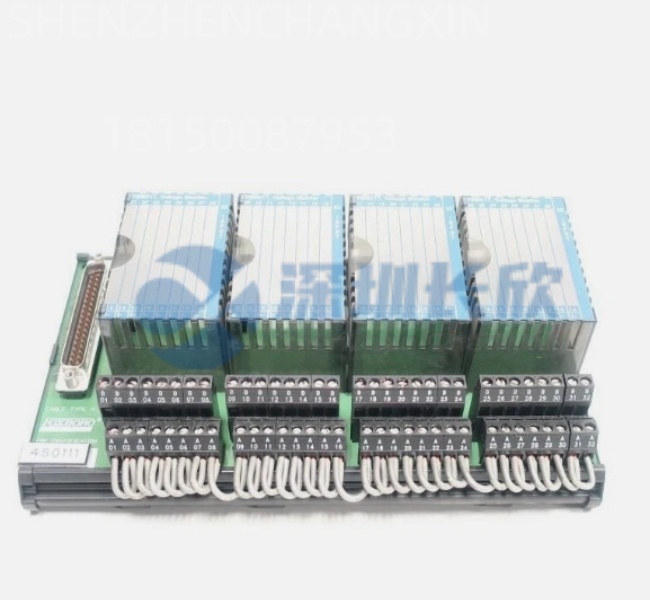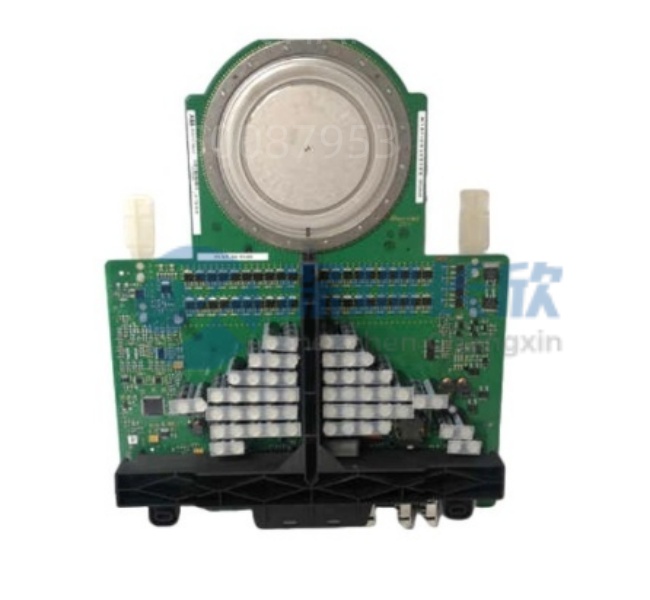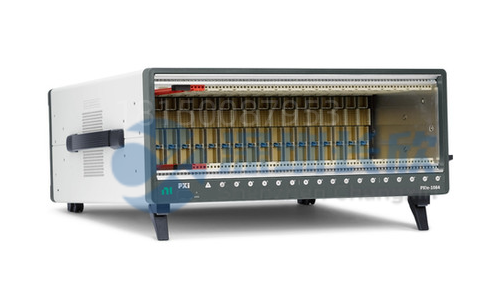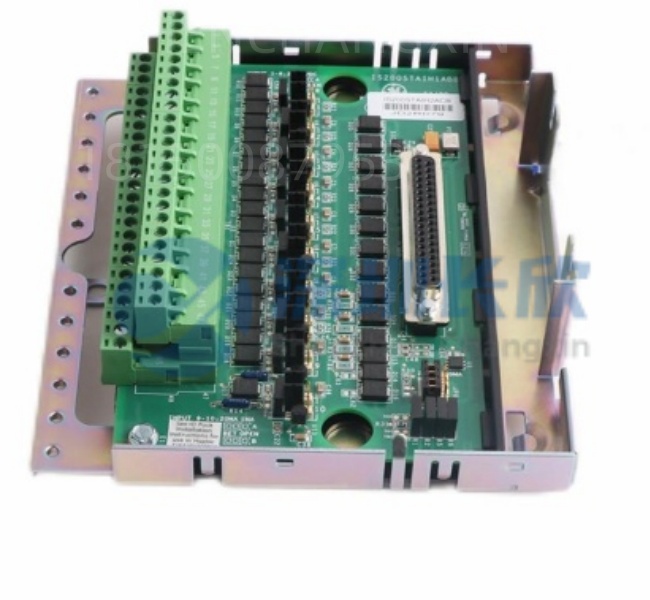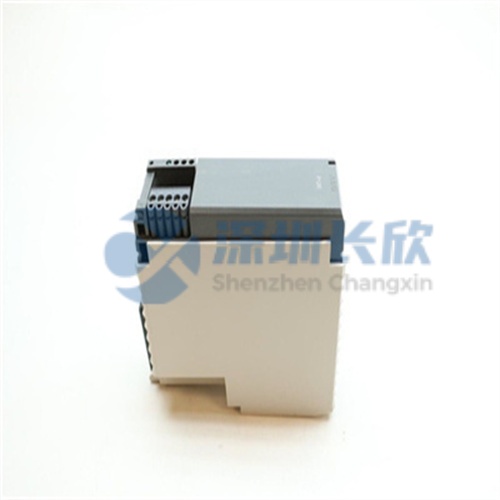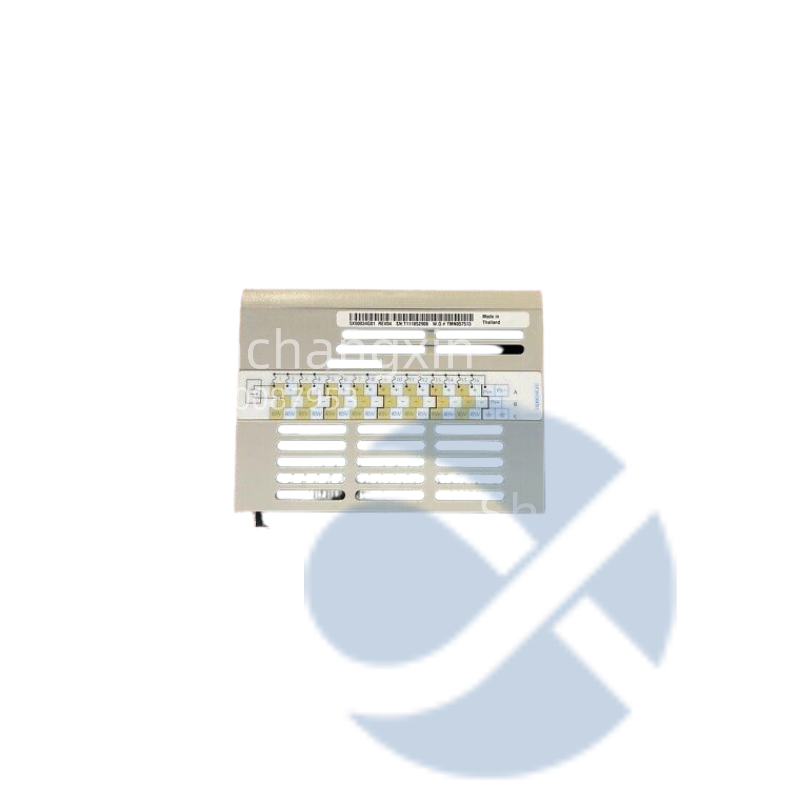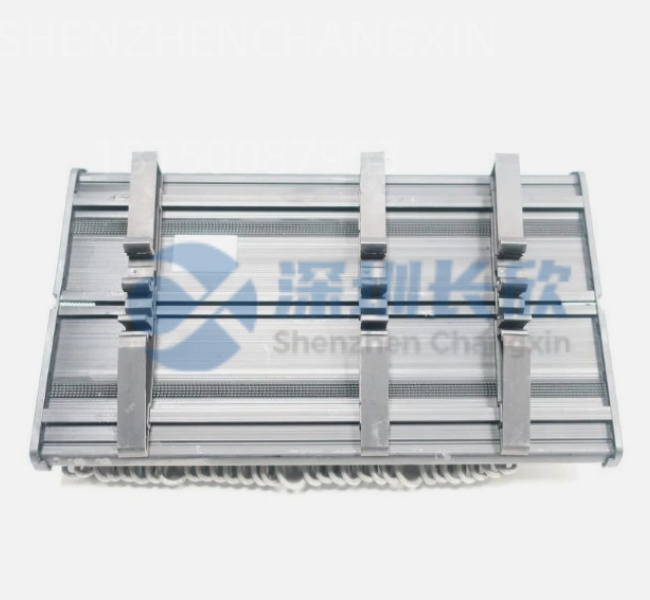
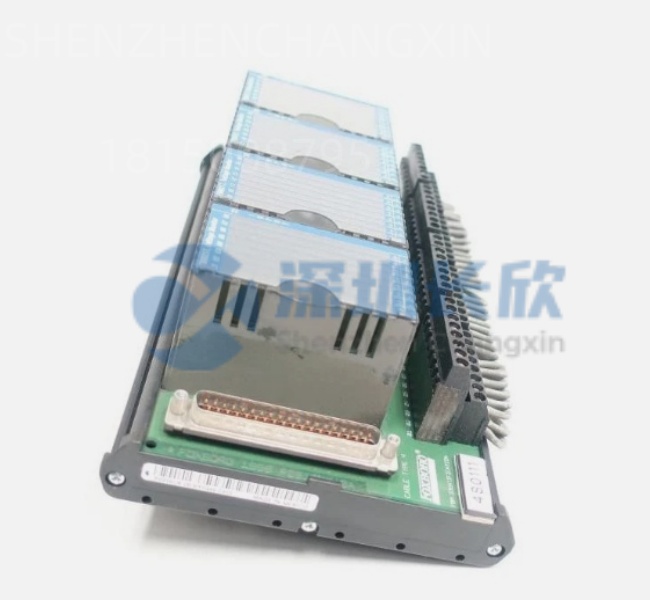
In the demanding landscape of continuous process automation—where refineries, power plants, and chemical facilities operate around the clock under stringent safety and efficiency mandates—the integrity of input/output (I/O) signals forms the bedrock of reliable control. Among the trusted components ensuring this foundational layer is the FOXBORO P0916JQ, a robust analog output module engineered for Schneider Electric’s I/A Series® distributed control system (DCS). Designed for high-density, fault-tolerant applications, the P0916JQ delivers precise 4–20 mA signal transmission to final control elements such as control valves, variable frequency drives (VFDs), and positioners—ensuring that setpoints from the controller are faithfully executed in the field. This article explores its technical specifications, redundancy capabilities, real-world deployment advantages, and why it remains a staple in some of the world’s most critical industrial infrastructures.
Precision Analog Output with Built-In Diagnostics
The P0916JQ is an 8-channel analog output module that converts digital control commands from the DCS into industry-standard 4–20 mA current loops, with optional HART communication support. Each channel is independently configurable for range (e.g., 4–20 mA, 0–20 mA) and scaling, allowing seamless integration with diverse field devices.
Key performance characteristics include:
±0.1% Full-Scale Accuracy: Ensures tight control over valve position or motor speed, minimizing process variability.
Galvanic Isolation: Each channel is isolated from the backplane and adjacent channels (≥ 500 VAC), preventing ground loops and containing faults.
Open-Circuit and Short-Circuit Detection: The module continuously monitors loop integrity, reporting wiring faults or failed transmitters to the operator console in real time.
HART Transparent Mode: Allows HART-enabled devices (e.g., smart positioners) to communicate diagnostic data over the same 4–20 mA line without interference.
This combination of precision and diagnostics transforms the P0916JQ from a passive signal converter into an intelligent node in the control network—enabling predictive maintenance and reducing unplanned downtime.
“After upgrading our boiler feedwater control loops to P0916JQ modules, we saw a 30% reduction in level oscillation,” notes a controls engineer at a combined-cycle power plant. “The tighter output accuracy let us run closer to setpoint without triggering alarms.”
Redundancy and Fault Tolerance in Critical Loops
While standalone reliability is valuable, true resilience comes from system-level redundancy. The P0916JQ supports dual-redundant I/O configuration when paired with FOXBORO’s FIM (Fieldbus Interface Module) or COM (Controller/Operator Module) chassis:
In a redundant setup, two P0916JQ modules—one active, one standby—are installed in separate I/O racks.
Both modules receive identical output commands from the redundant controllers.
If the active module fails (e.g., due to power loss or internal fault), the standby assumes control without interruption to the field device.
Failover is managed at the controller level, typically completing within < 100 ms—well within the response window of most actuators.
This architecture is essential for SIL-rated safety instrumented functions (SIFs) or regulatory-critical loops, such as reactor temperature control or flare gas recovery, where even momentary signal loss could trigger a trip or environmental release.
Seamless Integration Within the I/A Series Ecosystem
The P0916JQ is not a generic I/O card—it is a native component of the FOXBORO I/A Series platform, designed for plug-and-play compatibility with minimal engineering overhead:
Unified Configuration: Channels are configured graphically in Control Builder, with automatic assignment of engineering units, alarm limits, and fail-safe states (e.g., “output to 0 mA on fault”).
Real-Time Diagnostics: The System Management Station (SMS) displays live status for each channel—current output value, loop resistance, fault flags—enabling rapid troubleshooting.
Hot-Swappable Design: Modules can be replaced during operation without powering down the I/O rack, minimizing maintenance impact.
Long Lifecycle Support: Schneider Electric maintains firmware and hardware compatibility for over 15 years, protecting brownfield investments.
This deep ecosystem integration ensures that the P0916JQ delivers not just signal fidelity, but also operational transparency and lifecycle continuity.
Real-World Applications Across Process Industries
Oil & Gas: Crude Distillation Column Control
In a Gulf Coast refinery, P0916JQ modules drive reflux pump VFDs and reboiler steam control valves. Their stable 4–20 mA output has eliminated drift issues previously seen with older analog cards, improving product cut consistency by over 12%.
Chemical Manufacturing: pH Neutralization Systems
A specialty chemical plant uses the module to control acid/base dosing pumps in wastewater treatment. The open-circuit detection feature recently identified a corroded terminal block before pH excursions could violate EPA discharge limits.
Power Generation: Turbine Bypass Valve Positioning
During grid disturbances, precise bypass valve control is critical to protect HRSG drums. The P0916JQ’s fast update rate (< 100 ms per scan) ensures responsive pressure regulation, contributing to zero drum trips over three years of operation.
Best Practices for Optimal Performance and Longevity
To maximize the service life and reliability of the P0916JQ, experienced users recommend:
Loop Resistance Management: Ensure total loop resistance (including cable and device) stays below 600 Ω at 24 VDC to maintain full 20 mA capability.
Environmental Monitoring: Install cabinet temperature sensors; sustained operation above 60°C may require derating or forced ventilation.
Regular Diagnostic Audits: Review SMS logs monthly for “near-fault” conditions (e.g., rising loop resistance) that indicate impending failures.
Redundant Power Supplies: Always power I/O racks from dual, redundant 24 VDC sources to prevent single-point power failures.
Expert Advice: “Never ignore a ‘loop impedance high’ warning,” says a Schneider Electric DCS specialist. “It’s often the first sign of moisture ingress or terminal corrosion—fix it before it becomes an open circuit during a critical upset.”
User Feedback and Industry Endorsement
“The P0916JQ is the workhorse of our analog output strategy,” states a plant automation manager at a global petrochemical facility. “It’s boringly reliable—which is exactly what you want when controlling $2 million/hour processes.”
Users consistently praise its long-term stability, comprehensive diagnostics, and backward compatibility with legacy I/A Series installations—making it a low-risk choice for both greenfield and modernization projects.
Conclusion: The Quiet Enforcer of Process Fidelity
The FOXBORO P0916JQ may not command headlines, but in the world of process control, it plays a vital role: translating digital intent into precise physical action—reliably, safely, and consistently. By combining high-accuracy analog output, intelligent diagnostics, and seamless redundancy, it ensures that the final link in the control chain remains unbroken, even under stress. For engineers tasked with maintaining uptime, safety, and product quality in continuous operations, the P0916JQ is more than a module—it’s a guarantee of executional integrity.