Description:
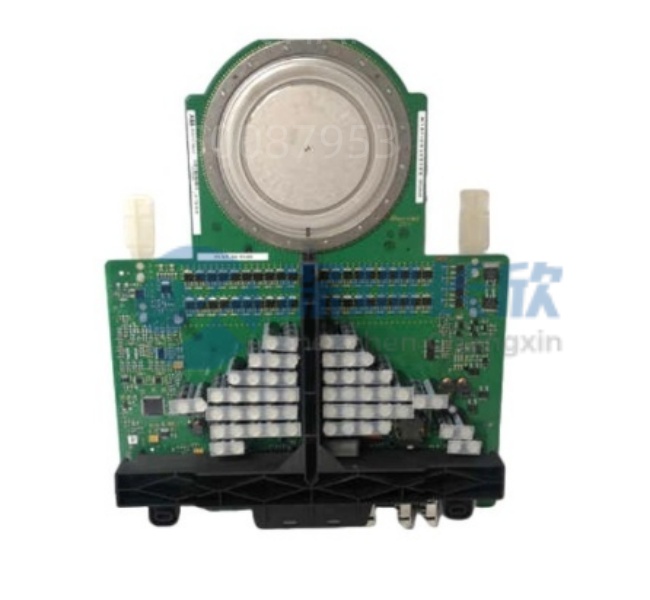
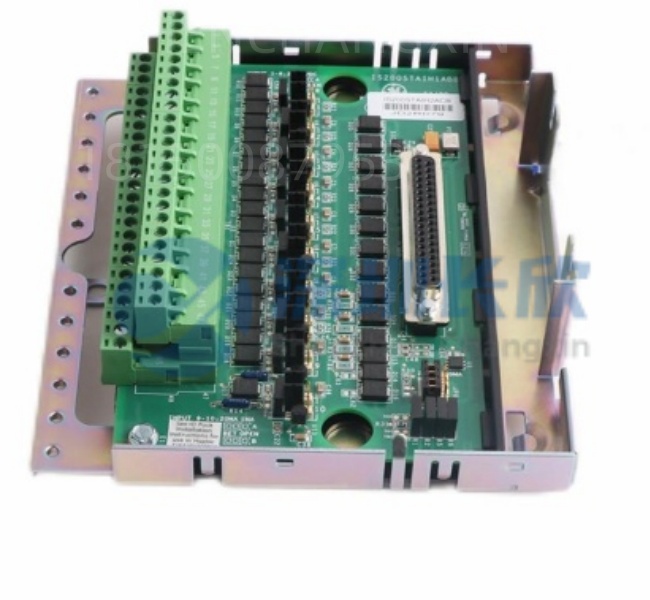
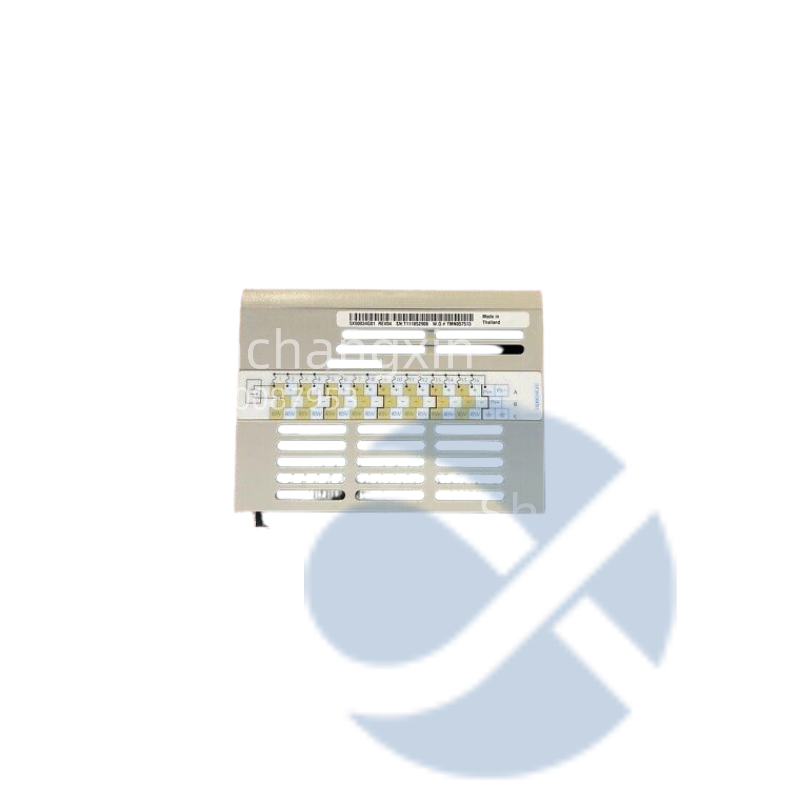
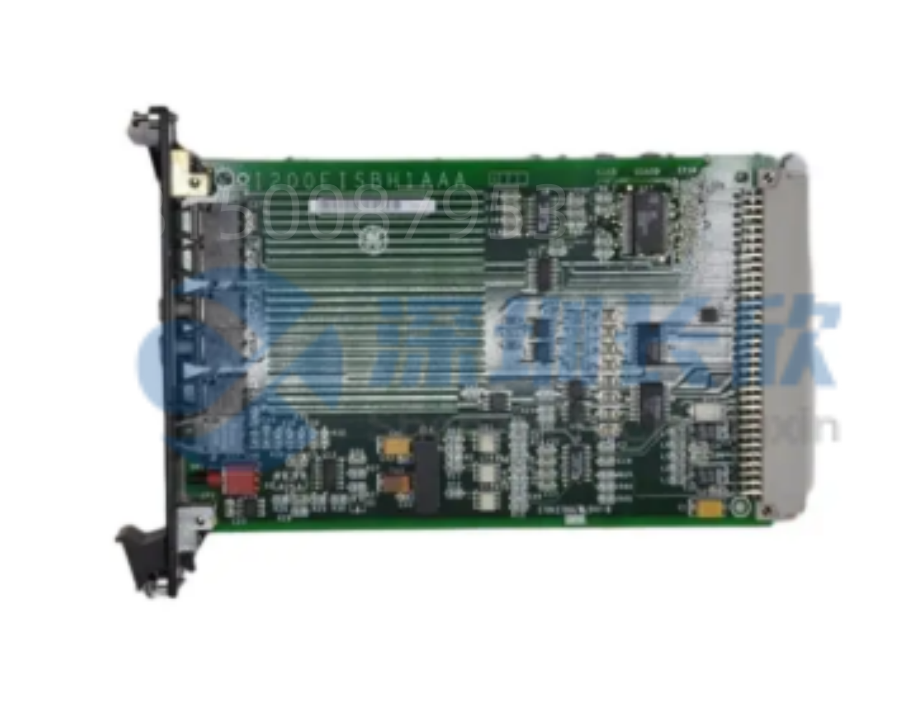
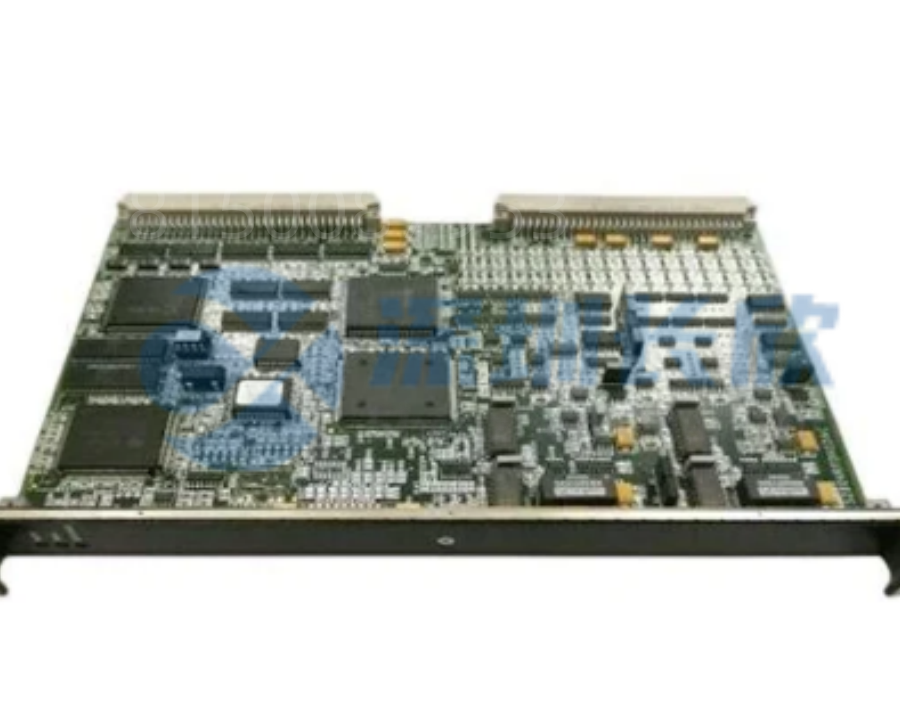
The GE IS200VTCCH1CBB is a high-precision thermocouple input terminal board (VTCC) manufactured by General Electric for its renowned Mark VI Speedtronic turbine control system. As a critical interface component, it is engineered to reliably acquire, condition, and digitize low-voltage signals from up to 24 thermocouples, translating critical metal temperatures into actionable data for the control processor. Designed with industrial ruggedness, it forms the sensory foundation for protection, efficiency, and safe operation in the world’s most demanding power generation assets.
Application Scenarios:
At a 750MW combined-cycle power plant, control engineers were plagued by intermittent, unexplained turbine exhaust temperature alarms that triggered costly, unnecessary trips. The root cause was traced to electrical noise and ground loops corrupting the microvolt-level signals from Type K thermocouples as they traveled through long cable runs to the legacy interface cards. The plant embarked on a control system upgrade, integrating the GE IS200VTCCH1CBB boards into new Mark VI racks. The IS200VTCCH1CBB’s advanced design, featuring integrated filtering, cold-junction compensation, and robust shielding, completely eliminated the signal integrity issues. For the first time, operators had access to rock-solid, drift-free temperature readings. This allowed them to safely optimize the combustion trim closer to limits, improving heat rate efficiency by 1.2% and eliminating all spurious temperature-related trips. This case underscores the IS200VTCCH1CBB’s pivotal role in solving the core industrial challenges of measurement reliability, operational safety, and asset optimization in high-value rotating machinery.
Technical Principles and Innovative Values:
Innovation Point 1: Advanced Signal Integrity Architecture. The GE IS200VTCCH1CBB is not a simple passive terminal block; it incorporates an active signal conditioning layer. Each channel features precision instrumentation amplifiers, dedicated analog-to-digital converters (ADCs), and sophisticated digital filtering algorithms. This architecture amplifies the fragile thermocouple signal (in the millivolt range) while actively rejecting common-mode noise and electromagnetic interference (EMI) prevalent in turbine halls. The result is a clean, high-fidelity digital representation of temperature, enabling control logic to make decisions with confidence, not guesswork.
Innovation Point 2: Universal Thermocouple Compatibility & Intelligent Diagnostics. A single IS200VTCCH1CBB board supports five major thermocouple types (E, J, K, S, T), eliminating the need for plant-specific variants and simplifying spare parts inventory. Beyond measurement, it performs continuous, per-channel diagnostics. It can detect open thermocouple circuits, short circuits, and signal out-of-range conditions in real-time. These diagnostics are reported directly to the control system, enabling predictive maintenance—alerting technicians to a failing sensor before it causes a process deviation or a missed protection event.
Innovation Point 3: Seamless Integration within Triple Modular Redundancy (TMR). The board is designed from the ground up for critical safety applications. It seamlessly integrates into the Mark VI’s TMR architecture, where three identical control channels operate in parallel. The IS200VTCCH1CBB ensures that temperature signals are acquired and processed identically across all three channels. This design is crucial for high-integrity protection systems, such as turbine overspeed or overtemperature trips, where voting between redundant channels is required to prevent both nuisance trips and dangerous failures.
Application Cases and Industry Value:
Case Study: Mid-Atlantic Natural Gas-Fired Power Plant. This facility was undergoing a life-extension program for its aging gas turbines. A key requirement was upgrading the temperature monitoring system to meet modern accuracy and reliability standards for emissions compliance and peak efficiency. The plant selected the GE IS200VTCCH1CBB as the new thermocouple interface standard. During the outage, technicians replaced dozens of obsolete cards with the new VTCC boards. The most significant improvement was observed in the combustion control loops. With the superior accuracy and stability of the IS200VTCCH1CBB, the advanced gas turbine controller could maintain a tighter fuel-air ratio, reducing NOx emissions by 15% and improving turndown capability. The plant manager stated, “The data quality from the IS200VTCCH1CBB boards was transformative. We’re not just meeting emissions limits; we’re operating with a margin that gives us tremendous flexibility. The investment paid for itself in avoided compliance costs within the first year.”
Related Product Combination Solutions:
A complete Mark VI thermocouple measurement loop involves several synergistic components. Essential partners for the GE IS200VTCCH1CBB include:
GE IS200TBTCH1CBB: The Thermocouple Terminal Board (TBTC) that provides the physical screw terminals for field wiring, directly connecting to the IS200VTCCH1CBB .
GE IS200DTCH1C or similar DTTC Board: An alternative terminal board style for different cabinet wiring preferences, also fully compatible with the IS200VTCCH1CBB.
GE Mark VI Controller (e.g., IS200/IS215 series CPU): The central processor that receives the digitized temperature data from the IS200VTCCH1CBB via the VME backplane to execute protection and control algorithms.
GE IS200VAICH1CBR: Analog Input Board, often used in the same rack for other process measurements (pressure, vibration), complementing the temperature data from the IS200VTCCH1CBB.
GE IS200VR0CH1BBR: Resolver Input Board, for critical speed and position feedback, working alongside temperature data for comprehensive turbine health monitoring.
GE Mark VI I/O Pack (e.g., PTCC for Mark VIe): The modern, modular I/O system that represents the evolutionary path from boards like the IS200VTCCH1CBB, used in system expansion or new builds.
GE Speedtronic System Software & HMIs: The engineering and operator interface software required to configure, calibrate, and visualize the data provided by the IS200VTCCH1CBB.
Installation, Maintenance, and Full-Cycle Support:
Installation of the GE IS200VTCCH1CBB begins with careful electrostatic discharge (ESD) handling. The board is inserted into its designated slot on the Mark VI system’s VME backplane within the control rack, secured with the appropriate guides and fasteners. Critical pre-commissioning steps include verifying the integrity of connections to the associated DTTC or TBTC terminal boards, ensuring proper shield grounding for all thermocouple cables, and confirming the rack’s power supply is stable. Configuration is performed using the GE ToolboxST or Mark VI engineering software, where thermocouple types, scaling, and alarm setpoints are defined for each channel.
Routine maintenance is primarily condition-based. Technicians should periodically review the board’s diagnostic status via the HMI, checking for any channel fault indications. The front-panel LEDs (Run, Fail, Status) provide immediate visual health checks. Physical maintenance involves ensuring the rack’s cooling airflow is unobstructed and the board is free of excessive dust. In the event of a channel failure indicated by diagnostics, the entire IS200VTCCH1CBB board is typically replaced as a unit. In simplex systems, this requires a planned outage. In TMR systems, a single channel can often be replaced online, maintaining 2-out-of-3 voting protection.
We provide comprehensive lifecycle support for the GE IS200VTCCH1CBB. From initial system design and legacy migration planning to 24/7 technical support and guaranteed supply of genuine, factory-tested spare parts, our expertise ensures your turbine control system’s integrity and longevity. We assist with obsolescence management, system health assessments, and optimization of your temperature monitoring strategies for maximum reliability and performance.