Technical Overview
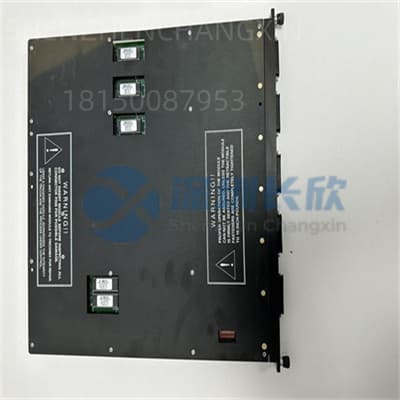
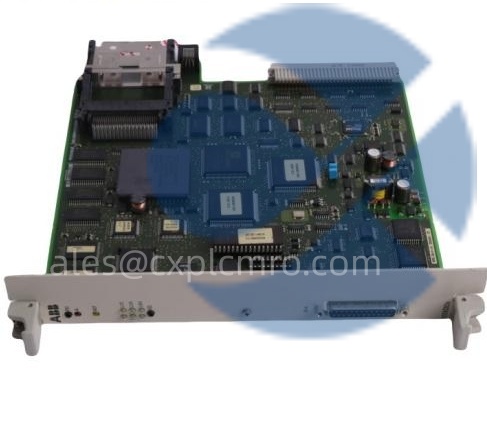
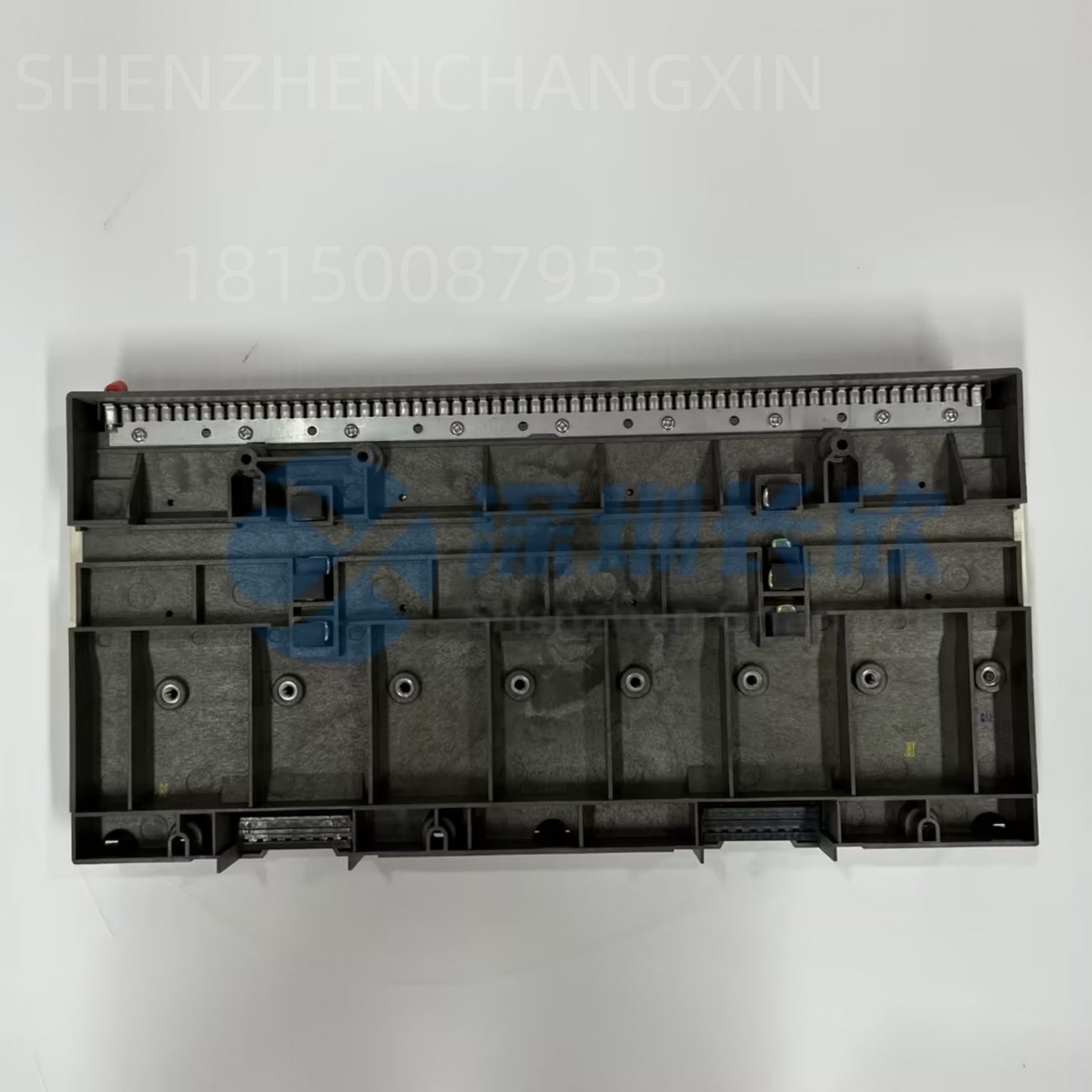
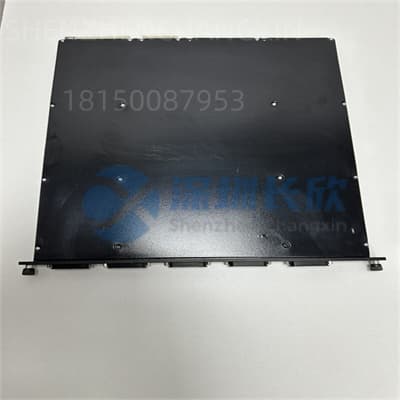
The TRICONEX 4119A is a high-integrity discrete output module designed for Schneider Electric’s Tricon and Triconex Safety Instrumented Systems (SIS), widely deployed in oil & gas, power generation, and chemical processing. Featuring 32 independent relay outputs, this module translates safety logic decisions from the triple-modular redundant (TMR) controller into physical actions—such as closing emergency isolation valves, de-energizing motor starters, or triggering alarm horns. Each output uses Form C (SPDT) electromechanical relays rated for 2 A at 30 VDC or 250 VAC, enabling direct interface with final control elements without external interposing relays. Critically, the 4119A operates within Triconex’s patented TMR architecture, ensuring that dangerous failures are masked and spurious trips are virtually eliminated—making it suitable for SIL 3 applications per IEC 61508/61511.
Certified to CE and ATEX standards, and rated for operation from –20°C to +70°C, the 4119A is engineered for deployment in Zone 2 hazardous areas and harsh industrial environments.
Real-World Application: LNG Export Facility
At a major LNG terminal, the TRICONEX 4119A modules drive solenoid valves on emergency depressurization (EDP) systems. During a full-scale ESD test, all 32 outputs on a single module activated simultaneously within 8 ms, closing isolation valves and venting pressure safely. The system recorded zero missed commands over 50+ drills. “The relays handle inductive kickback from solenoids without contact welding,” said the SIS lead. “And because it’s TMR, we’ve never had a false trip due to a stuck relay.”
Why TMR Output Matters in Safety Systems
In conventional dual-redundant systems, a single relay weld could either prevent a needed shutdown (dangerous failure) or cause an unplanned trip (spurious failure). The TRICONEX 4119A mitigates both risks through:
Triple voting: Each output command is generated by three independent processors; only if two agree is the relay energized
Built-in diagnostics: Detects welded contacts, coil failures, and open circuits during periodic self-tests
Fail-safe design: Relays default to de-energized (safe) state on loss of power or module fault
This architecture delivers diagnostic coverage >99%, a key requirement for SIL 3 compliance.
Installation & Best Practices
Mount only in Triconex-certified chassis with proper grounding (≤1 Ω to plant earth)
Use fused outputs for inductive loads (e.g., solenoids) to protect relay contacts
Keep output wiring separate from analog and communication cables to avoid crosstalk
Enable output forcing and monitoring in Enhanced Diagnostic Monitor (EDM) for maintenance testing
Replace modules only with factory-calibrated units—TMR alignment is critical
Complementary Products in Triconex Ecosystem
TRICONEX 4118A: 32-point discrete input module (pairs with 4119A for complete I/O loops)
TRICONEX 4351B: Analog output module for modulating valve control
Main Processors (MPs): Triple CPUs executing TMR logic (e.g., 3700 series)
Enhanced Diagnostic Monitor (EDM): Software for configuration, trending, and SIL validation
Communication Modules (e.g., 4511): For Modbus, OPC, or Ethernet/IP integration
Conclusion
The TRICONEX 4119A represents the gold standard in safety-critical discrete output technology. By combining robust electromechanical relays with the fault-masking power of triple-modular redundancy, it ensures that when a safety system demands action, the physical world responds—reliably, predictably, and without compromise. In industries where a single failed output can escalate into catastrophe, the 4119A is not merely a component; it is a certified assurance that safety commands will be executed exactly as intended, every time. For engineers designing or maintaining Safety Instrumented Systems, it remains an indispensable element of high-integrity process protection.