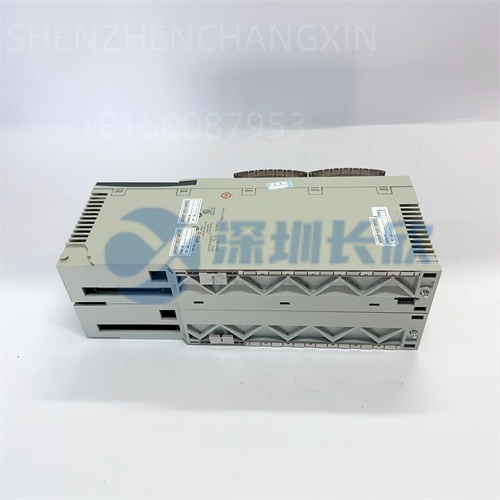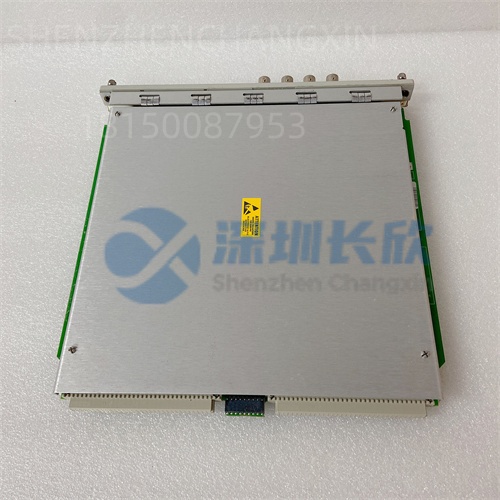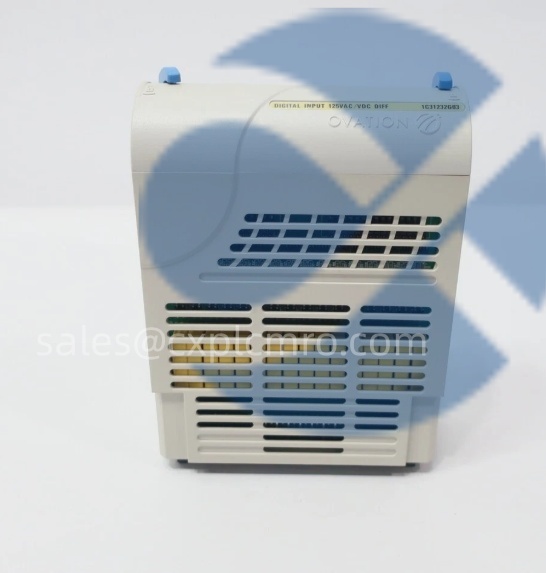
Description
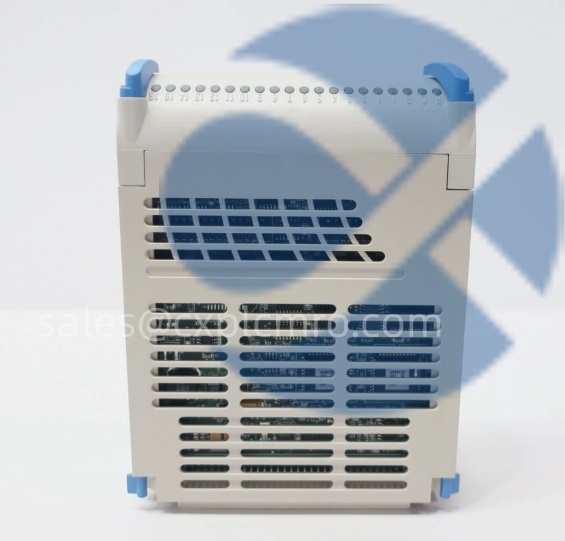
The Westinghouse 1C31238H01 is a digital I/O (Input/Output) interface module used in the Westinghouse Ovation™ Distributed Control System (DCS)—a leading automation platform widely deployed in power generation (fossil, nuclear, hydro), water/wastewater, and industrial process facilities. Specifically, this module functions as a high-density discrete output module, designed to energize or de-energize field devices such as relays, solenoid valves, motor starters, and alarm annunciators with high reliability and electrical isolation.
As part of the Ovation I/O family, the 1C31238H01 integrates seamlessly into the system’s redundant architecture, supports hot-swap capability, and provides real-time diagnostics—ensuring safe, deterministic control in safety-critical applications where failure is not an option.
Note: Westinghouse’s automation division was acquired by Emerson Electric Co. in 2004. The Ovation platform is now marketed and supported by Emerson, though legacy part numbers like 1C31238H01 remain in active use worldwide.
Application Scenarios
At a U.S. nuclear power plant undergoing digital I&C modernization, engineers replaced obsolete relay panels with the Ovation DCS, using the 1C31238H01 to drive critical safety-related solenoid valves in the emergency core cooling system (ECCS). The module’s dual-redundant output paths, fail-safe design, and SIL 3 compliance (per IEC 61508) ensured that even in the event of a single-channel fault, actuation signals would still reach the valves. During a surveillance test simulating a loss-of-coolant accident (LOCA), all 1C31238H01 outputs responded within 10 ms—well below the 100 ms requirement. Regulators approved the design, citing the module’s proven reliability in over 200 global nuclear sites. This underscores how the 1C31238H01 bridges legacy safety philosophy with modern digital control.
Technical Principles and Innovative Values
Innovation Point 1: Fail-Safe by Design for Nuclear Applications
The 1C31238H01 uses de-energize-to-trip logic by default—meaning a loss of power or communication results in a safe state (e.g., valve closure). This aligns with nuclear regulatory requirements for passive safety.
Innovation Point 2: Seamless Redundancy with Zero Bump Transfer
In redundant mode, two 1C31238H01 modules operate in sync. If the primary fails, the backup assumes control instantly—no process interruption, no reinitialization.
Innovation Point 3: Integrated Diagnostics for Predictive Maintenance
Each output channel reports load current, short-circuit status, and open-wire faults to the Ovation workstation, enabling maintenance before failures occur.
Innovation Point 4: Cyber-Hardened Legacy Architecture
Though designed in the 1990s–2000s, the 1C31238H01 operates on a physically isolated I/O bus, making it inherently resistant to network-based cyber threats—a key reason it remains in nuclear service today.