
Product Overview
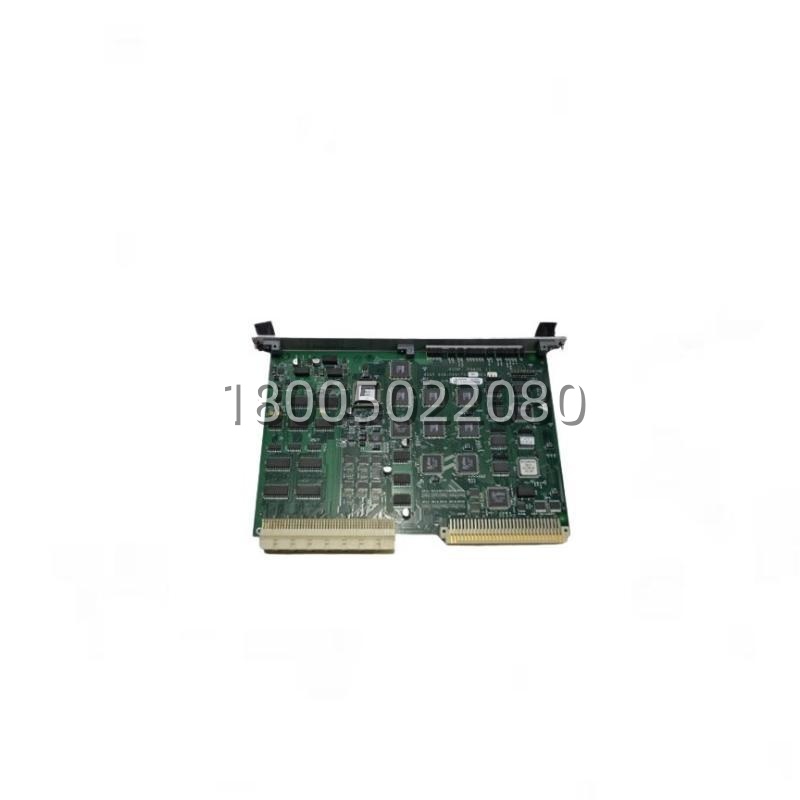
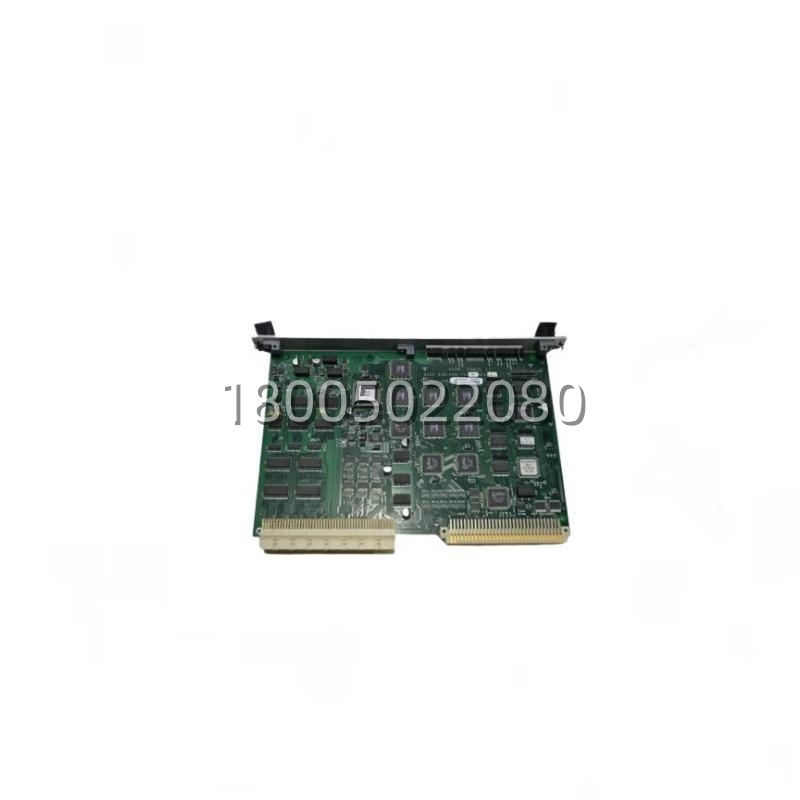
The Allen-Bradley 810-099175-103 is a specialized Local Adapter Module (LAM) known as a Voice I/O Processor (VIOP) board, a proprietary communication interface card designed for the legacy Allen-Bradley PLC-5 programmable logic controller family. This module served a unique and advanced function for its era: enabling the PLC-5 controller to directly interface with and process audio (voice) signals as part of an industrial control or monitoring system. The Allen-Bradley 810-099175-103 LAM VIOP Board acted as a sophisticated peripheral, installed in a dedicated slot within the PLC-5 chassis, where it converted analog voice signals into digital data that the PLC’s processor could interpret, and vice versa. This allowed the automation system to incorporate voice-based commands, alerts, and data, bridging the gap between human operators and the machine control logic in a novel way.The core architecture of the PLC-5 system utilized scanner and adapter modules to create distributed I/O networks. The 810-099175-103 functioned as an intelligent adapter on such a network, but instead of handling standard discrete or analog I/O points, it was dedicated to voice channel management. It likely incorporated digital signal processing (DSP) hardware to handle the audio compression, filtering, and conversion tasks. The module would have been configured and its operation integrated into the PLC-5’s ladder logic program, allowing the controller to trigger pre-recorded voice messages, respond to spoken commands, or even perform basic voice recognition for operator input. The value of the Allen-Bradley 810-099175-103 in its time was in creating more interactive and intuitive human-machine interfaces (HMIs) for complex or safety-critical environments where hands-free operation or immediate auditory alerts were beneficial. It represented a specialized solution for applications where integrating voice directly into the control layer, rather than as a separate system, provided operational advantages. Today, it stands as a legacy component critical for maintaining and supporting older PLC-5 systems that implemented this distinctive functionality.
Technical Specifications
| Parameter Name | Parameter Value |
|---|---|
| Product Model | 810-099175-103 |
| Manufacturer | Allen-Bradley (Rockwell Automation) |
| Product Type | Local Adapter Module (LAM) / Voice I/O Processor (VIOP) |
| Compatible Controller | Allen-Bradley PLC-5 Family |
| Primary Function | Voice Signal Input/Output Interface |
| Form Factor | PLC-5 I/O Module (1771 series form factor) |
| I/O Network | Likely interfaces via 1771 I/O rack backplane |
| Voice Channels | Specific number of channels dependent on design (e.g., 1 or 2) |
| Audio Interface | Likely includes analog audio input/output connectors (e.g., RJ11, terminal block) |
| Signal Processing | Contains dedicated DSP hardware |
| Communication with CPU | Via PLC-5 rack backplane and scanner/adapter protocol |
| Configuration | Configured via PLC-5 programming software (e.g., RSLogix 5) |
| Power Requirement | Powered from 1771 rack backplane (5V/24V DC) |
| Operating Temperature | Industrial range: 0-60°C typical |
| Status Indicators | LEDs for power, communication, and channel activity |
Main Features and Advantages
The Allen-Bradley 810-099175-103 offered a niche set of features that enabled direct voice integration into industrial control logic. Its primary feature was the ability to digitize and process analog voice signals in real-time, allowing the PLC-5 to “hear” and “speak.” This included capabilities for audio playback, where the PLC could trigger the module to output pre-recorded voice messages or alarms through a connected speaker or PA system directly from the control program. This provided immediate, localized auditory feedback for machine status, warnings, or instructions on the factory floor. Conversely, the module could accept voice input, potentially supporting simple voice command recognition, allowing operators to issue verbal commands (like “Start Line,” “Emergency Stop”) that the PLC could act upon, enabling hands-free control.


