Description
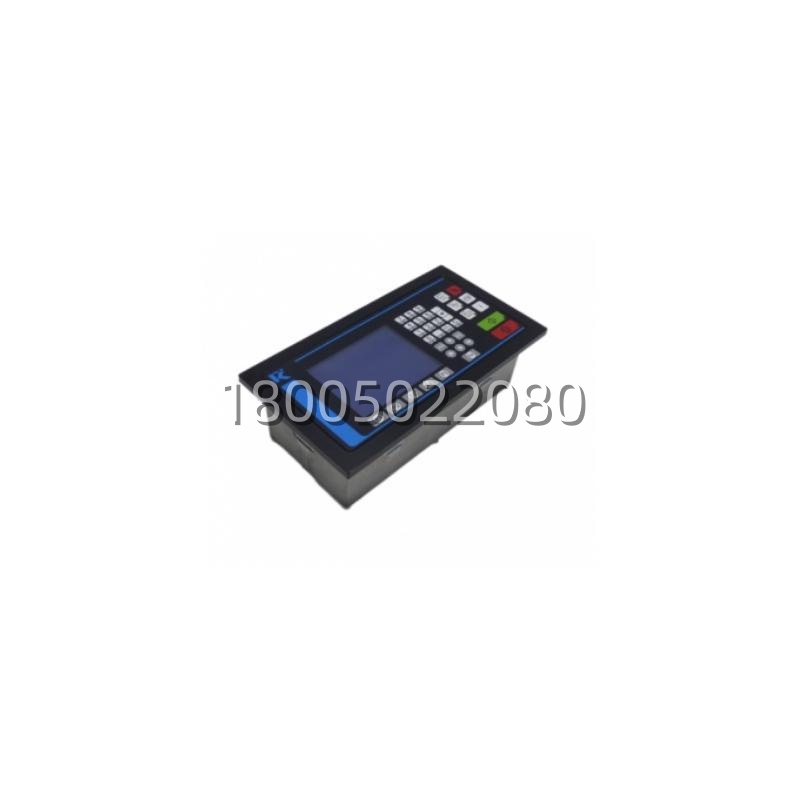
The KSL 2401‑30056 is a 24‑inch industrial LCD monitor from the KSL series, designed for use with K‑TRON loss‑in‑weight feeding systems and batch配料控制 applications. This Full HD display module serves as the primary human‑machine interface for K‑TRON controllers such as the K4G series, providing operators with clear visualization of process parameters, alarm status, and feeding system performance. Engineered for 24/7 industrial operation, the 2401‑30056 replaces standard commercial displays that often fail in demanding plant environments.
Application Scenarios
In a plastics compounding plant, a K‑TRON loss‑in‑weight feeder system displayed intermittent flickering and color distortion on its aging monitor, making it difficult for operators to read real‑throughput rates during critical recipe changes. The plant maintenance team replaced the failing unit with a KSL 2401‑30056, restoring crisp Full HD visibility with 178° viewing angles that allowed multiple operators to monitor feeder performance from different positions around the control cabinet. The monitor’s wide operating temperature range (-10°C to 50°C) proved particularly valuable in the non‑climate‑controlled blending area, where summer temperatures frequently exceeded 40°C. Whether deployed in polymer compounding, pharmaceutical granulation, or food ingredient batching, the 2401‑30056 delivers the visual reliability required for precise process control.
Parameters
| Main Parameters | Value/Description |
|---|---|
| Product Model | KSL 2401‑30056 |
| Manufacturer | KSL / K‑TRON (Coperion) |
| Product Category | Industrial LCD Monitor / HMI Display |
| Screen Size | 24 inches |
| Resolution | 1920 × 1080 (Full HD, 16:9) |
| Panel Type | IPS (LED backlight) |
| Brightness | 300 cd/m² |
| Contrast Ratio | 1000:1 |
| Response Time | 5 ms |
| Viewing Angle | 178° (H) / 178° (V) |
| Video Inputs | HDMI, DVI, VGA |
| Power Consumption | 30‑50 W |
| Operating Temperature | ‑10°C to +50°C |
| Mounting | VESA 100×100 mm |
| Weight | Approx. 5‑6 kg |
Technical Principles and Innovative Values
Innovation Point 1: Industrial‑Grade Durability Beyond Commercial Displays
The 2401‑30056 employs IPS panel technology with LED backlighting, delivering consistent color accuracy and brightness across a wide 178° viewing angle. Unlike consumer monitors that suffer from color shift when viewed from the side—common in control rooms with multiple workstations—this industrial display ensures legibility from any position. The ‑10°C to 50°C operating range makes it suitable for environments where commercial displays would fail due to cold startup issues or heat‑induced component degradation.
Innovation Point 2: Universal Connectivity for Legacy and Modern Systems
Equipped with VGA, DVI, and HDMI inputs, the KSL 2401‑30056 interfaces with both legacy K‑TRON controllers (via VGA) and modern industrial PCs (via HDMI/DVI). This versatility eliminates the need for expensive signal converters when upgrading display systems, reducing integration costs and downtime.
Innovation Point 3: K‑TRON Ecosystem Compatibility
As a KSL series component, the 2401‑30056 is specifically engineered for K‑TRON feeding system architectures, including the K4G controller family. The display’s firmware and signal timing are optimized for direct replacement of original K‑TRON operator panels, ensuring plug‑and‑play compatibility without complex configuration.
Application Cases and Industry Value
Case Study: Compounding Line Display Upgrade (2025)
A masterbatch production facility operating five K‑TRON loss‑in‑weight feeders experienced progressive display failure on two monitors, with backlight dimming and intermittent signal dropout causing operator errors in setting feeder rates. The facility sourced KSL 2401‑30056 replacements and completed the swap during a scheduled 4‑hour maintenance window. The new displays restored full visibility of feeder throughput, alarm logs, and recipe parameters. Operators reported reduced eye strain and faster response to process deviations. Six months post‑installation, no display‑related issues had been recorded, eliminating the monthly recalibration previously required for the aging commercial monitors.