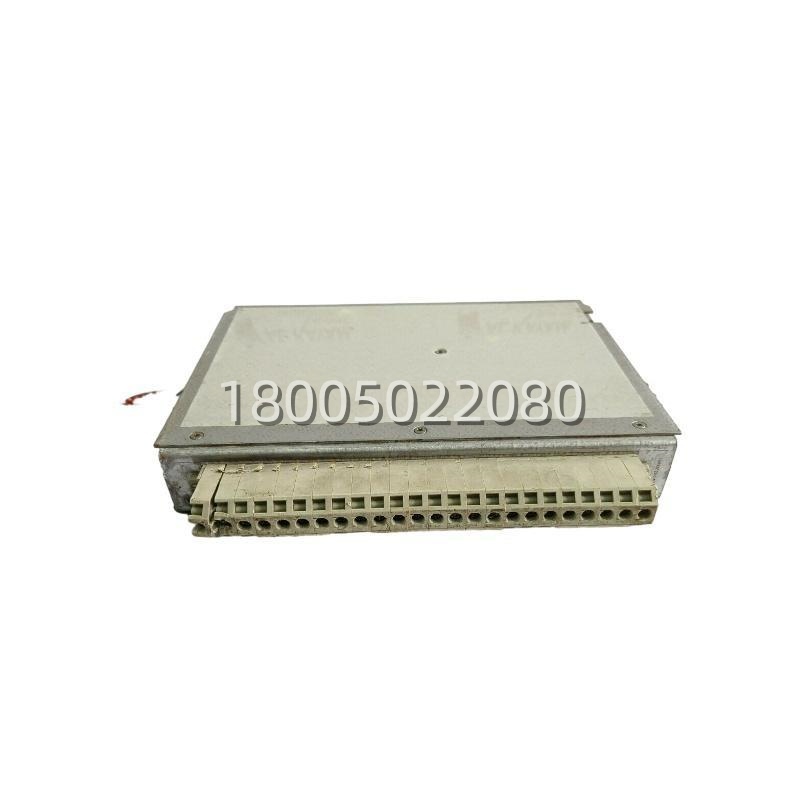
Description:
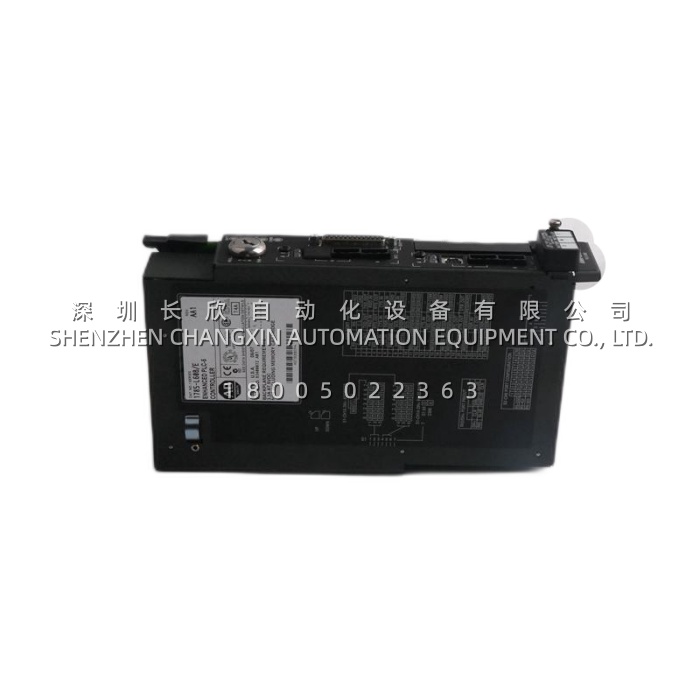
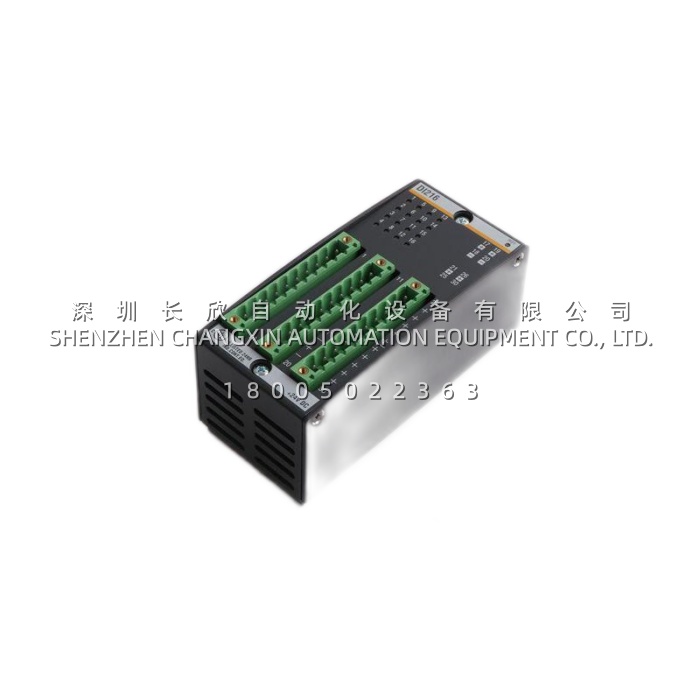
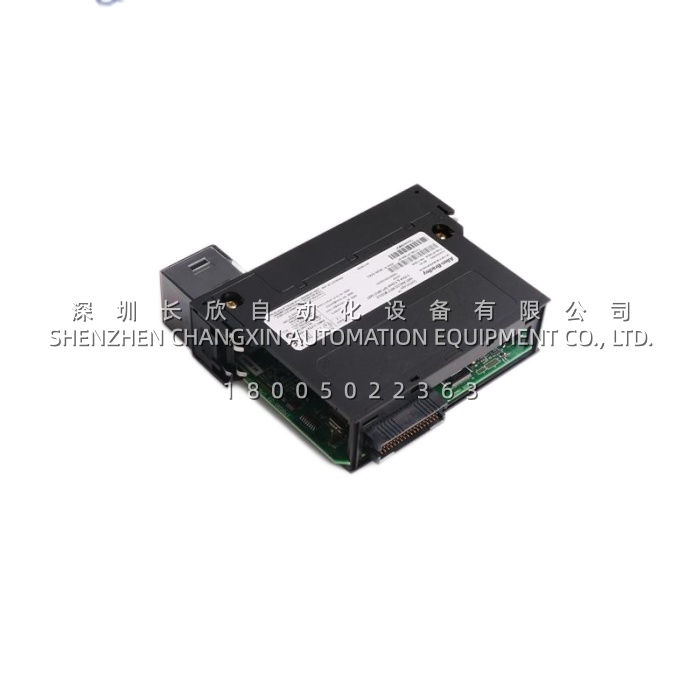
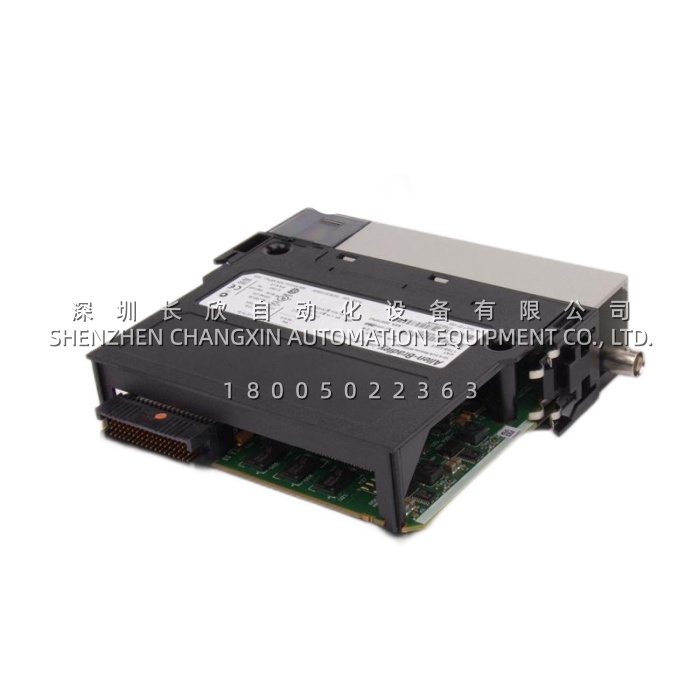
The ABB 1MRK002247-AGR05, also identified as the AGR05 Processor & Communication Module (PCM), is a core control board designed for ABB 670-series protection and control terminals (RED670, REC670, REL670, etc.). It houses the main CPU, RAM/Flash memory, dual Ethernet ports, serial communication interfaces, and protocol stacks (IEC 61850, IEC 60870-5-103/104, DNP3, Modbus RTU/TCP), serving as the central intelligence and substation communication gateway for the relay rack.
Application Scenarios:
A regional transmission utility operating a 400 kV substation experienced a boot failure on one bay’s RED670 terminal after a lightning-induced surge on the station service supply damaged the AGR-type processor board — the ABB 1MRK002247-AGR05. The protection elements themselves (current/voltage inputs on separate AIN boards) were intact, but the terminal could no longer communicate with the SCADA or execute the application logic. The relay engineer powered down the rack, extracted the faulty AGR05 board, inserted a pre-loaded replacement 1MRK002247-AGR05 with the same firmware version and configuration file (pre-staged via PCM-Card or laptop), reseated it, and rebooted. Within minutes the RED670 was back online — all IEC 61850GOOSE subscriptions re-established and the bay returned to full protection and control service. This case highlights the critical role of the 1MRK002247-AGR05 as the “brain and voice” of the 670-series IED, and why having a compatible spare (with matching firmware) is essential for rapid recovery in substation automation.
Parameter:
| Main Parameters | Value/Description |
|---|---|
| Product Model | 1MRK002247-AGR05 (AGR05 Processor & Communication Module / PCM) |
| Manufacturer | ABB |
| Product Category | Processor / Communication Board (PCM) for 670 Series Protection & Control Terminals |
| Compatible System | ABB RED670, REC670, REL670, RET670, REM670 (670-series rack-mount IEDs) |
| CPU | 32-bit / RISC processor with onboard SDRAM & Flash (capacity per firmware revision) |
| Communication Ports | 2 × 10/100 Mbps Ethernet (RJ-45, IEC 61850, Modbus TCP), 1 × RS-232/485 Service Port, 1 × Front USB/mini-D (config/download) |
| Supported Protocols | IEC 61850 Ed.1 & Ed.2 (GOOSE, MMS), IEC 60870-5-103, IEC 60870-5-104, DNP3 (serial & TCP), Modbus RTU & TCP |
| Memory | Non-volatile Flash for application & config; battery-backed or super-cap SRAM for event/oscillography buffers (per rack PSU) |
| Supply Voltage | 24 V DC / 48 V DC / 110 V DC or 230 V AC (via rack power supply module — board draws from backplane) |
| Status Indication | RUN, ERR, COM1, COM2 LEDs on front face |
| Operating Temperature | -25 °C to +55 °C (IEC 60255-6 class) |
| Storage Temperature | -40 °C to +85 °C |
| Humidity | 5 %–95 % RH, non-condensing |
| Mounting Method | Insert into dedicated PCM slot of 670-series rack backplane, secured by fixing screw/latch |
| Protection Class | IP20 (for enclosed cubicle installation) |
| Dimensions (approx.) | 233 × 115 × 22 mm (L × W × H, PWA only) |
| Weight (approx.) | 0.25–0.35 kg |
Technical Principles and Innovative Values:
- Innovation Point 1 — Integrated CPU + Dual-Stack Communication Engine. The ABB 1MRK002247-AGR05 combines a high-performance processor with dual independent Ethernet MACs and a full protocol stack suite. This allows simultaneous connection to process bus (IEC 61850 GOOSE/MMS) and station bus / SCADA (IEC 60870-5-104or DNP3) without external protocol converters — reducing bay-level complexity and single points of failure.
- Innovation Point 2 — Seamless Firmware & Configuration Management. Application logic, setting groups, and GOOSE definitions reside in the AGR05’s Flash memory and can be backed up to a PCM-Card or PC. Swapping a failed 1MRK002247-AGR05 involves loading the saved configuration via PACiS/PCM Tool or inserting a pre-programmed replacement — the board auto-boots into the application, preserving all IED identity (IP, station name, dataset bindings).
- Innovation Point 3 — Time Synchronization & High-Resolution Event Stamping. The AGR05 supports IRIG-B, SNTP, and PTP (IEEE 1588) time synchronization via Ethernet or dedicated B-code input on the rack, ensuring µs-accurate time-stamping of disturbance records, sequence-of-events (SOE), and oscillography — critical for post-fault analysis in transmission networks.