Product Overview
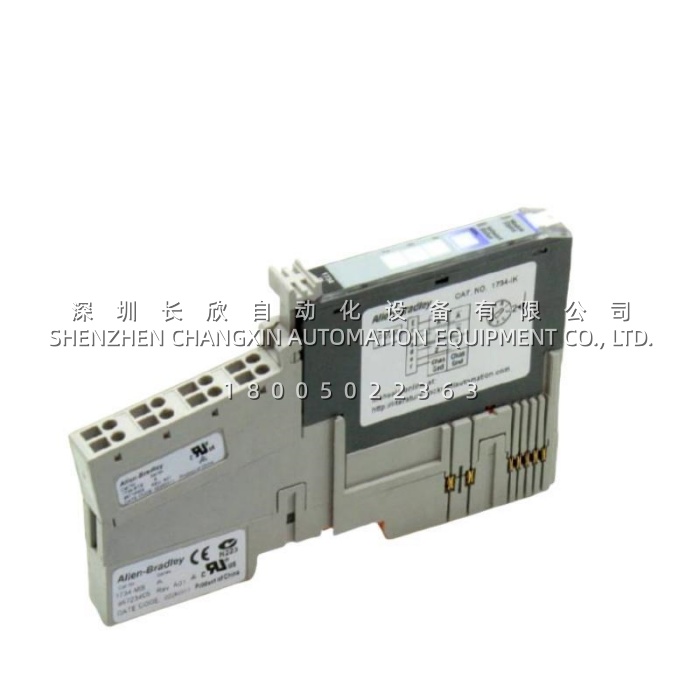
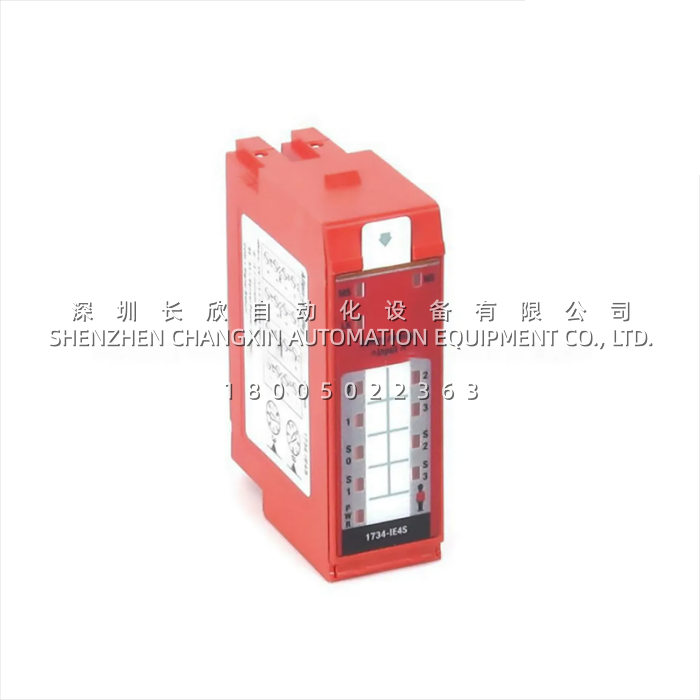
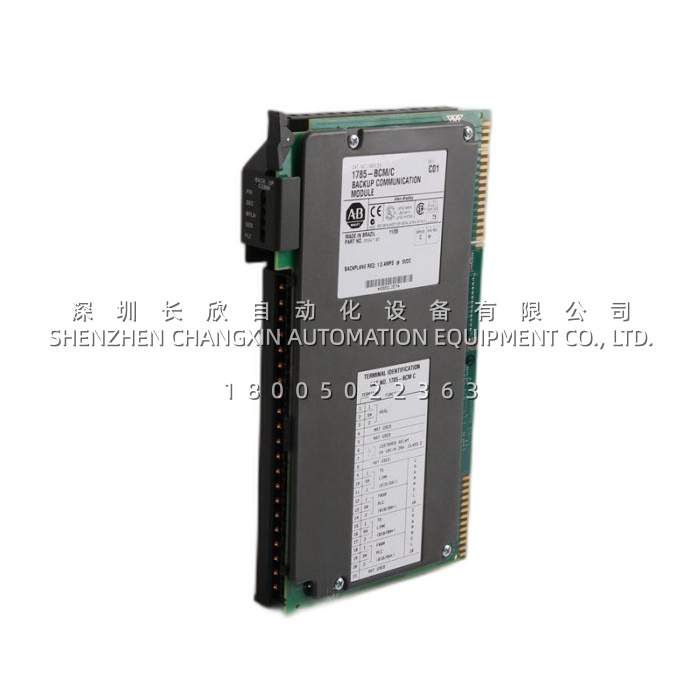
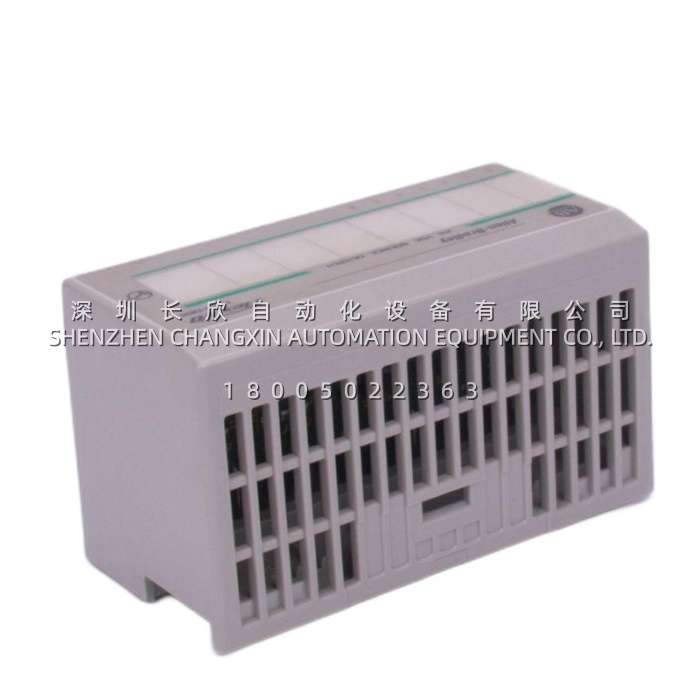
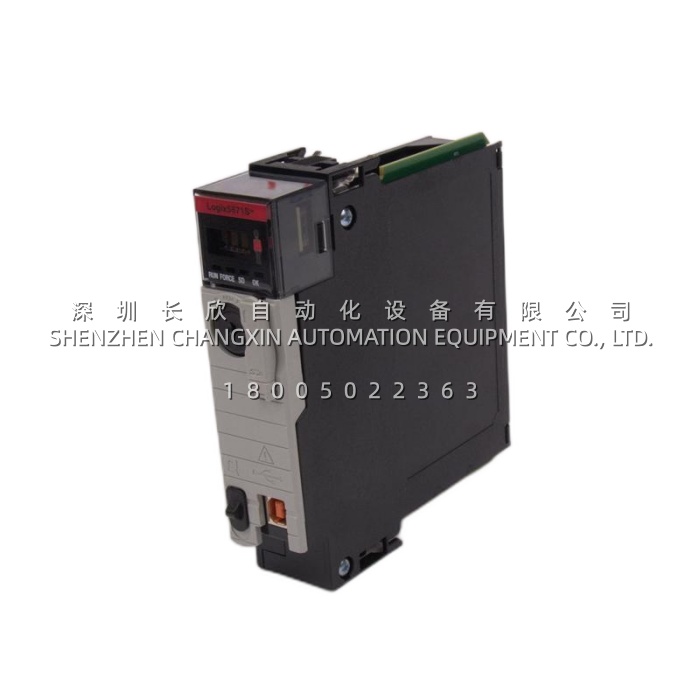
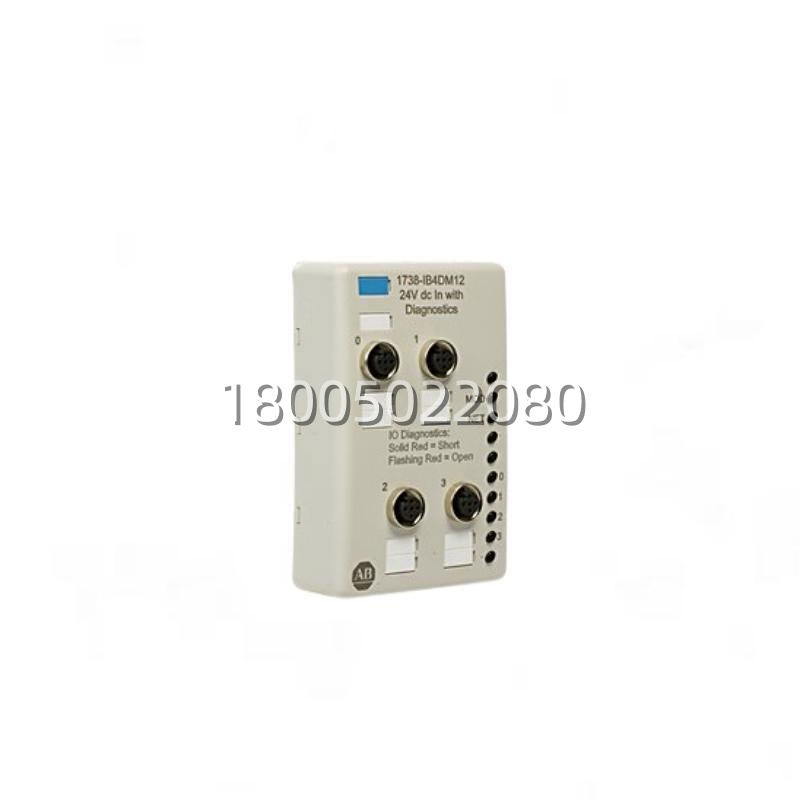
The Allen-Bradley 1738-IE4CM12/A is a compact, robust, and sealed 4-channel analog input module belonging to the Allen-Bradley ArmorPoint® and ArmorBlock® I/O family, designed explicitly for direct, on-machine installation in harsh industrial environments. This module represents a paradigm shift from traditional panel-mounted I/O by eliminating the need for a protective enclosure; its hardened design allows it to be mounted directly on machinery, conveyors, or in process areas where it is exposed to dust, moisture, washdown, and physical impact. The core function of the Allen-Bradley 1738-IE4CM12/A is to interface with analog field sensors, such as 4-20 mA or 0-10 VDC transmitters, and digitize their signals for use by a programmable controller. It provides four independently configurable input channels, each capable of accepting industry-standard analog signals, converting the electrical current or voltage into a high-resolution digital value that is transmitted over an industrial network.As a member of the distributed I/O portfolio, the 1738-IE4CM12/A operates as a network node, typically communicating via EtherNet/IP or DeviceNet through an integrated communication port. Its most distinctive feature is the use of robust, industry-standard M12 circular connectors for both field device wiring and network/power connectivity, ensuring a secure, sealed connection that meets an IP67 rating. This means the module is dust-tight and can withstand temporary immersion, making it ideal for food and beverage processing, packaging, material handling, and other applications requiring frequent washdowns. The Allen-Bradley 1738-IE4CM12/A embodies the “IO-Link-ready” concept of placing intelligence and I/O conversion as close to the sensor as possible. This reduces installation cost by minimizing long, sensitive analog wire runs back to a central cabinet, decreases points of failure, and simplifies machine design and maintenance. For machine builders and system integrators, it provides a flexible, scalable way to add reliable analog sensing points directly where they are needed, contributing to cleaner, more modular machine designs.