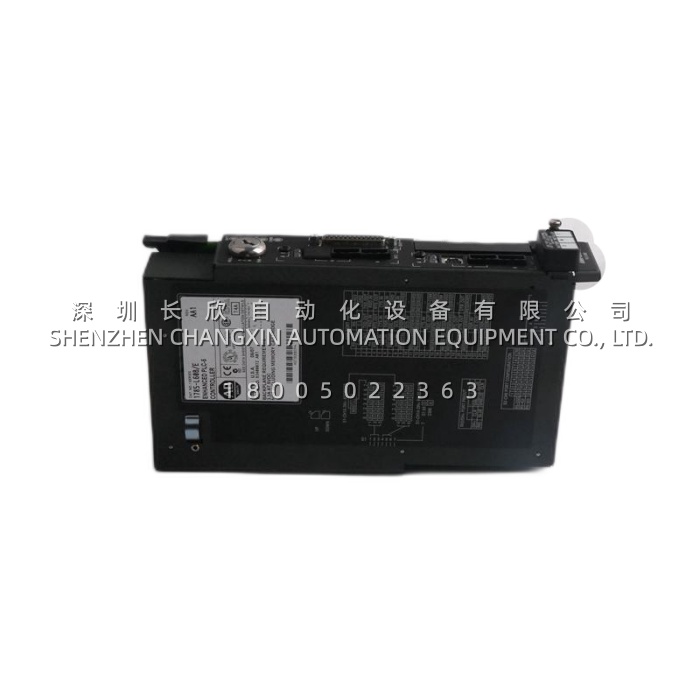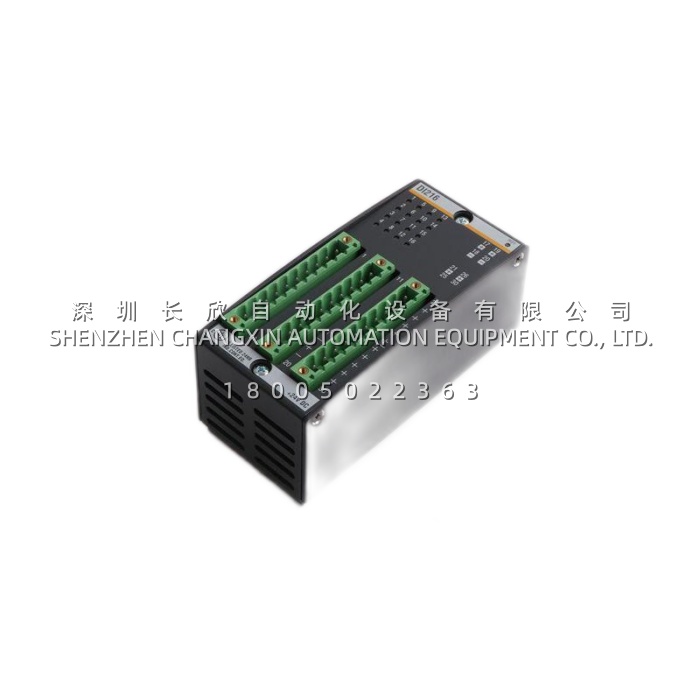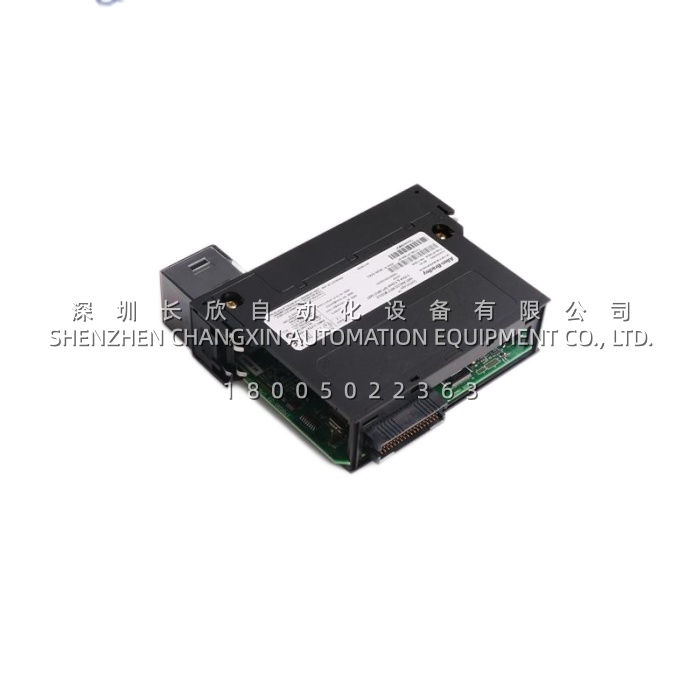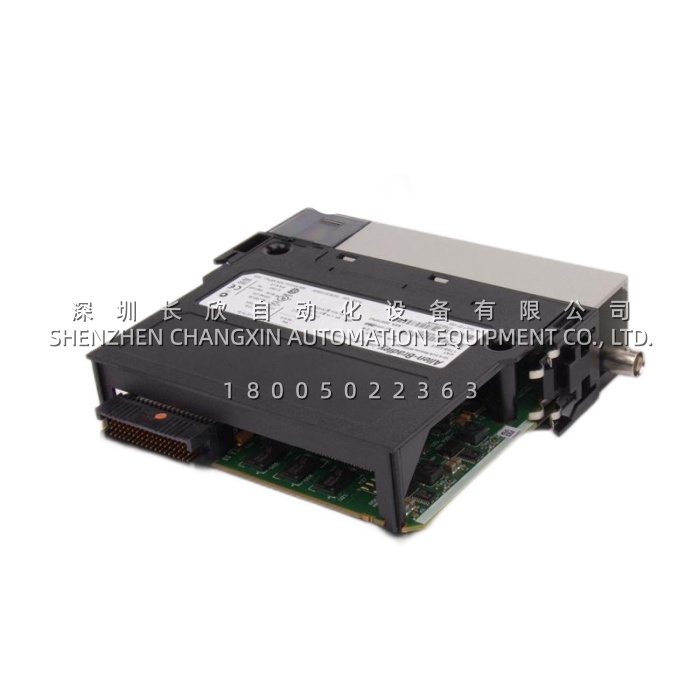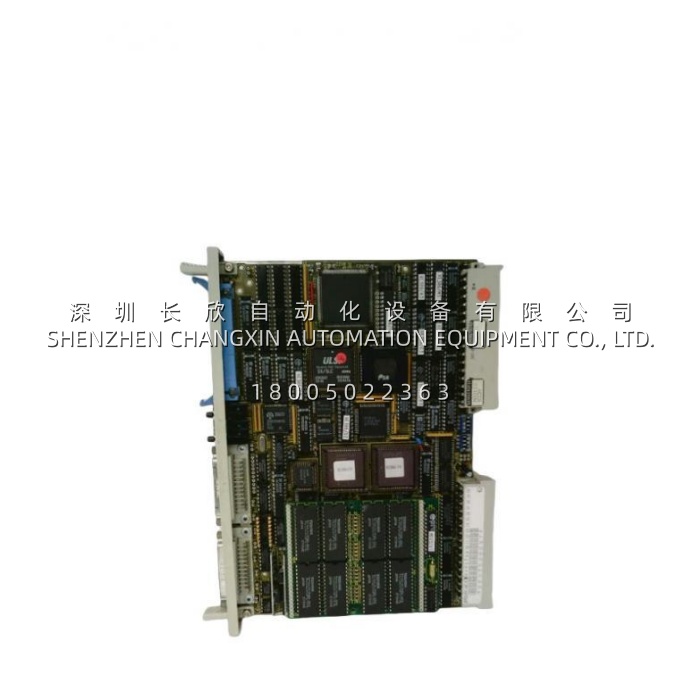
Product Overview
The Siemens 6AA6504-0AA is the main CPU module for Siemens Building Technologies’ Cerberus PRO FC2060 and FC2070 modular fire indicator panels, manufactured at Siemens BT facilities (primarily Switzerland / Germany lines). In the Cerberus PRO architecture, the 6AA6504-0AA acts as the panel “brain” — it hosts the detection-loop protocol handler (FDnet/C-NET), the event log and filtering logic, the C-NET peer networking stack (so multiple panels share events across a Cerberus PRO LAN), and the local user-interface supervision (LCD, keys, LEDs on the panel fascia, plus remote annunciator bus). The FC2060 chassis with a 6AA6504-0AA CPU supports up to 2 detector loops and 252 addresses out of the box; the FC2070 chassis stretches to 4 loops and 504 addresses, still running the same 6AA6504-0AA processor — the loop-count difference comes from how many 6AA65xx loop-expansion cards are slotted alongside the CPU in the DIN row, not from a different CPU SKU.The 6AA6504-0AA is positioned for mid-size commercial fire systems: office towers, hospitals, data-centre floor plates, airports, logistics hubs — anywhere the detector count lands between a compact all-in-one panel (FC2020) and a large-scale networked system (FC2080 / FX-series). The module itself is a plug-in PCB that seats into the FC-series base enclosure’s DIN row, 24 V DC powered from the panel’s PSU (the 6AA6504-0AA itself doesn’t carry the 230 V AC mains — that lives on the PSU module in the same enclosure). Communication off-board: C-NET (Cerberus PRO LAN, RS485-based, daisy-chain up to 32 nodes per segment), plus an RS232 service port for laptop commissioning and an RS485 for remote annunciator / printer. Optional Ethernet (via a sister comms card) can sit on the C-NET backbone for integration into Desigo CC or third-party BMS via BACnet/OPC gateways.For MRO and service contractors, the 6AA6504-0AA is the single most critical spare on a Cerberus PRO FC2060/2070 site — if the CPU dies, the panel goes dark (no detection, no EVAC trigger, no remote annunciator). Siemens BT still supports the FC-series, but lead times on single 6AA6504-0AA units from distribution can stretch when a regional stock runs dry, so many fire-safety contractors keep at least one 6AA6504-0AA per site family (FC2060 vs FC2070 share the same CPU, which is a nice sparing bonus).
Technical Specifications
| Parameter Name | Parameter Value |
|---|---|
| Product Model | 6AA6504-0AA |
| Manufacturer | Siemens (Building Technologies / Cerberus PRO) |
| Product Type | Fire Indicator Panel CPU Module (FC2060 / FC2070) |
| Compatible Panels | Cerberus PRO FC2060 (2-loop), FC2070 (4-loop) |
| Address Capacity | 252 addresses (FC2060 base) / 504 addresses (FC2070 with loop expansion) |
| Detection Loop Protocol | FDnet/C-NET (Siemens Cerberus detector loop) |
| Networking | C-NET LAN (RS485, up to 32 panels/peripherals per segment), optional Ethernet via companion card |
| Local Interfaces | LCD + keypad (via panel fascia), LED zone indicators, buzzer driver |
| Service Port | RS232 (laptop commissioning, Siemens Cerberus Engineering Tool) |
| Remote Annunciator | RS485 (OOH650 / OOH960 series) |
| Power Supply | 24 V DC (fed from panel PSU module in same enclosure) |
| Operating Temp | -5 °C … +40 °C (panel-cabinet environment) |
| Storage Temp | -20 °C … +60 °C |
| Humidity | 5% … 95% RH non-condensing |
| Compliance | EN 54-2, EN 54-4 (fire panel standards) |
| Mounting | Plug-in to FC-series base enclosure DIN row (with loop/expansion cards) |
| Dimensions (module PCB) | Approx. 100 × 160 mm (typical for FC CPU board) |
| Weight | ~0.25 kg |
Main Features and Advantages
The 6AA6504-0AA earns its place by being the shared CPU across FC2060 and FC2070, which simplifies sparing — a contractor running five FC2060s and two FC2070s on the same campus only needs one 6AA6504-0AA SKU on the van, because loop count is handled by the expansion cards, not the processor. That’s deliberate Siemens BT design: the 6AA6504-0AA runs the same firmware image on both chassis, and the BOM divergence is loop-card quantity + enclosure size, not CPU swap.Second advantage is C-NET peer networking baked in. The 6AA6504-0AA natively speaks C-NET, so two FC2060s in a split-building layout (say north/south wings of a hospital) can share detector events, fire-alarm broadcasts, and fault statuses across a single RS485 daisy chain without an external gateway. Up to 32 6AA6504-0AA-hosted panels can sit on one C-NET segment, and the CPU handles the token passing + event prioritisation (fire > fault > disable > test) so the operator at any panel sees the whole site’s status. For sites migrating to Desigo CC, the 6AA6504-0AA C-NET backbone plugs into a BACnet gateway and the fire events land in the BMS without ripping the panels out.Third, the 6AA6504-0AA separates concerns: detection-loop driving is offloaded to the 6AA65xx loop cards (one per FDnet pair), so the CPU spends its cycles on event logic, zone grouping, delay timers, and EVAC-stage sequencing — not on bit-banging detector SDCI. That separation means a loop-card fault doesn’t crash the CPU, and vice versa. For service techs, that granularity helps diagnostics: if the 6AA6504-0AA RS232 port still answers the engineering tool but a loop shows “open line,” the fault is the loop card or the FDnet wiring, not the CPU — saves a truck roll with the wrong spare.Fourth, the 6AA6504-0AA is EN 54-2 / EN 54-4 compliant, which matters for spec-driven projects where the fire panel has to carry the CE + EN 54 cert. The CPU firmware enforces the EN 54 mandatory behaviours — delayed EVAC stage 1→2, fault vs fire distinction, disable/enable per zone, walk-test mode, event log retention through power loss (supercap/backup-battery backed on the PSU side, but the 6AA6504-0AA commits log entries to non-volatile before the PSU drops). That’s not glamorous but it’s why a generic PLC can’t substitute for a 6AA6504-0AA in a certified fire panel.