Description:
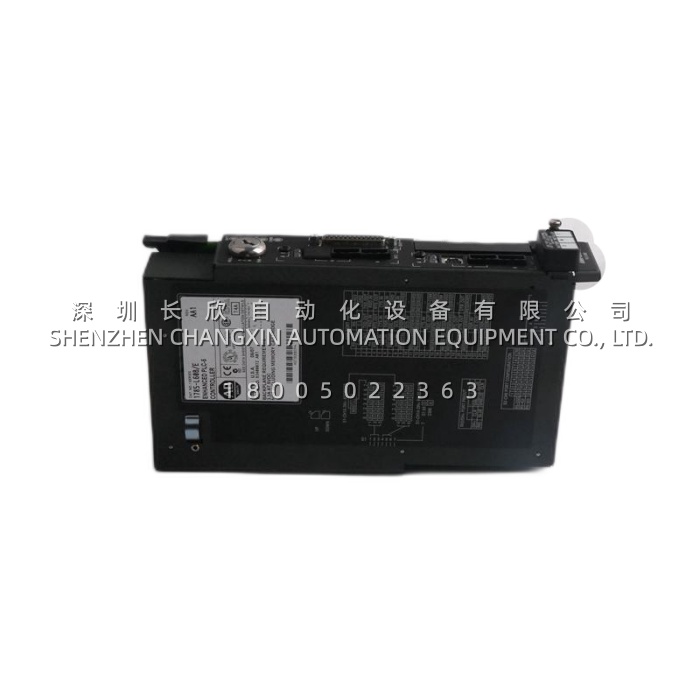
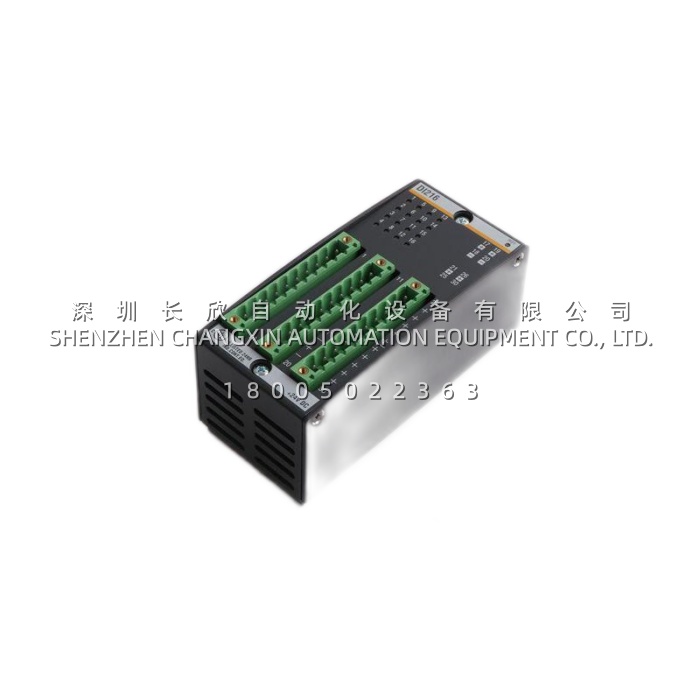
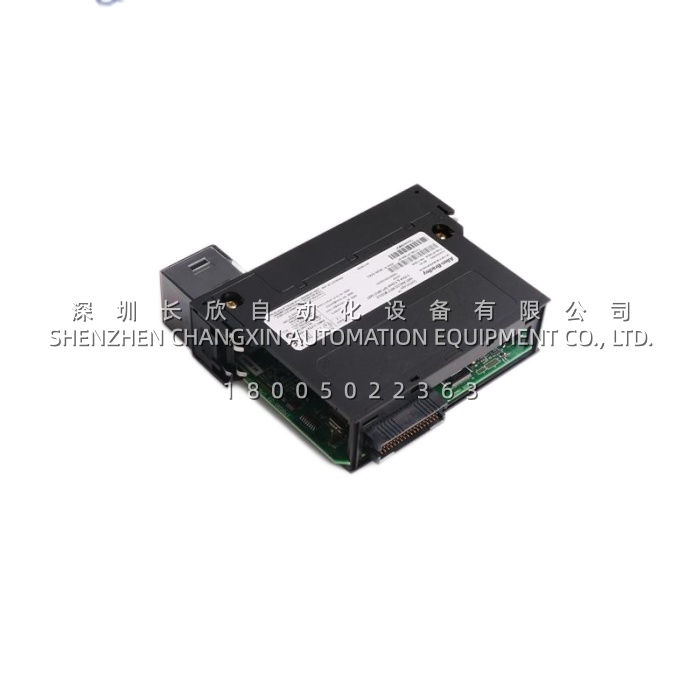
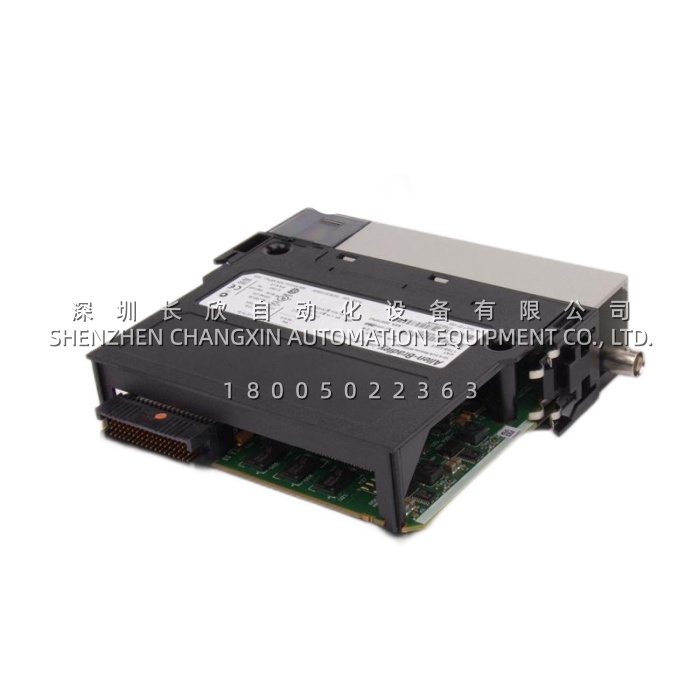
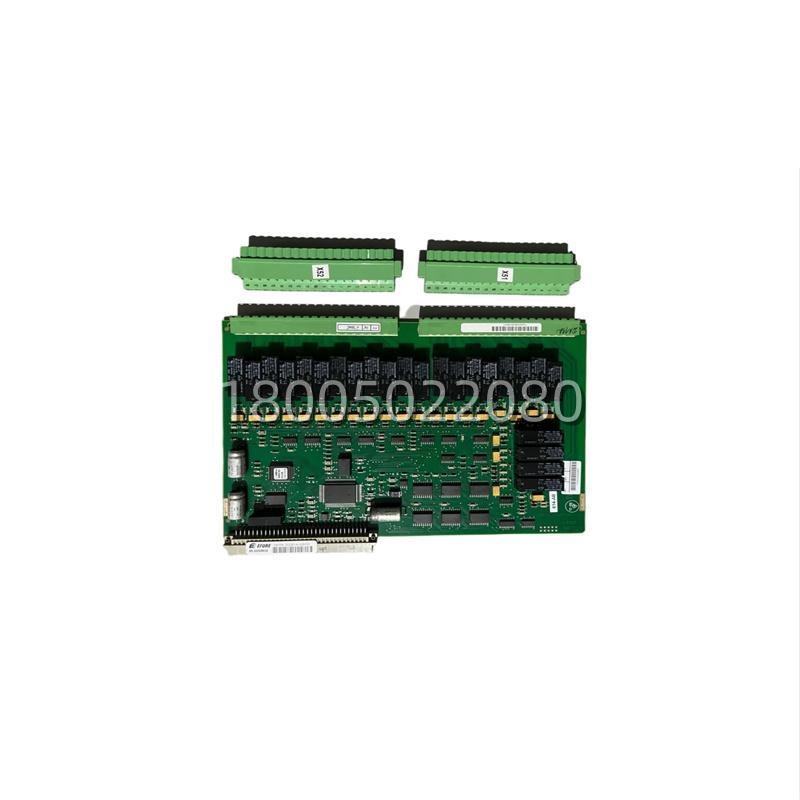
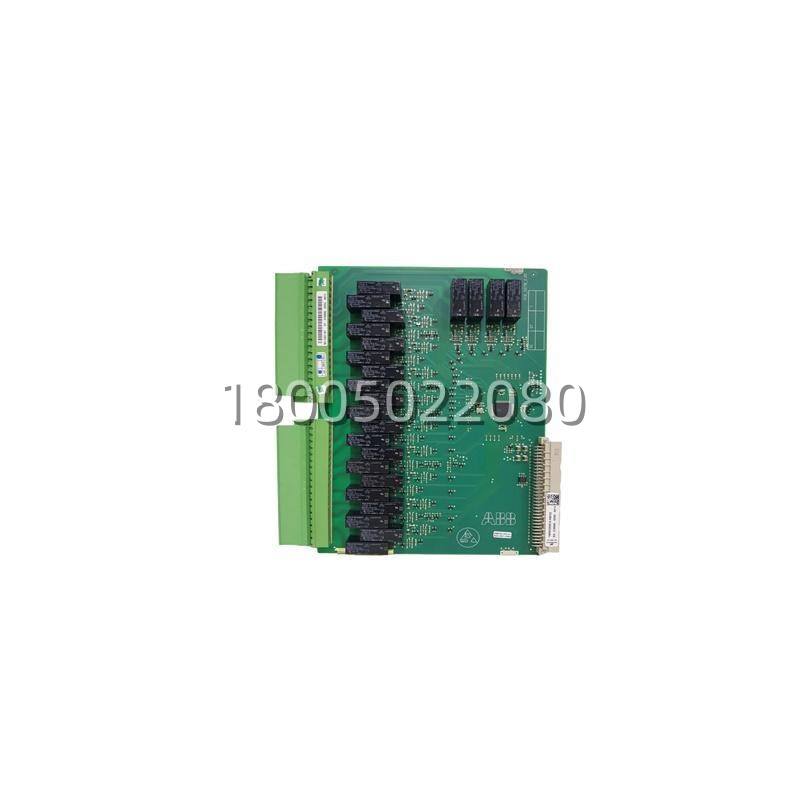
The ABB 1MRK000614-ABR00 is a TRM (Terminal / Interface) Module / Binary Output Board developed by ABB for use in protection relay units, substation control cubicles, and distributed control system (DCS) I/O stations. It provides multiple independently isolated electromechanical relay output contacts—typically 8 SPST-NO (Form A) channels rated up to 5 A / 250 V AC—to translate low-level control logic or protection trip commands into robust, high-voltage switching signals for breakers, annunciators, and interposing relays.
Application Scenarios:
A 220 kV substation using ABB RET/REF series protection relays and a bay-level control unit lost the ability to issue “Close” and “Trip” commands to the line breaker from the local control switch and SCADA. Diagnosis revealed that the internal binary output / TRM board — the ABB 1MRK000614-ABR00 — had suffered contact fatigue after 15 years of service, with several relay channels failing to close. The protection engineer de-energized the panel, withdrew the faulty PWA, inserted a verified replacement 1MRK000614-ABR00, and restored power. All eight binary output channels tested OK within minutes — no firmware download, no I/O address changes, no rewiring. The station’s remote tripping and closing capability was fully restored ahead of the next shift. This scenario underscores the 1MRK000614-ABR00‘s role as a mission-critical, field-replaceable interface that bridges DCS/protection logic with real-world high-power switching — and why keeping a tested spare on the shelf is sound asset management.
Parameter:
| Main Parameters | Value/Description |
|---|---|
| Product Model | 1MRK000614-ABR00 |
| Manufacturer | ABB |
| Product Category | TRM Module / Binary Output Interface Board (PWA) |
| Compatible System | ABB Protection Relays (RET/REF series), 500-series Controllers, Substation Control Cubicles, select DCS I/O Racks |
| Number of Outputs | 8 Independent Relay Outputs (typical; some references cite up to 24 in expanded variants — verify host compatibility) |
| Contact Type | SPST-NO (Form A), Dry / Wetting Voltage Provided |
| Contact Rating | 5 A @ 250 V AC / 30 V DC (resistive load) |
| Max Switching Power | 1250 VA / 150 W |
| Supply Voltage | 24 V DC (typical, derived from host backplane or external PSU terminal) |
| Isolation Voltage | ≥ 4000 V RMS (I/O to system / between channel groups) |
| Status Indication | Per-channel Relay-Energized LED + Module Power LED |
| Operating Temperature | -40 °C to +70 °C (typical industrial grade; some docs cite -25 °C to +60 °C) |
| Storage Temperature | -40 °C to +85 °C |
| Humidity | 5 %–95 % RH, non-condensing |
| Mounting Method | Rack slot insertion with backplane connector OR DIN rail (with carrier / in standalone enclosures) |
| Protection Class | IP20 (cabinet interior installation) |
| Dimensions (approx.) | 138 × 60 × 15 mm (PWA only) / 150 × 110 × 30 mm (in frame/carrier) |
| Weight (approx.) | 0.15–0.40 kg depending on carrier |
Technical Principles and Innovative Values:
- Innovation Point 1 — Heavy-Duty Electromechanical Relay Outputs with Optical Drive. The ABB 1MRK000614-ABR00 uses opto-coupled drivers to activate its Form-A relay contacts, completely isolating the sensitive control/logic bus from the switched field voltage. This protects the host controller from inductive kickback, ground faults, and transient over-voltages that commonly occur when switching breaker trip coils or audible alarms.
- Innovation Point 2 — Host-Bus Auto-Recognition & Non-Volatile Configuration. When installed in a compatible ABB rack (protection or 500-series controller), the 1MRK000614-ABR00 is automatically enumerated; its output map corresponds to predefined addresses in the application database. The board retains its operational identity in non-volatile memory, so a replacement unit with matching part number requires no reconfiguration — a true “plug, seat, and go” spare part.
- Innovation Point 3 — Per-Channel LED Diagnostics & Contact Monitoring. Each relay channel has a dedicated front-facing LED that illuminates when the coil is energized, giving maintenance staff instant visual confirmation of output state without accessing the controller HMI. Some versions also support contact-monitoring feedback to the host for broken-wire or welded-contact detection, further enhancing system safety integrity.