 Description
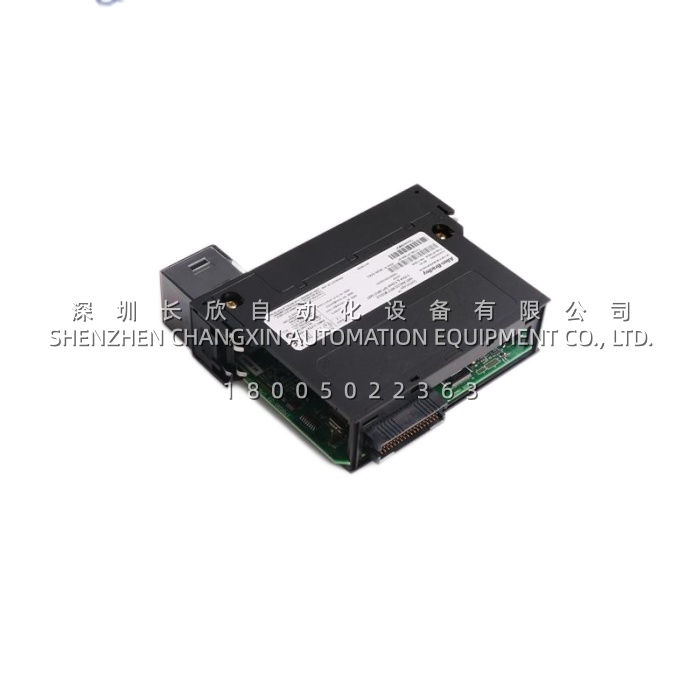
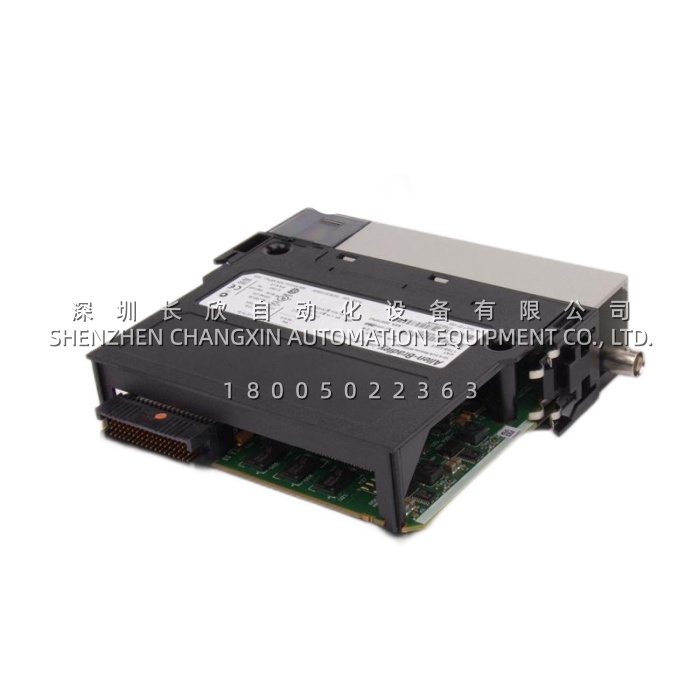
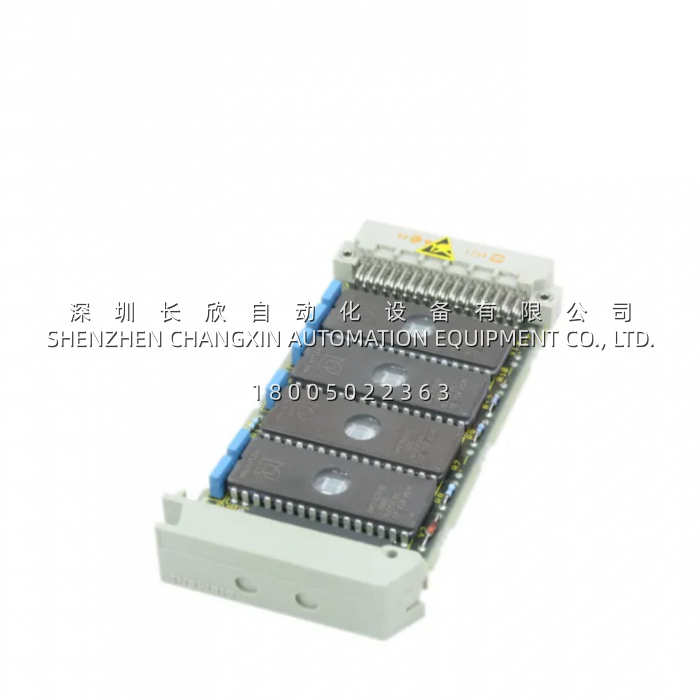
The Siemens 6DD1610-0AG1 is a SIMADYN D Memory Submodule MS41, a 16-bit plug-in memory carrier designed for the SIMADYN D processor modules (PM3 / PM4 generation) and for standalone deployment inside SIMOVERT P 6SE12 and SIMOREG K 6RA24 drive cabinets where a dedicated program/data storage node is required outside the CPU’s onboard flash. It carries 512 KB EPROM for non-volatile program and firmware storage and 2 KB EEPROM for parameter sets, fault records, and runtime-calibrated data—splitting “code that never changes” from “values that must survive power loss but be writable online.” The MS41 is the canonical memory submodule for late-1990s to mid-2000s SIMADYN D drive racks powering roughing mills, section mills, large DC hoists, and marine propulsion converters, and it remains in active spare rotation because the EPROM silicon itself doesn’t wear out—only the EEPROM cell endurance and the rack’s backup battery chain eventually force a swap.h2 Application ScenariosOn the roughing-stand drive cubicle of a 4-high blooming mill (commissioned 1997, SIMOVERT P 6SE12 6-pulse DC drives, ~8 kA armature), the Siemens 6DD1610-0AG1 MS41 sits in the SIMADYN D PM3 rack as the program carrier for the roll-gap auto-control and inter-stand tension observer. The EPROM side holds the D7-SYS application (C-language user blocks for the roll-force observer, compiled ~2003 and never touched since), while the EEPROM side stores the roll-diameter compensation table and the 12 preset “pass schedules” that the roller calls up at each billet size change. One winter, the cubicle’s space heater failed, the ambient dipped to -18°C, and the backup battery on the PM3 rack (a 3.6 V AA lithium chained to the MS41’s EEPROM supply) finally expired after nine years—right at the start of a night shift. The next billet change loaded “Pass Schedule 3” and the EEPROM returned all zeros; the gap-control loop went open-loop, and the first billet came out 18 mm undersize before the roller caught it. The fix: a spare Siemens 6DD1610-0AG1 (EEPROM pre-loaded from the last good dump the OEM had archived on a 3.5″ floppy, then burned into the submodule via the PG’s EPROM programmer adapter) was plugged into the PM3 slot, the PM3 auto-enumerated the MS41, and the pass schedules came back. The maintenance lead’s note the next morning: “The EPROM saved us—the program was still there, just the EEPROM was drunk. If this had been an all-flash module with no battery separation, we’d have lost the whole D7-SYS project.” The plant now keeps three 6DD1610-0AG1 on the shelf and has a quarterly “battery + EEPROM dump” PM on all four SIMOVERT P cubicles.h2
Parameter
| Main Parameters | Value/Description |
|---|---|
| Product Model | 6DD1610-0AG1 |
| Manufacturer | Siemens |
| Product Category | SIMADYN D Memory Submodule MS41 |
| Memory (Program) | 512 KB EPROM, 16-bit bus width |
| Memory (Data) | 2 KB EEPROM (parameter / fault log / runtime values) |
| Bit Depth | 16 bit |
| Weight | 0.092 kg |
| Operating Temp. | -25°C to +60°C |
| Compatible Hosts | SIMADYN D PM3 / PM4 processor modules; SIMOVERT P 6SE12 & SIMOREG K 6RA24 drive cabinets |
| Backup Dependency | EEPROM portion relies on rack backup battery (typical 3.6 V lithium chain); EPROM portion battery-independent |
| Lifecycle Status | PM500 Discontinued (deleted without replacement, Oct 1, 2017) |
h2 Technical Principles and Innovative Values
- Innovation Point 1: EPROM/EEPROM Split Architecture. The 6DD1610-0AG1 deliberately separates “write-almost-never” (D7-SYS application code, C-user blocks, firmware patches) onto 512 KB EPROM and “write-often” (pass schedules, diameter comp tables, fault timestamps, auto-tuning constants) onto 2 KB EEPROM. The EPROM is UV-erasable in principle but Siemens ships it window-sealed, so in practice it’s “program once, last forever”—immune to battery death, ESD, and 25 years of thermal cycling. The EEPROM takes the wear (endurance ~10⁵ cycles) and the battery risk, but losing it only means “reload parameters from the OEM backup,” not “recompile the D7-SYS project.” This split is why a 6DD1610-0AG1 swap after a battery failure is a 20-minute job, not a three-day requalification.
- Innovation Point 2: 16-Bit Bus Matching the PM3/PM4 Era. The MS41’s 16-bit data bus is timed for the PM3/PM4 processor’s external memory cycle (~150 ns class), not the 32-bit 60 ns bursts of later PM5/PM6 or TDC. This means the 6DD1610-0AG1 is not backward-compatible with FM458 or TDC racks—those need their own memory submodules (different pinout, different timing). In plants that run mixed generations (PM3 on the roughing stand, FM458 on the finishing stands), the stores clerk must not cross these; the 6DD1610-0AG1 only belongs in the PM3/PM4 / SIMOVERT P lane.
- Innovation Point 3: Offline EPROM Burn + Hot Plug Into Live Rack. Because the MS41 is a submodular plug-in (28-pin + 4×32-pin footprint on the PM3/PM4 carrier), a plant can pull a 6DD1610-0AG1, send it to a service house for EPROM re-burn (new D7-SYS patch, new pass schedules), and plug the returned unit into the spare slot of the same PM3 rack while the original stays live—then swap at the next planned stop. This “burn-offline, swap-fast” workflow is how many rolling mills have kept 1997-vintage SIMADYN D codebases alive through three decades without ever taking the D7-SYS project through a compiler migration.