Description:
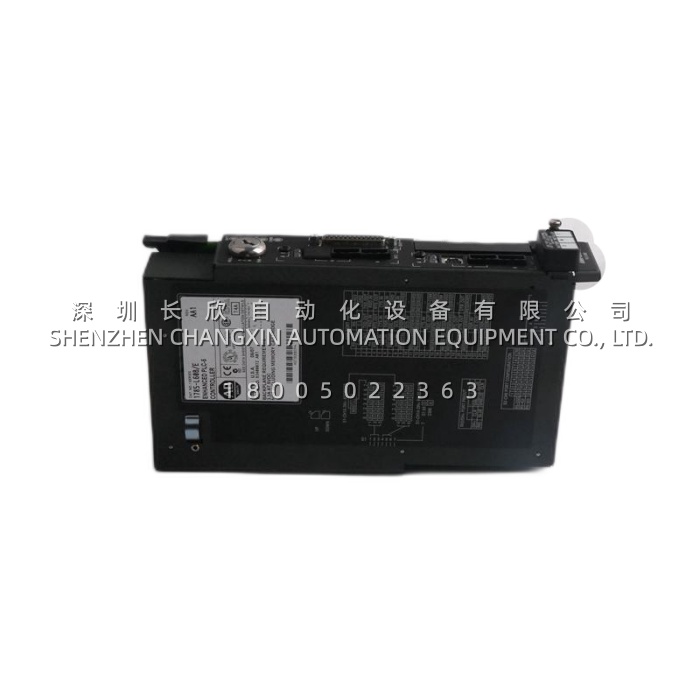
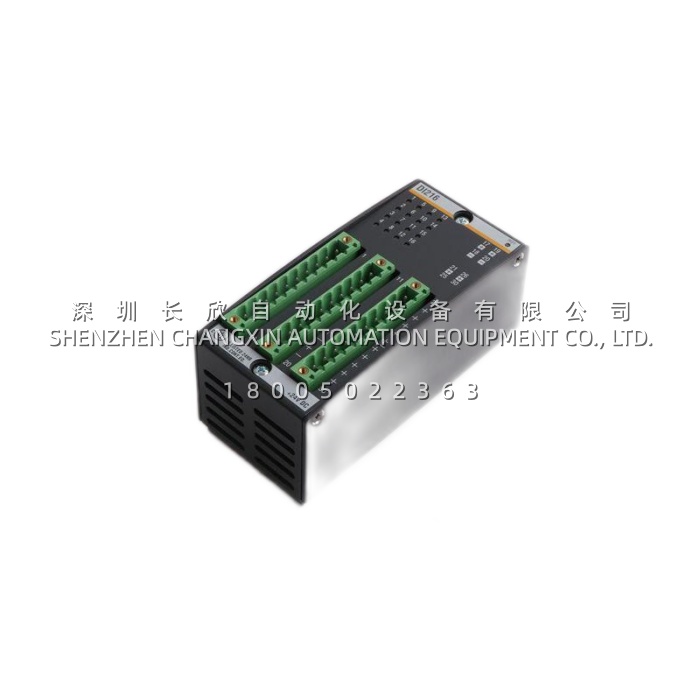
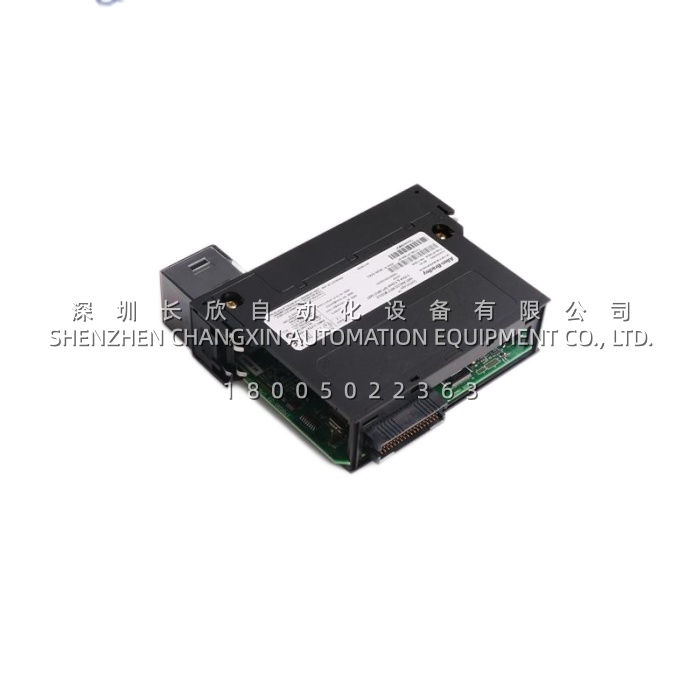
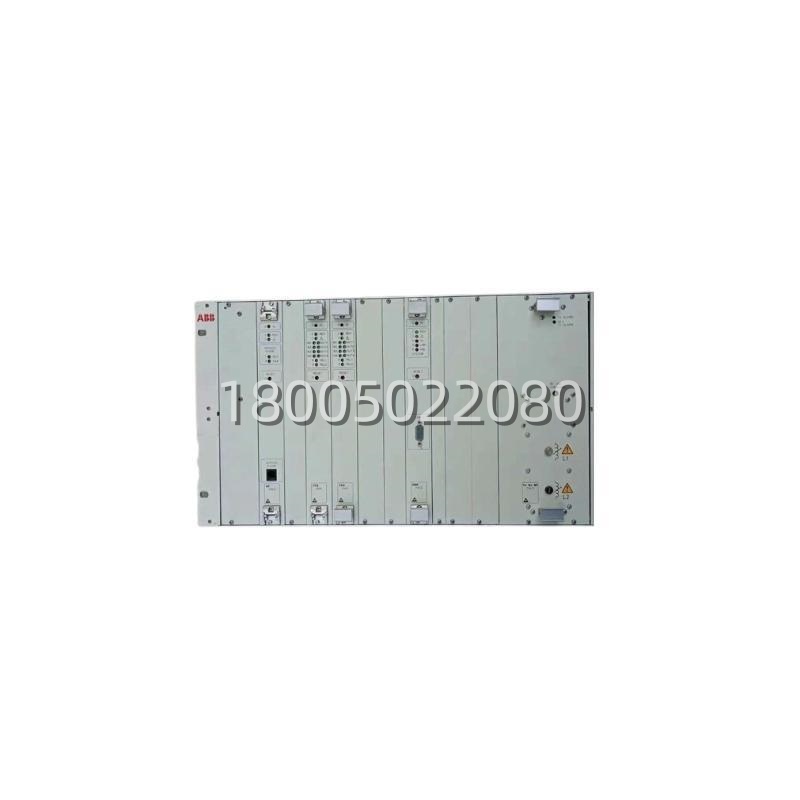
The ABB 1KHL015000R0001 is a dedicated control system chassis (rack/base unit) designed for ABB’s P7LC (Procontrol 7 / P7 series) distributed control and automation systems. It serves as the physical and electrical backbone of a P7LC node—providing precision-aligned module guide rails, a multi-slot printed backplane (backplane bus) for inter-module communication and power distribution, and integral cable-management features. The chassis itself contains no control logic; it houses the processor module, I/O modules (analog, digital, pulse, temperature), communication interface cards, and power supply units, binding them into a functional control station for power-generation, oil & gas, and continuous-process applications.
Application Scenarios:
A 300 MW coal-fired power plant undergoing a partial retrofit of its Balance-of-Plant (BOP) controls still relies on ABB P7LC stations for coal-feeder sequencing and auxiliary pump interlocking. During a scheduled cabinet refurbishment, technicians discovered that the original 1990s-era chassis backplane had oxidized slot fingers—causing intermittent communication drops between the P7 processor and remote DI/DO modules. Rather than rewire an entire new DCS segment, the maintenance team performed a like-for-like swap of the ABB 1KHL015000R0001 chassis. The new rack accepted all existing P7 modules without modification; the backplane re-established clean bus contact, and the intermittent fault vanished immediately. The 1KHL015000R0001 solved the critical pain point of unreliable legacy rack hardware—restoring system stability at a fraction of the cost and downtime of a full DCS migration. In plants where P7LC systems remain in daily operation, this chassis is a strategically important life-extension spare.
Parameter:
| Main Parameters | Value/Description |
|---|---|
| Product Model | 1KHL015000R0001 |
| Manufacturer | ABB |
| Product Category | P7LC Control System Chassis / Rack Base with Integrated Backplane |
| Compatible System | ABB P7LC (Procontrol 7 / P7 Series) DCS / PLC Nodes |
| Slot Configuration | Multi-slot (typically 6–10 positions depending on backplane version — verify against existing unit) |
| Backplane Function | Distributes 5 V / ±15 V logic power + carries parallel/module bus for inter-card data exchange |
| Module Compatibility | P7 Processor (CPU), Analog & Digital I/O, Communication (COM), Special Function, Power Supply modules |
| Mounting Method | 19″ rack mount or cabinet panel mount with fixing brackets (M6 clearance holes typical) |
| Structure Material | Heavy-gauge steel or aluminum alloy with conductive EMC coating |
| Cable Management | Integrated top/bottom wiring ducts or tie-bar slots for field-signal and bus cabling |
| Protection Rating | IP20 (intended for installation inside closed control cabinet) |
| Operating Temp. | -10 °C to +60 °C (ambient inside cabinet) |
| Dimensions (approx.) | 483 × 310 × 330 mm (W × H × D — typical for multi-slot P7 rack; confirm against old unit) |
| Weight (approx.) | 5.6–6.4 kg (depends on slot count and backplane length) |
Technical Principles and Innovative Values:
The ABB 1KHL015000R0001 is engineered as the mechanical and electrical foundation of a P7LC node, not a generic card cage.
- Innovation Point 1 — Precision-Engineered Backplane with Controlled Impedance Traces: The soldered backplane PCB distributes logic supply rails (+5 V, ±12 V/±15 V) and the P7 parallel bus with carefully controlled trace impedance and decoupling capacitors at each slot. This ensures reliable high-speed data exchange between the CPU and peripheral I/O cards even after decades in service—unlike generic Eurocard cages that lack bus-termination design.
- Innovation Point 2 — Rigid Module Alignment & Positive-Lock Insertion: Hardened guide rails and indexed slot stops guarantee that each P7 module’s edge-connector mates squarely with the backplane fingers, preventing partial insertion (a common cause of “module not recognized” faults). The chassis mechanical stiffness resists deformation from repeated card swaps or transport vibration—critical in seismic-zone plants.
- Innovation Point 3 — EMI Shielding & Cable Separation by Design: The metal enclosure and optional partitioned wiring channels segregate low-level analog-signal wires from high-current power or digital-comms cabling, reducing cross-talk and improving measurement stability in noisy switchgear rooms—a key advantage over open-frame racks.