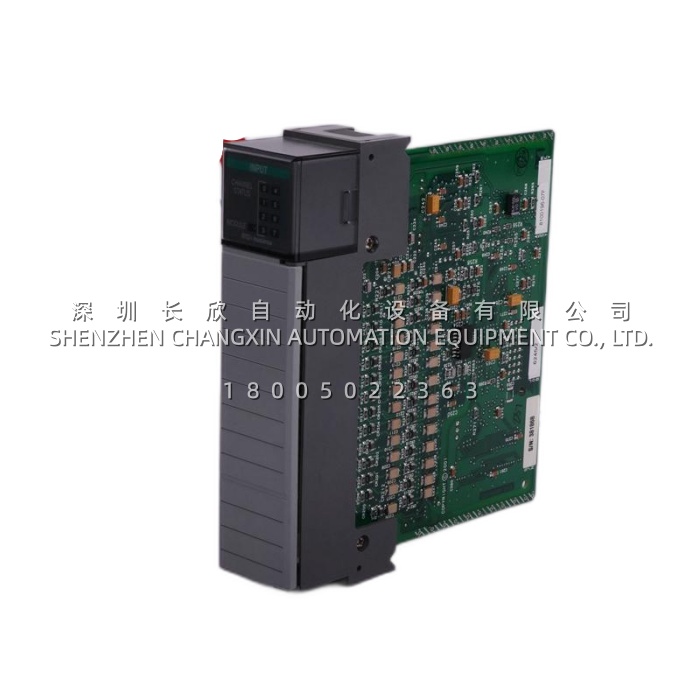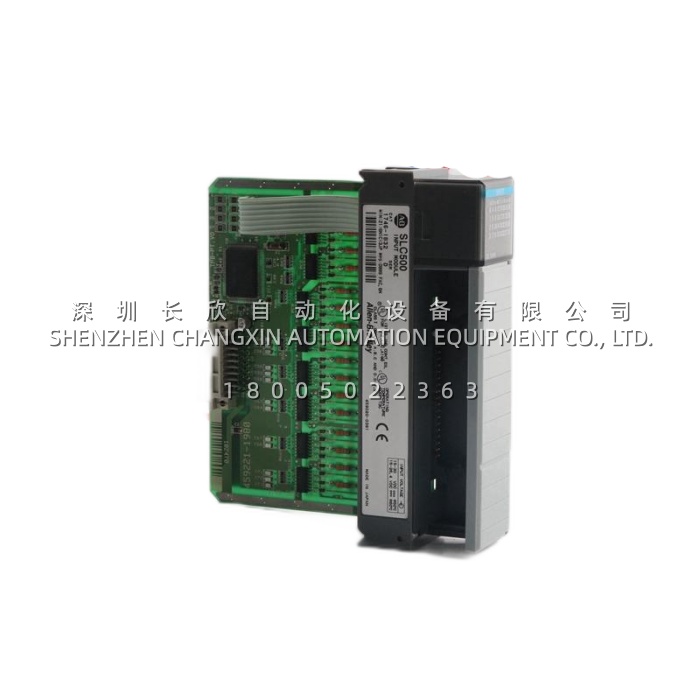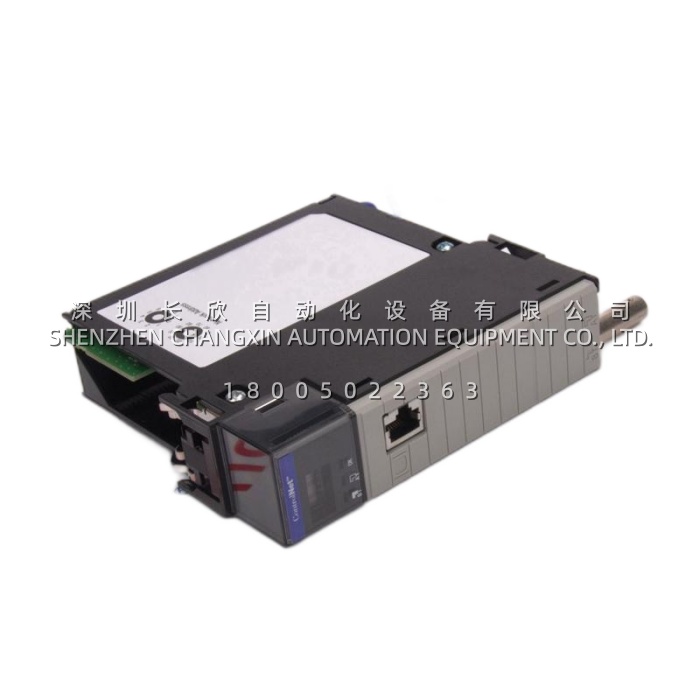
Product Overview
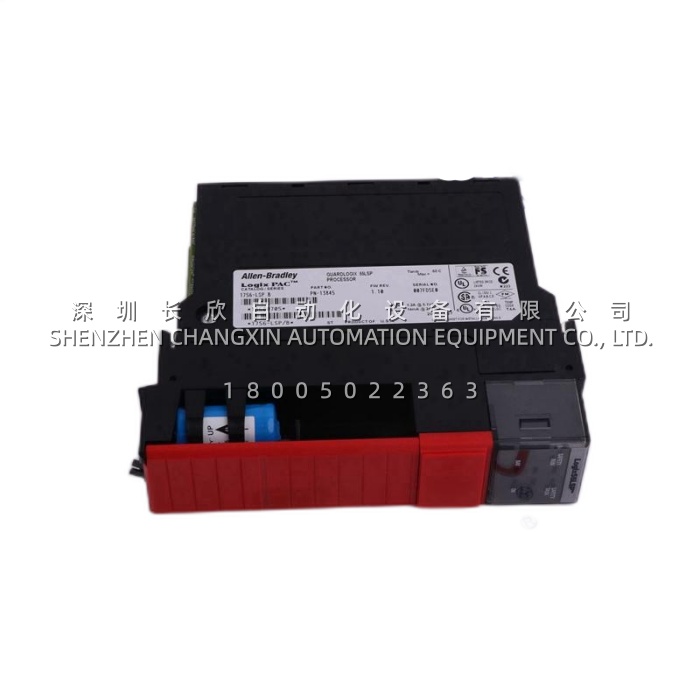
The 1756-CP3_A is the fan-tray cable assembly for the Allen-Bradley ControlLogix chassis family, manufactured by Rockwell Automation as the small but critical harness that delivers 24 V power to the chassis cooling fan and returns the tach/fault sense back to the backplane monitor. In a ControlLogix rack the fan is not a comfort item — it is a declared part of the thermal design. The modules run hot, the bus draws current, and the chassis is rated on the assumption that air is moving at the designed CFM. The 1756-CP3_A is the only thing connecting that airflow to the controller’s ability to know it is there; when the harness fails, the chassis sees a fan fault and the system goes into the derate and alarm behaviour defined by the installation manual, even if the fan blades are still spinning.What makes the 1756-CP3_A worth carrying as a spare is the way it fails. The cable lives in a hot, vibrating environment right behind the fan’s airstream, and the connector is the weak point: the locking latch cracks, the keying tab shears off during a careless pull, or the crimped pins loosen until the tach signal floats. The result is an intermittent “chassis fan failed” major fault that clears and returns on a temperature cycle — exactly the kind of ghost fault that gets blamed on the processor or the power supply. Replacing the whole fan tray is expensive and usually unnecessary; a 1756-CP3_A swap restores the sense circuit and the clean 24 V feed in minutes, with no module removal and no control-program change.The assembly is also a favourite of the retrofit and field-upgrade crowd. When a 1756-A3 or A4 frame has been moved from a clean office panel into a hot motor-control centre, or when a site has added high-density I/O and pushed the chassis past its original cooling margin, the 1756-CP3_A is inspected, extended or replaced as part of bringing the thermal design back into spec. Keeping a tested, keying-matched 1756-CP3_A on the truck means the technician does not improvise a harness with spade lugs — a shortcut that works once and then cooks a rack during the next heatwave.
Technical Specifications
| Parameter | Value |
|---|---|
| Product Model | 1756-CP3_A |
| Manufacturer | Allen-Bradley / Rockwell Automation |
| Product Type | Chassis Fan Cable / Harness Assembly (ControlLogix) |
| Series / Platform | ControlLogix 1756, CP3 fan-kit family |
| Intended Chassis | 1756-A3 (3-slot) and compatible 1756 frame sizes |
| Function | 24 V fan power feed plus tach / fan-presence sense return |
| Rated Voltage | 24 VDC fan supply (chassis-derived) |
| Current Rating | Matched to chassis fan motor draw, approx. 0.15–0.4 A |
| Conductor | Multi-conductor, stranded copper, high-temperature insulation |
| Connector Type | Keyed Molex-style plug to fan tray; backplane/terminal termination per kit |
| Keying / Polarity | Keyed housing, foolproof orientation; mate-once only |
| Wire Length | Pre-cut harness length, chassis-frame specific (do not stretch or reroute) |
| Temperature Rating | 105 °C insulation rating typical; ambient limited by chassis spec |
| Operating Temperature | 0 … 60 °C (ControlLogix chassis ambient envelope) |
| Shielding / Drain | Unshielded power/sense pair; routed away from analog I/O cabling |
| Flammability / Compliance | UL-style appliance wiring, RoHS; cULus per kit documentation |
| ESD Handling | Not ESD-sensitive; still handle by insulation, not by pin contacts |
Main Features and Advantages
A harness that actually protects the rackThe quiet value of the 1756-CP3_A is that it closes the monitoring loop. Powering a fan from a random 24 V tap will keep the blades moving, but it will not tell the chassis the fan is moving, and ControlLogix treats an unconfirmed fan as a failed fan. The sense pair in the 1756-CP3_A is what lets the backplane clear the fault honestly. That is the difference between a panel that alarms on schedule and one that alarms because someone got clever with the wiring.Fit, keying and length that prevent field damageA harness is not a commodity when the connector is keyed to one orientation and the wire length is part of the strain relief. The 1756-CP3_A is cut and dressed for the 1756 frame so the fan tray seats without pinching the cable against the backplane or kinking it across a sharp chassis edge. The latching housing is designed to survive repeated fan-tray pulls during module work; a non-keyset replacement inevitably gets forced, and a forced connector is how pins get pushed back into the plastic and turn into intermittent faults. We match the revision and the key before we ship, because a 1756-CP3_A that almost fits is worse than no spare at all.The cheapest insurance in the panelThere is no configuration, no firmware and no addressing involved — a 1756-CP3_A is pure mechanical and electrical recovery. For that reason it is the highest-return item on a ControlLogix spare list after a spare power supply. A chassis that is overheating because of a broken fan harness will eventually trip modules offline in the middle of a campaign, and the root cause will be misdiagnosed for a day before someone opens the fan tray. A two-minute swap with a 1756-CP3_A in the stores cabinet ends the story before it starts.
Application Field
The 1756-CP3_A is found wherever a ControlLogix rack is mounted in a working industrial environment rather than a lab bench: motor-control centres beside hot transformers, packaging lines where the panel shares an enclosure with VFD heat, food and beverage washdown rooms where thermal cycling is aggressive, and outdoor skids where summer ambient already eats half the chassis margin. In these settings the fan runs continuously and the harness takes the full vibration of the plant, which is why a cracked latch or a loose tach pin is a routine failure rather than a rarity.The cable also matters during commissioning and panel rework. When a 1756 rack is relocated to a deeper enclosure, or when a contractor adds a second power supply and a dense block of analog input modules, the original airflow path is disturbed and the fan works harder — which is precisely when a tired, six-year-old harness chooses to fail. Running a fresh 1756-CP3_A as part of the rework, and dressing it exactly along the factory route, keeps the thermal design honest and the major-fault log quiet. For service organisations supporting fleets of Logix panels, the part is also a useful diagnostic differentiator: before swapping a processor, a power supply or an I/O module on a thermal alarm, check the fan and the 1756-CP3_A. Most of the time the fix is in the tray, not in the rack.