Description:
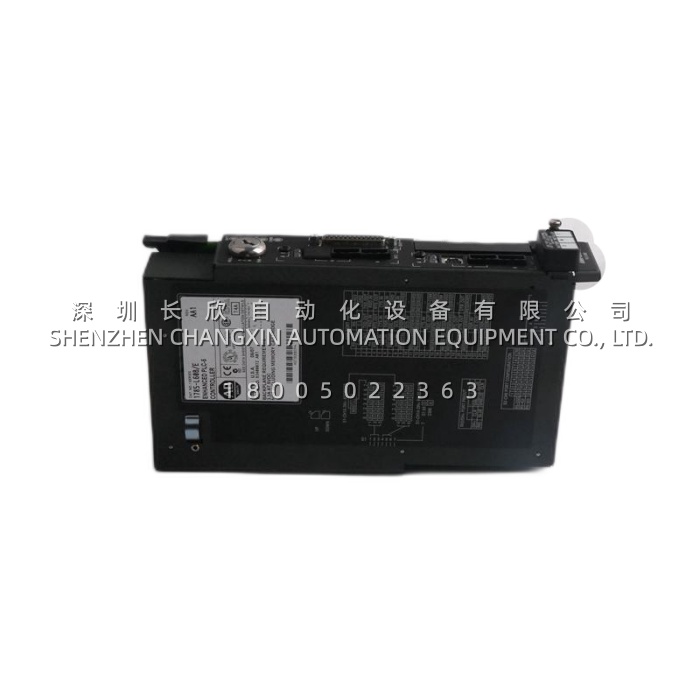
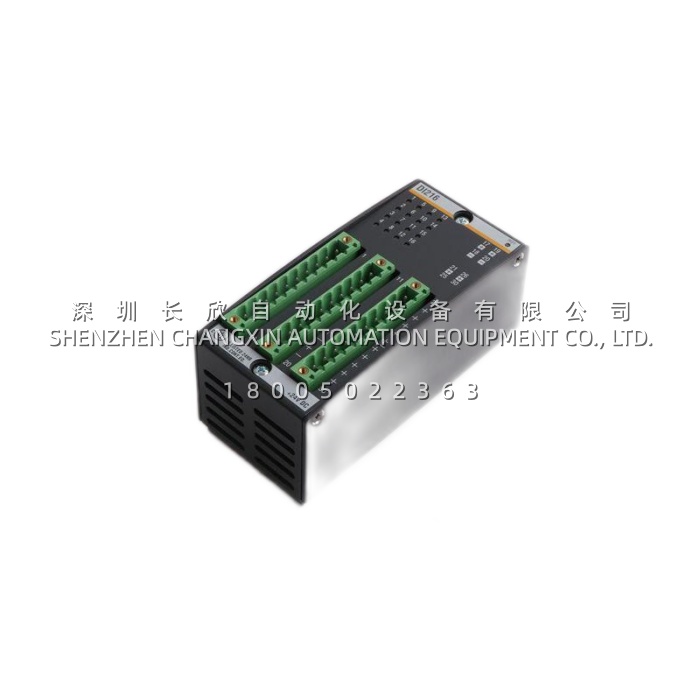
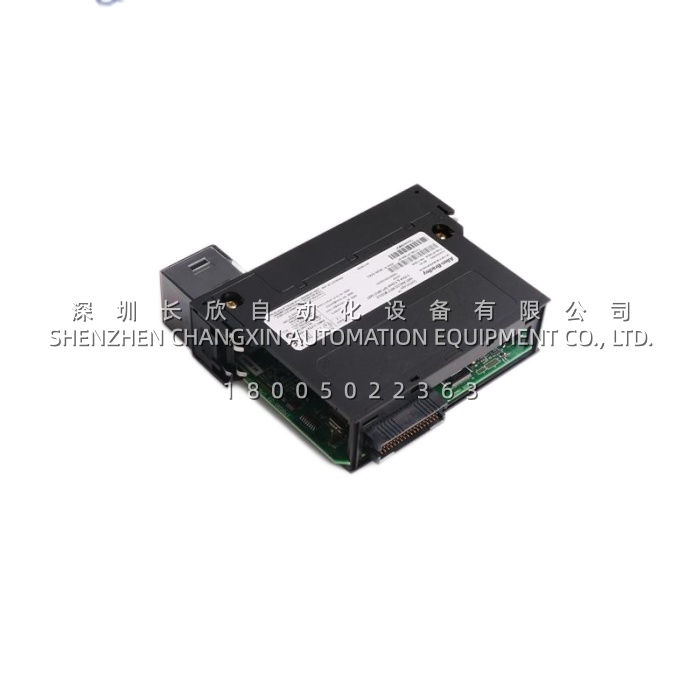
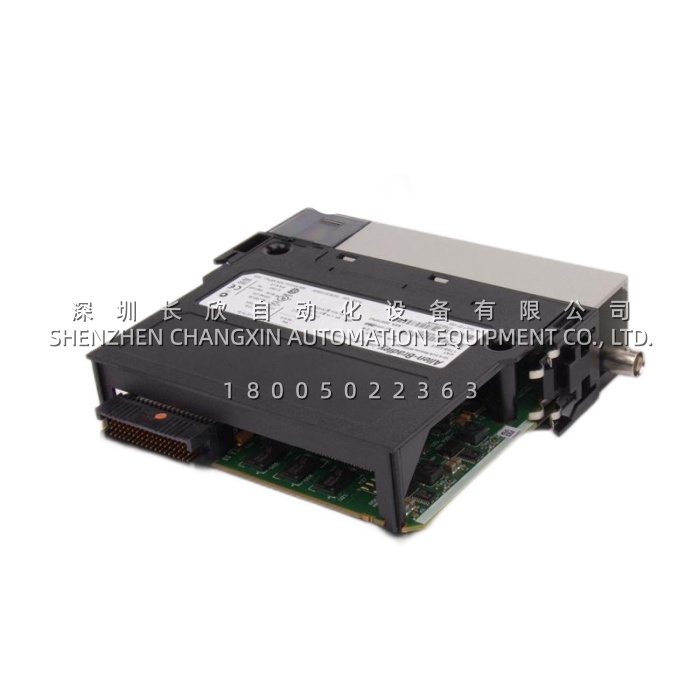
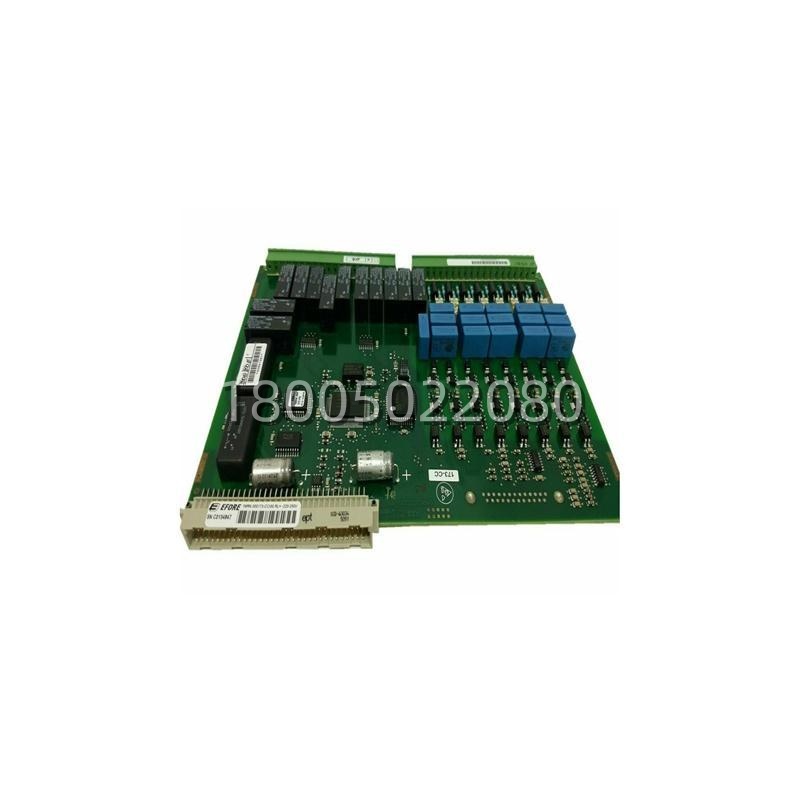
The ABB 1MRK000284-AAR01, also referenced as type AAR01, is a Binary (Digital) Input/Output Module manufactured by ABB for industrial automation, power substation control, and DCS remote I/O applications. It provides 16 channels of configurable binary signal handling—typically arranged as 8 Digital Inputs and 8 Digital Outputs—reading dry/wet contact status from the field and driving 24 V DC outputs to actuators, indication lamps, or intermediate relays, with optical isolation protecting the system backplane from field-side electrical noise.
Application Scenarios:
Consider a 132 kV electrical substation where the local RTU must monitor the position of 8 disconnect switches and 8 circuit-breaker auxiliary contacts, while also issuing close/trip permissive commands and driving local alarm annunciators. The original binary I/O card had begun showing LED flicker on several inputs due to aged optocouplers, creating nuisance “status unknown” alarms at the SCADA. The maintenance team replaced it with the ABB 1MRK000284-AAR01, which slotted directly onto the DIN rail inside the control cubicle and accepted the existing 24 V DC auxiliary supply. Each of the 16 channels has its own front-panel LED, allowing technicians to instantly verify whether a switch contact is physically closed during night-shift walkthroughs—eliminating the need to open the secondary wiring compartment with a multimeter. The wide-temperature (-25 to +70°C) design and 1500 V+ optical isolation proved rock-solid in the electromagnetically hostile switchyard environment, directly resolving the intermittent status-drop issue and restoring operator confidence in the bay’s protection signaling.
Parameter:
| Main Parameters | Value/Description |
|---|---|
| Product Model | 1MRK000284-AAR01 (Type: AAR01 / Binary I/O Module) |
| Manufacturer | ABB (Industrial Automation / Power Systems Division) |
| Product Category | Binary (Digital) Input / Output Module — typically 8 DI + 8 DO |
| Number of Channels | 16 total (common config: 8 × 24 V DC Digital Inputs + 8 × 24 V DC Digital Outputs) |
| Input Type | 24 V DC (sink/source capable), dry-contact or wet-contact, optically isolated |
| Output Type | 24 V DC semiconductor or relay-type (per variant), short-circuit protected |
| Supply Voltage | 24 V DC nominal (range 20.4 – 28.8 V DC) |
| Response Time | < 10 ms (input debounce / output activation) |
| Isolation Voltage | ≥ 1500 V AC (field I/O side vs. system logic / backplane) |
| Status Indication | Individual LED per channel + module PWR / COMM / FAULT LEDs |
| Mounting Method | 35 mm DIN rail (EN 60715) or panel-mount in proprietary ABB I/O base |
| Operating Temperature | -25 °C to +70 °C (derating may apply above +60 °C) |
| Protection Class | IP20 (for installation inside enclosed control cabinet) |
| Dimensions (approx.) | 102 × 58.5 × 86.1 mm (W × H × D), Weight ≈ 0.22–0.26 kg |
| Certifications | CE, UL / cULus, RoHS-compliant per ABB system certification |
Technical Principles and Innovative Values:
- Innovation Point 1: Per-Channel Optical Isolation with Debounced Inputs. The ABB 1MRK000284-AAR01 uses individual optocouplers on every DI channel with built-in 5–10 ms debounce filtering, rejecting contact bounce from mechanical limit switches and chatter from relay aux contacts—a frequent cause of false SCADA events that generic DI cards often mishandle.
- Innovation Point 2: Mixed DI/DO in a Single Compact Package. Rather than requiring separate input and output modules for small bay or skid applications, the 1MRK000284-AAR01 consolidates 8 DIs and 8 DOs in one slim housing, reducing DIN-rail space, wiring complexity, and spare-parts inventory for distributed RTU and skid-mounted PLC panels.
- Innovation Point 3: Instant Visual Diagnostics via Channel LEDs. Each I/O point has a dedicated green LED visible through the front cover. When a field contact closes or an output is active, the corresponding LED lights—enabling first-level troubleshooting without a laptop, a critical advantage during unplanned outages in remote or 24×7 plants.