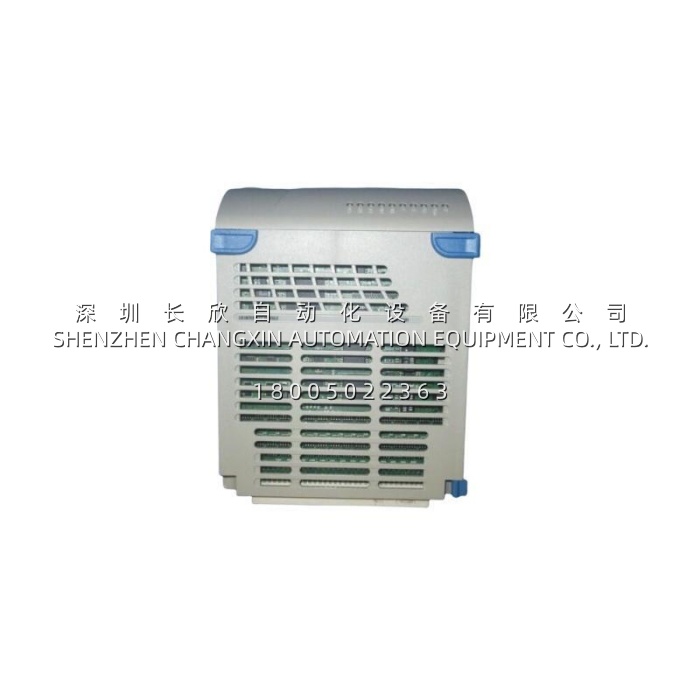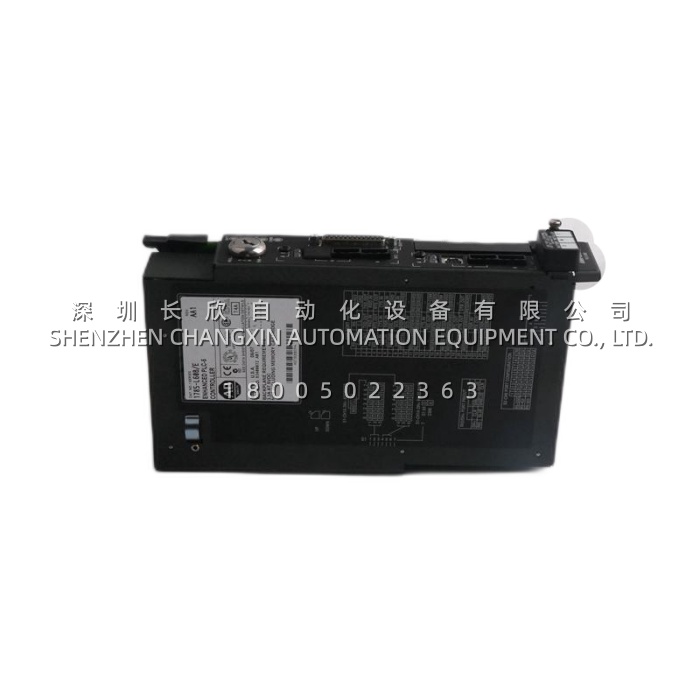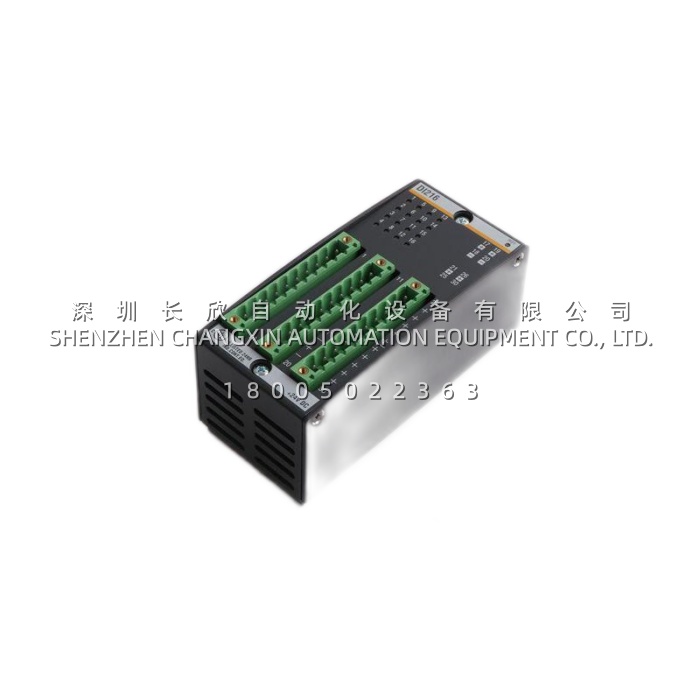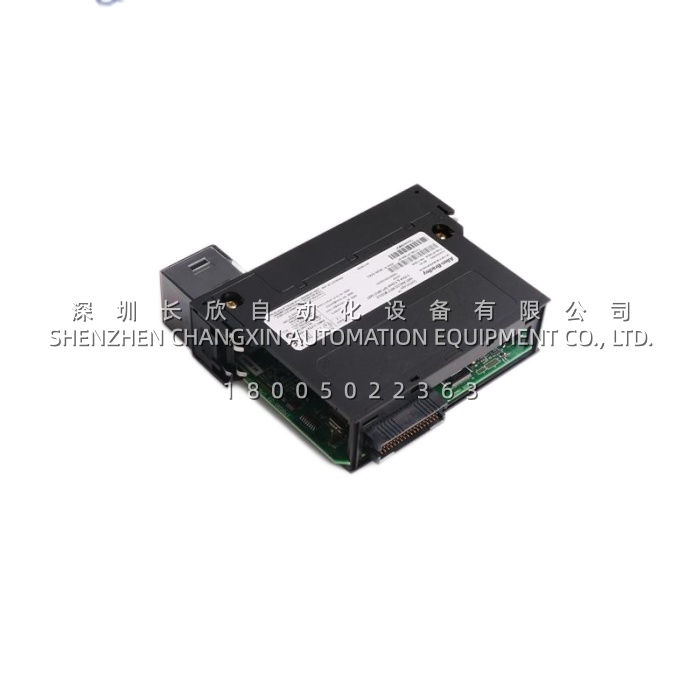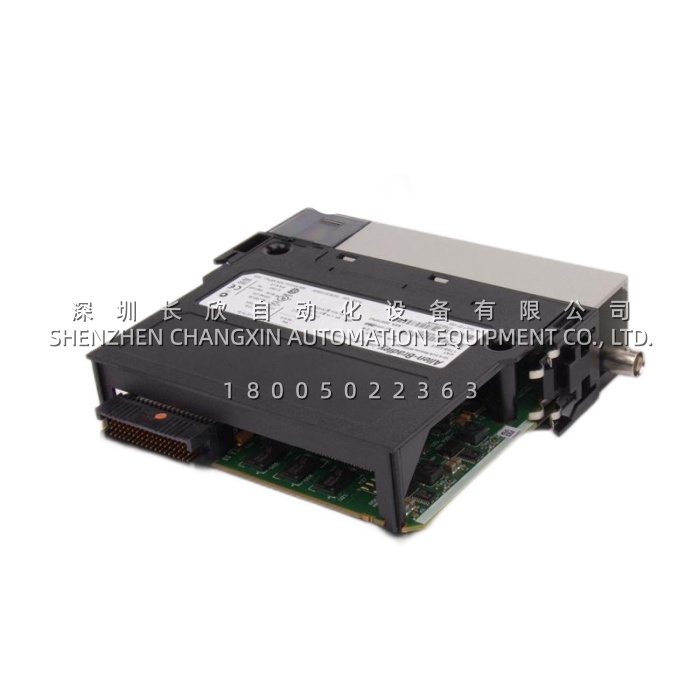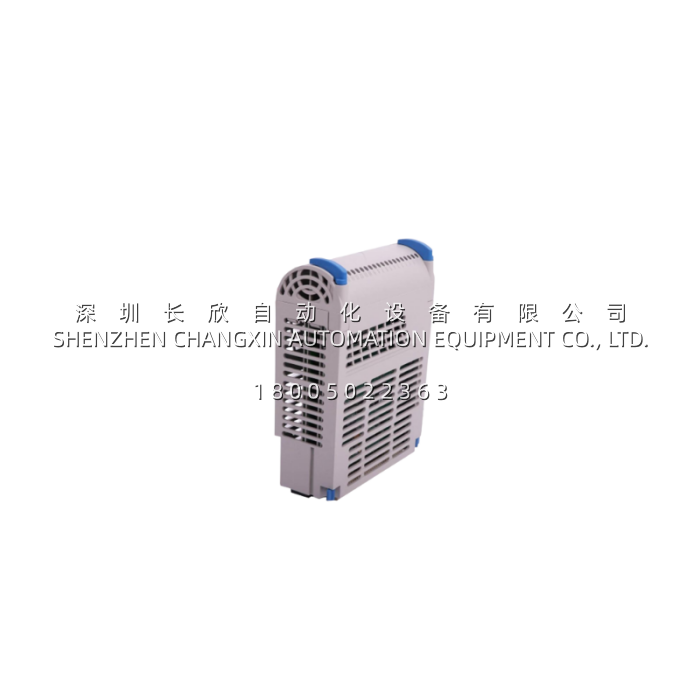
DescriptionThe Westinghouse 5X00226G01 is an I/O Interface Module belonging to the Westinghouse (now Emerson) OVATION distributed control system family, inheriting the WDPF II / OVATION I/O architecture that remains a workhorse across fossil, nuclear, and hydro power plants worldwide. It functions as the communications bridge between an OVATION controller (OCR) and its associated I/O drop or I/O carrier, transporting deterministic scan data, timestamped events, and peer-to-peer packets over the proprietary OVATION I/O link. In plain terms, the 5X00226G01 is the “nervous system junction” that keeps the controller talking to the field I/O slices — when it drops, the entire I/O drop loses sync, which is why it sits high on every OVATION MRO critical-spare list.h2 Application ScenariosIn a 600 MW supercritical coal unit that migrated from WDPF II to OVATION over a three-year phased cutover, the boiler DCS cabinet carried two Westinghouse 5X00226G01 modules in a redundant pair per controller rack — one active, one standby. During a planned turbine trip test, the “active” 5X00226G01 on Drop 3 (fuel-gas skid, 64 DI + 32 AI) threw a Link-Err LED after a contractor close-in surge traveled back through an improperly grounded shield drain. Because the drop was redundantly paired, the standby 5X00226G01 picked up the scan within one controller cycle (<50 ms per OVATION spec), and the fuel-gas control loop never saw a process bump — operators only noticed the amber “Link Redundancy Lost” banner on the OVATION console. The maintenance lead swapped the failed unit during the next daylight window, no process restart. His comment afterward: “The 5X00226G01 isn’t glamorous, but in a nuclear-grade DCS, the I/O link module is the one spare you don’t want to discover you’re out of at 2 a.m.”h2
Parameters
| Main Parameters | Value / Description |
|---|---|
| Product Model | 5X00226G01 |
| Manufacturer | Westinghouse (Emerson OVATION DCS lineage, inherits WDPF II) |
| Product Category | I/O Interface Module (Controller ↔ I/O Drop Link) |
| Compatible System | Emerson OVATION DCS, WDPF II migration racks |
| Mounting | OVATION controller rack or I/O drop carrier (slot-keyed, hot-swap capable) |
| Supply Voltage | 24 V DC (via rack backplane, nominal 21.6–26.4 V) |
| I/O Link Protocol | Proprietary OVATION synchronous serial / packet link |
| Redundancy | Dual-module redundant pair supported (controller-side + drop-side matching) |
| Scan Cycle | Matches OVATION controller base scan (deterministic, sub-100 ms typical for process loops) |
| Indicators | PWR (green), RUN (green), LINK (green), ERR (red), RX/TX activity (per-port) |
| Communication Ports | OVATION I/O link (proprietary connector, RJ-type or coax/fiber depending on rev) |
| Operating Temp. | 0 to +60 °C (cabinet interior) |
| Isolation | Backplane ↔ I/O link ≥ 1 kV (optocoupler + transformer) |
| Certifications | CE, UL (per OVATION cabinet class), NRC-acceptable for nuclear QA programs |
h2 Technical Principles and Innovative ValuesInnovation Point 1 – Deterministic Proprietary Link, Not Generic Ethernet. The Westinghouse 5X00226G01 doesn’t run Modbus TCP or PROFINET — it carries OVATION’s own deterministic scan packets between controller and I/O drop, with hardware-timestamped SOE (Sequence of Events) resolution down to 1 ms. That’s why OVATION still wins bid comparisons in turbine & generator protection retrofits where “Ethernet jitter” isn’t acceptable.Innovation Point 2 – Redundant Pair Without Configuration Drift. Two 5X00226G01 modules in a controller rack (or controller-side + drop-side) auto-sync their link state. If the active unit loses optical/coaxial continuity or throws a CRC storm, the standby takes over in < one controller base scan. No relay, no ladder logic, no “redundancy heartbeat” timer to tune — it’s baked into the WDPF/OVATION silicon.Innovation Point 3 – Hot-Swappable in Live Racks. The 5X00226G01 is designed for removal under 24 V backplane power. A technician can pull the failed unit, seat the replacement, and the rack re-recognizes it via the backplane ID PROM — no controller restart, no I/O re-scan beyond the normal drop re-sync. For nuclear & fossil units where “shutdown for a link module” is a multi-million-dollar conversation, this is the design feature that matters.Innovation Point 4 – Shield-Surge Isolation. The ≥1 kV isolation between backplane and I/O link side means a shield-drain fault or a VFD-induced surge on the I/O link coax/fiber transition doesn’t propagate into the controller backplane. In retrofits where the I/O link runs 200+ meters through tray shared with 4160 V feeders, this isolation is what keeps the ERR LED dark.Innovation Point 5 – WDPF-to-OVATION Migration Compatibility. The Westinghouse 5X00226G01 is one of the “glue” modules that lets a phased migration keep old WDPF II I/O drops alive while the controller side moves to OVATION. Plants running 15–20 year-old WDPF cabinets particularly value this — you don’t have to rip every drop in one outage.