Description
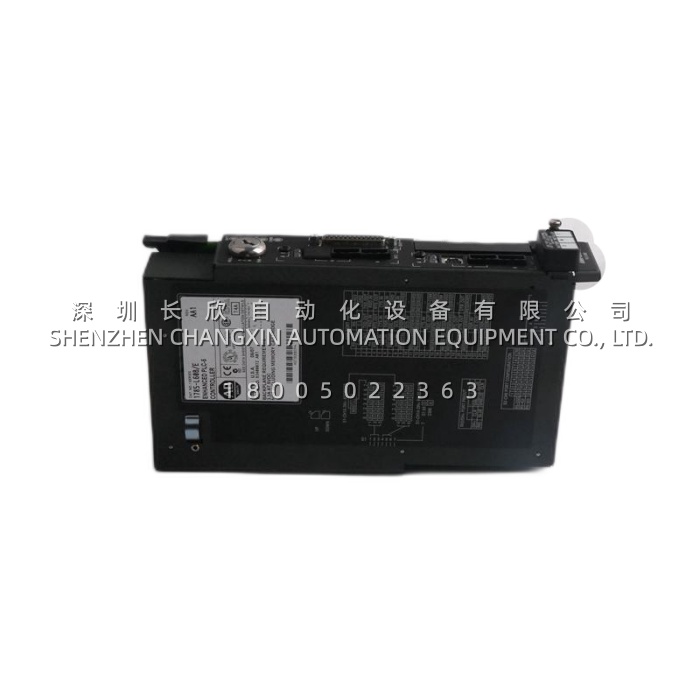
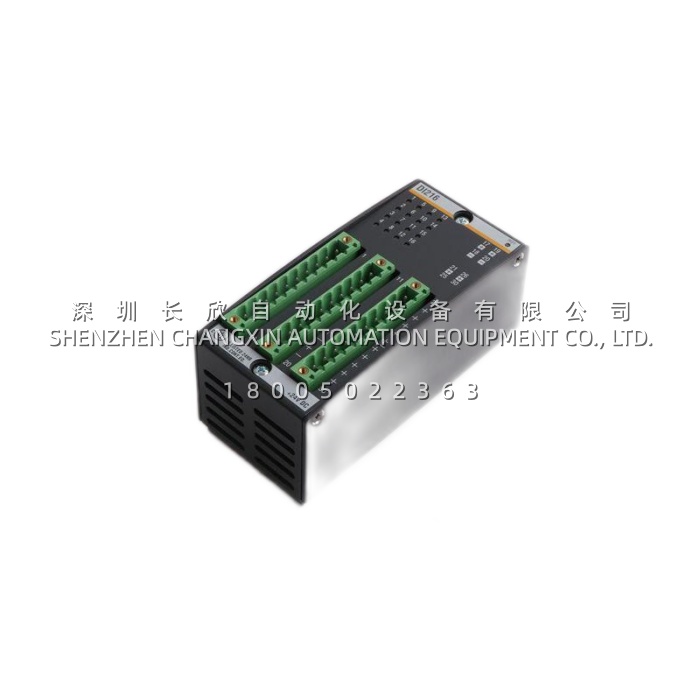
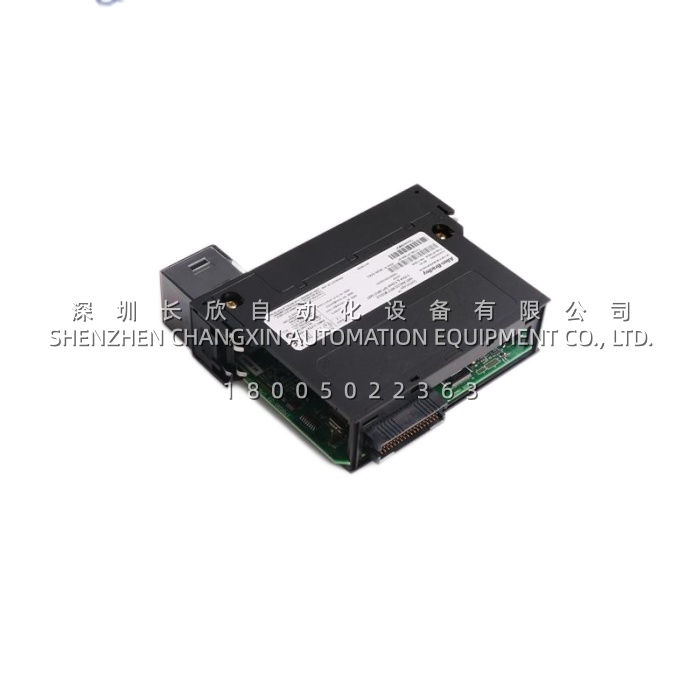
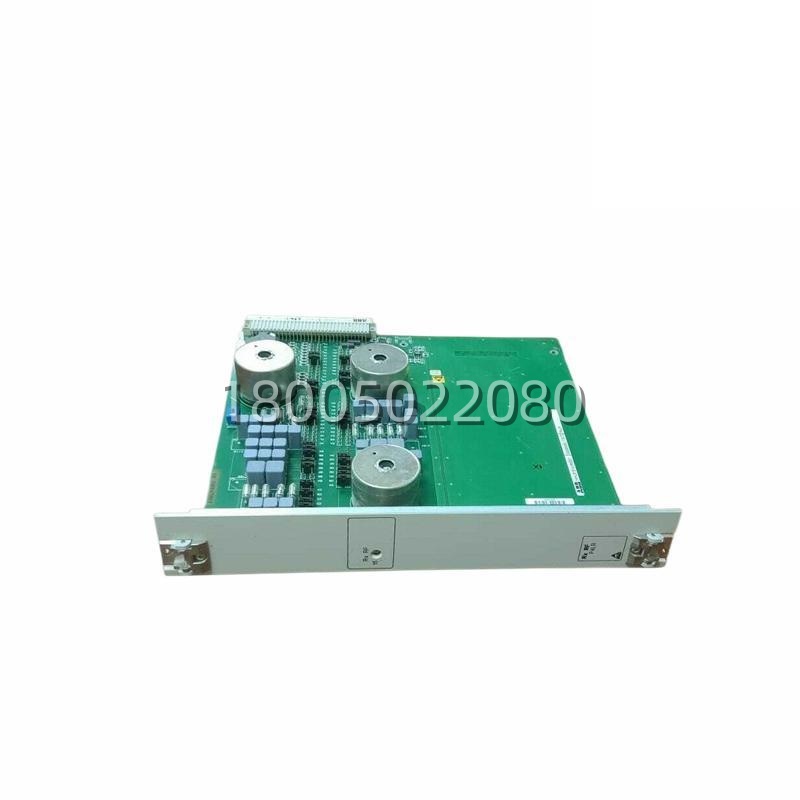
The 1KHL015107R0001 (commonly referenced as P4LR) is an ABB Symphony Plus DCS Main Controller Board — a high-reliability redundant processor module that serves as the “brain” of ABB’s P4-series distributed control system. Manufactured by ABB Process Automation, this control board is built on a PowerPC architecture and supports true 1:1 hot-standby redundancy with bumpless switchover in under 200 ms. It executes continuous and discrete control strategies, communicates with I/O subsystems via the high-speed backplane bus and redundant Ethernet, and is configured/programmed through ABB Control Builder M engineering software. The 1KHL015107R0001 is the definitive mission-critical spare for power generation, oil & gas, and large-scale process plants running Symphony Plus DCS.
h2 Application Scenarios
Consider a 600 MW coal-fired power plant where the boiler-turbine coordinator control system (CCS) and furnace safeguard supervisory system (FSSS) are executed by a pair of redundant P4LR controllers in the unit’s DCS cabinet. During a routine annual maintenance test, the active 1KHL015107R0001 is deliberately powered down to verify redundancy — the standby card assumes control in 150 ms with zero disturbance to valve positions, burner management logic, or operator displays. Months later, a surprise capacitor aging failure causes the active controller to fault; again the standby 1KHL015107R0001 transparently takes over, preventing a unit trip and keeping steam pressure regulated within setpoints. This scenario demonstrates how the module resolves the core pain point of process continuity — no single-point controller failure can interrupt critical plant operations when properly deployed in a redundant pair.
h2 Parameter
| Main Parameters | Value/Description |
|---|---|
| Product Model | 1KHL015107R0001 (P4LR) |
| Manufacturer | ABB (ABB Process Automation — Symphony Plus Platform) |
| Product Category | DCS Main Controller Board / Redundant Processor Module |
| Platform / Series | ABB Symphony Plus — P4 Control Station (compatible with P4 rack) |
| Processor Architecture | PowerPC-based 32-bit RISC processor (Deterministic scan & complex loop handling) |
| Redundancy Mode | 1:1 Hot Standby with automatic bumpless switchover |
| Switchover Time | < 200 ms (typical < 100 ms) (Ensures no process upset on primary failure) |
| Supply Voltage | 24 V DC (±10 %, from rack backplane PSU) |
| Typical Power Consumption | ≈ 20–25 W |
| Communication Interfaces | Redundant 100 Mbps Ethernet (for OPC/Engineering/Peer), High-Speed Sync Link (between Primary/Standby), Backplane ModuleBus to I/O |
| Status Indicators | RUN (Green), STOP / INIT (Amber), SYNC (Green — standby sync OK), FAULT (Red), + module-specific diag LEDs |
| Operating Temperature | 0 °C to +60 °C (typical DCS cabinet) |
| Mounting Method | Insert into dedicated P4 controller slot in Symphony Plus control rack / chassis |
| Certifications | CE, UL, IEC 61508 SIL-awareness (as part of Symphony Plus system), complies with IEC 61131-3 |
h2 Technical Principles and Innovative Values
- Innovation Point 1 — True 1:1 Hot-Standby with Microsecond-Level State Synchronization: The 1KHL015107R0001 maintains a continuous mirror of process image, I/O scan buffers, timer accumulators, and user-defined variables with its paired standby controller via a dedicated high-speed synchronization link. On primary failure the standby assumes control in < 200 ms — faster than any field device can react — achieving genuinely bumpless transfer that prevents valve hunting or process upset.
- Innovation Point 2 — PowerPC Architecture Optimized for Large-Scale Loop & Batch Control: Unlike generic PLC CPUs, the P4LR processor in the 1KHL015107R0001 is tuned for the scan-heavy, multi-loop regulatory control typical of power and process plants. It handles PID cascade loops, sequence/state logic, and batch recipes in a single deterministic scan cycle, scaling comfortably to thousands of I/O tags per controller pair.
- Innovation Point 3 — Integrated Diagnostics & SOE with Engineering Software Alignment: Front-panel LEDs map directly to internal health bits readable from Control Builder M and the plant HMI. The module participates in the system’s Sequence of Events (SOE) recording with 1 ms timestamp resolution, allowing engineers to correlate a controller state change with field I/O transitions during post-incident analysis — a capability rarely found in entry-level controllers.