Application Scenarios:
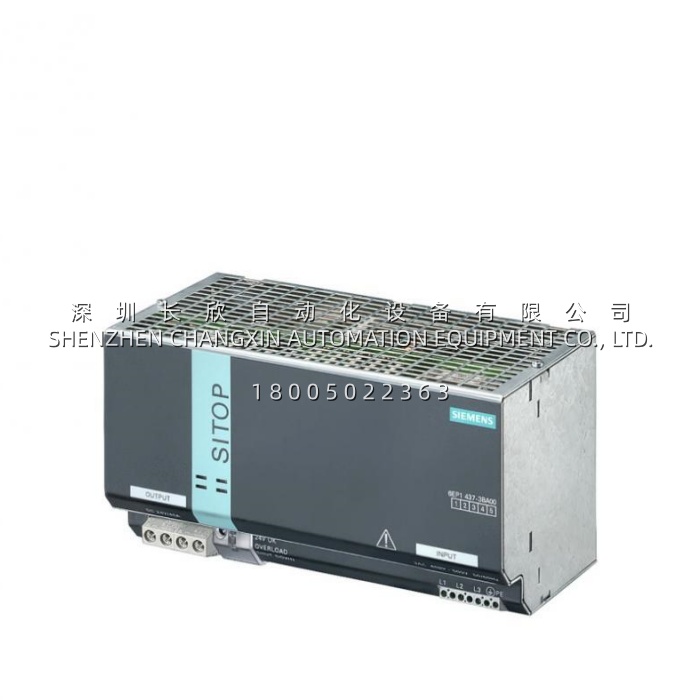
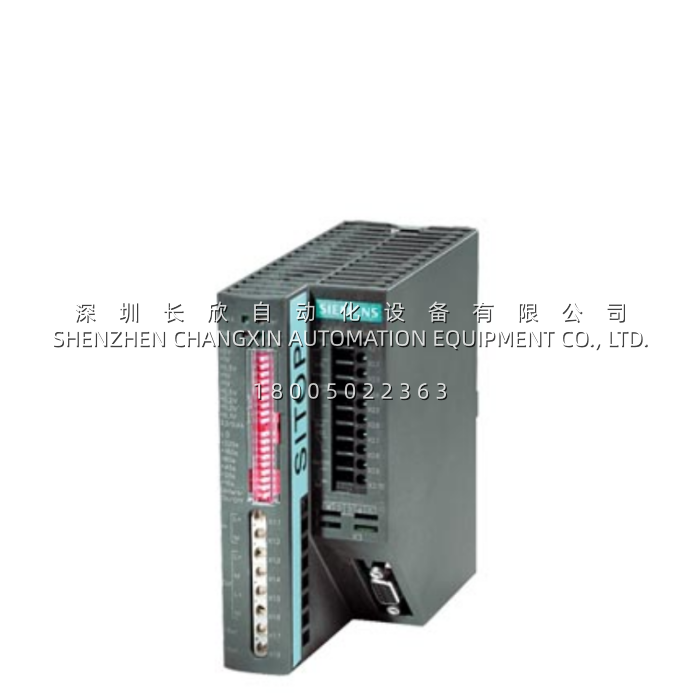
A mid-size bottled-water line in Southeast Asia runs its packing-sequence IPC (Windows-based, controlling vision + robot pick) off a SITOP PSU8200 24 V/10 A with no buffering. Every time the site’s 200 kVA genset transfer kicked in during afternoon grid brownouts (≈350 ms gap), the IPC lost its SQL connection to the MES layer and the robot dropped three cases — roughly €1.8k in scrap per event, twice a week in monsoon season. The integrator slotted a Siemens 6EP1931-2DC42 between the PSU and the IPC load branch, hung a 6EP1971-0BA10 3.2 Ah battery on its terminals, and set buffer time to 120 s via the USB config tool. Now the IPC rides through the genset gap plus another 90 s of “post-transfer wobble” without a hiccup — and the Siemens 6EP1931-2DC42‘s “Bat > 85%” and “Battery needs replacement” relay contacts feed back to the S7-1200 for preventive battery swap alerts. For any small-to-mid 24 V DC load where a 200 ms–2 s power dip means lost batch, corrupted database, or an unsupervised IPC reboot, the Siemens 6EP1931-2DC42 is the €200 insurance policy that saves the €10k outage.
Parameter:
| Main Parameters | Value/Description |
|---|---|
| Product Model | Siemens 6EP1931-2DC42 |
| Manufacturer | Siemens AG (SITOP family) |
| Product Category | DC-UPS Buffering Module (24 V DC, 6 A) |
| Input Voltage | 22 … 29 V DC (rated 24 V DC / 6.85 A max) |
| Output Voltage | 24 V DC (normal: V_in − ~0.5 V; buffering: 19 … 28.5 V DC) |
| Output Current | 0 … 6 A (rated), peak 6.3 A |
| Output Power | 144 W (typical at rated) |
| Buffer Threshold | Default 22.5 V DC; adjustable 22 … 25.5 V DC in 0.5 V steps |
| Buffer Time Setting | 5 … 635 s (10 s increments via DIP) or “max” governed by battery/load |
| Battery Charging Current | 0.2 A / 0.4 A (selectable, matches 6EP1971 battery sizes) |
| Efficiency | 95 % (mains mode), 94.5 % (battery mode) |
| Interfaces | USB (PC configuration), floating relay contacts: OK/Bat, Alarm/Bat, Bat > 85% |
| Operating Temperature | –25 … +60 °C (natural convection) |
| Ingress Protection | IP20 |
| Mounting | 35 mm DIN rail, 125 × 50 × 125 mm (W×H×D) |
| Certifications | CE, UL 508 / cULus, EAC, ABS, DNV, EN 55022 Class B |
| MTBF @ 40 °C | ~904,000 h |
Technical Principles and Innovative Values:
- Innovation Point 1: External-battery architecture with zero DC-DC conversion in normal mode. The Siemens 6EP1931-2DC42 passes the PSU’s 24 V straight through to the load (V_in − 0.5 V drop only) during normal operation — no double-conversion loss, hence the 95 % efficiency. Battery inversion kicks in only when input sags below the adjustable threshold (default 22.5 V). This keeps the module cool (7 W loss at full load) and lets the battery sit trickle-charged until actually needed.
- Innovation Point 2: USB-native configuration without vendor cable. Unlike the -2DC31 sibling (RS-232 serial only), the Siemens 6EP1931-2DC42 exposes a mini-USB port that connects to a laptop running Siemens’ SITOP UPS configuration tool — buffer threshold, buffer duration, auto-shutdown trigger for IPC, and battery-type pairing (sets 0.2 A vs 0.4 A charge current) are all point-and-click. For panels built in the last 15 years, USB is far friendlier than hunting a DB9 serial port.
- Innovation Point 3: Three floating relay diagnostics baked in. The Siemens 6EP1931-2DC42 surfaces “OK/Bat” (normal vs. buffering), “Alarm/Bat” (buffer exhausted or battery fault), and “Bat > 85%” (battery healthy) as dry-changeover contacts rated 60 V DC / 1 A. These land straight on the downstream PLC’s DI points — so the S7-1200 or LOGO! knows the battery state without any comms telegram, and can raise a “order a new 6EP1971” work order 6 weeks before the IPC actually crashes.
- Innovation Point 4: DIP-switch buffer timer with “non-forced interrupt” for IPC auto-restart. The Siemens 6EP1931-2DC42 lets you set buffer duration (5–635 s) and, crucially, defines what happens after buffer expires: if mains returns within 5 minutes, the output stays interrupted for a defined pause then auto-restarts — a deliberate feature so an IPC that was gracefully shut down by the UPS signaling gets a clean power-cycling restart when the line comes back, no site visit needed.
Application Cases and Industry Value:
A small municipal water-treatment kiosk in rural Austria runs a SIMATIC IPC277E (HMI+soft-PLC hybrid) on a SITOP PSU8200 24 V/6 A, logging chlorine-dose setpoints and turbidity to a local SQLExpress. The site’s overhead feeder drops 3–4 times a year during storm seasons — each drop corrupts the SQL log and forces a 45-minute manual resync. After the third corruption in 14 months, the integrator added a Siemens 6EP1931-2DC42 + 6EP1971-0BA00 1.2 Ah battery between PSU and IPC (the rest of the 24 V load — DO relays for chlorine dosing pumps — stayed on the PSU direct, not buffered, to save battery amp-hours). Buffer time set to 300 s via USB tool; IPC configured to listen for the Siemens 6EP1931-2DC42‘s “Alarm/Bat” contact via its DI, triggering a graceful SQL checkpoint + Windows shutdown after 180 s, well inside the 300 s window. Over the next two storm seasons: three feeder drops, zero SQL corruptions, zero site visits. The plant’s maintenance chief estimated the €190 module + €85 battery paid for itself on the second event (previous corruptions needed a contract IT guy on-site at €350/callout).A food-packaging OEM standardized the Siemens 6EP1931-2DC42 across its mid-tier wrapper SKU — the machine’s S7-1200 + KTP700 HMI + servo drives run off a PSU8200 24 V/10 A, but the S7+HMI branch is tapped off through the Siemens 6EP1931-2DC42 + 3.2 Ah battery while the servos stay on raw PSU (intentionally not buffered — servos can fault on brownout, that’s fine, the sequence logic survives). The OEM’s rationale: during a line-wide E-stop or upstream MCC trip, the S7+HMI stay alive 4–6 minutes to log the fault context and keep the HMI screen up so the operator sees which guard door or photoeye triggered the stop, rather than staring at a blank KTP rebooting. The Siemens 6EP1931-2DC42‘s “Bat > 85%” contact feeds the S7’s diagnostics FB so the OEM’s service portal emails the plant spares clerk when any wrapper’s battery drifts below threshold — turning a “surprise dead battery during Diwali shutdown” into a scheduled courier drop.