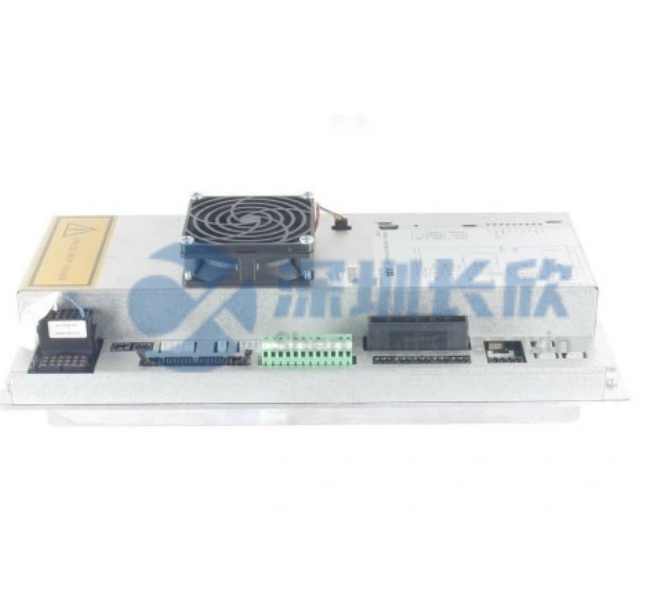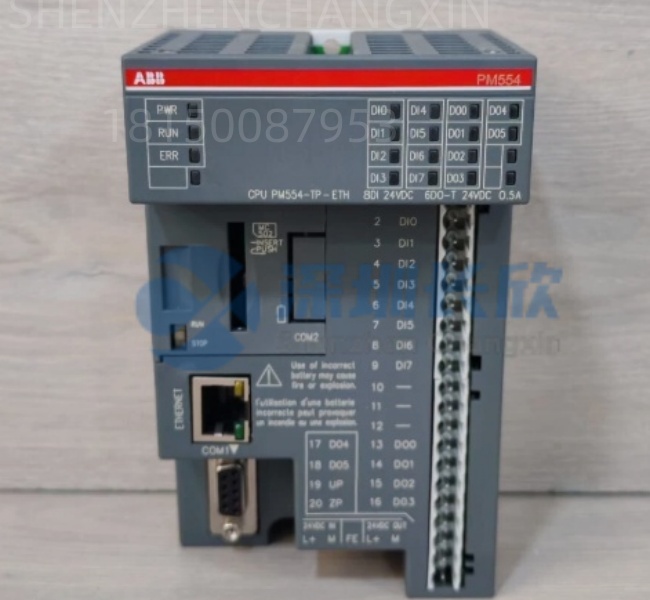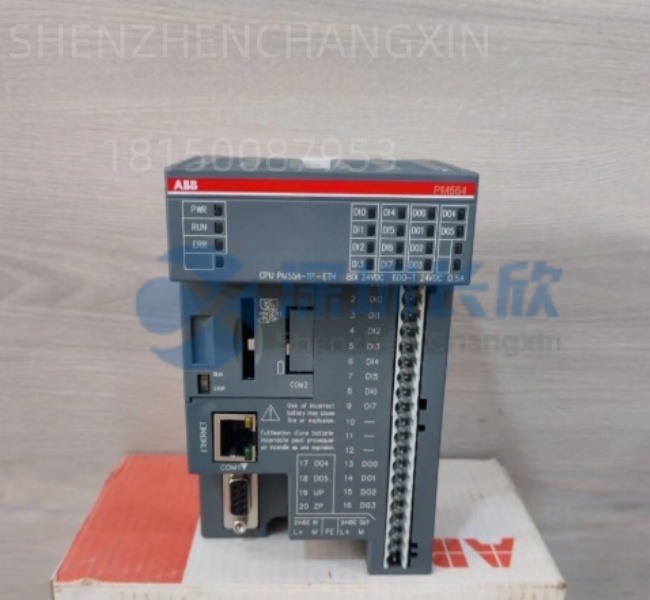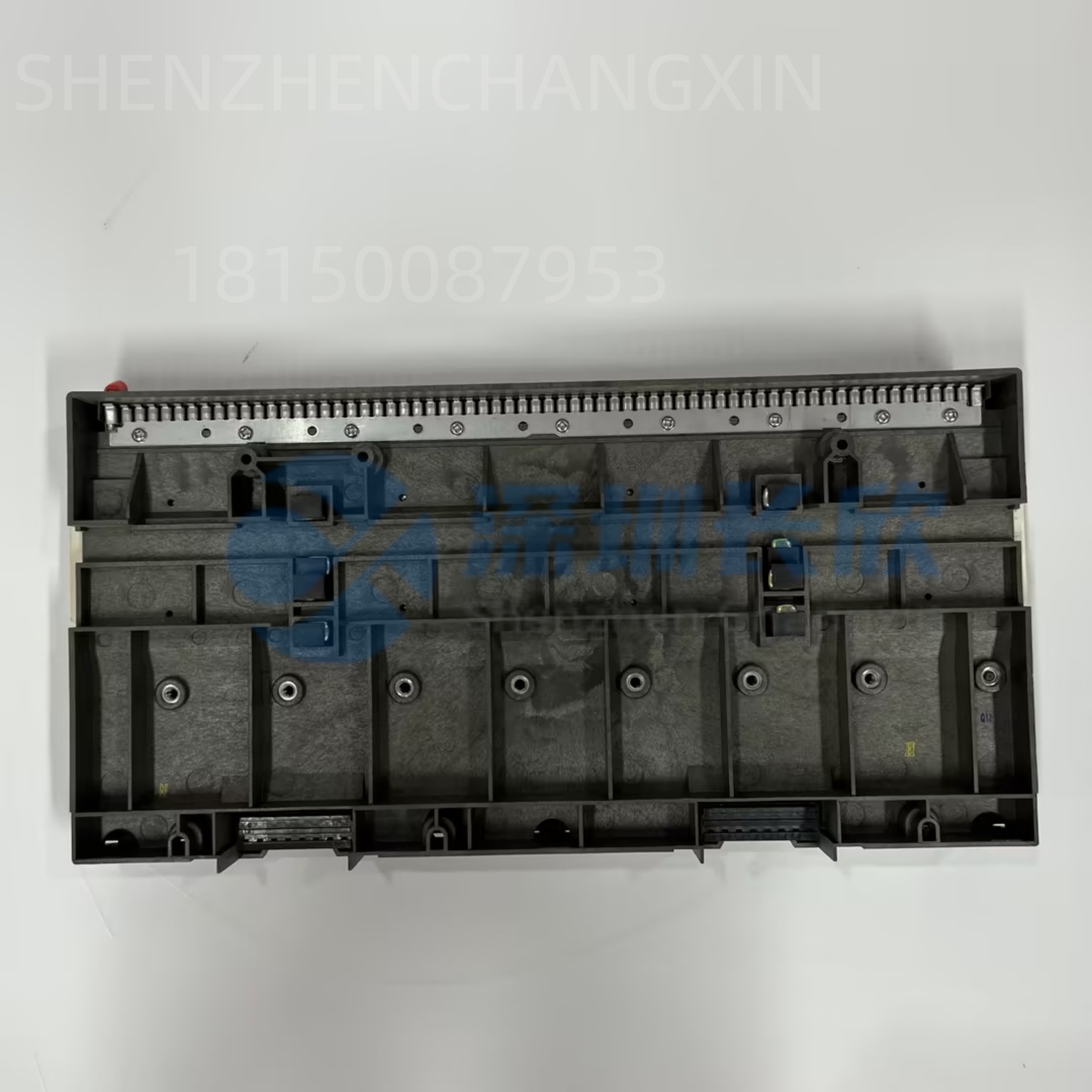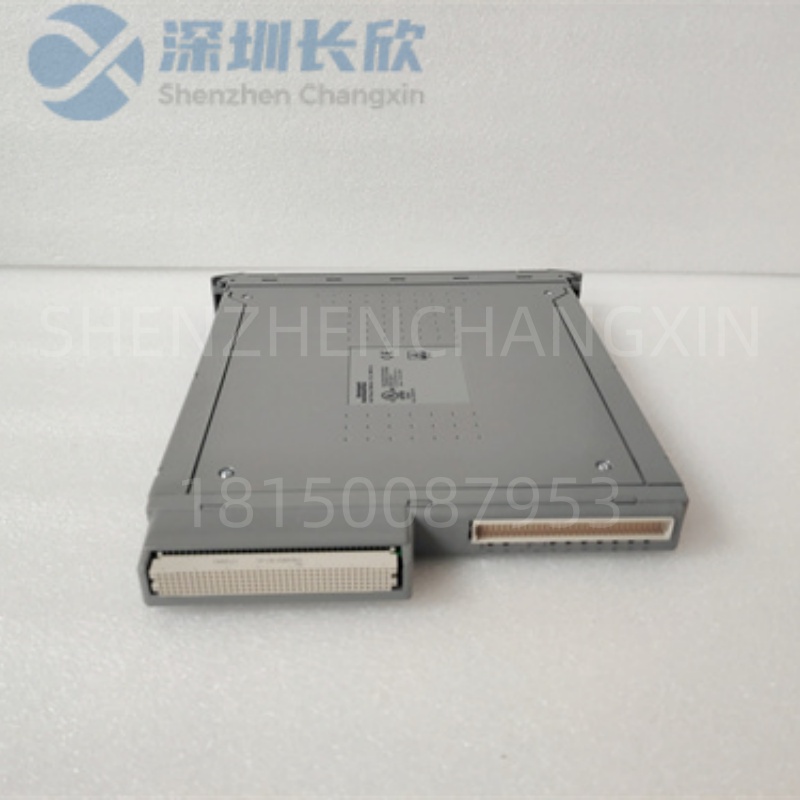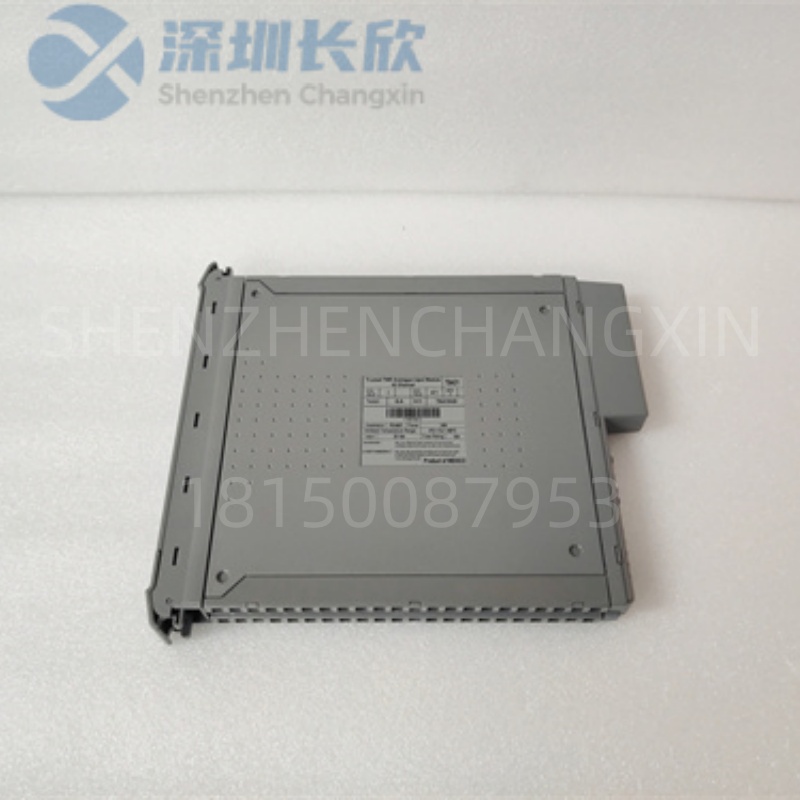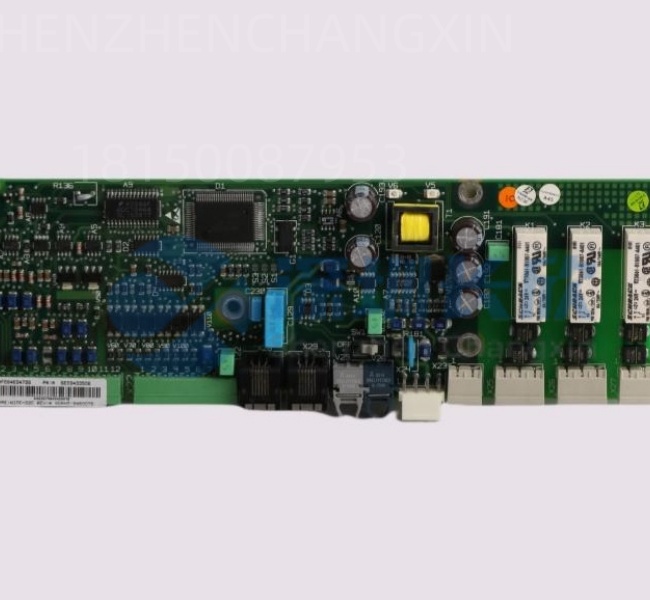
ABB CS513 3BSE000435R1 Serial Communication Module – RS-232/RS-485 for AC 800M & System 800xA缩略图

ABB CS513 3BSE000435R1 Serial Communication Module – RS-232/RS-485 for AC 800M & System 800xA
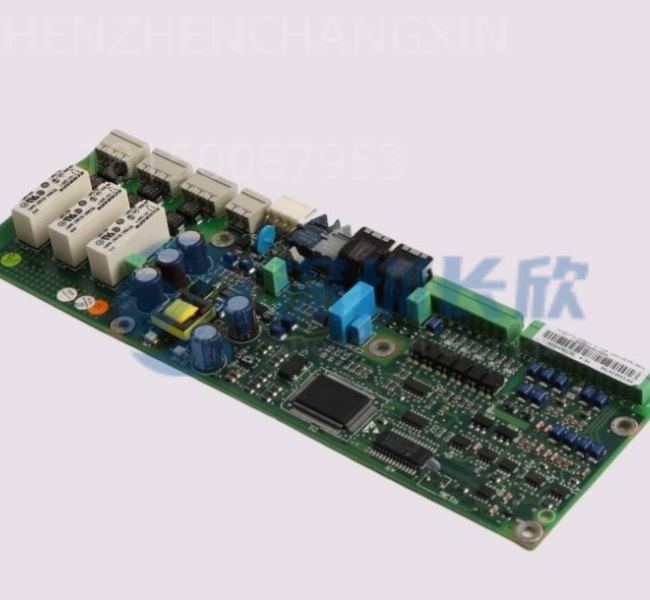
ABB CS513 3BSE000435R1 Serial Communication Module – RS-232/RS-485 for AC 800M & System 800xA插图
Description

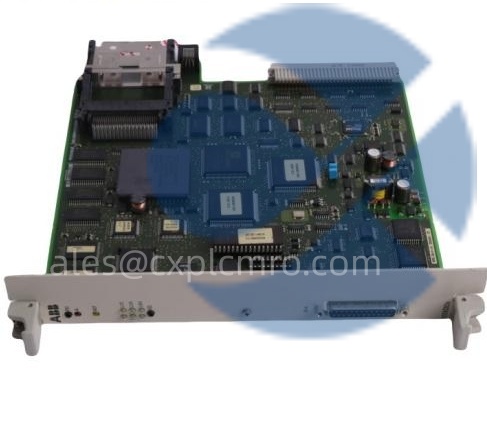
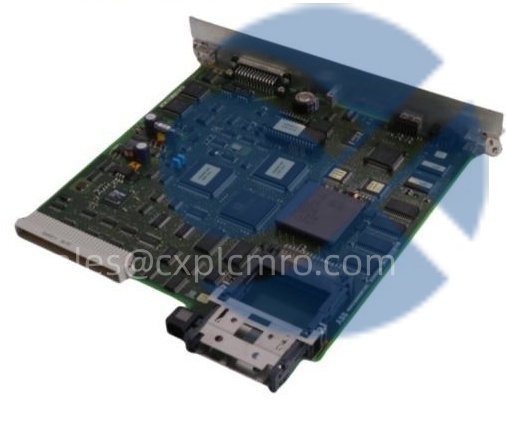
The ABB CS513 3BSE000435R1 is a dual-channel serial communication module designed for the ABB AC 800M programmable logic controller (PLC) platform, serving as a critical bridge between modern control systems and legacy field devices. It supports multiple industrial protocols—including Modbus RTU, Allen-Bradley DF1. and Siemens 3964R—over isolated RS-232 or RS-485 interfaces.

Engineered for reliability in harsh environments, the ABB CS513 3BSE000435R1 eliminates the need for external protocol converters, enabling direct, secure, and deterministic data exchange within the native ABB System 800xA architecture.

Application Scenarios

At a hydroelectric dam in Scandinavia, operators struggled to integrate aging turbine governors—equipped only with RS-485 Modbus ports—into their new ABB System 800xA control room. Third-party gateways introduced latency and dropped packets during peak load changes, risking grid instability. The solution? Install the ABB CS513 3BSE000435R1 directly into the AC 800M rack alongside a UAC389 CPU. Within hours, real-time speed, guide vane position, and fault status streamed reliably at 38.4 kbps—enabling closed-loop control that met national grid compliance. “This module turned obsolete hardware into smart assets,” said the site’s lead engineer. In brownfield modernization, the ABB CS513 3BSE000435R1 doesn’t just connect devices—it unlocks decades of embedded intelligence.

Technical Principles and Innovative Values

Innovation Point 1: Native Protocol Handling Without Middleware

Unlike generic serial cards that require OPC servers or custom drivers, the ABB CS513 3BSE000435R1 processes protocols directly in firmware. Modbus registers appear as standard I/O tags in Control Builder M—no scripting, no latency-inducing layers.

Innovation Point 2: True Dual-Channel Independence

Each port on the ABB CS513 3BSE000435R1 can run a different protocol at a different baud rate (e.g., Port 1: Modbus RTU @ 9600 bps to a flow meter; Port 2: DF1 @ 19.2 kbps to a legacy PLC). This flexibility avoids the need for multiple modules.

Innovation Point 3: Hardware-Grade Electrical Protection

The ±2.5 kV isolation isn’t just for compliance—it’s a field-proven defense against lightning-induced transients common in outdoor substations and pumping stations. This prevents cascading failures that could take down an entire AC 800M rack.

Innovation Point 4: Seamless Redundancy Integration

When used with redundant UAC389 controllers, the ABB CS513 3BSE000435R1 automatically synchronizes communication states during failover, ensuring uninterrupted polling of critical field devices—a rare capability among serial modules.

Application Cases and Industry Value

A wastewater treatment plant in Australia deployed the ABB CS513 3BSE000435R1 to connect 18 legacy sludge pumps (with Modbus RTU) and 6 chemical dosing skids (using DF1 protocol) to a centralized AC 800M system. Previously, manual checks consumed 20+ labor hours weekly. After integration, all data flowed into 800xA dashboards, enabling predictive maintenance and reducing chemical overuse by 22%. “We cut operational costs and improved compliance—all with one module,” noted the facility manager.

In a European steel mill, the ABB CS513 3BSE000435R1 enabled real-time monitoring of cooling tower fan VFDs located 800 meters from the control room. The RS-485 interface with proper termination delivered error-free communication despite high EMI from arc furnaces—proving its robustness where wireless or Ethernet would have failed.

Related Product Combination Solutions

ABB UAC389: Primary AC 800M CPU—processes data from ABB CS513 3BSE000435R1 in real time

ABB TK811V015: Standard I/O baseplate—hosts ABB CS513 3BSE000435R1 and other modules

ABB Control Builder M: Engineering environment—used to configure protocol blocks and map I/O for ABB CS513 3BSE000435R1

ABB CI854: Profibus DP module—complements ABB CS513 3BSE000435R1 for hybrid fieldbus networks

ABB DI810 / AI810: Digital and analog I/O modules—often installed in same rack as ABB CS513 3BSE000435R1

ABB 800xA System: Full DCS platform—where data from ABB CS513 3BSE000435R1 appears in HMI, historian, and alarm systems

ABB CS514: Higher-performance successor with faster processor and extended protocol support

ABB RCU (Remote Communication Unit): For long-distance serial extension—pairs with ABB CS513 3BSE000435R1 in distributed sites

Installation, Maintenance, and Full-Cycle Support

Installation of the ABB CS513 3BSE000435R1 begins with inserting it into a powered-off AC 800M baseplate until the latch clicks. Use shielded twisted-pair cable for RS-485 (e.g., Belden 3105A), grounding the shield at the controller end only. Termination resistors (120 Ω) must be enabled at the farthest device on each bus. Configuration is done entirely in Control Builder M using pre-certified function blocks—no DIP switches or hex editors required.

Maintenance is minimal: the module has no moving parts or batteries. Monthly checks should include verifying front-panel LEDs (green = active, red = fault) and reviewing communication error counters in 800xA. If a channel fails, the issue is typically cabling or field device—not the module itself. Should replacement be needed, hot-swap capability (with HS baseplate) allows live extraction. ABB guarantees support for the CS513 series through 2030+, and our technical team provides lifetime compatibility validation, configuration templates, and rapid-response troubleshooting.
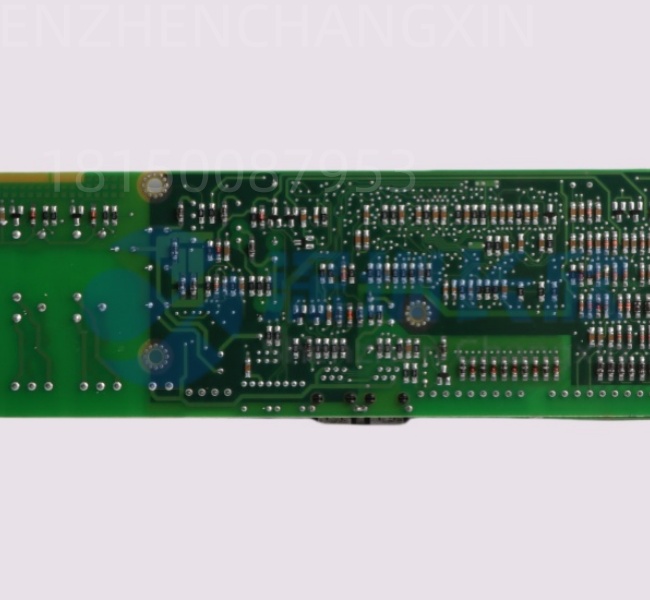
ABB CS513 3BSE000435R1 Serial Communication Module – RS-232/RS-485 for AC 800M & System 800xA插图1

ABB 5SDF1045H0002: High-Reliability 4500V/1000A Thyristor Module for Industrial Power Control缩略图

ABB 5SDF1045H0002: High-Reliability 4500V/1000A Thyristor Module for Industrial Power Control

ABB 5SDF1045H0002: High-Reliability 4500V/1000A Thyristor Module for Industrial Power Control插图
Description

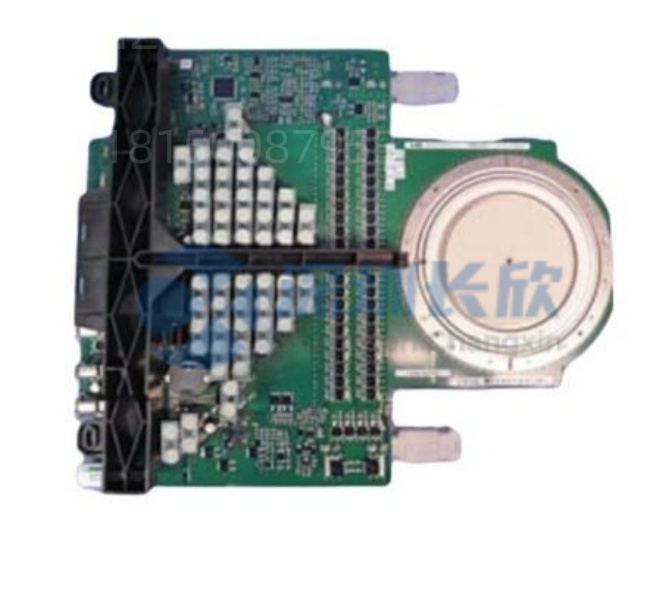
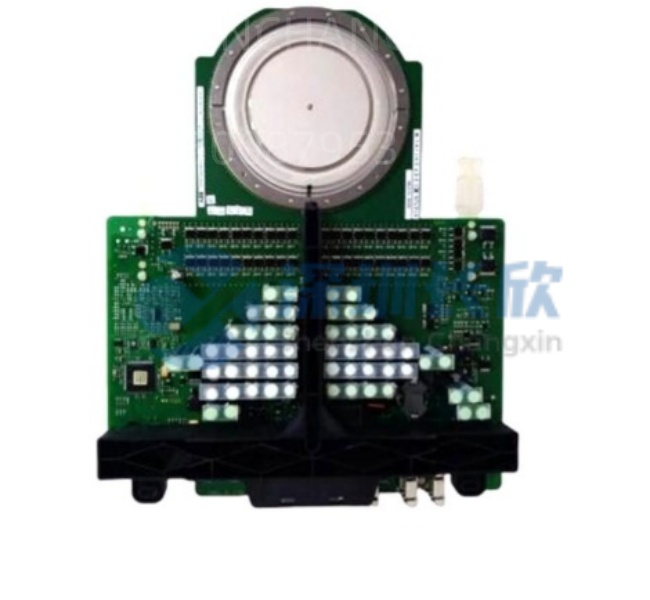
The ABB 5SDF1045H0002​ is a high-performance, disc-type thyristor (silicon-controlled rectifier) module from ABB’s renowned power semiconductor portfolio. Designed as a critical switching component in high-power conversion and control circuits, this module is engineered to manage extreme voltages and currents with precision and reliability. It serves as the workhorse in applications requiring robust and efficient power handling, from industrial motor drives to large-scale renewable energy inverters.

Application Scenarios

Within the control cabinet of a massive electric arc furnace at a steel mill, the precise regulation of immense electrical power is paramount for efficient melting. Traditional contactors and breakers were causing voltage spikes and excessive wear during the frequent switching cycles required for temperature control. The engineering team integrated the ABB 5SDF1045H0002​ thyristor modules into a new solid-state power controller. These modules, arranged in an anti-parallel configuration, enabled smooth, phase-angle control of the current supplied to the furnace electrodes. The 5SDF1045H0002’s high surge current capability handled the intense inrush currents during scrap charging, while its fast switching characteristics minimized harmonic distortion on the plant’s power grid. The result was a 15% reduction in energy consumption per ton of steel, smoother furnace operation, and a dramatic decrease in maintenance downtime related to mechanical contactor failures.

Parameter

The ABB 5SDF1045H0002​ is defined by its exceptional electrical and thermal ratings, suitable for the most demanding power control environments.

Technical Principles and Innovative Values

Innovation Point 1: Hermetically Sealed Rugged Construction: The ABB 5SDF1045H0002​ utilizes a robust, hermetically sealed ceramic package. This design is not merely for protection; it ensures a stable internal environment for the silicon die, preventing degradation from humidity and contaminants. This translates to a proven operational lifespan exceeding 100.000 hours in continuous, harsh industrial service, a key differentiator from plastic-encapsulated modules .

Innovation Point 2: Optimized for Fast Switching and Low Losses: The module’s design minimizes internal inductance and capacitance, achieving high di/dt (150 A/µs) and dv/dt (1000 V/µs) ratings. This allows for very fast turn-on and enables it to block voltage quickly after commutation. The benefit is a significant reduction in switching losses—up to 15% compared to conventional thyristors—which directly improves system efficiency and reduces cooling requirements .

Innovation Point 3: Symmetrical Design for Easy Scalability: The 5SDF1045H0002​ features a symmetrical electrical and thermal design. This is crucial for high-power applications where multiple devices must be connected in parallel or series to handle higher currents or voltages. The symmetry ensures current sharing is more even between paralleled devices, preventing one module from overheating and failing prematurely, thereby enhancing system reliability and power scalability.

Application Cases and Industry Value

A hydroelectric power plant was upgrading its static excitation system for its large synchronous generators. The existing thyristor bridges were aging, causing unreliable generator field control and risking unit instability during grid disturbances. The plant selected the ABB 5SDF1045H0002​ for the new excitation system’s six-pulse bridge.

During commissioning, the new system demonstrated exceptional performance. The fast and consistent switching of the 5SDF1045H0002​ modules provided smoother DC output to the generator field, improving the dynamic response to grid frequency changes. Plant engineers noted that the system maintained tighter voltage regulation and provided better damping of power oscillations. After two years of operation, there have been zero failures attributed to the thyristor modules. The chief engineer reported, “The upgrade has not only restored reliability but has given us a more responsive and efficient excitation system. The low thermal losses of the ABB modules have also reduced the cooling load in the excitation cubicle.” This case underscores the module’s value in critical infrastructure where reliability and performance are non-negotiable.

Related Product Combination Solutions

A complete power conversion solution often involves several complementary components to the ABB 5SDF1045H0002:

ABB Gate Drive Units (e.g., ABB 5SXE/GDU series): Specifically designed trigger units that provide the precise, high-power gate pulses required to reliably turn on the 5SDF1045H0002​ thyristor.

ABB Snubber Circuits & Protection Modules: RC snubber networks and voltage clamping devices (like MOVs) are essential to protect the 5SDF1045H0002​ from voltage spikes during switching and from network-borne surges.

ABB Heatsinks & Thermal Interface Materials: Given its high current rating, pairing the module with an appropriately sized forced-air or liquid-cooled heatsink (with high-quality thermal grease) is critical to maintain the junction temperature within safe limits.

ABB 5SDF Series Complementary Modules: Other members of the 5SDF family with different voltage/current ratings (e.g., 5SDF0860H0003. 5SDF10H4502) can be used in the same system for different phases or arms of a bridge, ensuring compatibility.

Fast Recovery Diodes (e.g., ABB 5SDF 10H4502): In inverter or chopper circuits, fast recovery diodes are used in antiparallel or series configuration with the 5SDF1045H0002​ to handle freewheeling or reverse recovery currents.

Current Sensors & Hall Effect Transducers: Accurate current measurement is vital for control and protection. Sensors feed back current information to the controller managing the 5SDF1045H0002’s firing angles.

Fuses & DC Link Capacitors: High-speed semiconductor fuses protect the module and wiring from short-circuit faults, while DC link capacitors provide local energy storage and smooth the input voltage.

Installation, Maintenance, and Full-Cycle Support

Installation and Commissioning: Proper installation of the ABB 5SDF1045H0002​ is critical for performance and longevity. The module must be mounted onto a flat, clean heatsink using the specified torque for bolt-down types or the correct pressure for press-fit types. A thin, even layer of thermal grease is essential to minimize thermal resistance. Electrical connections must be made with busbars or heavy-gauge cables to handle the high current, ensuring low inductance and secure terminations. During commissioning, the gate drive circuitry must be verified to deliver pulses with sufficient amplitude, rise time, and duration. It is also crucial to test the snubber and protection circuits before applying full power.

Routine Maintenance and Lifecycle Support: The module itself requires no routine maintenance, but the system it resides in does. Periodic thermal imaging of the heatsink and connections can identify hot spots indicating poor contact or failing thermal paste. Monitoring the cooling system (fans, pumps) is vital. In the event of a failure, the cause (e.g., overcurrent, overvoltage, loss of cooling) must be diagnosed and rectified before replacing the module. We provide comprehensive support, from supplying genuine ABB 5SDF1045H0002​ modules with traceable documentation to offering technical guidance on system design, protection, and troubleshooting. Our services extend to legacy system support, helping you manage obsolescence and ensure the continued operation of your critical power electronics.
ABB 5SDF1045H0002: High-Reliability 4500V/1000A Thyristor Module for Industrial Power Control插图1

FOXBORO RH928AW: High-Density Remote I/O for Scalable and Reliable Process Automation缩略图

FOXBORO RH928AW: High-Density Remote I/O for Scalable and Reliable Process Automation

FOXBORO RH928AW: High-Density Remote I/O for Scalable and Reliable Process Automation插图
In the evolving landscape of distributed control systems (DCS), the ability to extend I/O capacity reliably—without compromising performance or increasing engineering complexity—is a critical requirement for modern process facilities. The FOXBORO RH928AW remote I/O module, part of Schneider Electric’s (formerly Invensys) FOXBORO I/A Series ecosystem, addresses this need with a robust, high-density design tailored for demanding applications in power generation, chemical processing, oil & gas, and water/wastewater treatment. As a 16-channel isolated analog input module supporting both voltage and current signals, the RH928AW delivers precision measurement, advanced diagnostics, and seamless integration into existing DCS architectures—enabling engineers to scale their control strategies while maintaining signal integrity across long distances and harsh environments.

Precision Measurement in Challenging Industrial Environments

The FOXBORO RH928AW is engineered for accuracy and resilience. Each of its 16 channels provides galvanic isolation (up to 500 VAC) between field devices and the system backplane, effectively eliminating ground loops—a common source of noise-induced drift in analog measurements. This isolation is particularly valuable in facilities with extensive cabling runs, such as combined-cycle power plants or pipeline compressor stations, where potential differences between grounding points can corrupt low-level sensor signals.

The module supports a wide range of input types:

Current: 4–20 mA (with optional 0–20 mA)

Voltage: ±10 V, 0–10 V, 1–5 V

With 16-bit resolution and an accuracy of ±0.1% of span (typical), the RH928AW captures subtle process variations—essential for applications like boiler drum level control, reactor temperature profiling, or effluent pH monitoring. Its built-in open-wire detection automatically flags broken sensor loops, reducing troubleshooting time and preventing undetected measurement failures that could lead to unsafe conditions or product quality issues.

Moreover, the module operates reliably across an industrial temperature range (0°C to +60°C) and features conformal coating options for deployment in high-humidity or corrosive atmospheres—common in offshore platforms or coastal water treatment plants.

Seamless Integration into the FOXBORO I/A Series Architecture

One of the RH928AW’s greatest strengths lies in its native compatibility with the FOXBORO I/A Series DCS. It mounts directly into RH9xx-series remote I/O bases, which connect to the main controller (e.g., CP60 or CP80) via redundant FOXNET or Ethernet-based communication links. This allows I/O to be distributed close to field devices—reducing cable costs, minimizing signal degradation, and simplifying cabinet layouts.

Configuration is handled through FOXBORO’s Engineering Studio or legacy Composer software, where each channel is assigned engineering units, scaling parameters, alarm limits, and diagnostic thresholds. Once deployed, all data—including real-time values, quality status (e.g., “GOOD,” “BAD”), and fault flags—appears natively in operator displays, trends, and alarm summaries without custom scripting or OPC tunneling.

This tight integration also enables hot-swap capability: if a module fails, it can be replaced during live operation. The system automatically reinitializes the new unit and restores I/O mapping—minimizing downtime in continuous processes.

Real-World Deployments: From Refineries to Renewable Energy

Petrochemical Crude Unit – Gulf Coast USA

A major refinery upgraded its atmospheric distillation column instrumentation using RH928AW modules to monitor tray temperatures, reflux flow, and pressure differentials. With over 200 analog inputs consolidated into just 13 RH928AW units, the team reduced marshaling panel complexity by 60%. More importantly, open-wire detection caught a failing thermocouple extension cable before it caused a false low-temperature reading that could have triggered an unnecessary shutdown. “It turned passive wiring into an active diagnostic layer,” said the senior controls engineer.

Biomass Power Plant – Northern Europe

In a facility burning wood chips for district heating, flue gas oxygen and temperature sensors are exposed to high particulate loads and thermal cycling. Previous I/O systems suffered from intermittent signal dropouts due to connector corrosion. After installing RH928AW modules in sealed enclosures with conformal-coated PCBs, the plant achieved 18 months of uninterrupted operation. “Even during winter startups with condensation risks, the readings stayed stable,” reported the automation manager.

Municipal Wastewater Facility – Australia

A treatment plant used RH928AW units to digitize analog signals from dissolved oxygen probes, sludge blanket detectors, and chemical feed meters across three remote pump stations. By locating I/O racks near the sensors and communicating back to the central DCS over fiber-optic Ethernet, they eliminated over 5 km of analog cabling. Maintenance crews now receive automatic alerts when a DO probe fouls—based on implausible rate-of-change detected at the module level. “We’re not just measuring—we’re interpreting,” noted the SCADA coordinator.

Expert Recommendations for Optimal Performance

“Don’t treat the RH928AW like a generic AI card. Leverage its per-channel diagnostics—they’re your first line of defense against silent sensor failures.”

— DCS Specialist, Global EPC Firm

Field-tested best practices include:

Use shielded, twisted-pair cables for all analog inputs; ground shields at the I/O rack only.

Enable open-wire detection during commissioning—it adds negligible overhead but prevents undetected faults.

Avoid mixing high-power AC and low-level analog signals in the same conduit; EMI can induce offsets even in isolated modules.

Label spare channels clearly in configuration software to prevent accidental reuse during future modifications.

Long-Term Value in a Legacy-to-Modern Transition Era

Although the FOXBORO I/A Series is a mature platform, Schneider Electric continues to support the RH928AW with firmware updates, spare parts, and migration paths to newer systems like EcoStruxure Foxboro DCS. Many operators choose to retain RH928AW-based remote I/O during partial upgrades because of its reliability and the high cost of replacing field wiring.

This longevity makes the module a strategic asset—not just a component. For facilities balancing operational continuity with digital transformation, the FOXBORO RH928AW offers a proven, scalable way to extend the life of existing infrastructure while laying groundwork for future enhancements.

Conclusion: Intelligence at the Edge of the Control Loop

The FOXBORO RH928AW exemplifies how thoughtful I/O design can elevate system-wide performance. By combining high-density analog capture, galvanic isolation, and embedded diagnostics within a trusted DCS framework, it transforms raw sensor data into actionable, trustworthy information. In an age where data quality underpins everything from predictive maintenance to regulatory compliance, this module remains a quiet but vital enabler of safe, efficient, and resilient industrial operations.
FOXBORO RH928AW: High-Density Remote I/O for Scalable and Reliable Process Automation插图1

MOOG D136-001-007 Servo Valve – High-Response Electrohydraulic Control for Industrial & Mobile Hydraulics缩略图

MOOG D136-001-007 Servo Valve – High-Response Electrohydraulic Control for Industrial & Mobile Hydraulics

MOOG D136-001-007 Servo Valve – High-Response Electrohydraulic Control for Industrial & Mobile Hydraulics插图
Description

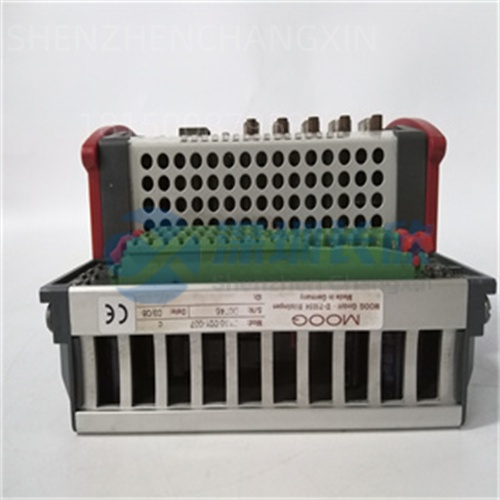
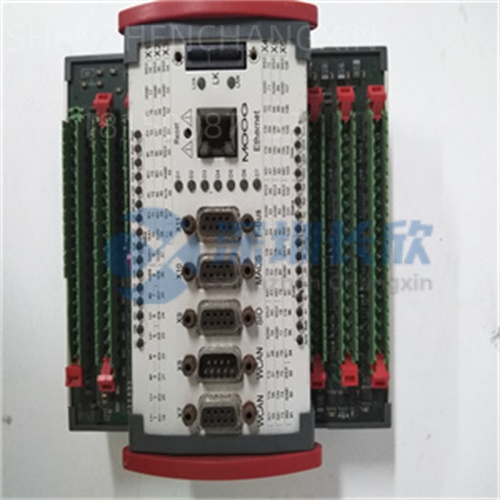
The MOOG D136-001-007 is a high-performance, two-stage electrohydraulic servo valve engineered by Moog Inc. for precise flow and pressure control in demanding industrial, mobile, and test applications. As part of Moog’s legendary D-Series family, it combines analog electrical input with hydraulic amplification to deliver exceptional dynamic response, stability, and repeatability.

Designed for systems requiring fast, accurate actuator positioning—such as material testing machines, flight simulators, or metal forming presses—the MOOG D136-001-007 sets the benchmark for reliability in harsh environments where failure is not an option.

Application Scenarios

At a leading automotive crash test facility in Germany, engineers struggled with inconsistent deceleration profiles during sled tests due to sluggish valve response in their hydraulic system. After replacing legacy valves with the MOOG D136-001-007. they achieved repeatable acceleration curves within ±0.5% across 500+ test cycles—critical for validating airbag deployment algorithms. “The linearity and bandwidth of this valve transformed our data quality,” said the lead test engineer. In high-stakes applications like structural validation, aerospace simulation, or steel mill roll gap control, the MOOG D136-001-007 doesn’t just move fluid—it moves precision forward.
MOOG D136-001-007 Servo Valve – High-Response Electrohydraulic Control for Industrial & Mobile Hydraulics插图1

ABB Part 3HNA023093-001: Counterbalance Device for IRB 6600 Robot Arm Axis 2 & 3缩略图

ABB Part 3HNA023093-001: Counterbalance Device for IRB 6600 Robot Arm Axis 2 & 3

ABB Part 3HNA023093-001: Counterbalance Device for IRB 6600 Robot Arm Axis 2 & 3插图Description:

The ABB 3HNA023093-001​ is a genuine OEM counterbalance cylinder​ (also referred to as a counterbalance device or gas spring) manufactured by ABB Robotics. It is a critical mechanical component specifically designed for the IRB 6600-225/2.55​ model industrial robot . This device is installed on the robot’s upper and lower arms (typically associated with Axis 2 and Axis 3) to offset the weight of the robot arm and payload, reducing the load on the servo motors and ensuring smooth, precise, and energy-efficient movement .

Application Scenarios:

In an automotive manufacturing plant, an IRB 6600​ robot is used for heavy-duty spot welding, handling a 225 kg welding gun. Over thousands of cycles, the internal gas charge of the original counterbalance cylinder degrades, causing the robot arm to “sag” or drift when powered off, and increasing the strain on the Axis 2 and 3 motors during operation. This leads to positional inaccuracy in weld points, increased energy consumption, and accelerated wear on gearboxes. Replacing the worn unit with a genuine ABB 3HNA023093-001​ counterbalance cylinder restores the designed mechanical balance. This directly addresses the pain points of maintaining positioning accuracy, protecting expensive motors and reducers from overload, and ensuring consistent cycle times​ for uninterrupted production.

Technical Principles and Innovative Values:

Innovation Point 1: Precision Engineered Force Profile.​ The 3HNA023093-001​ is not a standard gas spring; it is engineered with a specific force vs. stroke characteristic​ that perfectly matches the torque profile required to balance the IRB 6600-225/2.55 arm throughout its entire range of motion. This customized force curve ensures that the assisting force is optimal at every arm position, minimizing the dynamic load variation on the servo motors and leading to smoother acceleration, reduced settling time, and improved path accuracy.

Innovation Point 2: Integrated Sealed System with Long-Life Design.​ The counterbalance is a maintenance-free, hermetically sealed unit​ pre-charged with dry nitrogen at the factory. It incorporates high-quality seals and a specially treated internal surface to minimize gas permeation and internal friction over time. This design aims to provide a consistent balancing force throughout its service life without requiring regassing, which is a common point of failure and maintenance hassle in older or non-genuine designs.

Innovation Point 3: System-Level Performance Optimization.​ ABB designs the counterbalance as an integral part of the robot’s dynamic system. The 3HNA023093-001​ is tuned not only for static weight compensation but also to work in harmony with the robot’s control system and vibration damping characteristics. Its proper function allows the robot to achieve its rated acceleration, deceleration, and maximum speed​ without overloading the motors, directly contributing to the robot’s published cycle time and path repeatability​ specifications.

Application Cases and Industry Value:

A food and beverage palletizing line using an IRB 6600 robot began experiencing slower cycle times and occasional axis overload alarms. Technicians noticed the robot’s arm would slowly sink when parked overnight. Diagnostics pointed to a failing counterbalance. They replaced it with a genuine ABB 3HNA023093-001. The maintenance supervisor reported: “The difference was immediate. The arm moved smoothly and held position perfectly when stopped. The axis motor temperatures dropped by about 15°C. Most importantly, our palletizing cycle time returned to the original specification, eliminating a production bottleneck. Using the OEM part gave us confidence in its longevity and performance match.”

Related Product Combination Solutions:

ABB IRB 6600 Robot Mechanical Unit:​ The complete robot for which the 3HNA023093-001​ is a spare part.

ABB IRC5 Robot Controller:​ The control system that drives the IRB 6600 robot.

Other IRB 6600 Wear Parts Kit:​ Often includes items like gear oil, seals, gaskets, and bearings​ for a major overhaul, which should be performed alongside counterbalance replacement.

Axis 2 and Axis 3 Motors & Gearboxes:​ The primary components whose load is reduced by a properly functioning counterbalance.

Robot Mounting Plate and Base:​ The foundational mechanical interface for the robot.

End-Effector (e.g., Gripper, Welding Gun):​ The tool whose weight is part of the payload balanced by the cylinder.

ABB RobotStudio Simulation & Programming Software:​ Used for offline programming and cycle time analysis, which depends on accurate robot dynamics models including counterbalance performance.

Installation, Maintenance, and Full-Cycle Support:

Installation of the ABB 3HNA023093-001 is a safety-critical procedure that must only be performed by trained and certified robot technicians following the official ABB repair manual.​ The robot must be powered down and locked out (LOTO). The arm must be securely supported with appropriate mechanical jacks or fixtures to prevent it from collapsing once the old counterbalance is disconnected, as it is under significant mechanical load. The procedure involves carefully releasing the gas pressure from the old unit (if possible per manual), unbolting it, installing the new 3HNA023093-001. and torquing the bolts to the specified values. Under no circumstances should an end-user attempt to disassemble, drill into, or recharge the cylinder, as it contains high-pressure gas.

The part itself is maintenance-free. The key maintenance activity is monitoring: observing the robot for signs of arm drift, listening for unusual motor strain sounds, and checking motor current readings during operation. Replacement is typically part of a preventive maintenance schedule​ (e.g., every 3-5 years or 20.000 hours) or as a corrective action when symptoms appear. Always use a genuine ABB part​ to ensure the correct force rating, dimensions, and safety integrity.

We provide comprehensive full-cycle support for the ABB 3HNA023093-001. Our service begins with technical verification to confirm compatibility with your specific robot serial number. We supply 100% genuine, factory-new ABB parts​ with full traceability. Our support includes providing access to the necessary technical documentation (safety instructions, installation drawings), and we can connect you with certified ABB service partners for professional installation if needed. We understand this component is vital for your robot’s performance and longevity, and we are committed to ensuring you receive the correct part and guidance to keep your production line running smoothly and safely.

WESTINGHOUSE 5X00062G01 – 16-Channel 4–20 mA Output Card for Turbine Governor, BMS & DCS Integration缩略图

WESTINGHOUSE 5X00062G01 – 16-Channel 4–20 mA Output Card for Turbine Governor, BMS & DCS Integration

WESTINGHOUSE 5X00062G01 – 16-Channel 4–20 mA Output Card for Turbine Governor, BMS & DCS Integration插图

Technical Overview

The WESTINGHOUSE 5X00062G01 is a high-performance analog output module engineered for integration into Westinghouse’s Ovation™ distributed control system (DCS) and legacy WDPF (Westinghouse Distributed Processing Family) platforms. Designed to drive field devices requiring precise current signals, this 16-channel module delivers isolated 4–20 mA outputs to control final elements such as pneumatic positioners, variable frequency drives (VFDs), damper actuators, and fuel metering valves. With an accuracy of ±0.1% of span and built-in diagnostics, the 5X00062G01 ensures stable, drift-free operation in demanding applications like turbine speed control, boiler combustion tuning, and emissions management—where even minor signal deviations can impact efficiency, safety, or regulatory compliance.

Certified to CE standards and rated for industrial temperature ranges, the module supports continuous operation in power generation, refining, and heavy manufacturing environments.

Real-World Application: Combined-Cycle Power Plant

At a 1.200 MW combined-cycle facility, the 5X00062G01 modules modulate inlet guide vanes on gas turbines and control feedwater valves in heat recovery steam generators (HRSGs). During a rapid load ramp event, the controller issued dynamic setpoints to maintain optimal air-fuel ratios. The 5X00062G01 responded with sub-5 ms latency and negligible overshoot, enabling smooth transitions without flame instability. “We’ve seen zero drift in valve positioning over 18 months,” noted the controls engineer. “That consistency directly improves our NOx compliance margins.”

Why Isolation and Diagnostics Matter

In dense I/O cabinets, ground loops and crosstalk can corrupt analog signals, leading to oscillations or incorrect actuator positions. The 5X00062G01 addresses this through:

Channel-to-channel and channel-to-backplane isolation, preventing fault propagation

Real-time open-wire detection: alerts operators if a field device disconnects

Overload protection: automatically limits current during short circuits, then recovers when fault clears

Calibration verification: stored trim values allow quick validation without external tools

These features reduce unplanned downtime and support predictive maintenance strategies.

User Feedback and Field Experience

“We replaced older analog cards with the 5X00062G01 during a DCS modernization. The LED diagnostics alone cut troubleshooting time by half.”

— Senior I&C Technician, Utility Power Station

Expert Recommendations:

Use twisted-pair, shielded cable for each output loop; ground shield at controller end only

Avoid sharing loop power supplies between critical and non-critical loops to prevent voltage sag

Perform annual loop calibration using Ovation’s built-in test functions—no need to break the circuit

In redundant architectures, assign critical control loops (e.g., turbine governor) to separate output modules

Ensure adequate airflow around the I/O chassis—high ambient temperatures can affect long-term stability

Integration Within the Ovation Ecosystem

The 5X00062G01 is a native component of Westinghouse’s integrated control architecture:

Configured and monitored via Ovation Engineering Tools, including channel scaling, alarm limits, and forced-output testing

Synchronizes with Ovation controllers for deterministic scan cycles as low as 50 ms

Supports historian trending of output values for performance analysis and regulatory reporting

Works alongside complementary modules like the 5X00059G01 (digital input) and 5X00060G01 (analog input) for complete control loops

This seamless integration ensures that analog outputs are treated as managed assets—not just signal sources.

Installation, Maintenance, and Lifecycle Support

Installation involves inserting the module into a designated slot in an Ovation I/O carrier and connecting field wiring to the terminal block. While not universally hot-swappable, many modern Ovation chassis support live replacement with proper procedures.

For maintenance:

Inspect terminal torque annually in high-vibration areas

Monitor diagnostic LEDs during routine rounds for early fault indication

Replace modules per Westinghouse’s Product Lifecycle Management (PLM) schedule—typically supported for 10+ years

Emerson (which now stewards the Westinghouse automation portfolio) continues to provide firmware updates, spares, and technical support for legacy and current systems alike.

Conclusion

The WESTINGHOUSE 5X00062G01 exemplifies how precision analog output technology enables reliable, efficient, and compliant plant operation. By delivering high-density, isolated, and diagnostically rich 4–20 mA signals within a proven DCS framework, it empowers engineers to close control loops with confidence—even in the most thermally and electrically challenging environments. Whether modulating combustion air in a 600°F boiler duct or fine-tuning steam flow in a nuclear auxiliary system, the 5X00062G01 remains a cornerstone of dependable process control. For facilities where performance and uptime are non-negotiable, it is not just an I/O card—it is a guarantee of operational fidelity.

ABB PM511V16 3BSE011181R1 High-Performance Controller – 32-Bit RISC Processor for Industrial Automation & Process Control缩略图

ABB PM511V16 3BSE011181R1 High-Performance Controller – 32-Bit RISC Processor for Industrial Automation & Process Control

ABB PM511V16 3BSE011181R1 High-Performance Controller – 32-Bit RISC Processor for Industrial Automation & Process Control插图
Description

The ABB PM511V16 3BSE011181R1 is a high-performance central processing unit (CPU) module for ABB’s AC 800M programmable automation controller (PAC), a core component of the 800xA distributed control system (DCS). Featuring 16 MB of program memory (double that of the PM511V08), a 32-bit RISC processor, and support for redundant configurations, it delivers deterministic real-time control for demanding applications in power generation, oil & gas, mining, and water treatment. Fully compliant with IEC 61131-3. it supports all five programming languages (LD, FBD, ST, SFC, IL) and integrates seamlessly with ABB’s engineering suite Control Builder M.

Application Scenarios

At a 600 MW combined-cycle power plant in Germany, operators faced cycle time overruns on their legacy PM511V08 controllers during coordinated boiler-turbine startups, causing delayed ramp rates and grid dispatch penalties. After upgrading to ABB PM511V16 3BSE011181R1 modules—leveraging the faster processor and expanded memory—the control logic executed in 0.7 ms (vs. 1.4 ms previously). This enabled tighter coordination between fuel valves, IGVs, and steam bypass systems. Over one year, startup efficiency improved by 9%, saving ~€1.2M in fuel and penalties. “The ABB PM511V16 didn’t just speed up our logic—it unlocked smarter control,” said the lead controls engineer.

Technical Principles and Innovative Values

Innovation Point 1: Expanded Memory Architecture – The 16 MB program memory enables complex algorithms (e.g., combustion optimization, surge prediction) without external co-processors—reducing system complexity and cost.

Innovation Point 2: Native 800xA Integration – The ABB PM511V16 3BSE011181R1 publishes alarms, trends, and diagnostics directly into the 800xA operator environment—no custom OPC servers needed.

Innovation Point 3: Deterministic Multi-Protocol Handling – Simultaneous support for PROFIBUS, Modbus RTU/TCP, and Ethernet/IP allows hybrid integration of legacy and modern field devices without gateways.

Innovation Point 4: Redundancy with Zero Bump Transfer – In redundant pairs, the standby CPU mirrors logic state in real time; failover occurs in <10 ms—transparent to field devices and operators.

Application Cases and Industry Value

In a Chilean copper mine, a critical slurry pump station controlled by an aging PM510 system suffered from unexplained logic resets during voltage sags. After migrating to ABB PM511V16 3BSE011181R1 with battery-backed RAM and enhanced watchdog timing, the system achieved 99.998% uptime over 18 months. During a major grid outage, the controller maintained sequence integrity and auto-restarted pumps once power returned—preventing $3.5M in potential production loss. “This CPU turned our control room from reactive to resilient,” noted the automation manager.

Related Product Combination Solutions

ABB TB850: I/O backplane that hosts PM511V16 and field modules

ABB CI854: Serial communication module—complements built-in ports for legacy device integration

ABB YPQ110A: PROFIBUS DP slave module—for connecting third-party drives

Control Builder M: Engineering tool for programming, simulation, and diagnostics

ABB 800xA System Platform: Full DCS environment where PM511V16 serves as the control engine

ABB PM512V16: Higher-end CPU with more memory and faster execution—used in large-scale applications

ABB SA811: Redundant power supply module—ensures continuous operation during PSU maintenance

Installation, Maintenance, and Full-Cycle Support

Installing the ABB PM511V16 3BSE011181R1 involves inserting it into slot 1 (or slot 2 for redundancy) of an AC 800M rack (e.g., TB850 backplane). It draws power from the backplane and requires no external wiring beyond optional battery backup for RAM retention. Configuration is done entirely via Control Builder M over Ethernet or service port.

Maintenance includes periodic firmware updates (delivered via .bin files), battery replacement (every 3–5 years), and monitoring CPU load via 800xA diagnostics. In redundant setups, hot-swapping is supported during planned outages. Every ABB PM511V16 3BSE011181R1 we supply undergoes full functional validation—including memory test, communication stress, and thermal cycling—and matches your system’s firmware revision. Backed by a 12-month warranty and supported by ABB-certified AC 800M engineers, we ensure your controller remains the reliable brain of your automation system.

Contact us for a customized solution—whether you’re upgrading legacy PACs, expanding a 800xA system, or implementing a new safety-critical process line, the ABB PM511V16 3BSE011181R1 delivers the performance, integration depth, and longevity that keep your operations running—precisely, securely, and efficiently.
ABB PM511V16 3BSE011181R1 High-Performance Controller – 32-Bit RISC Processor for Industrial Automation & Process Control插图1

ABB 216VC62A HESG324442R112/F: The Core Processing or Analog Input Module for REG216 Digital Generator Protection System缩略图

ABB 216VC62A HESG324442R112/F: The Core Processing or Analog Input Module for REG216 Digital Generator Protection System

ABB 216VC62A HESG324442R112/F: The Core Processing or Analog Input Module for REG216 Digital Generator Protection System插图
Description:

The ABB 216VC62A HESG324442R112/F​ is a high-performance industrial control module from ABB. Based on available information, it appears to serve multiple roles within ABB’s ecosystem. It is primarily recognized as a key component of the ABB REG216 digital generator protection system, where it functions as a processing or analog input unit . Additionally, some sources describe it as an industrial-grade variable frequency drive (VFD) control module​ for motor speed regulation in applications like steel rolling mills, chemical plants, and water treatment facilities . Its core value lies in its advanced digital signal processing capabilities​ and robust design, enabling reliable operation in critical power system protection and complex industrial automation scenarios.

Application Scenarios:

In a large thermal power plant, protecting the main generator from electrical faults (e.g., overcurrent, differential current) is paramount to prevent catastrophic equipment damage and grid instability. The ABB REG216​ protection system is deployed for this purpose. Within this system, the 216VC62A​ module (likely as a processing unit) continuously samples generator current and voltage signals . Its high-speed DSP (1.2 GHz)​ and 12-bit analog-to-digital conversion​ allow it to accurately digitize these signals and execute complex protection algorithms in real-time . This directly addresses the pain point of ultra-fast and reliable fault detection and isolation. When a fault is detected, the module contributes to issuing a trip command within milliseconds, isolating the generator to protect the asset and maintain overall power system stability.
ABB 216VC62A HESG324442R112/F: The Core Processing or Analog Input Module for REG216 Digital Generator Protection System插图1

EMERSON KJ4001X1-CK1 DeltaV Power Supply Module – 24 VDC Redundant Input, 10 A Output for Distributed I/O Systems缩略图

EMERSON KJ4001X1-CK1 DeltaV Power Supply Module – 24 VDC Redundant Input, 10 A Output for Distributed I/O Systems

EMERSON KJ4001X1-CK1 DeltaV Power Supply Module – 24 VDC Redundant Input, 10 A Output for Distributed I/O Systems插图
Description

The EMERSON KJ4001X1-CK1 is a high-performance, redundant-capable 24 VDC power supply module designed for Emerson’s DeltaV distributed control system (DCS), particularly within the CHARMs (Characterization Modules) I/O architecture. It delivers a stable, regulated 10 A output to power KJ400x-series I/O cards mounted on carrier assemblies in remote or local I/O cabinets. Engineered for continuous operation in demanding industrial environments, the EMERSON KJ4001X1-CK1 features overcurrent protection, thermal monitoring, and real-time status reporting to the DeltaV controller—ensuring uninterrupted signal conditioning and communication for critical process variables.

Application Scenarios

At a major ethylene cracker facility in the Gulf Coast, a remote I/O cabinet serving 64 temperature and pressure loops began experiencing intermittent channel dropouts during summer heatwaves. Investigation revealed that an aging power supply was thermally throttling above 55°C, causing voltage sag on the KJ400x backplane. After replacing it with a new EMERSON KJ4001X1-CK1—featuring improved heat dissipation and active current limiting—the cabinet maintained stable 24.1 VDC output even at 68°C ambient. Over the next 18 months, zero I/O-related process upsets occurred during peak production. “The EMERSON KJ4001X1-CK1 didn’t just power our cards—it powered our confidence,” said the automation lead, highlighting how foundational power integrity is to digital reliability.

Technical Principles and Innovative Values

Innovation Point 1: Native DeltaV Diagnostics Integration – The EMERSON KJ4001X1-CK1 communicates its health (voltage, current, fault status) directly to the DeltaV controller via the CHARMs digital backbone—enabling predictive maintenance and reducing mean time to repair (MTTR).

Innovation Point 2: True Hot-Swappable Redundancy – In dual-supply configurations, failed units can be replaced without powering down the I/O carrier—critical for SIL2 safety loops or continuous processes.

Innovation Point 3: Optimized for CHARMs Architecture – Unlike generic DIN-rail supplies, the EMERSON KJ4001X1-CK1 is form-fit-function compatible with Emerson’s modular I/O carriers, ensuring mechanical stability and clean power distribution across all channels.

Innovation Point 4: Robust Industrial Design – Conformal-coated PCB and sealed connectors protect against H₂S, chlorine, and high humidity—common in refining and chemical plants.
EMERSON KJ4001X1-CK1 DeltaV Power Supply Module – 24 VDC Redundant Input, 10 A Output for Distributed I/O Systems插图1

ICS Triplex T8431 Module: 40-Channel Analog/Digital Input with Triple Redundancy for SIL 3 Safety缩略图

ICS Triplex T8431 Module: 40-Channel Analog/Digital Input with Triple Redundancy for SIL 3 Safety

ICS Triplex T8431 Module: 40-Channel Analog/Digital Input with Triple Redundancy for SIL 3 Safety插图
Description:

The ICS Triplex T8431​ is a high-performance, high-reliability input/output (I/O) module manufactured by ICS Triplex​ (now part of Schneider Electric), designed as a core component within the Trusted TMR (Triple Modular Redundant)​ and AADvance​ safety control system platforms . Utilizing advanced TMR architecture, this module ensures exceptional fault tolerance and continuous operation even in the event of a single component failure, making it indispensable for safety-critical applications in demanding industrial environments .

Application Scenarios:

In a large offshore oil platform’s emergency shutdown (ESD) system, the control system must reliably monitor hundreds of critical process variables (e.g., pressure, temperature, valve positions) and execute shutdown logic within milliseconds to prevent catastrophic incidents. The ICS Triplex T8431​ modules are deployed in distributed I/O racks throughout the platform. Their core value lies in the triple redundancy design​ where three independent channels process each input signal, with a voting mechanism to determine the correct value . This directly addresses the paramount pain point of functional safety and availability. Even if one channel fails due to harsh environmental conditions (salt spray, vibration), the system continues to operate correctly without interruption, ensuring both personnel safety and asset protection, and maintaining compliance with SIL 3 (Safety Integrity Level 3)​ requirements .

Parameter:

Main Parameters

Value / Description

Product Model​

T8431​ (Variants may include T8431C)

Manufacturer​

ICS Triplex​ (Schneider Electric)

Product Category​

High-Integrity I/O Module (Analog/Digital Input)

Redundancy Technology​

TMR (Triple Modular Redundancy)​

Safety Level​

SIL 3​ capable (IEC 61508/61511)

Power Supply​

20–32 V DC​

Input Channels​

Up to 40 channels​ (configurable for analog or digital)

Analog Input Range​

0–22 mA​ (current) / 0–6 V DC​ (voltage)

Digital Input​

40 channels (typical)

Output Channels​

16 digital outputs, 4 analog outputs (in some configurations)

Sampling Update Time​

0.5 milliseconds​

Resolution​

16-bit​ (3.9 µA for analog)

Safety Accuracy​

±1% of Full Scale (FS)​

Calibration Accuracy​

0.03%

Operating Temperature​

-40°C to +70°C​ (wide range for harsh environments)

Isolation Voltage​

2500 Vrms (channel-to-channel and field-to-system)

Communication Interface​

Integrated with Trusted TMR backplane; variants support Modbus TCP/IP, Ethernet/IP​ for remote I/O

Dimensions (W×H×D)​

~118 mm × 138 mm × 62 mm (rack-mountable)

Weight​

Approx. 1.149 kg​

Mounting​

35 mm DIN rail​

Key Features​

Hot-swappable, comprehensive self-diagnostics, event time-stamping (1ms resolution)

Technical Principles and Innovative Values:

Innovation Point 1: True Triple Modular Redundancy (TMR) Architecture.​ The T8431​ is not merely a redundant module but implements a full TMR design at the circuit level. Each input channel is physically triplicated across three independent “slices” (A, B, C) within the module . Each slice has its own power supply, signal conditioning, and analog-to-digital converter. A dedicated Field Interface Unit (FIU)​ and Host Interface Unit (HIU)​ manage each slice, ensuring complete electrical isolation between them to prevent fault propagation . A 2-out-of-3 voting logic continuously compares the outputs of the three slices, instantly masking any single slice failure and providing a single, correct value to the controller. This hardware-based approach delivers superior fault tolerance compared to software-based redundancy.

Innovation Point 2: Integrated High-Resolution Measurement with Self-Validation.​ Beyond redundancy, the module incorporates high-precision 16-bit analog-to-digital conversion, achieving a resolution of 3.9 µA . More importantly, it features an advanced continuous self-diagnostics and calibration monitoring system. The module periodically performs internal checks on reference voltages, current sources, and its own temperature. It can also utilize internal sealed reference cells for automatic calibration checks in many applications, reducing reliance on external calibration gases and manual intervention, thereby enhancing long-term measurement stability and reducing lifecycle costs .

Innovation Point 3: Modular and Scalable Design for Flexible Safety Systems.​ The T8431​ is a key component of ICS Triplex’s AADvance​ platform philosophy, which allows users to build systems with scalable redundancy—from simplex (SIL 1) to duplex (SIL 2) to full TMR (SIL 3)—using the same hardware platform . This modularity, combined with hot-swap capability, allows for maintenance and expansion without system shutdown. The module’s design supports both local and remote I/O configurations​ via industrial Ethernet protocols, enabling distributed architecture that reduces wiring costs and increases system design flexibility for large plants .

Application Cases and Industry Value:

A major chemical processing plant experienced intermittent faults in its burner management system (BMS), which is critical for safe furnace operation. The existing conventional I/O cards were susceptible to noise and offered no internal fault tolerance, leading to nuisance trips and production losses. The plant upgraded its BMS with an ICS Triplex AADvance​ system utilizing T8431​ modules for all critical flame detection and valve feedback signals. The project lead engineer reported: “The T8431​ modules were the cornerstone of our safety upgrade. The TMR design completely eliminated spurious trips caused by transient signal errors. The built-in diagnostics gave us unprecedented visibility into the health of each channel. During a scheduled turnaround, we were able to hot-swap a module that flagged a potential issue without affecting the running process. This has not only enhanced our safety compliance but also significantly improved plant availability and operational confidence.”
ICS Triplex T8431 Module: 40-Channel Analog/Digital Input with Triple Redundancy for SIL 3 Safety插图1

Back to Top

Search For Products

Product has been added to your cart