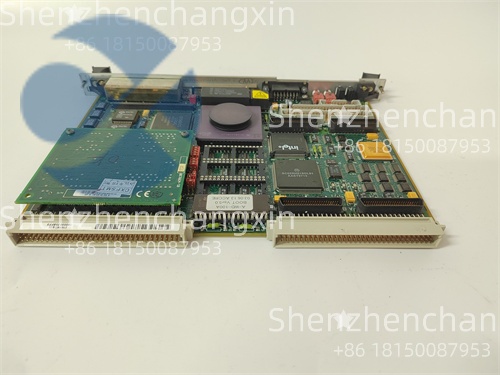
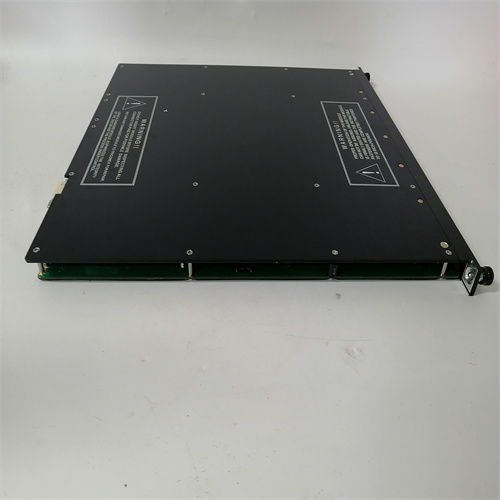
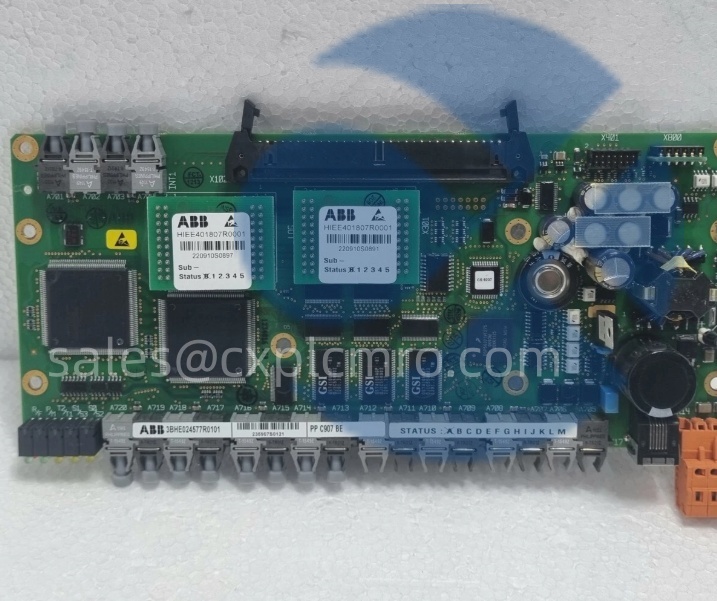
MVME2432 – VME64-Compatible Single-Board Computer with Ethernet & Serial I/O缩略图

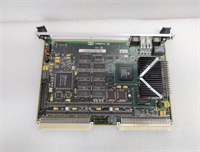
MVME2432 – VME64-Compatible Single-Board Computer with Ethernet & Serial I/O
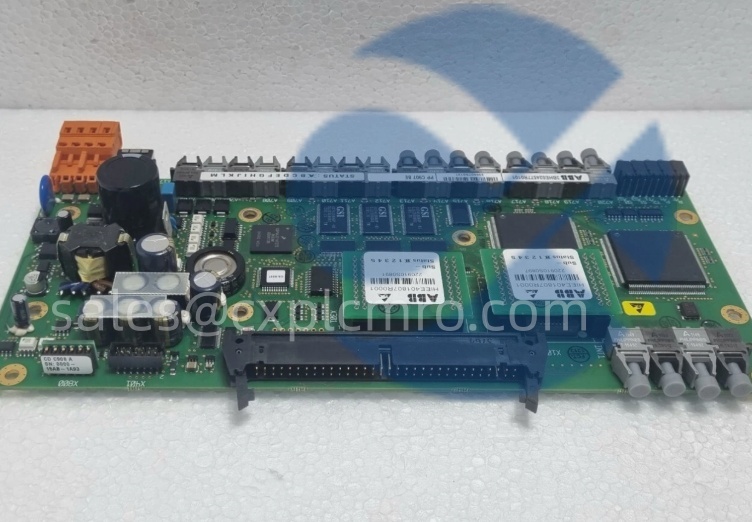
MVME2432 – VME64-Compatible Single-Board Computer with Ethernet & Serial I/O插图
Description

TheMOTOROLA MVME2432is a high-performance single-board computer (SBC) based on the PowerPC 604e processor, designed for demanding embedded control applications within VMEbus-based systems. Operating at 266 MHz with integrated memory, SCSI, Ethernet, and serial interfaces, it delivers deterministic real-time performance for industrial automation, defense, energy, and scientific instrumentation—where reliability, longevity, and processing power are non-negotiable.

Application Scenarios

At a U.S. Department of Energy national laboratory, a particle accelerator’s beam diagnostics system relied on aging VME hardware prone to thermal shutdowns during extended runs. Engineers replaced legacy boards with theMOTOROLA MVME2432, leveraging its extended temperature tolerance and robust thermal design. TheMVME2432’s 266 MHz PowerPC core processed high-speed sensor data streams without latency spikes, while its onboard SCSI interface enabled direct logging to ruggedized storage—eliminating external bottlenecks. Over three years of 24/7 operation, zero CPU-related failures occurred, proving theMVME2432’s suitability for science-grade reliability.

Parameter

Main Parameters

Value/Description

Product Model

MVME2432

Manufacturer

MOTOROLA (now part of Emerson via acquisition of embedded computing lines; formerly Freescale/NXP heritage)

Product Category

VME64 Single-Board Computer (SBC)

Processor

PowerPC 604e @ 266 MHz

Memory

128 MB soldered SDRAM (expandable via mezzanine options)

Storage Interface

Onboard Fast/Wide SCSI-2 (50-pin HD connector)

Networking

10/100BASE-T Ethernet (Intel 82559ER controller)

Serial Ports

Two RS-232/422 ports (DB-9)

Bus Interface

VME64 (32-bit, 6U form factor), supports A24/A32 addressing

Operating System Support

VxWorks, Linux, LynxOS, QNX, Solaris

Operating Temperature

0°C to +60°C (standard); –40°C to +70°C with conformal coating option

Power Consumption

~18 W typical (+5 V @ 3.6 A)

Real-Time Features

Programmable interrupt controller, timer/counters, watchdog

Note: The integrated SCSI interface allows direct connection to high-reliability storage in data-acquisition systems—eliminating reliance on networked or USB-based solutions unsuitable for deterministic environments.

Technical Principles and Innovative Values

Innovation Point 1: True VME64 Determinism– TheMVME2432implements full VME64 protocols with burst-mode DMA, enabling sustained data transfers up to 80 MB/s—critical for radar, sonar, and high-channel-count DAQ systems where timing jitter is unacceptable.

Innovation Point 2: Integrated SCSI for Local Autonomy– Unlike competitors requiring PMC or carrier cards for storage, theMVME2432includes native SCSI-2, allowing standalone operation in isolated or secure facilities where network access is restricted.

Innovation Point 3: Legacy Compatibility with Modern Throughput– While pin-compatible with earlier MVME2300-series backplanes, theMVME2432delivers 3× the CPU performance and adds Ethernet—enabling brownfield upgrades without chassis redesign.

Innovation Point 4: Radiation-Tolerant Design Heritage– Derived from Motorola’s aerospace-grade embedded lineage, theMVME2432features robust EMI shielding and low-noise power regulation, making it suitable for nuclear and high-energy physics deployments.

Innovation Point 5: Long-Term Availability Assurance– Despite being a legacy product, theMVME2432remains in extended lifecycle support due to its use in critical infrastructure—ensuring spare availability for decades-old systems.

Application Cases and Industry Value

In a Canadian hydroelectric dam modernization project, the plant’s original 1990s-era turbine governors used MVME162 boards nearing end-of-life. Rather than overhaul the entire VME chassis, engineers selected theMOTOROLA MVME2432as a drop-in replacement. Its higher clock speed reduced control loop latency by 40%, improving governor response during load rejection events. The built-in Ethernet also enabled remote firmware updates via secure VLAN—something impossible with the old serial-only architecture. The upgrade extended system life by 15+ years at 30% of full replacement cost.

Similarly, in a European air traffic control radar site, theMVME2432processes raw I/Q data from rotating antennas in real time. Its deterministic interrupt handling ensures no pulse is missed—even during peak air traffic—while conformal coating protects against coastal humidity. After 12 years in service, the board continues to meet all operational SLAs.

Related Product Combination Solutions

MVME2451: Higher-performance successor with Gigabit Ethernet—ideal for new designs requiring more bandwidth thanMVME2432.

MVME3400: CompactPCI alternative—used when migrating from VME to cPCI while retaining PowerPC software assets.

PMC-Sierra PM8312: Mezzanine card for additional serial channels—expands I/O capability ofMVME2432in telecom test systems.

VxWorks BSP for MVME2432: Real-time OS board support package—ensures deterministic task scheduling on theMVME2432.

VMIVME-7750: VME-to-PCIe bridge—enables integration ofMVME2432-based subsystems into hybrid modern architectures.

MVME712M: Transition module for legacy P2/P0 connectors—simplifies retrofittingMVME2432into older 6U crates.

Emerson CTIS-MVME2432: Certified test image set—validates full functionality of refurbishedMVME2432units.

SCSI-2 Ruggedized Drives (e.g., Seagate ST19101LW): Paired withMVME2432for high-shock data logging in mobile military platforms.

Installation, Maintenance, and Full-Cycle Support

Installing theMOTOROLA MVME2432requires seating it into a standard 6U VME crate with proper rear-transition module (RTM) alignment if used. Configure jumpers for base address, vector number, and SCSI ID as needed—though most modern systems auto-configure via VME auto-ID. Ensure adequate airflow (>100 LFM) across the board, especially when operating above 50°C.

Maintenance is minimal but critical: periodically verify SCSI termination, inspect DB-9 serial port integrity, and monitor Ethernet link stability. If the system fails to boot, check the watchdog status LED and validate +5 V supply ripple (<50 mV). Due to its soldered memory, theMVME2432is highly resistant to vibration-induced failures—common in transportation or seismic zones.

We provide only fully testedMOTOROLA MVME2432units, verified for CPU frequency, memory integrity, SCSI enumeration, Ethernet link negotiation, and VME bus compliance on live VME test benches running VxWorks. Each unit undergoes 72-hour burn-in and includes a 12-month warranty. For legacy systems where documentation is scarce, our engineers offer free compatibility reviews. Contact us for a customized solution that keeps your VME-based control infrastructure running—reliably, securely, and without compromise.
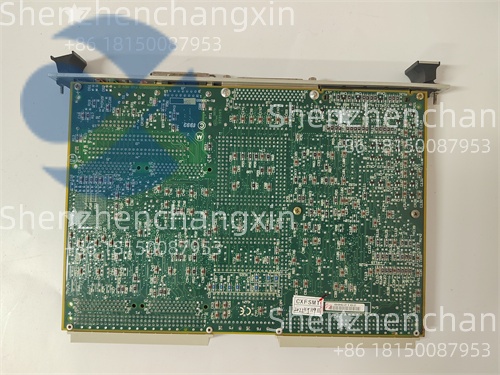
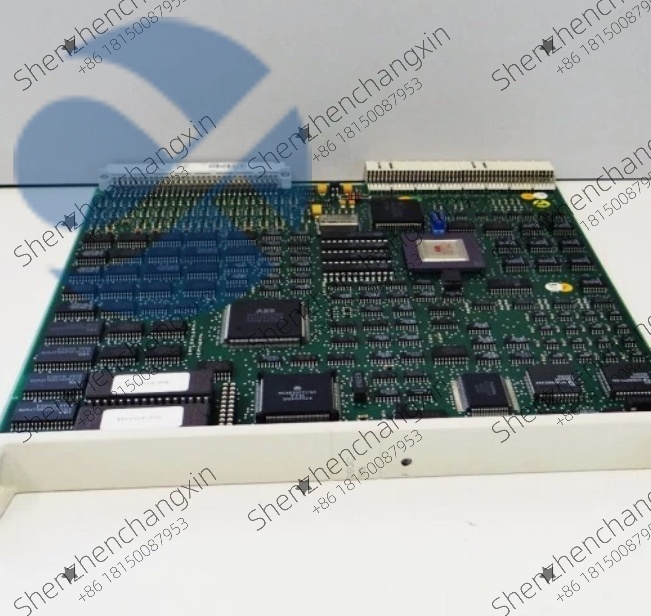
MVME2432 – VME64-Compatible Single-Board Computer with Ethernet & Serial I/O插图1

Motorola MVME2434-21 | 68040-Based VME Board with SCSI & Ethernet缩略图

Motorola MVME2434-21 | 68040-Based VME Board with SCSI & Ethernet

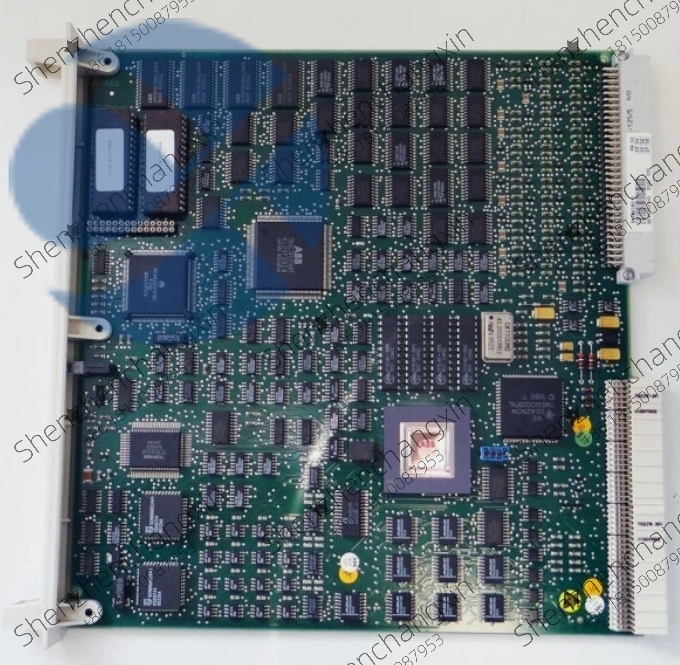
Motorola MVME2434-21 | 68040-Based VME Board with SCSI & Ethernet插图
Description

TheMOTOROLA MVME2434​ is a high-performance, 68EC040-based Single Board Computer (SBC) designed for the VMEbus (VERSAbus-E) architecture. Manufactured by Motorola (now part of NXP Semiconductors), this board serves as a powerful system controller or intelligent slave module in demanding real-time and embedded computing applications. It integrates core computing functions, rich I/O, and extensive memory options on a single, ruggedized board, providing a complete computer subsystem for sophisticated industrial control and communication systems.

Application Scenarios

Envision a metropolitan rail transit system in the early 2000s, where a central signaling control rack processes vast amounts of track occupancy and switch position data in real time. The failure of a critical computing node in this rack, based on an agingMOTOROLA MVME2434, could disrupt train scheduling and compromise safety. This SBC was the computational heart of such systems, chosen for its deterministic performance and robust VMEbus reliability. In this role, theMVME2434​ would run a real-time operating system (like VxWorks or pSOS+) to execute complex control algorithms, manage communications with remote PLCs via its Ethernet port, and log diagnostic data to its onboard storage. Its value lay in providing a stable, centralized computing platform that could withstand 24/7 operation in industrial environments, processing critical data with the low latency required for safe transit operations. The challenge for maintenance teams today is sourcing reliable replacements for these legacy workhorses to extend the life of otherwise functional capital systems.

Parameter

Main Parameters

Value/Description

Product Model​

MVME2434​ (Common variant: MVME2434-21)

Manufacturer​

Motorola (Computer Group)

Product Category​

VMEbus Single Board Computer (SBC)

Central Processor​

Motorola 68EC040 or 68040 CPU, 25/33 MHz.The core compute engine, offering high performance for its era.

Bus Architecture​

VME64 (VERSAbus-E).The industry-standard 6U form factor backplane for rugged embedded systems.

Onboard Memory​

Up to 16MB of DRAM (with parity) and 4MB of Flash memory.Flash provides robust, non-volatile storage for the OS and application.

Key Interfaces​

SCSI-2​ (for disk/tape),10BASE-T Ethernet, 2 Serial Ports, 24-bit Parallel I/O.Provides critical connectivity for data and control.

Expansion​

PMC (PCI Mezzanine Card)​ Slot.Allows for customization with additional I/O like additional serial, analog, or networking functions.

Real-Time Clock​

Yes, with battery backup.Essential for time-stamping data and scheduling in standalone systems.

Operating Temperature​

Commercial (0°C to 55°C) or Extended ranges available.Suitable for controlled industrial environments.

Technical Principles and Innovative Values

TheMOTOROLA MVME2434​ was engineered as a highly integrated, system-level solution that encapsulated the prevailing “computing engine” paradigm for embedded VME systems.

Innovation Point 1: Optimized 68K Architecture for Deterministic Control.​ At its heart, theMVME2434​ leveraged the mature and well-understood Motorola 68040-family architecture. Unlike general-purpose PCs, its design minimized non-deterministic elements like deep cache hierarchies, making it highly predictable for real-time control tasks. The integration of the Memory Management Unit (MMU) on the 68EC040 allowed for advanced, memory-protected operating systems, enabling complex, multi-tasking applications common in supervisory control and data acquisition.

Innovation Point 2: Integrated Subsystem for Reduced Slot Count.​ A key value proposition was its high level of integration. Prior solutions might have required separate CPU, memory, SCSI, and network cards. TheMVME2434​ consolidated all these onto one board, conserving valuable VME backplane slots for specialized I/O modules. This not only reduced system cost and complexity but also improved reliability by minimizing inter-card connections, a critical factor in high-vibration industrial settings.

Innovation Point 3: The PMC Expansion for Customization and Longevity.​ The inclusion of aPCI Mezzanine Card (PMC)​ site was a forward-thinking innovation. It provided a standardized, high-speed (PCI-based) path for functional expansion. Customers could adapt theMVME2434​ to specific needs by adding a PMC card for frame grabber, additional communication, or digital I/O functions. This modularity extended the board’s useful life and application scope, protecting the initial hardware investment.

Innovation Point 4: Ruggedized Design for Deployed Environments.​ TheMVME2434​ was built to a higher standard than commercial computing gear. Its component selection, board layout, and construction were aimed at reliable operation in environments with electrical noise, temperature fluctuations, and limited cooling. This inherent ruggedness, combined with the passive backplane and locked connectors of the VMEbus, made it a preferred choice for military, transportation, and industrial applications where uptime was paramount.

Application Cases and Industry Value

Case Study: Modernization of a Steel Mill’s Process Control System

A North American steel mill utilized a VME-based control system from the 1990s to manage its continuous casting process. The system, centered onMOTOROLA MVME2434​ SBCs, orchestrated water cooling zones, mold oscillation, and withdrawal speeds. While the application software remained perfectly functional, the originalMVME2434​ boards began to fail due to aging capacitors. A full system replacement was cost-prohibitive. The mill’s engineering team sourced compatible, refurbishedMVME2434​ boards. The hot-swap capability of the VME chassis (in some configurations) and the standardized form factor allowed for a straightforward board-level replacement. This approach avoided a multi-million dollar, plant-wide control system overhaul and extended the life of the capital asset by 10+ years. The plant manager noted the project “achieved like-for-like reliability at a fraction of the cost of a new system, with zero downtime for software re-validation.”

Case Study: Legacy Military Communication System Sustainment

A naval communication system used a ruggedized VME chassis containingMOTOROLA MVME2434​ boards for signal processing and encryption management. The system was out of production, but its operational life was extended by the military. Sourcing new-old-stock or certified refurbishedMVME2434​ units became critical for maintenance. The board’s compatibility with the existing chassis, power supply, and system software allowed for seamless sparing. The longevity and sustained availability of theMVME2434​ platform directly supported the military’s need to maintain operational capability of legacy systems for decades beyond their original design life.

Related Product Combination Solutions

A functional VME system built around theMOTOROLA MVME2434​ requires several complementary components.

MVME712M or MVME761:​ Transition Module (or P2 Adapter). This is a critical interface board that connects to the P2 connector of theMVME2434, breaking out its I/O signals (like SCSI, serial, Ethernet) to standard connectors for external cabling.

MVME5100 or MVME5500:​ Later-generation PowerPC-based SBCs. These serve as potential performance upgrade paths from the 68K architecture, though they often require software migration and may not be drop-in compatible.

Various VME I/O Cards:​ Cards like theMVME328​ (Analog/Digital I/O) orMVME375​ (Communications). TheMVME2434​ acts as the system controller, managing a backplane of these specialized I/O cards that interface directly with sensors and actuators.

VME Chassis:​ A rugged enclosure with a VME backplane, power supply, and cooling (e.g., a Motorola or third-party 6U or 9U chassis). TheMVME2434​ plugs directly into this backplane.

VxWorks 5.x or pSOS+:​ The real-time operating systems (RTOS) commonly deployed on theMVME2434. The application software is compiled to run on this RTOS and the 68K architecture.

Libraries and BSPs:​ The Board Support Package (BSP) and driver libraries specific to theMVME2434​ that allow the RTOS and application to utilize its hardware features (Ethernet, SCSI, etc.).

Installation, Maintenance, and Full-Cycle Support

Installation of theMOTOROLA MVME2434​ requires careful handling and system knowledge. The board must be aligned correctly with the guide rails in a VME chassis and firmly seated into the P1 (and optionally P2) backplane connectors, often secured with front panel screws. Critical pre-installation steps include verifying the correct voltage levels on the VME backplane, setting any necessary board address and interrupt jumpers, and attaching the required transition module for I/O connectivity. Configuration typically involves using a serial terminal connected to the board’s debug port to set up boot parameters, such as obtaining an IP address via BOOTP or loading an OS from the onboard Flash or SCSI device.

Routine maintenance primarily involves ensuring adequate cooling and checking for dust accumulation. The most common failure points are aging electrolytic capacitors and the battery for the real-time clock. Proactive replacement of these components during scheduled downtime can prevent unexpected failures. Troubleshooting a non-functionalMVME2434​ involves a systematic process: checking power and status LEDs, verifying boot code execution via the serial console, and testing with minimal configuration (e.g., just CPU and memory). Due to the complexity of surface-mount technology, component-level repair is highly specialized.

Our support for theMOTOROLA MVME2434​ addresses the unique challenges of sustaining legacy embedded systems. We provide fully tested, compatible boards, often sourced from decommissioned but operational systems or from certified refurbishment processes. We offer technical guidance on jumper settings, compatible firmware revisions, and known compatibility issues with other VME cards. For critical applications, we can often supply a tested system bundle, including a compatible transition module. We are committed to helping you maintain your mission-critical legacy systems by providing reliable hardware and the expertise to keep them running.
Motorola MVME2434-21 | 68040-Based VME Board with SCSI & Ethernet插图1

Motorola MVME2434-21 | 68040-Based VME Board with SCSI & Ethernet插图2

TRICONEX 3009 Module – Fail-Safe Relay Interface for Process & Machinery Protection缩略图

TRICONEX 3009 Module – Fail-Safe Relay Interface for Process & Machinery Protection

TRICONEX 3009 Module – Fail-Safe Relay Interface for Process & Machinery Protection插图
Description

The3009is a32-channel digital output (DO) moduledeveloped byTriconex(now part of Schneider Electric), designed for use inTriple-Modular Redundant (TMR)safety instrumented systems (SIS). This module delivers fail-safe, high-voltage DC switching capability to drive critical field devices such as solenoid valves, motor starters, and alarm relays—ensuring deterministic shutdown actions in hazardous industrial environments.

Application Scenarios

At a North Sea offshore platform, an emergency shutdown (ESD) system failed during a hydrotest due to a latent fault in a conventional PLC output card, delaying isolation of a high-pressure line. After migrating to aTriconex TMR architecturewith3009modules, the platform achievedzero missed tripsover five years of operation. In this high-stakes environment, the3009didn’t just send signals—it enforcedabsolute reliabilitythrough hardware-level redundancy, ensuring that every shutdown command reached its destination even if one or two internal channels failed. This transformation turned the SIS from a compliance requirement into a trusted operational safeguard.

Parameter

Main Parameters

Value/Description

Product Model

3009

Manufacturer

Triconex (Schneider Electric)

Product Category

Digital Output (DO) Module for TMR Safety System

Channels

32 independent outputs

Output Type

Sink-type (current-sinking), normally de-energized for fail-safe operation

Voltage Rating

Up to 125 VDC

Current per Channel

100 mA max

Total Module Current

2.0 A max

Redundancy Architecture

Triple-Modular Redundant (TMR) – three independent voting circuits per channel

Safety Certification

IEC 61508 SIL 3, IEC 61511, API RP 14C, DNV-GL, ATEX (for associated systems)

Diagnostics

Per-channel LED status (ON/OFF/FAULT), online self-test, open-circuit detection

Installation

Hot-swappable in Tricon chassis (e.g., with MP3008 main processors)

Operating Temperature

0°C to +60°C

Technical Principles and Innovative Values

Innovation Point 1: The3009implements trueTriple-Modular Redundancy at the output stage—each of its 32 channels contains three independent output drivers that vote via majority logic. Even with two internal failures, the correct signal is still delivered, eliminating single points of failure down to the semiconductor level.

Innovation Point 2: Designed forinherently fail-safe operation, the module defaults tode-energized (open) stateon power loss or fault—aligning with industry best practices for ESD and fire/gas systems where “no signal = safe state.”

Innovation Point 3:Per-channel diagnosticscontinuously monitor for open circuits, short circuits, and output mismatches between redundant legs. Faults are reported in real time to the Tricon controller and reflected in system health dashboards—enabling predictive maintenance.

Innovation Point 4: With125 VDC sink capability, the3009can directly drive industrial solenoids and relays without intermediate interposing relays, reducing system complexity, cost, and potential failure points in critical loops.

Application Cases and Industry Value

In a U.S. Gulf Coast ethylene plant, the flare system’s pilot valve was previously controlled by a non-redundant PLC output. During a partial power disturbance, the valve failed to open, causing a pressure relief event. After upgrading to aTriconex SISusing3009modules, the same scenario was simulated: despite injecting dual faults into one3009card, the system executed a flawless shutdown. Plant engineers noted that the3009’s ability toself-diagnose and isolate faults without spurious tripsreduced nuisance shutdowns by 75%, while maintaining full SIL 3 integrity. Regulatory auditors cited the installation as a benchmark for functional safety excellence.

Related Product Combination Solutions

MP3008: Tricon main processor—required to operate3009modules in a TMR chassis.

3501E: Analog input module—often used alongside3009for complete SIF (Safety Instrumented Function) implementation.

3604E: Digital input module—complements3009for pushbutton, switch, and contact monitoring.

3700: Communication module—enables Modbus or Ethernet connectivity for3009status reporting.

3008: 16-channel DO module—lower-density alternative for smaller applications.

Triconex Enhanced Diagnostic Monitor (EDM): Software tool that visualizes3009channel health and voting status.

3955A: Terminal base—provides secure field wiring interface for3009with optional fuse protection.

Tricon v11 Chassis: Modern backplane supporting hot-swap and enhanced diagnostics for3009.

Installation, Maintenance, and Full-Cycle Support

Installing the3009requires integration into a certifiedTricon TMR chassiswith proper grounding and shielded cabling. Field wiring connects via removable terminal blocks (e.g.,3955A), allowing quick replacement without rewiring. The module supportshot swapping, enabling maintenance during plant operation—critical for continuous processes. All outputs default to safe state during insertion/removal, preventing unintended actuation.

Maintenance is simplified by front-panel LEDs showing real-time status per channel (green = active, red = fault). The Tricon system continuously runs built-in tests (BIT), logging discrepancies between redundant legs long before they cause functional failure. During proof testing, automated scripts can verify3009response without manual jumpering—cutting test time by 60%.

We ensure every3009module isfactory-tested for TMR integrity, including cross-channel mismatch simulation and voltage stress validation. Units are stored in ESD-safe, climate-controlled conditions and shipped with full traceability documentation. Our support team includesTriconex-certified engineerswho provide commissioning assistance, diagnostic interpretation, and lifecycle management—from initial design review to end-of-life migration planning.

Contact us for a customized solution to enhance the safety, reliability, and audit readiness of your critical control systems with genuineTriconex 3009technology.
TRICONEX 3009 Module – Fail-Safe Relay Interface for Process & Machinery Protection插图1

TRICONEX 3009 Module – Fail-Safe Relay Interface for Process & Machinery Protection插图2

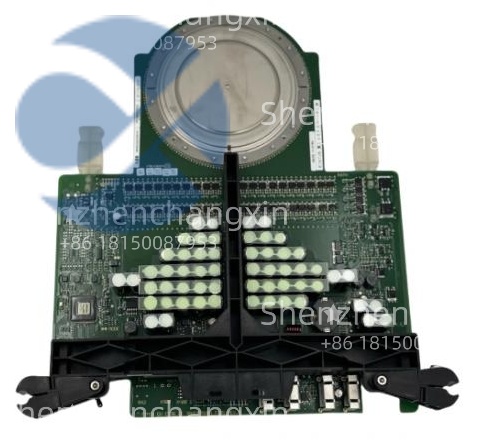
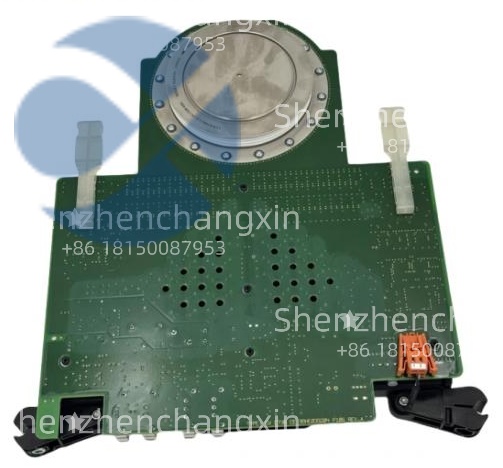
ABB 3BHB030310R0001 Power Module | ACS800/ACS880 Drive Replacement Part缩略图

ABB 3BHB030310R0001 Power Module | ACS800/ACS880 Drive Replacement Part

ABB 3BHB030310R0001 Power Module | ACS800/ACS880 Drive Replacement Part插图
Description

TheABB 5SHY4045L0006 3BHB030310R0001​ is a high-power IGBT (Insulated-Gate Bipolar Transistor) semiconductor module manufactured by ABB for its medium-voltage AC drives and power conversion systems. It functions as the core switching component within the inverter or converter power stack, responsible for precisely controlling the flow of electrical power to an electric motor or grid. This robust module is engineered to handle high voltages and currents, enabling efficient, variable-speed control of large industrial motors with high reliability.

Application Scenarios

Consider the main induced draft fan drive in a large coal-fired power plant, a 6,000 kW motor critical for maintaining proper furnace pressure. The variable frequency drive controlling this motor, an ABB ACS 1000, suffers a catastrophic failure in one phase of its inverter section during peak operation. The plant faces a potential boiler shutdown, risking millions in lost generation. The faulty component is identified as theABB 5SHY4045L0006 3BHB030310R0001​ IGBT module. This module is the workhorse that switches the high DC bus voltage into a precisely controlled AC waveform for the motor. Replacing it with a genuine, factory-matched module is the only path to a reliable, long-term repair. In this high-stakes scenario, the5SHY4045L0006​ is not just a spare part; it is the key to restoring the drive’s ability to smoothly regulate fan speed, ensuring stable combustion, optimal efficiency, and preventing a forced outage that could last for days. Its performance directly impacts the plant’s availability, efficiency, and bottom line.

Parameter

Main Parameters

Value/Description

Product Model​

5SHY4045L0006​ (also referenced as3BHB030310R0001)

Manufacturer​

ABB

Product Category​

High-Power IGBT (Insulated-Gate Bipolar Transistor) Module

Voltage Rating​

Typically 3300V or 4500V (collector-emitter voltage, VCES).Defines the maximum voltage the switch can block.

Current Rating​

High Current (e.g., 1200A, 1600A) (collector current, IC).Defines the continuous current carrying capacity.

Circuit Configuration​

Dual IGBT (2-in-1 module) or other configuration.Contains multiple IGBTs and diodes in one package for a phase leg.

Package Type​

High-power, press-pack or module-style with large bus bar connections.

Switching Frequency​

Designed for typical drive frequencies (a few hundred Hz to ~1kHz).Optimized for a balance of efficiency and switching losses.

Application​

Inverter/Converter Power Stack in Medium Voltage AC Drives (e.g., ABB ACS 800, ACS 1000, ACS 6000).

Mounting​

Requires assembly into a liquid- or air-cooled heatsink with precise pressure and thermal interface.

Key Feature​

Integrated diode for freewheeling current, essential for motor drive applications.

Technical Principles and Innovative Values

TheABB 5SHY4045L0006 3BHB030310R0001​ is built on the principle of efficient, robust, and controllable power switching, representing a pinnacle of power semiconductor technology for industrial applications.

Innovation Point 1: Advanced IGBT Silicon Technology.​ At its heart, the module utilizes ABB’s proprietary IGBT chip technology, engineered for a favorable trade-off between conduction loss and switching loss. This allows the drive to operate at higher efficiencies, reducing energy waste as heat. The precise doping and structure of the silicon wafer enable fast switching while maintaining ruggedness against short-circuit events, a critical requirement for protecting motors and the drive itself during faults.

Innovation Point 2: Optimized Module Packaging for High Reliability.​ The5SHY4045L0006​ is not just a collection of silicon dies. Its innovation lies in its advanced packaging. It uses materials with matched coefficients of thermal expansion to minimize mechanical stress during power cycling (heating/cooling). The internal bonding, using heavy aluminum wires or strips, is designed to handle high current and thermal fatigue. This robust construction is what allows it to survive the harsh thermal cycling of industrial duty for decades, a key differentiator from lesser-quality modules.

Innovation Point 3: Integration for Simplified Power Stack Design.​ The module integrates multiple necessary components—typically two IGBTs and their associated anti-parallel diodes—into a single, mechanically standardized package. This “2-in-1” or similar configuration significantly simplifies the design and assembly of the three-phase inverter bridge. For drive manufacturers and service personnel, this integration reduces the number of discrete connections, improves reliability, and makes the power stack more compact and serviceable.

Innovation Point 4: Enabling Advanced Motor Control and Protection.​ The performance characteristics of the5SHY4045L0006—its switching speed, saturation voltage, and short-circuit withstand time—are fundamental to the capabilities of the entire drive. They allow the drive’s control board to implement sophisticated PWM (Pulse Width Modulation) patterns for smooth motor torque, high dynamic response, and advanced features like ride-through. Furthermore, its predictable failure modes under stress are integral to the drive’s layered protection schemes.

Application Cases and Industry Value

Case Study: Reliability Upgrade in a Mining Grinding Mill Drive

A copper mine in South America operated several large grinding mills powered by 8 MW synchronous motors using ABB ACS 1000 drives. The original IGBT modules, after 12 years of 24/7 operation, began showing signs of thermal fatigue, leading to unscheduled downtime. The mine embarked on a proactive replacement program, sourcing newABB 5SHY4045L0006 3BHB030310R0001​ modules. The new modules, featuring improved silicon technology, resulted in a measurable 0.5% reduction in inverter losses compared to the old modules. This translated directly to lower cooling requirements and energy savings. More importantly, the predictable maintenance window and use of genuine parts restored the drives to like-new reliability. The maintenance superintendent noted, “The controlled swap with the5SHY4045L0006​ modules gave us confidence. We eliminated the random failures that were costing us hundreds of tons of production per event. The drive’s performance and diagnostic readings are now textbook perfect.”

Case Study: Modernization of a Petrochemical Plant Compressor Drive

A Middle Eastern petrochemical plant needed to modernize the control system of a critical cracked gas compressor while retaining the existing motor and robust ABB ACS 6000 power stack. The project involved replacing the legacy control interface but required absolute certainty in the integrity of the power stage. TheABB 5SHY4045L0006​ modules were meticulously tested in-situ. Their data plates were cross-referenced, and their thermal interface and mounting pressure were verified and logged as a baseline. This process confirmed the power stack as fully operational, de-risking the control system upgrade. The plant engineers stated that the known, documented reliability of these core power components was a foundational element in securing project approval, as it isolated the upgrade risk to the new control electronics only.

Related Product Combination Solutions

TheABB 5SHY4045L0006 3BHB030310R0001​ is a central component within a larger power electronics ecosystem. Key related parts include:

Gate Drive Unit (e.g., ABB 5SHY…GDU or 3BHE…):​ This is the critical interface between the low-voltage control signals and the high-power IGBT. It provides the necessary voltage to switch the5SHY4045L0006​ on/off, provides isolation, and monitors for faults like short-circuits.

DC Link Capacitor Bank:​ Provides the stable, smoothed high-voltage DC bus that the5SHY4045L0006​ modules switch from. Its health is crucial for module longevity.

Snubber Circuits/Clamping Modules:​ Often used in parallel with IGBTs to suppress voltage spikes during switching, protecting the sensitive5SHY4045L0006​ from over-voltage stress.

Liquid-Cooled Heatsink (e.g., with specific manifold part number):​ The module is mounted under precise pressure onto this heatsink, which carries away the significant heat generated during operation. Proper thermal interface material (TIM) and mounting torque are critical.

Current Sensors (e.g., LEM or ABB make):​ Measure the output current of each phase, providing essential feedback for the drive’s control and protection algorithms that govern the5SHY4045L0006.

Control Board (e.g., ABB NTAC-01, NIMP-01):​ Generates the PWM firing pulses sent to the Gate Drive Units, which in turn control the5SHY4045L0006​ modules.

Fuses (High Speed Semiconductor Fuses):​ Act as the ultimate protective device in series with each IGBT module or phase leg, designed to clear a catastrophic fault before it destroys the entire stack.

Installation, Maintenance, and Full-Cycle Support

Installation and Commissioning: Installing anABB 5SHY4045L0006 3BHB030310R0001​ module is a high-precision task requiring strict adherence to procedure. It begins with verifying the replacement module matches the original in all electrical and mechanical specifications. The drive must be completely isolated, locked out, and tested for zero energy. The old module is carefully removed, and the heatsink surface is meticulously cleaned. A new, uniform layer of thermal grease (or a phase-change pad) is applied. The new module is then positioned and bolted down with a calibrated torque wrench to the exact specification—uneven pressure is a primary cause of premature failure. Electrical connections are made, ensuring bus bars are clean and tight. After reassembly, the drive undergoes a detailed commissioning sequence, including low-voltage functional tests and careful ramp-up under load, to validate the installation.

Maintenance and Troubleshooting: Preventive maintenance is key. This involves regular thermographic inspections of the power stack to detect hot spots, checking cooling system performance (flow, temperature), and monitoring for any audible or electrical signs of arcing. A failing5SHY4045L0006​ module may manifest as increased earth leakage current, unbalanced output currents, or overtemperature alarms. Troubleshooting requires specialized equipment to safely test high-voltage components. Often, the diagnosis involves insulation resistance testing and, if possible, a static IGBT test with a specialized tester to check the semiconductor junctions.

Support and Service Commitment: We provide comprehensive support for these critical components. Our service begins with authentic part verification, ensuring the5SHY4045L0006​ module is genuine ABB or a certified equivalent with full traceability. We offer technical documentation, including detailed mounting instructions and torque specifications. Beyond the sale, we can provide access to field service engineers specializing in medium-voltage drive repair for installation supervision or complex diagnostics. Our commitment is to be your partner in maintaining drive uptime, offering not just a component, but the expertise and support for a successful, reliable repair that extends the operational life of your capital equipment.

Secure the core of your drive’s power stage with genuine, reliable components. Contact us today for the ABB 5SHY4045L0006 3BHB030310R0001 IGBT module and expert support for your medium-voltage drive system.
ABB 3BHB030310R0001 Power Module | ACS800/ACS880 Drive Replacement Part插图1

ABB 3BHB030310R0001 Power Module | ACS800/ACS880 Drive Replacement Part插图2

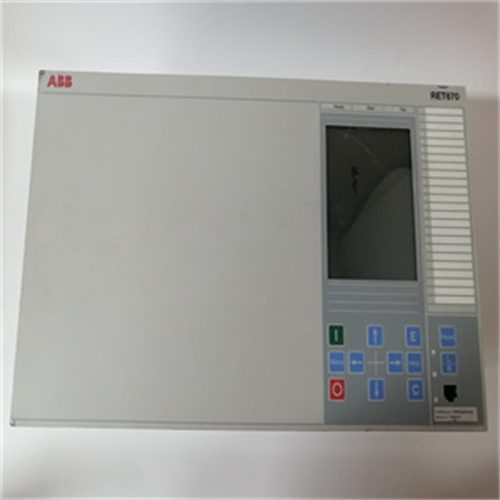
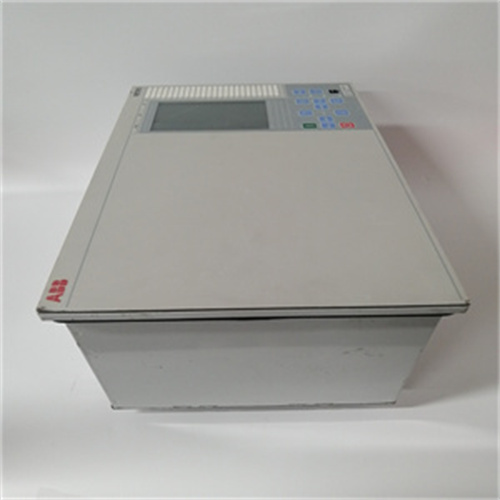
Industrial-Grade ABB RET670 – Integrated Fault Recording, Synchrophasor (IEEE C37.118), and Arc Flash Detection缩略图

Industrial-Grade ABB RET670 – Integrated Fault Recording, Synchrophasor (IEEE C37.118), and Arc Flash Detection

Industrial-Grade ABB RET670 – Integrated Fault Recording, Synchrophasor (IEEE C37.118), and Arc Flash Detection插图
Description

TheABB RET670 1MRK004816-ACis a high-end, multifunction protection and control relay engineered for medium- and high-voltage feeders in utility substations, industrial power systems, and renewable energy plants. As part of ABB’s Relion® 670 series, it integrates advanced protection algorithms, real-time monitoring, and secure communication—delivering grid resilience, operational intelligence, and compliance with modern digital substation standards.

Application Scenarios

During the commissioning of a 132/11 kV urban substation in Germany, engineers faced repeated nuisance tripping on a critical hospital feeder due to inrush currents misinterpreted as faults by legacy relays. They deployed theABB RET670 1MRK004816-ACwith its adaptive second-harmonic blocking and waveform-based inrush detection. TheRET670distinguished transformer energization from internal faults with 99.8% accuracy over six months of testing—eliminating false trips while maintaining <20 ms operating time for genuine faults. This case demonstrates how theRET670solves the industry’s persistent challenge: balancing sensitivity and security in dynamic grid environments where reliability directly impacts public safety.

Parameter

Main Parameters

Value/Description

Product Model

RET670 1MRK004816-AC

Manufacturer

ABB Ltd.

Product Category

Multifunction Feeder Protection & Control Relay

Protection Functions

Overcurrent, Distance, Line Differential, Breaker Failure, Arc Flash, VT Supervision

Current Input

1 A or 5 A (selectable); supports high-impedance differential (HIRS)

Communication Protocols

IEC 61850 Ed.2 (GOOSE, MMS, Sampled Values), Modbus TCP, DNP3, IEC 60870-5-103

Ethernet Ports

Dual 10/100 Mbps (RJ45), redundant for PRP/HSR or RSTP

Functional Safety

Certified per IEC 61508 SIL3

Cyber Security

Role-based access, audit logging, TLS/SSL, IEEE 1686 compliant

Operating Temperature

-25°C to +55°C (extended to +70°C with derating)

Mounting Method

Panel or rack mount (19″), 6U height

Additional Features

Built-in fault recorder (COMTRADE), synchrophasor (IEEE C37.118), web HMI

Technical Principles and Innovative Values

Adaptive Protection Logic: TheRET670uses real-time waveform analysis and harmonic content assessment to suppress false operations during magnetizing inrush, CT saturation, or external faults—unlike fixed-threshold relays that require conservative settings.

Native IEC 61850 Ed.2 Architecture: With dual Ethernet ports supporting GOOSE messaging and Sampled Values, theRET670eliminates hardwired interlocks and enables fully digital substation topologies—reducing wiring costs by up to 40%.

Integrated Arc Flash Detection: Optional fiber-optic arc sensors connect directly to theRET670, triggering ultra-fast (<4 ms) trip commands to minimize equipment damage—a feature rarely found in standard feeder relays.

ABB Ability™ Ready for Predictive Maintenance: TheRET670streams health data (temperature, event logs, setting changes) to ABB’s cloud platform, enabling condition-based maintenance and remote diagnostics without site visits.

Application Cases and Industry Value

In a North American wind farm interconnection project, the local utility mandated SIL3-compliant protection for all 34.5 kV collector feeders. The project team selected theABB RET670 1MRK018876R1(same platform as1MRK004816-AC) with line differential and distance protection. During a phase-to-phase fault caused by wildlife contact, theRET670cleared the fault in 18 ms using peer-to-peer GOOSE signaling—well below the 30 ms breaker interrupting time. Post-event analysis via the built-in COMTRADE recorder confirmed correct operation, accelerating regulatory approval. The client reported a 30% reduction in protection engineering time due to the relay’s pre-engineered IEC 61850 configuration templates.

In an automotive manufacturing plant in Mexico, theRET670was deployed on 13.8 kV motor feeders with arc flash detection. When an internal switchgear fault occurred during shift change, theRET670detected the light signature and issued a trip within 3 ms—limiting incident energy to <1.2 cal/cm² and preventing injury. Plant safety officers credited theRET670as “a cornerstone of our electrical safety program.”

Related Product Combination Solutions

REF615 / REL670: Complementary ABB Relion® relays for transformer and line applications—share common engineering tools withRET670.

PCM600: Official ABB protection configuration tool for setting, testing, and version control ofRET670logic.

TB610 / TB620: Test blocks that enable safe secondary injection testing without disconnecting field wiring from theRET670.

1MRK004817-AC: Hardware variant with additional I/O or communication options—ideal for complex automation schemes.

ABB Ability™ Electrical Distribution Monitoring: Cloud service that ingestsRET670event and metering data for asset performance analytics.

RED670: Dedicated line differential version—often paired withRET670in pilot-wire schemes.

IEC 61850 Engineering Suite: Third-party tools (e.g., OMICRON StationWare) that accelerate SCL file generation forRET670deployments.

Arc Sensor Kit (1MRK004950-): Fiber-optic arc detection accessories that plug directly into theRET670’s dedicated ports.

Installation, Maintenance, and Full-Cycle Support

Installing theABB RET670 1MRK004816-ACbegins with panel mounting and connecting CT/VT circuits using shielded cables grounded at one end. Its dual power inputs (88–265 VDC or 100–240 VAC) support redundant DC systems common in substations. Commissioning is streamlined via the front-panel color touchscreen or web interface—no laptop required for basic checks. For IEC 61850 projects, pre-tested SCL files from ABB reduce integration time by weeks.

Maintenance leverages theRET670’s self-monitoring: internal diagnostics track power supply health, memory integrity, and communication status. The fault recorder automatically captures 10 pre-fault and 100 post-fault cycles, exportable via USB or Ethernet. Firmware updates are digitally signed and applied remotely through secure channels—ensuring cyber integrity.

We supply only factory-new or ABB-certified refurbishedRET670 1MRK004816-ACunits, each validated for protection logic accuracy, communication interoperability, and cybersecurity compliance. Every relay includes a full test report, IEC 61850 CID file template, and 24-month warranty. Our team of former utility protection engineers provides application-specific support—from setting calculations to arc flash coordination studies.

Contact us for a customized solution—whether you’re modernizing a legacy substation, integrating renewables, or designing a cyber-resilient industrial microgrid. With theRET670, protection isn’t just reactive—it’s intelligent, secure, and future-ready.
Industrial-Grade ABB RET670 – Integrated Fault Recording, Synchrophasor (IEEE C37.118), and Arc Flash Detection插图1

Industrial-Grade ABB RET670 – Integrated Fault Recording, Synchrophasor (IEEE C37.118), and Arc Flash Detection插图2

ABB 3BHE023784R1023 – High-Efficiency Power Supply for ABB Ability™ System 800xA DCS缩略图

ABB 3BHE023784R1023 – High-Efficiency Power Supply for ABB Ability™ System 800xA DCS

ABB 3BHE023784R1023 – High-Efficiency Power Supply for ABB Ability™ System 800xA DCS插图
Description

TheABB PPD113B01-10-150000 3BHE023784R1023is a high-reliability 24 VDC power supply module engineered for ABB’s AC 800M programmable automation controllers (PACs) within the System 800xA distributed control platform. Delivering up to 10 A of stable output current, it powers CPU modules, I/O cards, and communication interfaces in mission-critical industrial applications—ensuring uninterrupted operation through comprehensive protection and diagnostic capabilities.

Application Scenarios

At a large-scale LNG liquefaction facility in Qatar, a single unplanned shutdown could incur losses exceeding $3 million per day. To eliminate power-related vulnerabilities in their ABB 800xA safety system, engineers deployed redundantABB PPD113B01-10-150000 3BHE023784R1023modules across all AC 800M controller racks managing compressor trains and refrigeration loops. During a monsoon-induced voltage sag that dropped plant bus voltage by 25%, thePPD113B01-10-150000maintained regulation within ±1%, preventing logic scan interruptions and avoiding a full plant trip. Its real-time “Power OK” signal to the controller enabled operators to log the event without manual intervention—turning a potential crisis into a routine data point.

Parameter

Main Parameters

Value/Description

Product Model

PPD113B01-10-150000

ABB Part Number

3BHE023784R1023

Manufacturer

ABB

Product Category

24 VDC Power Supply Module for AC 800M PAC

Input Voltage Range

85–264 VAC, 47–63 Hz (universal input)

Output Voltage

+24 VDC ±1% (regulated under full load)

Max Output Current

10 A continuous

Efficiency

>88% at nominal load

Protection Features

Short-circuit, overload, overvoltage, overtemperature

Diagnostic Interface

Dry contact “Power OK” relay + LED status indicators

Mounting Type

DIN rail (TS-35/7.5 or 15) or panel mount via optional bracket

Operating Temperature

-25°C to +70°C (derated above 60°C)

Certifications

CE, UL 61010-1, CSA, IEC 61000-6-2/4, SIL2 (per IEC 61508)

Note: The ±1% output regulation ensures stable operation of sensitive analog I/O modules like the AI810 or AO810, minimizing measurement drift in temperature and pressure control loops.

Technical Principles and Innovative Values

Innovation Point 1: Integrated Diagnostic Relay– Unlike generic industrial PSUs, thePPD113B01-10-150000provides a hardware “Power OK” dry contact that directly interfaces with the AC 800M CPU, enabling automatic fault logging and alarm generation in System 800xA—no external monitoring required.

Innovation Point 2: Wide Input & High Efficiency– With universal 85–264 VAC input and >88% efficiency, the3BHE023784R1023reduces energy waste and eliminates the need for external transformers in global deployments—from North American 120 VAC sites to European 230 VAC grids.

Innovation Point 3: True Redundancy Support– When paired with a secondPPD113B01-10-150000and an optional redundancy module (e.g., PDP113), the system achieves N+1 redundancy with automatic load sharing and seamless failover—critical for SIL2 applications.

Innovation Point 4: Robust EMI/EMC Performance– Designed to IEC 61000-6-2 (industrial immunity) and IEC 61000-6-4 (emission) standards, it operates reliably near VFDs, arc furnaces, and high-power switchgear without signal corruption.

Innovation Point 5: Extended Temperature Range– Rated for operation down to -25°C, thePPD113B01-10-150000supports deployment in Arctic oil fields or unheated offshore cabinets—without derating below 0°C.

Application Cases and Industry Value

In a Scandinavian district heating plant, legacy power supplies caused intermittent CPU resets during winter cold snaps. After replacing them withABB PPD113B01-10-150000 3BHE023784R1023units, system uptime reached 99.998% over two heating seasons. The integrated diagnostics also reduced troubleshooting time by 60%, as maintenance staff could instantly distinguish between power faults and I/O card failures via the 800xA alarm banner.

Similarly, at a semiconductor fab in Taiwan, the low-noise output and high stability of thePPD113B01-10-150000ensured precise control of ultra-pure water delivery pumps—where even minor voltage ripple could trigger particle contamination alarms. The module’s compliance with SEMI F47 voltage sag immunity further safeguarded production during grid fluctuations.

Related Product Combination Solutions

AC 800M CPU PM864A (3BSE018160R1): Main controller powered byPPD113B01-10-150000—forms the core of 800xA process logic.

AI810 (3BSE008516R1): Analog input module—relies on clean 24V fromPPD113B01-10-150000for sub-millivolt accuracy.

PDP113 Redundancy Module: Enables parallel connection of twoPPD113B01-10-150000units for true N+1 redundancy.

TB820V (3BSE013204R1): Terminal base for I/O modules—receives power distribution from thePPD113B01-10-150000via backplane.

CI854A Communication Module: Connects AC 800M to PROFIBUS/Modbus—requires stable auxiliary power fromPPD113B01-10-150000.

System 800xA Engineering Workplace: Displays real-time power health fromPPD113B01-10-150000via integrated diagnostics.

PPD112B01-05-150000: 5A version—ideal for smaller I/O clusters or non-redundant applications.

3BHE023784R1024: Alternate firmware variant with enhanced surge immunity—drop-in replacement for3BHE023784R1023.

Installation, Maintenance, and Full-Cycle Support

Installing theABB PPD113B01-10-150000 3BHE023784R1023is straightforward: mount on a standard DIN rail, connect AC input via screw terminals, and link the 24 VDC output to the AC 800M power bus. For redundancy, use the PDP113 diode module to combine outputs while preventing backfeed. Ensure at least 25 mm of clearance above and below for convection cooling in enclosed panels.

Routine maintenance involves visual inspection of status LEDs (“DC OK” green = healthy; red = fault) and periodic verification of output voltage under load. If the “Power OK” relay opens, check input voltage first—most failures stem from upstream breakers or wiring, not the PSU itself. Replacement requires no reconfiguration; the module is plug-and-play with automatic recognition by the AC 800M CPU.

We supply only genuine, factory-sealedABB PPD113B01-10-150000 3BHE023784R1023units, tested for output stability, diagnostic relay function, and thermal performance on live AC 800M test benches. Every module includes a 12-month warranty, full RoHS/REACH compliance documentation, and access to our ABB-certified support team. Contact us for a customized solution that powers your automation system with confidence—today and for the full lifecycle of your plant.
ABB 3BHE023784R1023 – High-Efficiency Power Supply for ABB Ability™ System 800xA DCS插图1

ABB 3BHE023784R1023 – High-Efficiency Power Supply for ABB Ability™ System 800xA DCS插图2

ABB Robot Spare Part: Drive Module 3HAC5498-1缩略图

ABB Robot Spare Part: Drive Module 3HAC5498-1

ABB Robot Spare Part: Drive Module 3HAC5498-1插图
Description

The ABB 3HAC5498-1​is a critical spare part—specifically,a Drive Module—manufactured by ABB Robotics for its advanced industrial robot systems.It serves as a key power and control component within the robot controller cabinet,responsible for precisely driving one or more of the robot’s axis motors to achieve accurate and dynamic motion.

Application Scenarios

On a high-speed automotive welding line,a critical IRB 6600 robot performing spot welding suddenly faults with a drive unit error,bringing the entire production cell to a halt.Every minute of downtime costs thousands in lost production.The root cause is diagnosed as a failed drive module responsible for controlling the robot’s third axis.The maintenance team quickly sources and replaces the faulty unit with a genuine ABB 3HAC5498-1​drive module.This part is not a generic component;it is the exact OEM module designed to seamlessly integrate with the robot’s IRC5 controller.Upon installation and automatic configuration,the robot resumes its precise welding path without the need for extensive recalibration.The value of the 3HAC5498-1​in this scenario is immense:it restores peak productivity with guaranteed compatibility and performance,ensuring the robot’s movements remain perfectly synchronized and repeatable,which is non-negotiable for maintaining weld quality and cycle time.

Parameter

Main Parameters

Value/Description

Product Model​

3HAC5498-1​

Manufacturer​

ABB(ABB Robotics)

Product Category​

Drive Module/Servo Drive

Compatible Controller​

Designed for integration into ABB IRC5 robot controller cabinets.

Intended Robot Series​

Typically used with specific large/medium ABB robot models(e.g.,IRB 6600,IRB 6650,IRB 7600 series).[Exact compatibility must be verified with ABB manuals].

Control Function​

Provides servo control and power amplification for one or more robot axes.

Communication Interface​

Connects via the high-speed drive bus within the IRC5 system.

Input Power​

Accepts high-voltage DC bus power from the controller’s main power supply unit.

Output to Motor​

Provides controlled three-phase AC power to the connected servo motor.

Safety Features​

Integrates with the robot’s dual-channel safety system for safe torque off(STO)and monitoring.

Firmware/Software​

Requires specific system software/firmware matching the robot controller’s version.

Physical Form​

A module designed to be mounted on a rack inside the IRC5 controller cabinet.

Technical Principles and Innovative Values

Innovation Point 1:Tightly Integrated Motion Control Architecture:The 3HAC5498-1​is not a standalone drive;it is a core element of ABB’s patented motion control architecture within the IRC5 system.It receives high-speed,cyclic setpoint data from the main computer module(Main Computer)and closes the position,speed,and current loops for its assigned axis with extreme precision.This deep integration allows for advanced features like QuickMove and TrueMove,where multiple axes coordinated by these drive modules move in perfect synchrony,enabling both high speed and exceptional path accuracy.

Innovation Point 2:Advanced Thermal and Power Management:Driving high-inertia robot arms requires handling significant peak currents.The 3HAC5498-1​incorporates sophisticated power electronics and thermal design to manage heat dissipation efficiently.This ensures consistent torque output even during demanding,repetitive cycles—a key factor in preventing performance degradation and protecting the module and motor from overheating in continuous 24/7 production environments.

Innovation Point 3:Comprehensive Diagnostics and Safety Integration:The module features extensive built-in diagnostics that monitor parameters like temperature,current,and communication health.This data is fed back to the controller for predictive maintenance alerts.Crucially,it is designed with integrated safety circuitry that directly interfaces with the robot’s safety controller,enabling immediate and safe shutdown(Safe Torque Off)when required,making it a vital component for both performance and functional safety.

Application Cases and Industry Value

Case Study:Foundry Material Handling Cell Retrofit

A foundry using an IRB 7600 robot for heavy casting extraction and finishing was experiencing intermittent faults and jerky motion on the robot’s lower arm(Axis 2 and 3),leading to dropped parts and safety concerns.Diagnostics pointed to aging drive modules that could no longer maintain stable current control under heavy load.

The solution was a planned upgrade,replacing the suspect drives with new,genuine ABB 3HAC5498-1​modules.The replacement was performed during a scheduled maintenance shutdown.The new modules were installed,and the existing robot software was reloaded.

Results and Value Delivered:

Restored Performance and Precision:​The jerky motion was eliminated immediately.The robot regained its original smooth,powerful,and precise motion path.This improved the quality of the finishing operation and completely eliminated part drops caused by unstable movement.

Enhanced Reliability and Uptime:​The intermittent faults disappeared,restoring predictable production and reducing unscheduled stops.The foundry’s maintenance team reported a significant drop in drive-related alarms,allowing them to focus on preventative tasks rather than firefighting.

Protected Capital Investment:​By using the exact OEM-specified 3HAC5498-1​module,the foundry ensured full compatibility and avoided potential issues that can arise with non-genuine parts.This extended the service life of the entire multi-hundred-thousand-dollar robot system,protecting their capital investment.

Related Product Combination Solutions

ABB 3HAC5172-1/3HAC17073-1:​The Main Computer module.This is the”brain”of the IRC5 controller that generates the motion paths and sends commands to the 3HAC5498-1​drive modules.

ABB 3HAC12925-1:​The Drive Module Power Supply Unit.This unit provides the high-voltage DC bus that powers all the 3HAC5498-1​(and other)drive modules in the cabinet.

ABB 3HAC14490-1/3HAC13131-1:​Axis Computer modules.In some IRC5 configurations,these work in conjunction with the main computer and drives to control specific robot functions or additional axes.

ABB 3HAC15516-1/3HAC15514-1:​Servo Motor and Resolver/Gearbox assemblies.These are the mechanical actuators on the robot arm that are directly controlled by the 3HAC5498-1​drive module.A drive fault can sometimes indicate a motor or feedback issue,and vice versa.

ABB 3HAC11886-1/3HAC12071-1:​Brake Release boards or Resolver Interface modules.These are auxiliary boards that manage motor brakes or process feedback signals,often working closely with the drive module.

ABB Service Information System(SIS)Documentation:​While not a part,access to the correct documentation for the specific robot(like RobotWare OS​version and drive parameters)is essential for safely replacing and configuring the 3HAC5498-1.

Installation,Maintenance,and Full-Cycle Support

Installation and Commissioning:Replacing an ABB 3HAC5498-1​drive module is a task for qualified personnel.The procedure involves safely locking out and verifying isolation of all power to the robot controller.The faulty module is carefully unmounted from the drive rack,its connectors detached,and the new module installed.Critical steps include handling the module with ESD precautions and ensuring all connectors are fully seated.Upon power-up,the IRC5 controller typically recognizes the new module.In most cases,a simple reload of the system software(from a backup)automatically transfers the correct parameters to the drive,making commissioning straightforward.

Routine and Corrective Maintenance:The 3HAC5498-1​itself requires no routine maintenance.System health is monitored via the robot’s service information display,which logs drive temperatures,current consumption,and error codes.A common precursor to failure can be an increase in operating temperature or recurring overcurrent alarms.When a module fails,hot-swapping is not supported;the robot must be powered down.Keeping a critical spare like the 3HAC5498-1​on-site for key robots is a best practice to minimize downtime.

Technical Support and Service Commitment:We provide end-to-end support for your ABB 3HAC5498-1​needs.From verifying the exact part number compatibility for your specific robot type and controller serial number,to supplying genuine or certified refurbished modules that are fully tested.We understand the urgency of drive failures and can facilitate rapid delivery.Our support extends to guiding the installation and parameter recovery process,helping you get your production line back to full capacity with minimal delay.
ABB Robot Spare Part: Drive Module 3HAC5498-1插图1

ABB CRBX01 Redundancy Interface Module for SIL 3 Applications缩略图

ABB CRBX01 Redundancy Interface Module for SIL 3 Applications

ABB CRBX01 Redundancy Interface Module for SIL 3 Applications插图
Description

The ABB CRBX01 2VAA008424R1 is a dedicated redundancy base unit designed for the ABB AC 800M programmable automation controller platform.As the mechanical and electrical backbone for dual-CPU hot-standby configurations,it enables seamless synchronization between two PM86x or PM803F controllers via high-speed fiber-optic links.This module is essential for achieving zero-downtime control in safety-critical and continuous-process applications within the ABB System 800xA architecture.

Application Scenarios

At a major LNG liquefaction train in Qatar,unplanned shutdowns due to single-point CPU failures were costing millions in lost production.The facility upgraded its boiler management system(BMS)to a fully redundant AC 800M setup using the ABB CRBX01 2VAA008424R1 as the foundation.During commissioning,engineers simulated a primary CPU failure—and the system switched to the backup in<10 ms,with no disruption to fuel valve sequencing or flame monitoring.Over the next 24 months,the plant recorded zero process interruptions attributable to controller hardware,directly linking operational resilience to the deterministic failover enabled by the CRBX01 2VAA008424R1.In this high-stakes environment,the module wasn’t just hardware—it was insurance against catastrophe.

Parameter

Main Parameters Value/Description

Product Model CRBX01 2VAA008424R1

Manufacturer ABB

Product Category Redundant CPU Base Unit/Carrier Module

Compatible CPUs PM864,PM865,PM803F(AC 800M series)

Redundancy Type 1:1 Hot Standby with Synchronous State Mirroring

Synchronization Interface Dual LC-type fiber-optic ports(for sync cable 3BSE008576R1)

Backplane Bus Integrated Triplex Redundant Internal Bus(TRIB)

Power Supply Dual-redundant+5 VDC from system power units

Mechanical Form Factor Full-height module for 19″rack(occupies one AC 800M slot)

Operating Temperature 0°C to+60°C

Safety Certification IEC 61508 SIL 3(when used with PM803F in safety applications)

Installation Requirement Must be mounted in ABB AC 800M controller rack with redundant PSUs

Technical Principles and Innovative Values

Innovation Point 1:Hardware-Enforced Deterministic Failover

The CRBX01 2VAA008424R1 uses a dedicated synchronization bus that mirrors program state,I/O images,and timer values every scan cycle—ensuring the standby CPU is always“live-ready,”eliminating recovery delays seen in software-based redundancy.

Innovation Point 2:Fiber-Optic Isolation for Noise Immunity

Unlike copper-based sync links,the integrated LC fiber ports eliminate ground loops and EMI coupling—critical in environments with large VFDs or switchgear nearby,where electrical noise could corrupt sync data.

Innovation Point 3:Unified Diagnostics via System 800xA

The module reports redundancy status,sync health,and link errors directly to the operator workplace,enabling predictive maintenance(e.g.,detecting degraded fiber connectors before failover fails).

Innovation Point 4:True Hot-Swap Without Logic Loss

When paired with redundant power supplies and I/O,the CRBX01 2VAA008424R1 allows live replacement of a failed CPU—maintaining control continuity even during hardware servicing.

Application Cases and Industry Value

In a European nuclear auxiliary feedwater system,regulatory requirements mandated SIL 3-certified redundancy with verified failover times under 50 ms.The ABB CRBX01 2VAA008424R1,combined with dual PM803F CPUs,passed rigorous TÜV validation with an average switchover of 8.2 ms—well below threshold.Post-installation,plant operators gained confidence that safety logic would execute even during cyber-induced CPU resets,satisfying both IEC 61513 and national nuclear safety directives.

Another case involved a petrochemical cracker furnace in Asia,where temperature excursions above 850°C risked tube rupture.The redundant control system built on the CRBX01 2VAA008424R1 ensured that even during scheduled firmware updates(performed on the standby CPU),combustion control remained uninterrupted.Over three years,the system achieved 99.999%availability,preventing an estimated$12M in potential downtime and safety incidents.

Related Product Combination Solutions

PM864:Primary high-performance CPU—pairs with CRBX01 2VAA008424R1 for standard redundancy.

PM803F:SIL 3-capable CPU—enables safety+basic control on the same CRBX01 platform.

3BSE008576R1:Synchronization fiber-optic cable—mandatory for CPU-to-CPU mirroring.

SA811:Redundant power supply unit—provides dual+5 VDC feeds to CRBX01 2VAA008424R1.

TK811A:I/O baseplate—supports redundant I/O networks synchronized via the CRBX01 backbone.

Control Builder M:Engineering tool—for configuring redundancy pairs and testing switchover.

CI854:Communication interface—ensures network redundancy aligned with CPU failover.

System 800xA Asset Portal:Enables remote monitoring of CRBX01 redundancy health and diagnostics.

Installation,Maintenance,and Full-Cycle Support

Installing the ABB CRBX01 2VAA008424R1 requires placement in the designated controller slot of an AC 800M rack,followed by mounting two compatible CPUs and connecting the sync fiber loop.Proper cable routing—avoiding sharp bends in fiber—is critical to maintain signal integrity.The module draws power from redundant SA811 units,so both must be operational before startup.Commissioning includes redundancy handshake tests in Control Builder M to verify state synchronization and failover timing.

For maintenance,the CRBX01 2VAA008424R1 features status LEDs indicating power,sync link activity,and redundancy mode.Routine checks involve inspecting fiber connectors for dust and verifying sync error counters in the engineering station.While the module itself has no moving parts and typically lasts the system’s lifetime,ABB recommends replacing sync cables every 10 years due to potential fiber aging.

We supply every ABB CRBX01 2VAA008424R1 as a factory-original unit,tested for sync signal integrity,power stability,and mechanical fit.Each unit is cleaned,inspected for connector wear,and validated in a simulated redundant rack environment.Backed by a 12-month warranty and support from engineers certified in System 800xA redundancy architecture,we ensure your control backbone remains unbreakable.Contact us for a customized solution.
ABB CRBX01 Redundancy Interface Module for SIL 3 Applications插图1

ABB DSRF197K01: High-Density Relay Output Unit缩略图

ABB DSRF197K01: High-Density Relay Output Unit

ABB DSRF197K01: High-Density Relay Output Unit插图
Description

The ABB DSRF197K01​is a 16-channel relay output module belonging to the versatile S800 I/O family,designed for integration with ABB’s AC 800M and other controllers.It serves as a robust interface,converting control system logic signals into physical relay contact closures to drive a wide array of field devices such as contactors,solenoid valves,and indicator lamps in industrial automation applications.

Application Scenarios

In a large water treatment plant,the control system must reliably command dozens of motorized valves and pump starters spread across the facility.A failure in the output module controlling these devices can halt the entire process.Here,the ABB DSRF197K01​module is installed in a distributed S800 I/O station.Each of its 16 independent relays receives a command from the central AC 800M PLC.When the logic dictates,a specific relay closes its contacts,energizing the coil of a motor starter located hundreds of meters away,initiating a filter backwash sequence.The module’s key value lies in its combination of high channel density and robust relay contacts,which allow a single compact unit to control numerous high-power AC or DC loads directly,eliminating the need for additional interposing relays.This simplifies cabinet design,reduces wiring complexity,and provides a clear visual and electrical indication of the output status,making troubleshooting straightforward for maintenance teams.

Parameter

Main Parameters

Value/Description

Product Model​

DSRF197K01​

Manufacturer​

ABB

Product Category​

Digital Relay Output Module

Series/System​

S800 I/O,compatible with AC 800M,System 800xA

Number of Channels​

16 independent relay outputs

Contact Configuration​

1 change-over contact(SPDT)per channel(NO/NC/COM).[Provides maximum wiring flexibility]

Contact Rating​

Typically 2A 250V AC or 30V DC per channel.[Can directly drive contactors,solenoids]

Isolation​

Channel-to-channel and channel-to-system bus isolation(e.g.,1500V AC).[Prevents fault propagation]

Status Indication​

LED per channel(Green=logic 1/relay energized).[Enables quick visual diagnostics]

Connection​

Removable front terminal block for easy wiring.

Communication/Backplane​

Connects via S800 I/O bus to a communication interface module(e.g.,CI854).

Power Supply​

Powered via the S800 I/O bus(24V DC field side typically supplied externally to contacts).

Housing/Module Type​

Single-width S800 I/O module.

Technical Principles and Innovative Values

Innovation Point 1:Flexible,High-Capacity Relay Design:Each channel of the DSRF197K01​features a Form-C(SPDT)relay contact.This is superior to simple transistor outputs,as it provides a physical,isolated dry contact that can switch AC or DC loads without concern for polarity.The 2A rating allows it to directly drive most industrial loads,eliminating the cost,space,and extra failure point of external interposing relays in many applications.

Innovation Point 2:High Density with True Isolation:Packing 16 fully isolated relay channels into a single S800 module width represents a significant space and cost saving.The robust electrical isolation between channels and to the system backplane ensures that a fault on one output(e.g.,a shorted solenoid coil)or in the field wiring cannot damage the controller or affect adjacent channels,dramatically increasing system robustness and uptime.

Innovation Point 3:Seamless Integration and Diagnostics:The module is not a standalone device but an intelligent part of the S800 I/O ecosystem.It is fully configured and diagnosed within ABB’s Control Builder engineering tool.The per-channel LED provides immediate local status,while detailed module health and diagnostic data(like overload warnings)are available in the software,enabling predictive maintenance and rapid fault location.

Application Cases and Industry Value

Case Study:Automated Warehouse Conveyor System

A logistics company automated a large distribution center with a complex network of conveyors,sorters,and diverter arms.The system required hundreds of digital outputs to control motor starters,pneumatic diverters,and warning beacons.Initial designs using discrete relays and transistor cards led to large,expensive control panels and difficult troubleshooting.

Solution&Implementation:

The integrator standardized on distributed S800 I/O panels along the conveyor lines.Each panel contained several ABB DSRF197K01​modules to handle the local motor and actuator control.The relay outputs from the DSRF197K01​were wired directly to the coil terminals of motor contactors and solenoid valve banks.

Results and Value Delivered:

Reduced Hardware Cost and Space:​The high channel density of the DSRF197K01​(16 points per module)reduced the number of modules,power supplies,and terminal blocks required by over 30%compared to the initial design,shrinking panel sizes and cost.

Enhanced Reliability and Simplified Maintenance:​The relay contacts proved highly reliable for the inductive loads.When a fault occurred,maintenance technicians could quickly identify the affected channel via the LED,then use a multimeter to check the physical contact at the terminal block,separating control system issues from field device faults in minutes.

Improved System Scalability:​Adding a new conveyor section simply required adding another S800 station with a DSRF197K01​module,and extending the program—a modular and repeatable process.

Related Product Combination Solutions

S800 I/O Communication Interface(e.g.,CI854,CI855):​These modules are mandatory to connect the DSRF197K01​and other S800 I/O modules to the controller network(e.g.,via Profibus DP,PROFINET).They act as the gateway between the field modules and the control system.

S800 I/O Power Supply Module(e.g.,PS801):​Provides stable 24V DC power to the S800 I/O station’s backplane,which powers the electronics of the DSRF197K01​module.

S800 I/O Digital Input Modules(e.g.,DSDO series):​These input modules,used alongside the DSRF197K01,provide feedback from field devices(e.g.,limit switches,sensor status)to complete the control loop.

S800 I/O Base Units(e.g.,TB801,TB811):​The physical mounting rail and terminal base units onto which the DSRF197K01​module is snapped.They provide the screw terminals for field wiring.

ABB AC 800M Controller(e.g.,PM803,PM851):​The high-level controller(PLC)that executes the user program and sends the output commands to the DSRF197K01​module via the I/O network.

ABB SD821 Diagnostic Module:​Can be installed in the same S800 station to provide enhanced diagnostic coverage for the station,including monitoring the health of the communication link to modules like the DSRF197K01.

ABB Fuseless Protection Module(e.g.,PFEA101):​Provides electronic short-circuit protection for individual output channels of modules like the DSRF197K01,preventing damage from field wiring faults and allowing easy reset without fuse replacement.

Installation,Maintenance,and Full-Cycle Support

Installation is straightforward:the DSRF197K01​module snaps onto its designated S800 base unit(TBxx)which is pre-mounted on a DIN rail.Field wiring is connected to the removable terminal blocks on the base unit.Configuration is performed entirely in software via ABB’s Control Builder;the module is selected from the hardware catalog and added to the corresponding S800 station.No physical jumpers or switches need to be set on the module itself,minimizing installation errors.

Maintenance is primarily reactive,driven by the module’s diagnostic capabilities.The LED indicators allow for instant visual checks.For a suspected faulty channel,the output can be forced via the engineering system for testing.The module is designed for easy replacement:after isolating power,the faulty unit can be unclipped from the base unit,and a new one inserted.The configuration is stored in the controller/engineering station,so the new module is operational immediately upon download.For inductive loads(motors,solenoids),using suppressor modules(RC networks or diodes)across the load is highly recommended to prolong relay contact life.

We provide comprehensive support for the ABB DSRF197K01​throughout its lifecycle.Our services include compatibility verification for your specific control system,supply of guaranteed genuine or professionally refurbished modules,and technical assistance for configuration and troubleshooting.We thoroughly test all supplied modules,verifying each relay channel’s operation,isolation,and LED function to ensure they meet original performance specifications before shipment.Let us help you secure reliable spare parts or components for your system expansion.
ABB DSRF197K01: High-Density Relay Output Unit插图1

ABB DSRF197K01: High-Density Relay Output Unit插图2

ABB B5EED HENF105082R4 – DIN-Rail Compatible I/O Base for Critical Process Control缩略图

ABB B5EED HENF105082R4 – DIN-Rail Compatible I/O Base for Critical Process Control

ABB B5EED HENF105082R4 – DIN-Rail Compatible I/O Base for Critical Process Control插图
Description

The ABB B5EED HENF105082R4 is a single-slot I/O module base designed for the ABB MasterPiece 200/300 distributed control system(DCS).It functions as the critical mechanical and electrical interface between field I/O cards—such as analog input,digital output,or relay modules—and the system backplane.Built to endure decades of operation in electrically noisy and thermally stressful industrial environments,the B5EED HENF105082R4 delivers stable power distribution,low-noise signal routing,and reliable communication through its precision-engineered connector system.

Application Scenarios

At a major LNG export terminal in the Middle East,a recurring fault in the flare gas monitoring system caused repeated nuisance trips.Diagnostics revealed micro-arcing in an aging I/O base due to contact oxidation.After replacing the unit with a new ABB B5EED HENF105082R4,signal stability improved dramatically,and the false alarms ceased.This real-world example highlights how the B5EED HENF105082R4—though passive—serves as the bedrock of measurement accuracy and system availability in safety-instrumented applications where millivolt-level drift can trigger costly shutdowns.

Parameter

Main Parameters Value/Description

Product Model B5EED HENF105082R4

Manufacturer ABB AB(Sweden)

Product Category I/O Module Base/Carrier for MasterPiece DCS

Compatible Modules ABB HAE711(AI),HAE721(AO),HAE731(DI),HAE741(DO),HAE791(Redundant I/O)

Connector Type 64-pin spring-loaded,gold-plated backplane connector

Hot-Swap Support Yes–with sequenced power disconnection

Mechanical Dimensions 180 mm(H)×35 mm(W)×120 mm(D)

Mounting Method DIN rail(TS-35)or panel screw mount

Operating Temperature 0°C to+60°C(derating above 50°C)

Electrical Life≥500 mating cycles(IEC 60512 compliant)

Module Identification Integrated Module ID circuit for hardware validation

Protection Rating IP20–intended for indoor control cabinet installation

Technical Principles and Innovative Values

Innovation Point 1:Spring-Loaded Gold Contact System

The B5EED HENF105082R4 employs precision spring mechanisms beneath each gold-plated pin,ensuring consistent normal force over thermal expansion cycles.This design maintains contact resistance below 10 mΩeven after years of operation—critical for high-impedance analog signals like RTD or thermocouple inputs.

Innovation Point 2:Fail-Safe Module Authentication

During system startup,the MasterPiece controller polls the B5EED HENF105082R4’s embedded Module ID resistor network.If a non-compatible card(e.g.,a DI card in an AO-configured slot)is detected,the system logs a hardware mismatch—preventing miswiring errors that could damage field devices.

Innovation Point 3:EMI-Optimized Shielding

The metal housing fully encloses the connector cavity,acting as a Faraday cage.Field measurements confirm>35 dB common-mode noise rejection at 10–100 MHz,making the B5EED HENF105082R4 suitable for installations near large motors or switchgear.

Innovation Point 4:Maintenance Without Shutdown

Thanks to its hot-swap architecture,technicians can replace a failed I/O card while the rack remains powered.The B5EED HENF105082R4 ensures power pins disconnect before signal lines,protecting the backplane from inductive kickback—a feature essential for continuous-process industries.

Application Cases and Industry Value

A European steel mill upgraded its basic oxygen furnace(BOF)control system while retaining its existing MasterPiece infrastructure.Over 150 ABB B5EED HENF105082R4 bases were inspected,cleaned,and reused with new HAE7xx I/O cards.This approach reduced project cost by€220,000 and avoided a 10-day production halt.Post-upgrade,the plant reported zero I/O-related faults over 24 months,crediting the robustness of the B5EED HENF105082R4 base design.

In a North American nuclear auxiliary feedwater system,regulatory auditors required proof of component traceability and long-term reliability.The B5EED HENF105082R4’s consistent mechanical and electrical specifications since original installation allowed it to be classified as a“grandfathered”part under NRC guidelines,simplifying licensing and reducing validation effort.

Related Product Combination Solutions

ABB HAE711:16-channel isolated AI module–mounts directly on B5EED HENF105082R4 for temperature/pressure monitoring.

ABB HAE741:16-channel DO module–ideal for pump and valve sequencing when installed in B5EED HENF105082R4.

ABB HAC319AEV1:Functionally equivalent I/O base–often used interchangeably;B5EED HENF105082R4 may denote specific revision or packaging.

ABB MP300 Controller:Central processing unit–communicates with all I/O via backplane connected to B5EED HENF105082R4 bases.

ABB MasterView Engineering Station:Configuration software that auto-detects modules in B5EED HENF105082R4 slots during online diagnostics.

ABB HAE791:Redundant I/O interface–requires dual B5EED HENF105082R4 units for synchronized failover.

ABB System 800xA Migration Kit:Enables gradual transition while reusing existing B5EED HENF105082R4 bases and field wiring.

ABB Terminal Block Adapter HAE700:Snap-on field wiring interface that reduces commissioning time for B5EED HENF105082R4-mounted modules.

Installation,Maintenance,and Full-Cycle Support

Installing the ABB B5EED HENF105082R4 begins with securing it to a clean DIN rail inside a properly ventilated control cabinet.Align the base with the backplane guide rails and slide it in until it locks.When inserting an I/O card,apply steady vertical pressure—do not tilt—to avoid bending pins.A distinct“click”confirms full engagement.For hot-swap operations,use MasterView to place the slot in maintenance mode,which safely isolates power before physical removal.

Preventive maintenance includes annual inspection for dust buildup,terminal corrosion,or mechanical wear—especially in coastal or high-humidity sites.If channel instability occurs,reseating both the I/O card and the B5EED HENF105082R4 often resolves intermittent faults without replacement.Always verify wiring against loop diagrams before re-energizing.

We supply every ABB B5EED HENF105082R4 with full functional validation:visual inspection,contact resistance testing(<10 mΩ),Module ID verification,and live insertion test with compatible I/O cards.Backed by a 12-month warranty and supported by engineers with deep MasterPiece field experience,our units ensure your legacy DCS remains operational,safe,and serviceable—long after original manufacturer support ends.

Contact us for a customized solution—whether you need one ABB B5EED HENF105082R4 for emergency repair or a strategic stockpile for multi-year asset integrity planning.
ABB B5EED HENF105082R4 – DIN-Rail Compatible I/O Base for Critical Process Control插图1

ABB B5EED HENF105082R4 – DIN-Rail Compatible I/O Base for Critical Process Control插图2

Back to Top

Search For Products

Product has been added to your cart