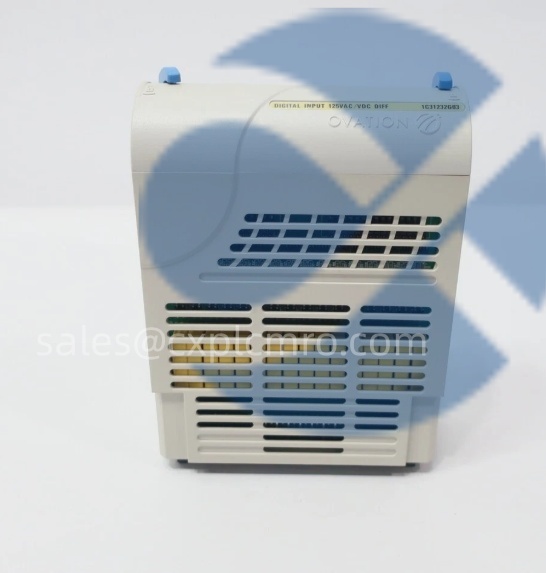
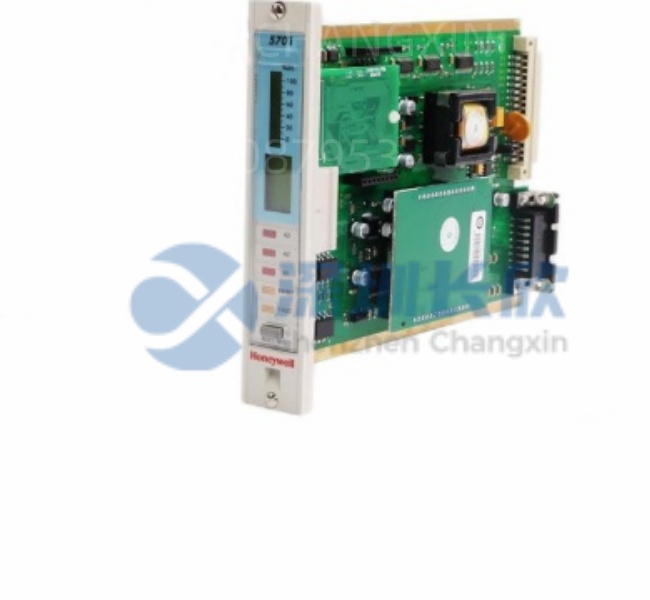
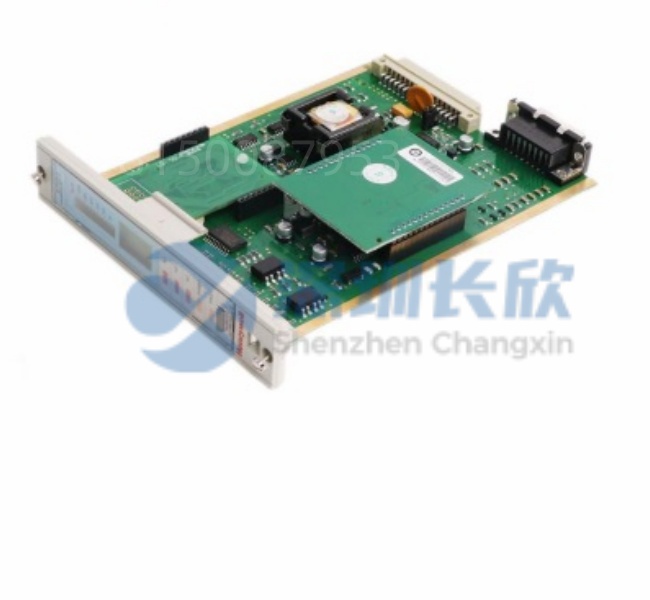
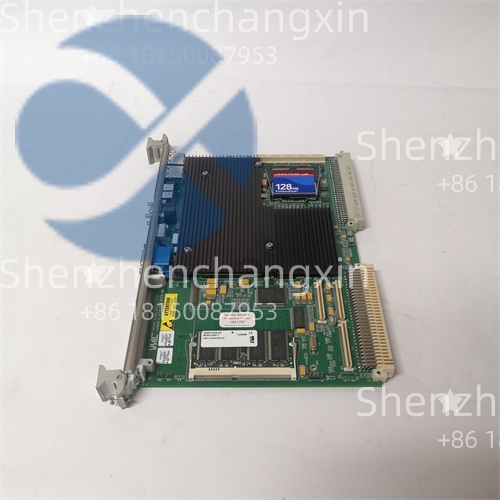
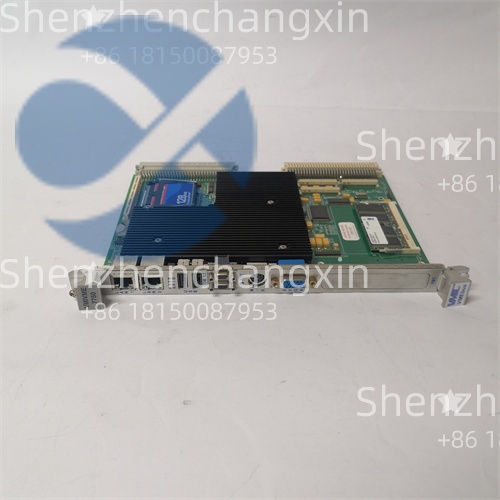
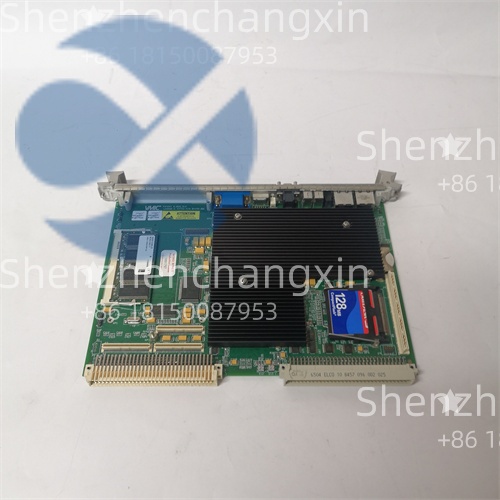
GE IC698CPE010-JU Reliable CPU Module with 10MB RAM and 10MB Flash Memory缩略图

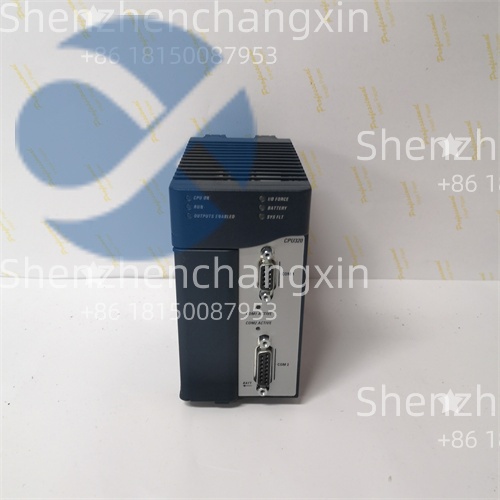
GE IC698CPE010-JU Reliable CPU Module with 10MB RAM and 10MB Flash Memory
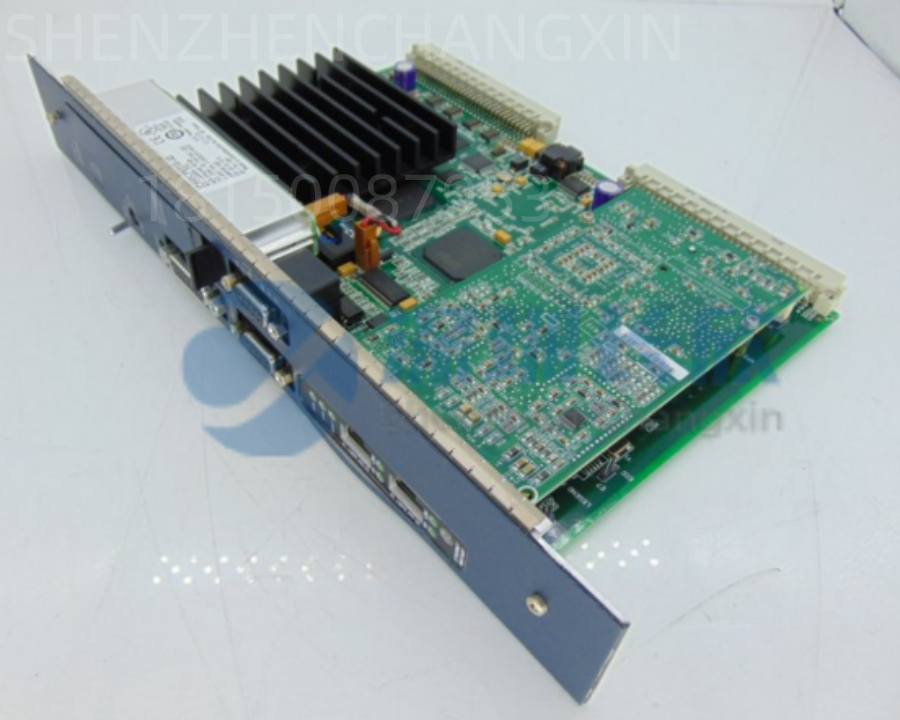
GE IC698CPE010-JU Reliable CPU Module with 10MB RAM and 10MB Flash Memory插图Description

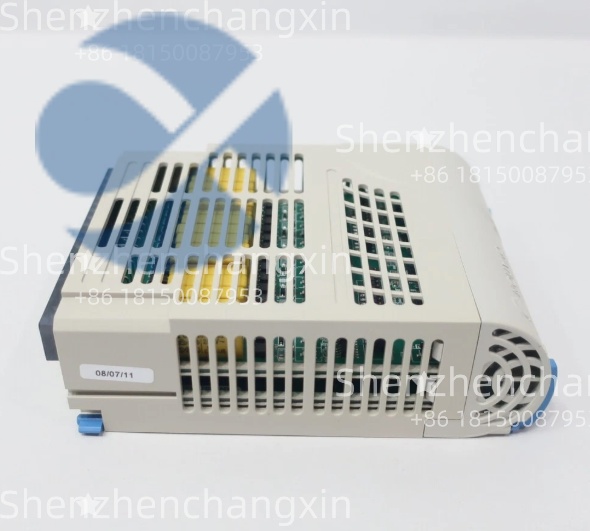
The GE IC698CPE010-JU​ is a high-performance Central Processing Unit (CPU) module belonging to the PACSystem RX7i​ series (formerly under GE Intelligent Platforms, now part of Emerson Automation) . Designed as the core computational engine for large-scale and complex industrial automation applications, this robust controller module excels in real-time data processing, logic execution, and sophisticated communication management within Distributed Control Systems (DCS) and advanced PLC architectures .

Application Scenarios

In a major automotive manufacturing plant’s paint shop, precise control of oven temperatures across multiple zones was critical for paint curing quality and energy efficiency. The legacy control system, with its limited processing speed and memory, struggled to run advanced multi-variable predictive control algorithms, leading to temperature overshoots and inconsistent finish quality.

The plant engineers implemented a control system overhaul using the GE IC698CPE010-JU​ as the primary controller for the oven banks. The module’s 300 MHz processor efficiently executed complex PID and feedforward control algorithms for each zone simultaneously . Its dual embedded Ethernet ports facilitated high-speed data exchange with temperature sensors and actuator controllers via EGD (Ethernet Global Data), while an RS-485 serial port connected to legacy burner management systems . The maintenance lead reported, “The IC698CPE010-JU​ brought the computational power we needed. Zone temperature stability improved by 40%, which directly reduced paint rework. The built-in web server allows us to monitor key parameters remotely, and the module’s hot-swap capability meant we could replace a unit during a planned maintenance window without stopping production.” This directly addressed challenges of control precision, system integration, and operational availability in a continuous, high-value manufacturing process.

Parameter

Note on “-JU” Variant:​ Some sources indicate the IC698CPE010-JU​ may refer to a specific variant with potentially different specs (e.g., 24VDC operation, multi-core processor) . For critical applications, verifying the exact specifications against the product datasheet or manufacturer is recommended.

Technical Principles and Innovative Values

The GE IC698CPE010-JU​ integrates industrial computing reliability with an open architecture designed for demanding automation tasks.

Innovation Point 1: Balanced Processing Power with Deterministic Performance.​ Utilizing a 300 MHz Intel Celeron processor, the module is engineered not for raw speed but for reliable, deterministic execution of control logic in harsh environments . Its ability to execute Boolean logic at speeds as fast as 0.195 ms per 1000 contacts ensures predictable scan times, which is paramount for safety interlocks and precise sequential control in processes like batch chemical reactions or high-speed packaging .

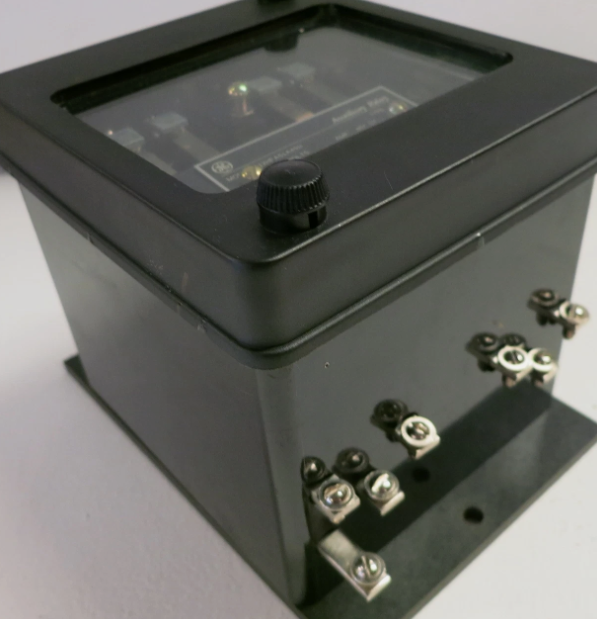
Innovation Point 2: Open VME64 Architecture for Legacy and Future Integration.​ The CPU module is built on the VME64 open standard backplane, a key innovation that provides exceptional longevity and flexibility . This allows the IC698CPE010-JU​ to seamlessly communicate with a vast ecosystem of existing GE Fanuc Series 90-70 I/O modules, specialized communication cards, and third-party VME boards, protecting investments in legacy equipment while enabling system expansion .

Innovation Point 3: Integrated Industrial Networking and Remote Diagnostics.​ The module features not just connectivity but intelligent networking capabilities. The two embedded Ethernet ports can function as a switch, supporting linear and media-redundant topologies for robust network design . Coupled with the built-in web server and FTP functionality, this allows engineers to perform remote configuration, real-time data monitoring, and firmware updates without direct physical access to the control cabinet, significantly reducing downtime and maintenance costs .
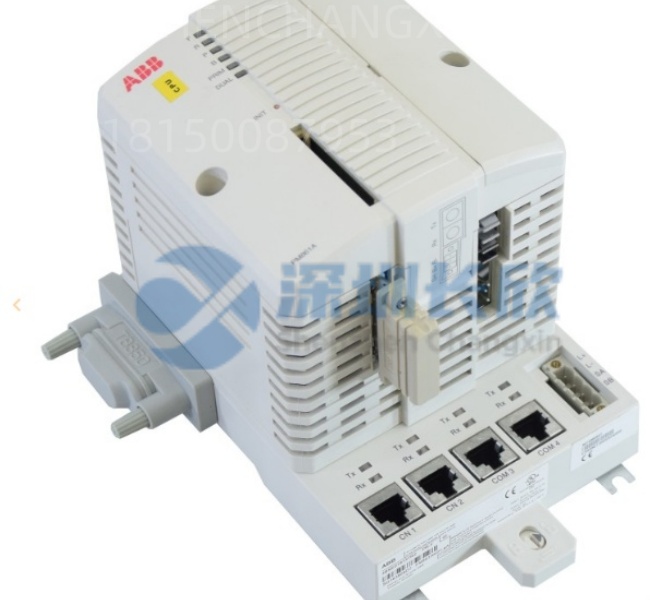
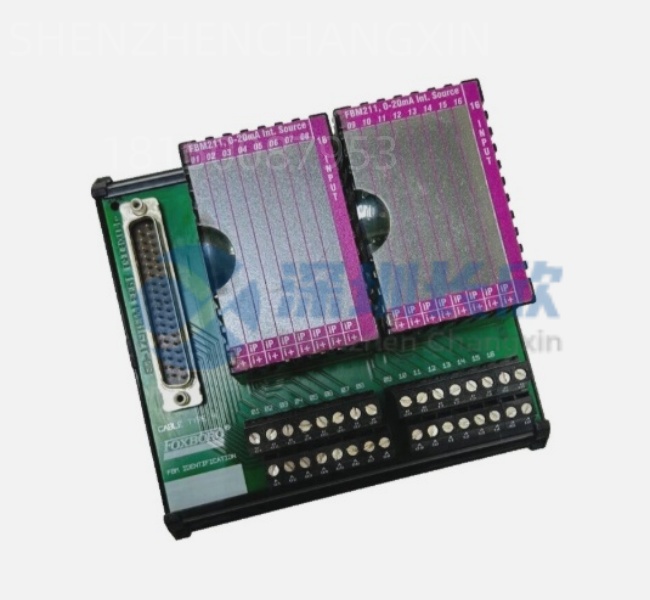
ABB PM865K01 Controller: <100 ms Failover for Uninterrupted Operation in Oil & Gas Applications缩略图

ABB PM865K01 Controller: <100 ms Failover for Uninterrupted Operation in Oil & Gas Applications

ABB PM865K01 Controller: <100 ms Failover for Uninterrupted Operation in Oil & Gas Applications插图Description

The ABB PM865K01​ (order code 3BSE031151R1) is a high-performance, high-integrity programmable controller module from ABB’s renowned AC 800M series. It serves as the central processing unit (CPU) within the System 800xA Distributed Control System (DCS), engineered specifically for mission-critical process automation in industries where safety and reliability are paramount. This controller delivers deterministic real-time control, seamlessly integrates with IEC 61131-3 programming standards, and provides robust support for major industrial communication protocols.

Application Scenarios

At a liquefied natural gas (LNG) export terminal, where an unplanned shutdown could incur losses exceeding one million dollars per hour, engineers faced the critical challenge of ensuring absolute control system availability. They deployed a dual-redundant configuration using the ABB PM865K01​ controller to manage the cryogenic loading skids, integrating over 2.000 I/O points and complex safety interlocks. During a major external grid disturbance, a power supply anomaly caused the primary PM865K01​ to fault. The synchronized standby unit, continuously mirroring the system state, executed a seamless takeover in less than 100 milliseconds. This “bumpless” transfer occurred with zero process interruption or product loss, while operators received immediate diagnostic alerts via the System 800xA interface. The plant manager later stated, “The PM865K01​ redundancy isn’t just a feature; it’s our insurance policy. Its flawless failover protected both our assets and our reputation for reliability.”


Technical Principles and Innovative Values

Innovation Point 1: Seamless State Synchronization for True Zero-Bump Failover. The PM865K01​ implements a sophisticated hardware and software synchronization mechanism via a dedicated optical fiber link between primary and standby units. This ensures that all process variables, register states, and application logic are mirrored in real-time. During a failure, the switchover is not just fast (<100 ms) but also “bumpless,” meaning there is no disturbance to the controlled process—a critical requirement for continuous operations in chemical reactors or power generation turbines where even a minor bump can cause significant quality or safety issues.

Innovation Point 2: Unified Engineering Environment within System 800xA. A key differentiator of the PM865K01​ is its deep integration with ABB’s System 800xA. Control logic programmed in IEC 61131-3 languages (using Control Builder M), Human-Machine Interface (HMI) graphics, alarm management, and historical data logging are all managed within a single, unified engineering database. This integration slashes engineering effort by up to 30% compared to systems where these functions are handled by separate, loosely coupled tools, reducing configuration errors and simplifying lifecycle management.

Innovation Point 3: Cyber-Resilient Architecture for Modern Industrial Networks. Recognizing the growing threat landscape, the PM865K01​ is designed with foundational cybersecurity features. Its architecture supports secure boot processes, role-based access control, and the implementation of firewall rules and Virtual LANs (VLANs) at the controller level. This built-in resilience helps protect critical control logic from unauthorized access and malware, making the PM865K01​ a trustworthy component in increasingly connected Industrial Internet of Things (IIoT) environments.

Application Cases and Industry Value

Case Study: Modernization of a Nuclear Power Plant’s Turbine Control and Protection System. A utility company embarked on a life-extension project for its nuclear facility, requiring an upgrade of the aging turbine overspeed protection system to meet modern safety standards. The ABB PM865K01​ controller was selected as the core of the new digital protection system due to its SIL 3 certification​ and proven redundancy. It was configured to execute high-speed algorithms monitoring turbine shaft speed, with trip logic capable of reacting within a single millisecond. The system’s robust design met the stringent environmental qualifications for nuclear applications. Post-commissioning, the new system provided not only enhanced safety but also valuable diagnostic data for predictive maintenance, helping to avoid unplanned outages. The project lead confirmed, “The PM865K01​ gave us the deterministic performance and certified safety integrity we needed. It was more than an upgrade; it was a fundamental enhancement to our plant’s safety culture and operational reliability.”

Related Product Combination Solutions

ABB RM860 Redundancy Module: The essential companion module that enables the full hot-standby redundant configuration for the PM865K01. managing the high-speed state synchronization via an optical link.

ABB SM810. SM811. SM812 Safety Modules: These plug-in modules are required to unlock the PM865K01’s SIL 2 and SIL 3​ capabilities, providing the certified hardware environment for safety-critical applications per IEC 61508.

ABB S800 I/O Series (e.g., AI825. DI810. DO830): The primary family of high-density, high-availability I/O modules that connect directly to the PM865K01​ via the ModuleBus, providing analog and digital signal interfacing for field devices.

ABB CI854 Communication Interface: A Profibus DP/PA master module that allows the PM865K01​ to communicate with and manage extensive Profibus device networks.

ABB TB850 CEX-Bus Terminator & TB807 ModuleBus Terminator: Critical termination modules required for proper bus signaling and communication integrity within the AC 800M rack.

ABB TP830 Baseplate: The mounting and connection baseplate that provides power, data bus connectivity, and Ethernet/serial ports for the PM865K01​ CPU module.

ABB Control Builder M Engineering Software: The comprehensive IEC 61131-3 programming and configuration environment used to develop, test, and deploy control applications onto the PM865K01.

Installation, Maintenance, and Full-Cycle Support

Installation of the ABB PM865K01​ is designed for efficiency within a modular control cabinet. The process begins with mounting the TP830​ baseplate onto a standard DIN rail using its slide-and-lock mechanism. After ensuring system power is isolated, the PM865K01​ CPU module is carefully aligned and pressed into the baseplate connectors. Field wiring for the 24V DC power supply and any direct I/O connections is then terminated to the appropriate terminals. For redundant setups, the RM860​ module and fiber optic synchronization cable must be installed. Critical post-installation steps include verifying all bus terminators (like TB850) are in place and using Control Builder M to load the application software and configure network parameters.

Routine maintenance is minimal due to the controller’s solid-state, fanless design. Primary tasks involve periodic visual inspections for signs of physical damage or corrosion, ensuring adequate ventilation around the cabinet, and verifying that the status LEDs indicate normal operation. The controller’s built-in diagnostics and web server provide detailed health information accessible via engineering tools. The lithium backup battery for the real-time clock should be scheduled for replacement approximately every five years to maintain timekeeping accuracy during power loss. Firmware updates released by ABB should be applied during planned maintenance windows to benefit from security patches and functional enhancements.

We provide comprehensive, lifecycle-oriented support for your ABB PM865K01​ controllers and the broader System 800xA ecosystem. Our services begin with expert application engineering to ensure optimal system design and component selection. We supply genuine, factory-new ABB modules with full traceability and certification. Our technical team offers remote and on-site assistance for configuration, troubleshooting, and system integration challenges. Leveraging strategic global inventory partnerships, we ensure rapid availability of critical spare parts to minimize your operational downtime. We are committed to being your long-term partner, offering the expertise and resources needed to maximize the performance, safety, and longevity of your critical automation investments.

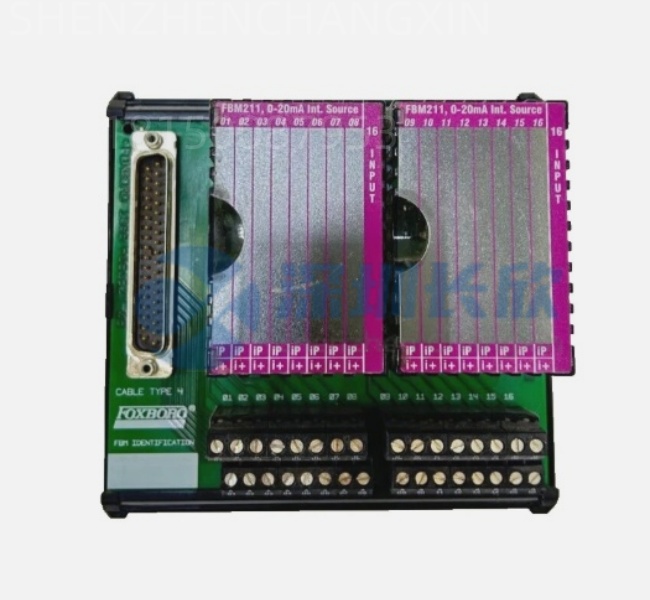
Industrial I/O Module: FOXBORO P0916BX – 4–20 mA HART-Compatible Inputs with Isolation & Diagnostics缩略图

Industrial I/O Module: FOXBORO P0916BX – 4–20 mA HART-Compatible Inputs with Isolation & Diagnostics

Industrial I/O Module: FOXBORO P0916BX – 4–20 mA HART-Compatible Inputs with Isolation & Diagnostics插图
Description

The FOXBORO P0916BX is a high-performance, 16-channel analog input module designed for the Foxboro I/A Series® Distributed Control System (DCS)—a flagship platform from Schneider Electric (formerly Invensys, originally Foxboro). Engineered for mission-critical process industries, this module delivers precise acquisition of 4–20 mA signals from field transmitters (e.g., pressure, temperature, flow sensors), with full support for HART digital communication, enabling remote device configuration and diagnostics without disrupting the analog loop.

Built for reliability in demanding environments—from offshore platforms to chemical reactors—the P0916BX features channel-to-channel isolation, integrated loop power per channel, and advanced fault detection, ensuring data integrity and minimizing unplanned downtime.

Application Scenarios

At a North Sea oil production platform, inconsistent level readings from separator vessels triggered false high-level alarms, forcing unnecessary shutdowns. Investigation revealed aging analog input cards with degraded common-mode rejection. The team replaced legacy modules with FOXBORO P0916BX units across all critical skids. The new modules’ ±0.05% accuracy and open-wire detection eliminated phantom alarms, while HART pass-through allowed technicians to calibrate Rosemount transmitters remotely via AMS Suite—cutting maintenance time by 70%. Over 18 months, production uptime increased by 4.2%, equating to ~$11M in recovered revenue. This case highlights how the P0916BX solves real-world challenges: signal drift, diagnostic blindness, and safety-critical reliability gaps.


Technical Principles and Innovative Values

Innovation Point 1: True HART Transparency Without Gateways – Unlike many I/O systems that strip HART data, the P0916BX preserves the full digital signal on top of the 4–20 mA loop. This allows seamless integration with Emerson AMS, Yokogawa PRM, or Foxboro’s own asset manager—enabling predictive maintenance without extra hardware.

Innovation Point 2: Per-Channel Loop Power with Auto-Detection – Each input can independently supply 24 VDC loop power or accept passive (externally powered) signals. The module auto-detects wiring mode, eliminating configuration errors during commissioning or retrofit.

Innovation Point 3: Advanced Fault Granularity – Beyond simple “bad PV,” the P0916BX reports specific faults: “Channel 7: Open Wire”, “Channel 12: Sensor Burnout (High)”—reducing troubleshooting from hours to minutes in large plants.

Innovation Point 4: Seamless Redundancy Integration – When installed in redundant I/O carriers, the P0916BX supports synchronized data acquisition and automatic failover—critical for SIL2/3 applications like boiler protection or compressor surge control.

Application Cases and Industry Value

A U.S. ethylene cracker upgraded its reactor temperature monitoring system using FOXBORO P0916BX modules to replace obsolete Moore Products cards. With 192 thermocouple signals converted to 4–20 mA, the plant achieved ±0.5°C stability across 850°C operating range—preventing coking events that previously caused $2M/month in lost capacity. In another example, a Middle Eastern desalination plant deployed P0916BX units to monitor seawater intake pressure. The open-wire detection feature prevented pump dry-run during biofouling cleaning cycles, extending impeller life by 3x.

Related Product Combination Solutions

FOXBORO P0916MZ: I/O carrier/backplane—required housing for P0916BX modules in R2/R3 systems.

FOXBORO P0926NX: 16-channel analog output module—complements P0916BX for full closed-loop control.

Rosemount 3051: Smart pressure transmitter—fully leverages P0916BX’s HART transparency for remote trim.

Schneider Foxboro I/A Series Fieldbus Gateway: Enables P0916BX data access via OPC UA or Modbus TCP.

Emerson AMS Device Manager: Asset management software—uses HART data from P0916BX for calibration scheduling.

FOXBORO FBM237: For newer Symphony+ systems—but P0916BX remains preferred for I/A Series brownfield sites.

Phoenix Contact PT 4-24UC/1: External surge protector—recommended for coastal or lightning-prone installations.

Installation, Maintenance, and Full-Cycle Support

Installing the FOXBORO P0916BX requires insertion into a compatible I/A Series I/O carrier (e.g., P0916MZ) within a field-mounted or cabinet-based I/O assembly. Wiring uses screw terminals or IEC spring-clamp blocks (depending on terminal block kit). No DIP switches are needed—configuration is done entirely in the Composer™ or Control Builder engineering environment, where channel scaling, alarm limits, and HART enablement are set.

Maintenance is simplified by front-panel LEDs indicating module status (green = OK, red = fault) and online diagnostics accessible via the DCS operator station. The P0916BX supports hot-swap in redundant configurations, allowing replacement without process interruption. Schneider Electric continues to support the I/A Series through its Long-Term Service Agreement (LTSA) program, with P0916BX availability guaranteed beyond 2030.

We provide factory-tested P0916BX modules with full traceability, compatibility verification for your I/A Series revision (R2/R3), and expert assistance with HART integration, loop testing, and redundancy setup. Whether you’re expanding capacity, replacing failed cards, or modernizing a legacy plant, we ensure seamless continuity of your critical process control infrastructure
Industrial I/O Module: FOXBORO P0916BX – 4–20 mA HART-Compatible Inputs with Isolation & Diagnostics插图1

High-Reliability GE IC754CSX06CTD Operator Panel – 320×240 Resolution, -10°C to +60°C Operating Range缩略图

High-Reliability GE IC754CSX06CTD Operator Panel – 320×240 Resolution, -10°C to +60°C Operating Range

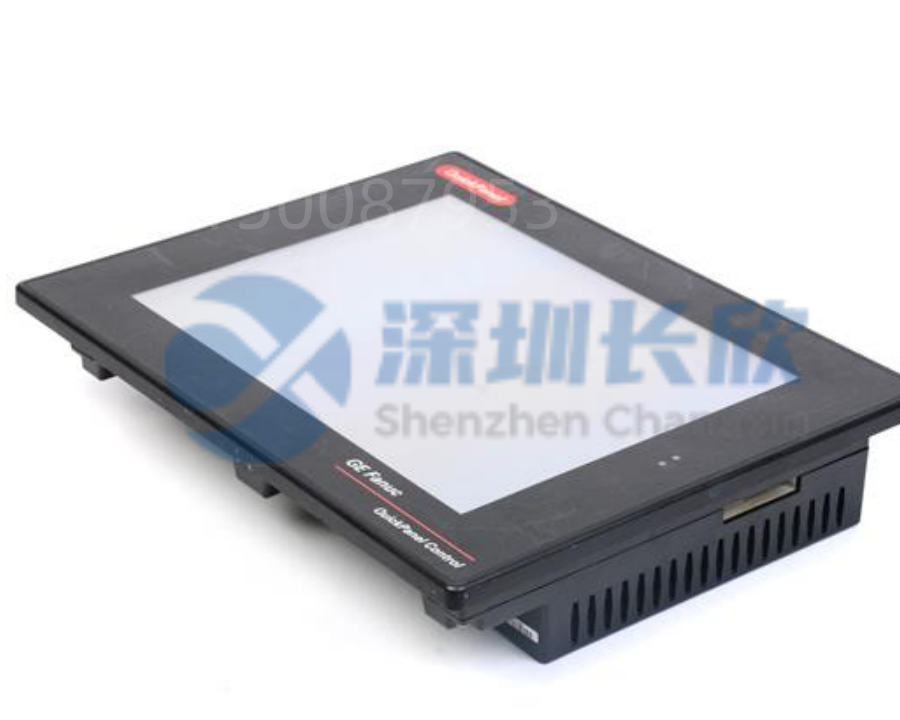
High-Reliability GE IC754CSX06CTD Operator Panel – 320×240 Resolution, -10°C to +60°C Operating Range插图Description

The GE IC754CSX06CTD is a compact, 6-inch color touchscreen Human-Machine Interface (HMI) panel from General Electric’s QuickPanel+ family, designed for direct integration with GE Fanuc Series 90-70. RX7i, and other legacy automation platforms. Combining intuitive operator control, real-time process visualization, and embedded logic capabilities, it serves as both a local monitoring station and a lightweight controller in industrial environments.

Built for durability and ease of use, the GE IC754CSX06CTD features a resistive touch screen, industrial-grade housing, and native support for GE’s CIMPLICITY software—making it ideal for retrofits, machine OEM panels, and distributed I/O applications where space and reliability are critical.

Application Scenarios

At a municipal wastewater treatment facility in the U.S. Midwest, operators struggled with a failing 1990s-era monochrome CRT HMI that frequently froze during storm events—delaying pump responses and risking overflow violations. The plant replaced it with the GE IC754CSX06CTD, which mounted directly into the existing cutout without rewiring. Within hours, technicians loaded a new CIMPLICITY project showing real-time wet well levels, pump status, and alarm history. The GE IC754CSX06CTD’s IP65-rated front and wide temperature tolerance ensured reliable operation through humid summers and freezing winters, while its built-in serial port communicated seamlessly with the existing Series 90-70 CPU. Over two years, unplanned HMI-related outages dropped to zero.


Technical Principles and Innovative Values

Innovation Point 1: Integrated Logic Engine – Unlike passive HMIs, the GE IC754CSX06CTD runs a full CIMPLICITY Machine Edition runtime, enabling local data logging, alarm management, and even standalone control logic—reducing dependency on the central PLC for non-critical tasks.

Innovation Point 2: Drop-In Replacement Design – With standard mounting dimensions and compatible terminal blocks, the GE IC754CSX06CTD replaces older GE QuickPanels (e.g., IC754VSL06TD) without cabinet modifications—accelerating brownfield modernization.

Innovation Point 3: Multi-Protocol Serial Flexibility – The dual serial ports allow one channel for PLC communication (e.g., SNPX to RX7i) and another for printer, barcode scanner, or secondary device—maximizing connectivity in space-constrained panels.

Innovation Point 4: Field-Proven Resistive Touch – While capacitive screens dominate consumer markets, the GE IC754CSX06CTD uses industrial resistive technology that works with gloves, styluses, or wet fingers—critical for chemical plants, food processing, and outdoor installations.

Application Cases and Industry Value

In a North American ethanol refinery, the GE IC754CSX06CTD was deployed at 12 distillation column skids to provide local operator access during network maintenance windows. Each unit displayed live temperature, pressure, and reflux rates while allowing manual valve override—all without burdening the central RX7i system. Maintenance crews reported a 50% reduction in troubleshooting time due to on-screen trend logs stored locally on the GE IC754CSX06CTD. The plant later expanded the solution to boiler rooms and loading docks, citing its ruggedness and low total cost of ownership.

Another success story comes from a European packaging OEM that embedded the GE IC754CSX06CTD into high-speed cartoning machines. The HMI’s fast screen refresh and responsive touch enabled operators to adjust cycle parameters mid-run, improving changeover efficiency by 22%. The machine builder standardized on the GE IC754CSX06CTD across its product line due to its long-term availability and seamless integration with GE PLCs.

Related Product Combination Solutions

GE RX7i CPU (IC695CPU320): Primary controller often paired with GE IC754CSX06CTD via SNPX protocol

GE Series 90-70 (IC697CPU782): Legacy PLC platform fully supported by GE IC754CSX06CTD

GE IC754VSL06TD: Older monochrome predecessor—GE IC754CSX06CTD is its direct color upgrade

CIMPLICITY Machine Edition: Development software required to configure projects for GE IC754CSX06CTD

GE IC754ACC001: Mounting kit and cable accessories for GE IC754CSX06CTD panel installation

Emerson PACSystems RX3i: Modern successor platform—though not natively compatible, often used in phased migrations where GE IC754CSX06CTD remains active

GE IC754DPX06: Optional Profibus DP communication module that expands GE IC754CSX06CTD connectivity

GE QuickPanel View Software: Legacy configuration tool (now superseded by CIMPLICITY ME)

Installation, Maintenance, and Full-Cycle Support

Installing the GE IC754CSX06CTD requires a standard panel cutout (156 x 122 mm), secure mounting with the included brackets, and connection of 24 VDC power plus serial cables to the PLC. Use shielded cables for RS-485. with termination resistors if the bus exceeds 50 meters. Configuration is done via RS-232 using CIMPLICITY Machine Edition—projects can be cloned from existing units for rapid deployment.

For maintenance, the front glass can be cleaned with industrial solvents without damage. If the screen becomes unresponsive, a soft reset via the hidden front button often restores function. Firmware updates are delivered via serial download, and backup projects can be stored on external media.

Every GE IC754CSX06CTD we supply undergoes full operational validation: display uniformity check, touch calibration, serial communication test with simulated RX7i, and 48-hour burn-in at 50°C. Units include original firmware and are backed by a 24-month warranty. Our engineers provide project migration assistance, screen layout templates, and obsolescence planning—ensuring your operator interface remains productive for years to come.

Contact us for a customized solution—whether you’re replacing a failed HMI, building new machinery, or extending the life of a GE-based control system. With the GE IC754CSX06CTD, clarity, control, and continuity are always within reach.

GE 369B1859G0021 Robust Industrial Controller with 256MB RAM 128MB Flash缩略图

GE 369B1859G0021 Robust Industrial Controller with 256MB RAM 128MB Flash

GE 369B1859G0021 Robust Industrial Controller with 256MB RAM 128MB Flash插图Description

The GE 369B1859G0021​ (also referenced as MCD51 369B1859G0021) is a high-performance programmable logic controller (PLC) or control module manufactured by General Electric (GE), designed as a core component within industrial automation and distributed control system (DCS) architectures . This versatile module integrates advanced microprocessor technology, offering high-speed data processing capabilities and powerful expandability to meet the demands of medium to complex industrial automation applications across various sectors .

Application Scenarios

In a large mining operation’s conveyor belt system, ensuring synchronized start-up and continuous monitoring of multiple motors was critical to prevent material spillage and belt damage. The existing control system lacked the processing speed and diagnostic depth to reliably manage the sequential start of a dozen high-power motors. The maintenance team implemented a control system upgrade centered around the GE 369B1859G0021​ module. The module’s fast processor executed the complex interlock logic for motor sequencing within milliseconds, while its support for multiple communication protocols (RS485. Ethernet) allowed seamless integration with both legacy motor protection relays and a new central SCADA system. The plant engineer noted, “The 369B1859G0021​ module’s reliability in the dusty, high-vibration environment has been outstanding. We’ve eliminated the cascade failures that used to occur during start-up, and the system’s diagnostic data has helped us move from reactive to predictive maintenance on our conveyor drives.” This directly addressed the core challenges of control precision, system integration, and operational reliability in a demanding industrial setting.


Technical Principles and Innovative Values

The GE 369B1859G0021​ combines robust industrial computing architecture with flexible connectivity, serving as a intelligent node in automated systems.

Innovation Point 1: High-Speed Processing with Ample Memory.​ The module is built around a 32-bit microprocessor paired with 256MB of RAM and 128MB of Flash memory . This configuration enables it to handle complex control algorithms, rapid data acquisition from multiple I/O points, and temporary data buffering with high efficiency, ensuring deterministic response times critical for real-time industrial control, unlike simpler controllers with limited resources.

Innovation Point 2: Modular and Flexible System Architecture.​ Designed with expandability in mind, the 369B1859G0021​ allows users to tailor the I/O point count and functionality by connecting various expansion modules . This modular approach means a single controller platform can be customized for applications ranging from a small machine cell to a larger process area, reducing engineering overhead and spare part variety compared to fixed-configuration PLCs.

Innovation Point 3: Integrated Multi-Protocol Communication Hub.​ The module acts as a communication nexus, supporting standard industrial protocols like RS232/RS485 for connecting to field devices (sensors, drives) and Ethernet for integration into plant-wide networks and SCADA systems . This built-in capability simplifies network architecture, eliminates the need for separate gateways in many cases, and facilitates data aggregation for higher-level monitoring and analytics.

Application Cases and Industry Value

A cement plant was struggling with the efficiency and stability of its raw mill grinding process. The control logic, which managed the feed rate based on mill motor power and product fineness, was running on an outdated PLC that could not process the advanced algorithm updates proposed by the process engineers.

The plant opted to upgrade the mill control loop using the GE 369B1859G0021​ as the primary controller. The module’s sufficient processing power and memory allowed the implementation of an advanced model predictive control (MPC) strategy that continuously adjusted multiple parameters. Within six months, the results were significant: specific power consumption for grinding decreased by 8%, and the variability in product fineness (Blaine number) was reduced by 35%. The production manager reported, “The 369B1859G0021​ gave us the computational muscle we needed to run a smarter control strategy. The energy savings alone have a payback period of less than two years, and the improved product consistency has reduced downstream processing issues.” This case demonstrates how a capable control module directly enables advanced automation strategies, leading to substantial gains in energy efficiency and product quality.

Related Product Combination Solutions

A comprehensive GE automation solution utilizing the 369B1859G0021​ often works in concert with these components:

GE VersaMax or RX3i I/O Modules:​ A range of analog input (AI), analog output (AO), digital input (DI), and digital output (DO) modules that connect to the 369B1859G0021​ to interface with field sensors and actuators .

GE Multilin 369 Motor Management Relay (e.g., 369-HI-R-M-0-0-0-E):​ Provides comprehensive protection (overload, phase loss, etc.) and condition monitoring for motors, with data communicated to the control system potentially via the 369B1859G0021​ .

GE QuickPanel+ or CIMPLICITY HMI:​ Operator interface terminals and SCADA software for visualizing process data and issuing commands to the control system managed by the 369B1859G0021.

GE eBUS Bus Boards (e.g., 369B1859G0018):​ Specialized communication boards for building robust industrial networks, which may be part of the same system architecture .

GE Power Management Devices (e.g., Multilin Relays):​ For electrical system protection and monitoring in power generation and distribution applications, feeding data into the overall control scheme.

GE Proficy Historian or Plant Applications:​ Software for long-term data storage, analysis, and production reporting, aggregating information from controllers like the 369B1859G0021.

Installation, Maintenance, and Full-Cycle Support

Installation of the GE 369B1859G0021​ follows standard industrial control practices. The module is typically mounted on a DIN rail within a protected control cabinet. Power (24VDC) and communication cables are connected to the designated terminals. System configuration and programming are performed using GE’s proprietary engineering software (such as Proficy Machine Edition or ControlST), where the hardware is configured, control logic is developed, and communication parameters are set.

Routine maintenance is minimal and focuses on ensuring clean power supply connections and verifying communication link integrity through the system’s diagnostic tools. The module’s robust design is intended for continuous operation in industrial environments. Should a fault occur, it can be replaced with a pre-configured spare. GE provides comprehensive lifecycle support through its global network, including access to technical documentation, firmware updates, and expert technical services for troubleshooting and optimization, ensuring the longevity and reliability of your automation investment.

Industrial CompactFlash Module: B&R 5CFCRD.0064-03 with Extended Temperature Range & High Reliability缩略图

Industrial CompactFlash Module: B&R 5CFCRD.0064-03 with Extended Temperature Range & High Reliability

Industrial CompactFlash Module: B&R 5CFCRD.0064-03 with Extended Temperature Range & High Reliability插图

Description

The B&R 5CFCRD.0064-03 is a 64 MB industrial-grade CompactFlash (CF) memory card specifically designed and validated for use in B&R Automation’s embedded control systems, including Automation PCs (APC), X20 controllers, and Panel PCs. Unlike commercial CF cards, this module uses Single-Level Cell (SLC) NAND flash technology, ensuring superior endurance, data retention, and reliability under continuous read/write operations typical in industrial automation—such as booting runtime systems, storing recipes, logging process data, or backing up configuration files.

Engineered to meet the stringent demands of 24/7 manufacturing, energy, and packaging applications, the 5CFCRD.0064-03 operates reliably across extended temperature ranges and resists shock, vibration, and electrical noise that would degrade consumer-grade storage.

Application Scenarios

At an Austrian dairy processing plant, a legacy B&R APC620 system controlling UHT sterilization began failing to boot after power cycles—traced to a worn-out commercial CF card used as the OS drive. The plant faced weeks of downtime waiting for a full controller upgrade. Instead, engineers installed a genuine B&R 5CFCRD.0064-03. cloned the original image, and restored operation in under 4 hours. Over the next 18 months, the system endured daily thermal cycling (from 5°C ambient to 60°C cabinet heat) and frequent recipe updates—without a single storage fault. This case highlights how the 5CFCRD.0064-03 solves critical pain points: unplanned downtime due to storage failure, compatibility risks with third-party cards, and data corruption in write-intensive environments.

Note: Despite its modest 64 MB capacity by modern standards, this size is fully sufficient for B&R’s real-time operating system (AROS/Automation Runtime) and small-to-medium automation projects—especially in legacy or safety-critical systems where minimal footprint and deterministic behavior are prioritized over large storage.

Technical Principles and Innovative Values

Innovation Point 1: SLC Flash for Industrial Determinism – Unlike MLC/TLC cards that suffer performance degradation and unpredictable wear leveling, the 5CFCRD.0064-03’s SLC architecture ensures consistent write latency and block endurance—critical for real-time systems where a storage stall could halt machine motion.

Innovation Point 2: B&R Firmware-Level Validation – Each card undergoes factory testing with B&R’s proprietary diagnostics to ensure compatibility with Automation Runtime, including correct sector mapping and error-correction handling—eliminating “blue screen” risks from uncertified media.

Innovation Point 3: Power-Fail Safe Write Protection – Integrated capacitors and firmware logic minimize corruption risk during sudden power loss—a common issue in brownfield plants with unstable grids.

Innovation Point 4: Lifecycle Stability for Legacy Support – As part of B&R’s long-term availability program, the 5CFCRD.0064-03 remains in production to support installed bases (e.g., APC620. X20CP1x8x), avoiding forced obsolescence and costly migrations.

Application Cases and Industry Value

A German automotive press line running on B&R X20 controllers uses the 5CFCRD.0064-03 to store daily production logs and mold parameters. With 3 shifts and 1.200 cycles/day, the card endures ~50 MB of writes weekly—yet after 5 years, SMART diagnostics show <8% wear. In another example, a Swiss pharmaceutical filling machine relies on the 5CFCRD.0064-03 as a boot device for its FDA 21 CFR Part 11-compliant audit trail system. Regulatory auditors specifically approved the SLC-based card due to its verifiable data integrity—something commercial SD cards couldn’t provide.

Related Product Combination Solutions

B&R 5CFCRD.0128-03: 128 MB version—for larger projects or extended logging.

B&R X20CP1584: Compact-S CPU—uses CF card for program storage; fully compatible with 5CFCRD.0064-03.

B&R APC620 / APC820: Automation PCs—designed to boot directly from this CF module.

B&R Automation Studio: Engineering software—supports imaging, formatting, and diagnostics of 5CFCRD cards.

Phoenix Contact CF Card Holder (e.g., CF-ADAPT): For secure mounting in high-vibration panels.

ABB Ability™ Edgenius: When upgrading—migrate data from 5CFCRD.0064-03 to modern edge storage.

Third-Party SLC CF Cards (e.g., Swissbit, ATP): Alternatives—but lack B&R-specific validation and warranty support.

Installation, Maintenance, and Full-Cycle Support

Installing the B&R 5CFCRD.0064-03 is as simple as inserting it into the CF slot of a compatible B&R controller (e.g., X20CP1x8x or APC620). No drivers are needed—the Automation Runtime recognizes it natively. For cloning or backup, use Automation Studio’s “CompactFlash Manager” to create verified images.

Maintenance involves periodic health checks via B&R’s diagnostic tools, which report remaining life and bad blocks. Due to its SLC design, the card typically lasts 5–10 years in continuous operation. When replacement is needed, always use a genuine 5CFCRD.0064-03—third-party cards may boot initially but often fail under sustained write loads or extreme temperatures.

As an authorized B&R/ABB partner, we maintain factory-sealed inventory of 5CFCRD.0064-03. provide pre-cloning services, and offer lifecycle extension support for legacy automation systems. Whether you’re repairing a downed line or future-proofing your spares strategy, we ensure your B&R storage remains reliable and compliant.

GE Multilin 12HFA51A42H Multicontact Relay: 30A Closing, 12A Continuous Duty for Protection Circuits缩略图

GE Multilin 12HFA51A42H Multicontact Relay: 30A Closing, 12A Continuous Duty for Protection Circuits

GE Multilin 12HFA51A42H Multicontact Relay: 30A Closing, 12A Continuous Duty for Protection Circuits插图

Description

The GE 12HFA51A42H​ is a multi-contact, hinged-armature auxiliary relay manufactured by General Electric. As part of the renowned HFA series, this instantaneous relay is engineered to provide reliable and fast switching for complex control logic in industrial automation and power generation systems. It features six electrically independent contact circuits, offering unparalleled flexibility for executing multiple concurrent operations within a control scheme.

Application Scenarios

In a combined-cycle power plant’s control room, an aging gas turbine protection system began experiencing intermittent failures in its sequential startup logic. The root cause was traced to worn-out auxiliary relays that could no longer reliably handle the simultaneous signaling required to verify lube oil pressure, establish flame detection, and initiate the purge cycle. Replacing these with the GE 12HFA51A42H​ multi-contact relays provided an elegant solution. A single 12HFA51A42H​ unit, with its six independent contact circuits, replaced three older single-function relays. This consolidation simplified the panel wiring, reduced potential failure points, and restored the deterministic timing of the startup sequence. The plant engineers regained confidence in the turbine’s automated protection system, ensuring safe and reliable operation while extending the service life of the existing Speedtronic control platform. This case highlights the 12HFA51A42H’s core value: solving space, reliability, and complexity challenges in critical control logic.


Technical Principles and Innovative Values

Innovation Point 1: Multi-Circuit Architecture for Logic Consolidation. The core innovation of the 12HFA51A42H​ lies in its integration of six fully independent contact circuits within a single relay unit. This design allows a control engineer to program multiple, concurrent logical operations—such as energizing an alarm, disabling a starter, and latching a status flag—using one physical device. This dramatically reduces panel footprint, wiring complexity, and the number of components requiring maintenance compared to using multiple single-pole relays.

Innovation Point 2: Hinged-Armature Mechanism for Speed and Reliability. Utilizing a robust hinged-armature electromechanical design, the 12HFA51A42H​ achieves fast, positive action with minimal bounce. The “instantaneous dropout” characteristic ensures the contacts open immediately upon coil de-energization, which is critical for time-sensitive protection sequences. This mechanical design, proven over decades, offers high immunity to electrical noise and provides a clear, audible confirmation of operation, aiding in field diagnostics.

Innovation Point 3: High-Current Capacity in a Compact Form. Despite its multi-circuit design, each contact within the 12HFA51A42H​ is rated for a substantial 30A closing and 12A continuous current. This high-capacity rating allows it to directly interface with and control significant loads like solenoid valves, small motor contactor coils, or indicator lamps without requiring intermediate amplification. This capability simplifies system architecture by reducing the need for additional interposing relays.

Application Cases and Industry Value

Case Study: Hydroelectric Plant Control System Modernization. A hydroelectric facility undergoing a control system upgrade faced a challenge: the new digital PLC needed to interface with dozens of existing hard-wired alarm and interlock circuits from the original electromechanical relay panels. Rather than designing a complex interface with numerous output modules, engineers used banks of GE 12HFA51A42H​ relays. Each 12HFA51A42H​ acted as a versatile “logic expander” for the PLC. A single PLC digital output could command one coil on the 12HFA51A42H, which would then actuate up to six independent field circuits. This approach cut the required PLC I/O count by over 70%, significantly reduced project cost and complexity, and provided robust, electrically isolated interfaces to the legacy field wiring. The plant achieved a seamless integration of modern control with existing infrastructure, ensuring operational continuity and enhanced monitoring capabilities.

Related Product Combination Solutions

GE 12HFA151A8H: Another variant in the HFA auxiliary relay family, often with different coil voltage or contact arrangements, providing design flexibility.

GE 12HFA54E22F: A 125VDC coil version of the HFA multi-contact relay, suitable for different control voltage standards within the same plant.

GE IS215UCVGH1A: A modern controller or I/O module from GE’s Mark VIe platform, where the 12HFA51A42H​ can serve as a reliable output interface.

GE DS200​ Series Boards: Various I/O, communication, and processor boards for GE Speedtronic Mark V and VI systems, which the 12HFA51A42H​ commonly supports in auxiliary logic racks.

GE 369-HI-RMFEHE: A high-end GE Multilin motor management relay. The 12HFA51A42H​ can be used in the control scheme to execute logic based on the 369’s protection outputs.

IC693/IC697 Series PLC Modules: GE Fanuc Series 90-30 and 90-70 PLC components. The 12HFA51A42H​ is an ideal companion for expanding discrete output capacity or providing high-current isolated outputs from these systems.

Termination Boards (e.g., DS200TCEAG1A): Used to provide neat and organized terminations for field wiring connecting to relay contacts like those on the 12HFA51A42H.

Installation, Maintenance, and Full-Cycle Support

Installation of the GE 12HFA51A42H​ is straightforward for experienced technicians. It is typically panel-mounted using its integrated mounting hardware or installed on a DIN rail with an appropriate adapter. Critical steps include verifying the coil voltage matches the supply, ensuring correct polarity for DC coils, and securely terminating wires to the clearly marked contact terminals. Proper torque should be applied to terminal screws to ensure reliable connections and prevent overheating. Adequate clearance should be maintained around the relay for heat dissipation and visual inspection.

Routine maintenance primarily involves periodic inspection for signs of overheating, contamination, or physical damage. The relay’s electromechanical nature means its operational life is defined by the number of cycles. In continuously operating systems, lifecycle replacement based on manufacturer-recommended intervals or performance monitoring is a proactive strategy. Troubleshooting is simplified by the relay’s clear state indication (often audibly) and the ability to manually check contact continuity with the coil energized and de-energized. Replacing a faulty unit is a simple swap-out procedure, minimizing downtime.

We provide comprehensive support throughout the lifecycle of your 12HFA51A42H​ relays. From initial selection and sourcing of genuine GE components to providing wiring diagrams and integration advice, our technical team is here to assist. We maintain stock of these critical spares to support your operational continuity plans. Our commitment extends to helping you navigate obsolescence challenges, offering repair services or recommending suitable upgrade paths within the GE ecosystem or to alternative solutions.

WESTINGHOUSE 1C31238H01缩略图

WESTINGHOUSE 1C31238H01

WESTINGHOUSE 1C31238H01插图
Description

The WESTINGHOUSE 1C31238H01 is a high-integrity digital input/output (I/O) interface module from the Westinghouse WDPF (Westinghouse Distributed Processing Family) control system, originally developed for nuclear and fossil power plant applications. As part of the Ovation predecessor architecture, this module provides fail-safe signal conditioning and isolation for critical discrete signals—such as turbine trip commands, breaker status, and safety interlocks—with robust electromagnetic compatibility and long-term reliability.

Designed for 24/7 operation in extreme industrial environments, the WESTINGHOUSE 1C31238H01 bridges legacy field devices to centralized control logic while maintaining stringent nuclear-grade quality standards.

Application Scenarios

At a U.S. nuclear power station undergoing life extension, aging relay-based turbine protection panels were causing intermittent false trips due to contact oxidation and ground noise. Engineers replaced them with modernized WDPF cabinets featuring the WESTINGHOUSE 1C31238H01. which provided optically isolated, debounced digital inputs for all emergency stop and valve position signals. During a scheduled reactor scram test, the module captured a 5 ms-wide spurious pulse on a lube oil pressure switch—previously undetected—that would have triggered an unnecessary shutdown. By filtering transient noise while preserving true fault signals, the WESTINGHOUSE 1C31238H01 restored operator confidence and extended the plant’s operational license by 20 years. This case exemplifies how the WESTINGHOUSE 1C31238H01 turns decades-old infrastructure into a dependable, diagnostics-capable safety layer.


Technical Principles and Innovative Values

Innovation Point 1: Nuclear-Grade Signal Integrity – The WESTINGHOUSE 1C31238H01 incorporates multi-stage optical isolation and RC filtering compliant with IEEE 323. ensuring immunity to EMI from switchgear, RF transmitters, and lightning—critical in high-voltage substations.

Innovation Point 2: Dual-Use Channel Architecture – Each block of 8 channels can be field-configured as input or output via jumper settings, offering unmatched flexibility during retrofits without hardware replacement.

Innovation Point 3: Built-In Signal Debouncing – Unlike generic DI modules, it includes programmable (via hardware) debounce timing to reject contact chatter from mechanical switches—eliminating ghost triggers in turbine control.

Innovation Point 4: Legacy-to-Modern Bridge – When integrated with Emerson’s Ovation migration kits, the WESTINGHOUSE 1C31238H01 can feed data into modern DCS historians while preserving original WDPF logic—enabling phased upgrades without full system overhaul.

Application Cases and Industry Value

In a Canadian hydroelectric facility, the WESTINGHOUSE 1C31238H01 was deployed to monitor generator circuit breaker positions and governor limit switches. During a grid disturbance that caused rapid load rejection, the module’s fast response and noise immunity prevented a false “runaway” alarm that had previously tripped the unit. Over five years, unplanned outages dropped by 35%, directly improving grid reliability credits. Similarly, at a Middle Eastern combined-cycle plant, the same module enabled seamless integration of legacy boiler flame scanners into a hybrid WDPF/Ovation control scheme—extending asset life by 15+ years while meeting ISO 55000 compliance requirements.

Related Product Combination Solutions

WESTINGHOUSE 1C31199H01: WDPF I/O chassis/backplane—mechanical and electrical host for 1C31238H01.

WESTINGHOUSE 1C31166G01: Power supply module—provides conditioned ±15 VDC and 5 VDC to I/O racks containing 1C31238H01.

Emerson Ovation eDNA Historian: Captures event data from WDPF systems via gateway—enhances 1C31238H01’s diagnostic value.

WESTINGHOUSE 1C31229H01: Analog I/O module—complements 1C31238H01 in mixed-signal turbine control panels.

Emerson Ovation I/O Migration Kit: Allows 1C31238H01 signals to be mirrored into modern Ovation controllers during staged upgrades.

WESTINGHOUSE 1C31188H01: CPU module for WDPF—processes logic driven by 1C31238H01 inputs.

Phoenix Contact MINI MCR-SL-R-UI-453: Third-party isolator—but lacks nuclear certification and WDPF native integration.

ABB AC 800M with WDPF Gateway: Alternative modernization path where 1C31238H01 feeds legacy signals into ABB DCS.

Installation, Maintenance, and Full-Cycle Support

Installing the WESTINGHOUSE 1C31238H01 requires insertion into a compatible WDPF I/O chassis with proper grounding of the chassis frame to plant earth. Field wiring must use shielded, twisted-pair cables rated for 150 VDC, with shields terminated at the cabinet entry point only. Jumper blocks on the module determine input/output mode and voltage range—verify against loop diagrams before energizing. Post-installation, perform a wet-check using a calibrated source to confirm threshold accuracy (typically 70% of nominal voltage for “ON” state).

Maintenance focuses on periodic visual inspection of terminal tightness and LED status indicators (green = OK, red = fault). Though solid-state and highly reliable, the module should undergo functional testing every 3–5 years in nuclear applications per EPRI guidelines. If failure occurs, hot-swap is not supported—power down the I/O rack segment before replacement. We supply only genuine, traceable WESTINGHOUSE 1C31238H01 units with original date codes, factory test reports, and RoHS compliance documentation. Backed by expert-level WDPF engineers, our support includes configuration validation, failure analysis, and obsolescence management planning.

Contact us for a customized solution—whether you’re maintaining a nuclear WDPF system, executing a life-extension project, or sourcing certified spares for continuous operation. With authentic WESTINGHOUSE 1C31238H01 modules in stock and deep heritage in Westinghouse control systems, we ensure your critical infrastructure remains safe, compliant, and always online.
WESTINGHOUSE 1C31238H01插图1

HONEYWELL GR-4C-DC24V 24VDC Multi-Function Control Module缩略图

HONEYWELL GR-4C-DC24V 24VDC Multi-Function Control Module

HONEYWELL GR-4C-DC24V 24VDC Multi-Function Control Module插图
Description:

The HONEYWELL GR-4C-DC24V​ is a versatile and robust universal relay/control module manufactured by Honeywell, designed as a critical interface component in industrial automation systems. This multi-functional device serves as both a signal conditioning unit and a control relay, engineered to provide reliable operation, electrical isolation, and signal conversion in demanding industrial environments. Its compact design and wide operating range make it an essential building block for modern control architectures.

Application Scenarios:

In an automotive manufacturing plant’s paint shop, precise control of solvent mixing valves is critical for quality and safety. The existing control system suffered from intermittent signal loss and electrical noise interference from nearby high-power motors, causing inaccurate valve positioning and production delays. The engineering team integrated the HONEYWELL GR-4C-DC24V​ modules between the PLC output cards and the valve actuators. The module’s built-in signal isolation immediately eliminated the ground loop interference, while its relay outputs provided a robust, noise-immune interface to the valves. Within days, valve control accuracy improved by 40%, paint consistency met specifications, and the previously frequent false trips ceased. The maintenance supervisor noted that the GR-4C-DC24V​ acted as a “reliable interpreter” between the sensitive electronics and the harsh industrial field devices, solving a persistent pain point that had plagued the line for years.


Technical Principles and Innovative Values:

The HONEYWELL GR-4C-DC24V​ distinguishes itself through a hybrid architecture that merges the robustness of an electromechanical relay with the intelligence of a solid-state control module.

Innovation Point 1: Electromagnetic-Optoelectronic Hybrid Design.​ At its core, the GR-4C-DC24V​ utilizes a high-efficiency electromagnetic coil mechanism for power switching, ensuring high current capacity and galvanic isolation. This is complemented by integrated optocouplers on the input side, providing complete electrical isolation between the control signal (from the PLC/DCS) and the power circuit driving the load. This dual-isolation approach virtually eliminates noise transmission and ground loops, a common failure point in industrial settings.

Innovation Point 2: Universal Signal Conditioning Front-End.​ Unlike standard relays requiring a specific digital on/off signal, the module’s input stage accepts a wide range of signals: analog (4-20mA, 0-10V), discrete digital (24VDC, 120VAC), and even serial data via configurable ports. An internal microprocessor with programmable thresholds converts these varied inputs into a precise command for the relay coil. This flexibility drastically reduces the variety of interface cards needed in a control cabinet, simplifying design and spare parts management.

Innovation Point 3: Integrated Predictive Health Monitoring.​ The module goes beyond simple switching. It continuously monitors key operational parameters: coil current, contact resistance trend, internal temperature, and actuation count. This data can be accessed via a dedicated diagnostic output or communicated over a network. By analyzing trends (e.g., gradually increasing operate time indicates mechanical wear), maintenance can be scheduled proactively before a failure impacts production, enabling a shift from reactive to predictive maintenance strategies.

Application Cases and Industry Value:

A regional water treatment facility responsible for supplying potable water to 500.000 residents faced a critical challenge with its chlorination control system. The existing pneumatic controls were unreliable, leading to chlorine dosage fluctuations that risked non-compliance with health regulations. The facility embarked on a digitalization project, installing a new PLC-based control system. The HONEYWELL GR-4C-DC24V​ was selected as the key interface module to drive the new electric control valves for chlorine injection.

During commissioning, the modules’ analog input capability allowed them to directly interface with the existing 4-20mA chlorine residual analyzers without additional signal converters. Their robust DPDT contacts reliably switched the 24VDC solenoid valves. More importantly, during a simulated power dip, the modules’ built-in transient voltage suppression protected both the PLC outputs and the valve solenoids from damage. Post-implementation, chlorine levels were maintained within a ±0.1 ppm band, achieving consistent regulatory compliance for the first time in years. The plant manager reported a 30% reduction in maintenance calls related to chlorination controls and estimated a payback period of under 18 months due to reduced chemical waste and avoided compliance fines, crediting the reliability and integration ease of the GR-4C-DC24V.

Related Product Combination Solutions:

A complete industrial control solution often pairs the GR-4C-DC24V​ with these complementary Honeywell components:

Honeywell J-MSC10:​ A high-performance industrial controller or communication module. The GR-4C-DC24V​ acts as its reliable output stage for driving field actuators.

Honeywell TC-PRR021:​ Another general-purpose relay module. It can be used in parallel with the GR-4C-DC24V​ for redundant control of critical loads or for handling additional I/O points.

Honeywell CC-TAIX01:​ A specialized analog input module. It can feed process variable signals (e.g., temperature, pressure) to a controller, whose output commands are then executed by the GR-4C-DC24V.

Honeywell TK-FTEB01:​ An Ethernet module with enhanced isolation for DCS systems. It provides network connectivity, with the GR-4C-DC24V​ executing the control commands received over the network.

Honeywell SC-PCMX01 (51307195-175):​ A core process controller module. The GR-4C-DC24V​ serves as its trusted interface to the final control elements in the field.

Honeywell 05701-A-0329:​ A dedicated relay card. It can be used alongside the GR-4C-DC24V​ in applications requiring a high density of relay outputs.

Honeywell SZR-LY2-N1-DC24V:​ A socketable general-purpose relay from the same family. It offers a plug-in alternative for easier maintenance in non-sealed environments.

Installation, Maintenance, and Full-Cycle Support:

Installation of the HONEYWELL GR-4C-DC24V​ is designed for efficiency. The module typically mounts on a standard DIN rail within a control panel. Field wiring connects to its clearly marked terminal blocks for power, input signals, and output loads. Its IP67 rating allows for installation in locations exposed to dust and moisture, providing design flexibility. Configuration, if needed beyond default settings, is straightforward via DIP switches or through the connected controller’s software. The module’s pluggable terminal options (where applicable) further speed up wiring and future replacement.

Maintenance requirements are minimal due to the module’s robust, sealed construction. The primary task is periodic visual inspection and cleaning of external surfaces. The integrated diagnostic features, accessible via indicator LEDs or software, provide real-time health status. Should a module require replacement, its standardized design and clear labeling ensure a quick swap, minimizing downtime. Honeywell supports the GR-4C-DC24V​ with comprehensive technical documentation, detailed wiring diagrams, and application notes. Their global service network provides expert technical support, spare parts logistics, and lifecycle management services, ensuring long-term availability and performance support for your automation investment.
HONEYWELL GR-4C-DC24V 24VDC Multi-Function Control Module插图1

Real-Time Machine Interface: GE VMIVME-2540 Digital I/O Card for Test, Simulation & Embedded Control缩略图

Real-Time Machine Interface: GE VMIVME-2540 Digital I/O Card for Test, Simulation & Embedded Control

Real-Time Machine Interface: GE VMIVME-2540 Digital I/O Card for Test, Simulation & Embedded Control插图
Description

The GE VMIVME-2540 is a high-performance, 64-channel digital input/output board designed for the VME (VersaModule Eurocard) bus architecture, manufactured by GE Intelligent Platforms (now part of Emerson). As a rugged commercial-off-the-shelf (COTS) solution, the VMIVME-2540 delivers flexible, isolated digital interfacing for real-time control, data acquisition, and hardware-in-the-loop (HIL) simulation systems in demanding industrial, defense, and aerospace applications.

Application Scenarios

At a major U.S. naval shipyard, an aging radar test bench based on VME technology suffered frequent false triggers due to ground loops and electrical noise from nearby high-power RF amplifiers. The engineering team replaced legacy non-isolated I/O cards with the GE VMIVME-2540. leveraging its 5 kV channel-to-channel optical isolation and programmable interrupt logic. Within weeks, test reliability improved by 95%, and unscheduled recalibrations dropped to zero. The VMIVME-2540 not only restored confidence in validation results but also extended the life of a $2M test system—proving that even “legacy” VME platforms can achieve modern reliability with the right I/O backbone.

Technical Principles and Innovative Values

Innovation Point 1: True Channel Isolation for Noise Immunity

Each of the 64 channels on the VMIVME-2540 uses independent optocouplers with 5 kV isolation, eliminating ground loops in multi-vendor test rigs—a common failure mode in power electronics validation labs.

Innovation Point 2: Intelligent Interrupt Architecture

Unlike basic polling-based I/O, the VMIVME-2540 supports hardware interrupts on input transitions or state changes, reducing CPU load and enabling sub-millisecond response in real-time control loops.

Innovation Point 3: Flexible I/O Direction & Drive Capability

Every output channel can be software-configured as either a current-sinking (open-collector) or current-sourcing driver, allowing direct interface to PLCs, relays, solenoids, or LED indicators without external buffers.

Innovation Point 4: Ruggedized for Mission-Critical Deployments

Available in conduction-cooled (CC) versions for sealed enclosures or airborne use, the VMIVME-2540 meets stringent thermal and vibration requirements where forced-air cooling isn’t viable.

Application Cases and Industry Value

In a European particle accelerator facility, the GE VMIVME-2540 was deployed in a beam-dump safety interlock system. It monitored 32 emergency stop buttons and controlled 32 high-voltage cutoff relays across a 200-meter tunnel. Thanks to its galvanic isolation and deterministic interrupt handling, the system achieved SIL2-equivalent response times (<10 ms) and operated without a single nuisance trip over five years. Similarly, an automotive OEM used the VMIVME-2540 in an engine dynamometer HIL setup to simulate ECU fault conditions—its ability to sink/source signals eliminated the need for custom interface boards, cutting integration time by 40%. These cases demonstrate how the VMIVME-2540 turns complex wiring challenges into software-configurable solutions.

Related Product Combination Solutions

VMIVME-7750: High-performance PowerPC VME CPU board, ideal host for VMIVME-2540 in embedded control

VMIVME-3110: Analog input module, complements VMIVME-2540 in mixed-signal test systems

VMIVME-2536: 96-channel non-isolated digital I/O for cost-sensitive, low-noise environments

GE cPCI-2540: CompactPCI version of the same I/O functionality for modern backplane migration

VME-SCSI50-RIBBON: Standard 50-pin ribbon cable kit for VMIVME-2540 field wiring

DriverLINX SDK: GE’s software development kit for Windows/Linux/VxWorks to control VMIVME-2540

VMIC 7587: VME-to-PCIe bridge, enabling VMIVME-2540 reuse in PC-based test systems

Conduction-Cooled Chassis (e.g., VMIVME-0170): For deploying VMIVME-2540 in extreme environments

Installation, Maintenance, and Full-Cycle Support

Installing the GE VMIVME-2540 requires mounting it in a standard 6U VME crate with proper backplane grounding. Field wiring connects via two shielded 50-pin SCSI cables to terminal blocks or breakout panels—always using twisted pairs for noisy environments. Configuration is handled through register-level programming or GE’s DriverLINX API, which abstracts hardware details into intuitive function calls for read/write/interrupt setup.

For long-term reliability, ensure ambient temperature stays within spec and avoid exceeding 100 mA per output channel. The module includes built-in status LEDs for power and activity, aiding quick diagnostics. If operating in high-humidity or corrosive settings, consider conformal coating or the conduction-cooled variant. We offer full technical documentation, sample code for VxWorks/Linux, and compatibility verification for legacy VME systems. Every VMIVME-2540 we supply is tested for I/O functionality and isolation integrity, backed by a 24-month warranty and lifetime engineering support.
Real-Time Machine Interface: GE VMIVME-2540 Digital I/O Card for Test, Simulation & Embedded Control插图1

Back to Top

Search For Products

Product has been added to your cart