Industrial-Grade ADM12 S3 – Reliable Analog Signal Acquisition in Oil, Gas, Chemical & Power Plants缩略图

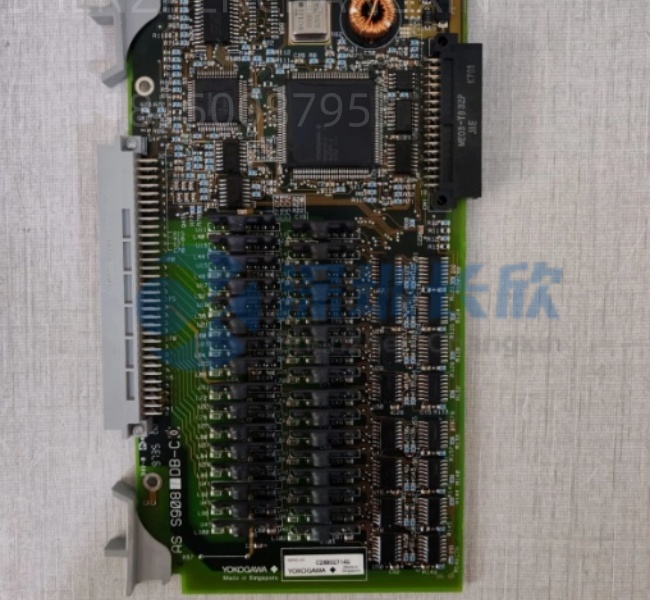
Industrial-Grade ADM12 S3 – Reliable Analog Signal Acquisition in Oil, Gas, Chemical & Power Plants
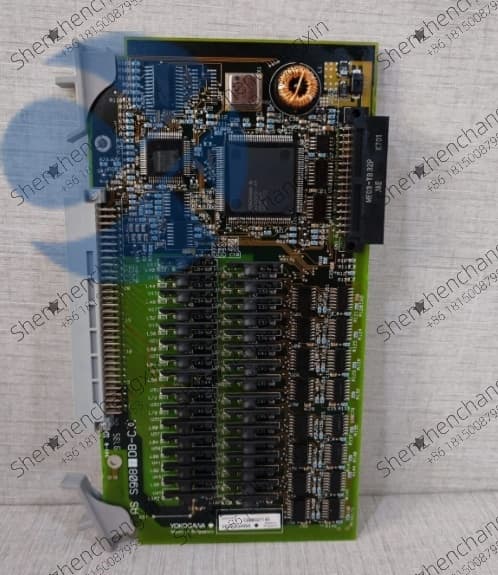
Industrial-Grade ADM12 S3 – Reliable Analog Signal Acquisition in Oil, Gas, Chemical & Power Plants插图
Description

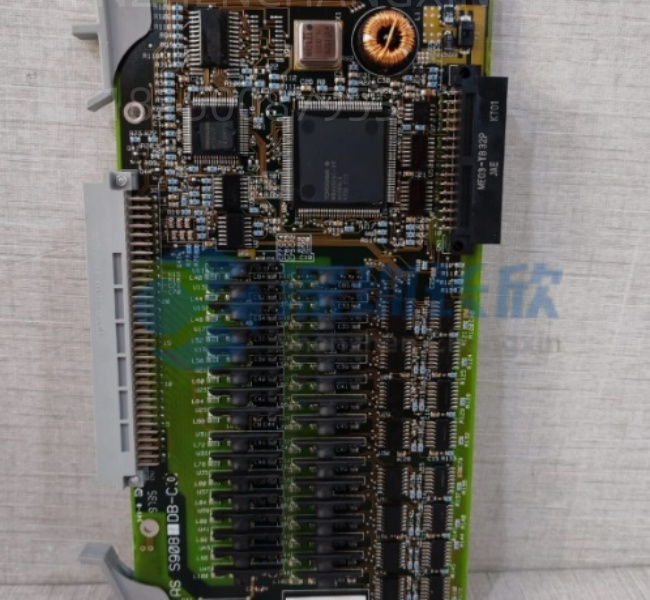
The YOKOGAWA ADM12 S3 is a 16-channel analog input module designed for use in Yokogawa’s CENTUM VP and CENTUM CS 3000 distributed control systems (DCS). It provides high-precision acquisition of standard industrial signals—primarily 4–20 mA current loops—from field devices such as pressure transmitters, temperature sensors (via RTD/mV converters), flow meters, and level gauges.

Engineered for reliability in harsh process environments, the ADM12 S3 features channel-to-channel isolation, built-in open-wire detection, HART digital communication support, and robust surge protection. As part of Yokogawa’s modular Remote I/O (RIO) or Field Control Station (FCS) architecture, it enables accurate, real-time process data to flow securely into the control logic layer—ensuring stable, efficient, and safe plant operation.

Application Scenarios

At a LNG export terminal in Australia, inconsistent tank level readings caused repeated false high-level alarms, triggering unnecessary production holds. Investigation revealed aging analog cards with drifting zero points. After upgrading to YOKOGAWA ADM12 S3 modules, engineers leveraged the card’s ±0.1% accuracy and open-wire diagnostics. Within days, signal stability improved by 70%, and nuisance alarms vanished. During commissioning, HART pass-through allowed technicians to calibrate smart transmitters directly through the DCS—cutting loop-check time in half. For the automation lead, the ADM12 S3 wasn’t just an I/O card; it was the key to operational trust.

Parameter

表格

Technical Principles and Innovative Values

Innovation Point 1: True 16-Channel Density Without Compromise

Unlike older 8-channel cards, the ADM12 S3 doubles I/O density while maintaining full channel isolation and diagnostic depth—reducing cabinet footprint, power consumption, and cost per point by up to 40%.

Innovation Point 2: Advanced Open-Wire Detection

The module injects a small test current to detect broken wires or disconnected transmitters—even when the loop is at 4 mA—enabling predictive maintenance before process drift occurs.

Innovation Point 3: Native HART Multiplexer Integration

Through Yokogawa’s HART MUX option, multiple ADM12 S3 modules can share a single HART communication path, allowing asset management software (e.g., PRM) to access device health data without extra wiring.

Innovation Point 4: Fail-Safe Design with Surge Immunity

Each channel includes TVS diodes and filtering compliant with IEC 61000-4-5 (4 kV surge), making the ADM12 S3 suitable for outdoor or lightning-prone installations.

Application Cases and Industry Value

A petrochemical cracker in South Korea retrofitted its reactor temperature monitoring system using ADM12 S3 modules. With 16 RTD-to-mA transmitters per card, they reduced I/O cabinet count from 12 to 5. The built-in diagnostics flagged a failing thermowell sensor during routine operation—preventing a potential runaway reaction. Over three years, mean time between failures (MTBF) for the AI layer exceeded 150.000 hours.

In a European biopharma facility, the ADM12 S3’s low noise and high resolution enabled precise pH and dissolved oxygen control in sterile fermenters. Batch consistency improved by 18%, directly impacting product yield and regulatory compliance.

Related Product Combination Solutions

AAI143: Analog Input Module Base – houses ADM12 S3 in CENTUM I/O nodes

AMM12T: Thermocouple Input Module – complements ADM12 S3 for direct temp sensing

ADV12D: Digital Output Module – pairs for complete control loops

Field Control Station (FCS): e.g., STARDOM or CENTUM VP FCS – processes data from ADM12 S3

Yokogawa PRM (Plant Resource Manager): Asset management software – uses HART data from ADM12 S3

HART MUX Unit: Enables multi-device HART communication over single channel

Power Supply Module (e.g., CPS11): Provides regulated power to I/O node

Redundant I/O Backplane: Supports hot-swap and failover for critical applications

Installation, Maintenance, and Full-Cycle Support

Installing the YOKOGAWA ADM12 S3 involves inserting it into a powered AAI143 carrier on a DIN rail within a CENTUM I/O node. Field wiring connects to removable screw terminals (14–22 AWG). For optimal noise immunity, use twisted-pair shielded cable with single-point grounding at the controller end.

During commissioning:

Use Engineering Tool (e.g., HIS or Exaopc) to assign tags, scaling, and alarm limits

Enable HART pass-through if using smart transmitters

Perform loop tests via software forcing or mA simulator

Maintenance is simplified by per-channel LEDs and integrated diagnostics visible in the DCS alarm summary. No calibration is required—the ADM12 S3 is factory-trimmed and drift-stable over temperature.

We supply only genuine YOKOGAWA ADM12 S3 modules—either new from Yokogawa distribution or professionally refurbished with full functional validation, including:

Input accuracy verification (±0.1%)

Open-wire detection test

HART communication check

LED and isolation integrity

Each unit includes a certificate of conformance and compatibility assurance for your CENTUM system revision. Our team offers configuration templates, migration support from legacy Yokogawa I/O (e.g., AMM11T), and 24/7 technical assistance from certified CENTUM engineers.
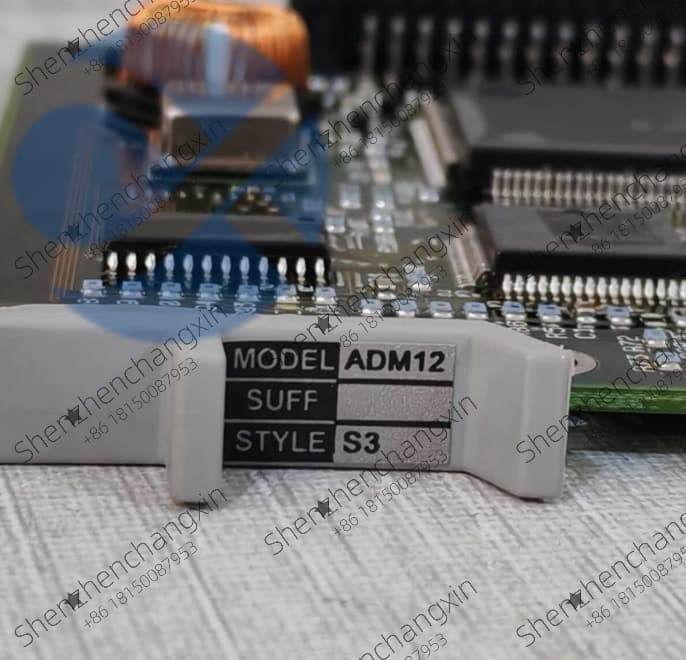
Industrial-Grade ADM12 S3 – Reliable Analog Signal Acquisition in Oil, Gas, Chemical & Power Plants插图1

Industrial-Grade ADM12 S3 – Reliable Analog Signal Acquisition in Oil, Gas, Chemical & Power Plants插图2

GE DS3826-SSHRBCA​ Drive Board: Vital for Governor and Actuator Control Loops缩略图

GE DS3826-SSHRBCA​ Drive Board: Vital for Governor and Actuator Control Loops

GE DS3826-SSHRBCA​ Drive Board: Vital for Governor and Actuator Control Loops插图Description

The General Electric DS3826-SSHRBCA​ is a legacy servo drive control board designed for the Mark IV Speedtronic gas/steam turbine control system. This specialized printed circuit board functions as a critical interface and signal processor within a servo control assembly, managing the command and feedback signals essential for the precise positioning of fuel valves, inlet guide vanes (IGVs), or other critical hydraulic/electro-hydraulic actuators.

Application Scenarios

In a power generation facility utilizing a GE Frame 5 or 6 gas turbine with a Mark IV control system, the reliable management of fuel flow is the determinant of power output, efficiency, and safety. The DS3826-SSHRBCA​ board resides within a dedicated servo drive cabinet. Its role is to act as the intelligent intermediary: it receives a positioning command from the main Mark IV controller, conditions this signal, and interfaces with the final power amplifier stage that drives the servo valve. Simultaneously, it processes the actuator’s position feedback signal (often from an LVDT). The board solves the critical pain point of maintaining signal integrity and control loop stability in an analog control system. Its precise operation ensures the fuel valve responds accurately to the controller’s demand. A fault in the DS3826-SSHRBCA​ can manifest as sluggish valve response, positioning errors, or a complete loss of control, potentially leading to inefficient combustion, turbine trips, or unsafe operating conditions, highlighting its role in both performance and protection.

Parameter

Technical Principles and Innovative Values

Innovation Point 1: Integrated Analog Control Loop Processing.​ The DS3826-SSHRBCA​ embodies the transition to more integrated digital control within the largely analog Mark IV architecture. It consolidates functions—such as command signal scaling, feedback demodulation, and PID (Proportional-Integral-Derivative) error calculation—onto a single, serviceable board. This integration improved reliability over earlier discrete component designs by reducing interconnection points and provided a more maintainable unit. Its design focused on delivering the precise, stable analog signal processing required for smooth actuator motion.

Innovation Point 2: Dedicated Safety and Monitoring Circuitry.​ Beyond basic control, this board incorporated critical monitoring logic for turbine protection. It continuously verifies the health of the servo loop, checking for discrepancies between the command signal and the actuator’s actual position (via LVDT feedback). It can also monitor for fault conditions like feedback loss or excessive error. In a fault scenario, the board can trigger an alarm or contribute to a safety trip, preventing the turbine from operating with a faulty control element. This built-in diagnostics was a significant step forward in system reliability.

Innovation Point 3: Customized Configuration for Specific Actuator Types.​ The “SSHRBCA” suffix likely denotes a specific configuration for a particular type of servo valve or actuator (e.g., specific current/voltage ranges, feedback type compatibility, or enable logic). This customization allowed GE to optimize the board’s performance for a given application—whether it was controlling a large fuel gas valve, a liquid fuel servo, or a steam turbine governor valve. This application-specific design ensured optimal dynamic response and stability for each control loop.

Application Cases and Industry Value

A chemical plant with a GE Frame 3 gas turbine driving a compressor train began experiencing intermittent “servo drive fault” alarms during seasonal load changes, causing unscheduled shutdowns. Diagnostics pointed to instability in the fuel control servo loop. The plant’s engineering team isolated the problem to a specific analog signal processing circuit on the DS3826-SSHRBCA​ board that had drifted with age and temperature sensitivity. Replacing the aging DS3826-SSHRBCA​ board with a tested, reconditioned unit restored the loop’s stability. The maintenance manager reported: “The new DS3826-SSHRBCA​ board eliminated the erratic faults immediately. The turbine now handles load transitions smoothly. For a legacy unit that is critical to our process, having access to a reliable, compatible spare like this is what keeps us running without the multi-million dollar cost of a full control system upgrade.”

Related Product Combination Solutions

Mark IV Control Module (e.g., DS200/DS300 series):​ The primary turbine controller (like a DS200TBCAG1) that generates the initial positioning command sent to the servo drive assembly containing the DS3826-SSHRBCA.

Servo Drive Power Amplifier:​ The high-current output stage (often a separate card or module in the same chassis) that receives the conditioned signal from the DS3826-SSHRBCA​ and drives the servo valve coil.

Servo Valve / Actuator:​ The final control element (e.g., a Moog servo valve) that physically positions the fuel rack or valve, controlled by the loop managed by the DS3826-SSHRBCA.

LVDT/RVDT Position Transmitter:​ Provides the precise mechanical position feedback of the actuator back to the DS3826-SSHRBCA​ board to close the control loop.

Mark IV Software & Tools:​ Legacy GE engineering tools used to configure and calibrate the servo loops involving the DS3826-SSHRBCA​ board.

Installation, Maintenance, and Full-Cycle Support

Installation of the DS3826-SSHRBCA​ is a precise task for qualified technicians. The turbine must be offline, and all system power must be isolated and locked out/tagged out (LOTO). The board is typically installed in a specific slot within a servo drive chassis. Careful attention must be paid to electrostatic discharge (ESD) protection, correct orientation, and ensuring all connectors are fully seated. After installation, loop calibration and functional testing are mandatory before returning the turbine to service. This includes verifying command/feedback tracking and checking for proper response.

Maintenance for such legacy boards is primarily reactive or condition-based. Given the age of Mark IV systems, proactive stocking of critical spares like the DS3826-SSHRBCA​ is a prudent strategy. Troubleshooting often involves using the system’s diagnostics, schematic diagrams, and a multimeter/oscilloscope to trace signals through the board’s test points. Our support is tailored for legacy systems. We provide fully tested and certified DS3826-SSHRBCA​ boards, often sourced from decommissioned systems or through specialist refurbishment partners. We can also provide technical guidance on compatibility, installation checks, and basic signal verification to help you maintain your critical turbine controls effectively and cost-efficiently.

GE DS200PTBAG1BAA: Plug-Compatible Terminal Base for Precision Timing Applications in Power Plants缩略图

GE DS200PTBAG1BAA: Plug-Compatible Terminal Base for Precision Timing Applications in Power Plants

GE DS200PTBAG1BAA: Plug-Compatible Terminal Base for Precision Timing Applications in Power Plants插图Description

The General Electric DS200PTBAG1BAA is a specialized terminal board (terminal base) designed for use in GE Speedtronic™ Mark V turbine control systems. It serves as the field-wiring interface for pulse and timing-related I/O modules, such as the DS200PTCAG (Pulse/Timer Counter) or DS200PCCAG (Protection Core Controller), which are used to monitor and process high-speed signals from turbine speed probes, flow meters, encoders, and generator synchronization equipment.

Unlike general-purpose terminal boards, the DS200PTBAG1BAA is engineered with optimized trace routing, shielding, and terminal spacing to preserve signal integrity for fast-rising, low-amplitude pulses—ensuring accurate speed measurement, overspeed protection, and load-sharing control in critical power generation applications.

Application Scenarios

At a natural gas-fired peaker plant in Arizona, operators noticed inconsistent turbine speed readings during startup, occasionally causing false acceleration alarms. Diagnostics traced the issue to crosstalk and signal degradation on an older, non-dedicated terminal base handling magnetic pickup signals. After replacing it with a genuine GE DS200PTBAG1BAA, pulse waveforms from the speed probes remained clean even at 15.000 RPM. The dedicated layout and shielded paths of the DS200PTBAG1BAA eliminated noise coupling from adjacent relay circuits. Over the next year, zero speed-related trips occurred—demonstrating how this seemingly simple terminal board plays a vital role in functional safety and operational reliability.

Parameter

表格

Technical Principles and Innovative Values

Innovation Point 1: Signal-Fidelity-Optimized Layout for Critical Timing Circuits

The DS200PTBAG1BAA uses controlled impedance traces, ground shielding, and physical separation between analog pulse inputs and digital outputs—minimizing EMI-induced jitter that could compromise overspeed detection or generator sync accuracy.

Innovation Point 2: Dedicated Architecture for High-Reliability Protection Functions

Unlike generic terminal bases, this unit is part of GE’s protection-class I/O pathway, ensuring that signals feeding into turbine trip logic maintain integrity from sensor to controller—supporting compliance with IEEE C37.90 and IEC 60255 standards.

Innovation Point 3: Seamless Hot-Swap Compatibility in Redundant Systems

When used in dual-redundant Mark V racks, the DS200PTBAG1BAA allows replacement of the plugged-in I/O module without disturbing field wiring—critical for online maintenance in baseload plants.

Innovation Point 4: Long-Term Availability for Life-Extended Turbine Fleets

With many Mark V systems operating beyond 25+ years, the continued supply of authentic DS200PTBAG1BAA units prevents forced obsolescence and supports regulatory compliance during safety system audits.

Application Cases and Industry Value

In a European combined-cycle plant, the DS200PTBAG1BAA interfaces with three redundant magnetic speed probes on a Frame 9E gas turbine. During a grid instability event, all three channels accurately captured a transient overspeed condition (112% NG), triggering a safe shutdown within 40 ms. Post-event analysis confirmed no signal distortion—validating the terminal board’s role in maintaining SIL-equivalent performance in mechanical protection systems.

In another case, a U.S. municipal utility uses the DS200PTBAG1BAA to acquire pulses from revenue-grade flow meters for steam allocation. The clean signal path enabled <0.5% totalization error over a 12-month billing cycle—critical for inter-departmental cost accounting.

Related Product Combination Solutions

GE DS200PTCAG1A: Pulse/Timer Counter I/O module—plugs directly into DS200PTBAG1BAA

GE DS200PCCAG1A: Protection Core Controller—uses pulse inputs for trip logic

GE DS200TBCAG1AAB: General-purpose terminal board—not suitable for high-speed pulse signals

GE Mark V I/O Chassis (e.g., DS200VSCA): Houses DS200PTBAG1BAA in protection or control racks

Bently Nevada 3300 Proximity Probes: Often wired through DS200PTBAG1BAA for vibration/speed

Honeywell MC-PDIS12: Functional alternative in Experion—but not compatible with Mark V

GE DS200TBXAG1A: High-density terminal base—lacks pulse-specific signal conditioning

Phoenix Contact PT 2.5/..-ST: Generic terminal block—not recommended due to noise susceptibility

Installation, Maintenance, and Full-Cycle Support

Installation requires aligning the DS200PTBAG1BAA with guide rails in the Mark V I/O chassis and pressing firmly until it seats into the backplane connector. For pulse signals, shielded twisted-pair cable must be used, with shields grounded at the controller end only to avoid ground loops.

Maintenance includes:

Verifying terminal torque (~0.4 N·m for 20 AWG)

Inspecting for corrosion on terminals or PCB

Checking for bent pins on the backplane connector

Ensuring no mixed use with non-pulse I/O modules

Every DS200PTBAG1BAA we supply undergoes:

Visual and mechanical inspection

Continuity and isolation testing (500 VDC)

Conformal coating integrity check

Compatibility verification with target I/O modules

GE IC660ELD100A: High-Density Digital Input for Industrial Control Racks缩略图

GE IC660ELD100A: High-Density Digital Input for Industrial Control Racks

GE IC660ELD100A: High-Density Digital Input for Industrial Control Racks插图Description:

The GE IC660ELD100A​ is a 16-point, 24VDC sinking discrete input module for the GE Fanuc Series 90-30 Programmable Logic Controller (PLC) system. This module serves as a critical interface, connecting field devices like pushbuttons, limit switches, and proximity sensors to the PLC’s central processing unit, enabling it to monitor the state of machines and processes.

Application Scenarios:

On a high-speed automotive assembly line, dozens of pneumatic cylinders, indexing tables, and welding robots must operate in a perfectly synchronized sequence. A single misaligned part or a failed clamp can cause a major collision. The control system, built on a GE Series 90-30 PLC, needs to know the precise position of each actuator. This is where the GE IC660ELD100A​ modules are deployed. One module might be dedicated to a clamping station, with its 16 inputs wired to magnetic proximity sensors on each clamp. Each sensor’s 24VDC signal (sinking type) is read by the GE IC660ELD100A, which communicates the “clamp open” or “clamp closed” status to the PLC CPU. The logic program waits for the “all clamps closed” signal from the GE IC660ELD100A​ before allowing the robot weld cycle to begin. This reliable, high-speed input scanning directly solves the pain point of machine sequencing and safety interlocking, preventing costly damage and ensuring smooth, uninterrupted production flow.

Parameter:

Technical Principles and Innovative Values:

The GE IC660ELD100A​ embodies a robust and efficient design philosophy for industrial I/O:

Innovation Point 1: High-Density, Space-Efficient Design.​ In the era of the Series 90-30. packing 16 optically isolated input channels into a single module slot was a significant advantage. This density allowed control engineers to maximize I/O point count within a limited rack space, reducing the number of racks needed for large applications and lowering overall system cost and complexity.

Innovation Point 2: Robust Sinking Input Circuitry.​ The module uses a sinking input configuration, a common and reliable industrial standard. In this design, the field device (e.g., sensor) provides the 24VDC source. When the device is active, it allows current to flow intothe GE IC660ELD100A​ input point, completing the circuit to the internal common. This design offers excellent noise immunity and is compatible with a vast array of PNP-type industrial sensors.

Innovation Point 3: Optical Isolation for System Integrity.​ Each input channel on the GE IC660ELD100A​ incorporates optical isolation. This means the field-side wiring (connected to noisy machinery) is electrically separated from the sensitive logic-side electronics (connected to the PLC backplane) by an internal LED and phototransistor. This critical feature prevents transient voltage spikes, ground loops, and electrical noise on the factory floor from damaging the PLC’s CPU or causing erratic operation.

Innovation Point 4: Seamless Integration with 90-30 Ecosystem.​ The module is designed for plug-and-play operation within the Series 90-30 rack. It automatically identifies itself to the CPU upon insertion, and its I/O points are seamlessly mapped into the PLC’s memory (%I addresses) for programming in Logicmaster 90 or Proficy Machine Edition. The per-point LEDs provide instant visual diagnostics for troubleshooting.

Application Cases and Industry Value:

A municipal water treatment plant using a GE 90-30 PLC for filter backwash control experienced periodic, unexplained system halts. The issue was traced to intermittent signals from old, corroded limit switches indicating valve positions. The signals were unreliable due to minor voltage drops across long wire runs. The plant standardized on modern 3-wire DC proximity sensors and used GE IC660ELD100A​ modules for all new digital inputs. The IC660ELD100A’s precise input threshold and optical isolation provided a clean, stable signal to the PLC despite the long cable distances. Furthermore, during commissioning, a wiring error shorted a 120VAC line to a 24VDC input circuit. The optical isolation in the GE IC660ELD100A​ sacrificed only the single affected channel, protecting the entire rack and CPU from damage. The module’s robust design prevented a minor wiring mistake from causing a major system failure and expensive downtime. The GE IC660ELD100A​ delivered value by providing a reliable, fault-tolerant interface that turned noisy real-world signals into rock-solid data for the PLC, ensuring consistent, automated plant operation.

Related Product Combination Solutions:

GE IC660ELC100 / IC660ELC110:​ 16-Point 120VAC or 24VDC SourcingInput Modules, offering the complementary input style to the sinking GE IC660ELD100A.

GE IC660ELB100 / IC660ELB110:​ 16-Point 24VDC or 120VAC SourcingOutput Modules, used to control devices like solenoid valves and motor starters based on logic using inputs from the GE IC660ELD100A.

GE IC660EBS100:​ 90-30 Backplane, the mounting rack that houses the CPU, power supply, and I/O modules like the GE IC660ELD100A.

GE IC660CBLxxxx Series:​ Ribbon cables used to connect the GE IC660ELD100A​ module to its corresponding terminal board (TB) for field wiring.

GE IC660TBD100 / IC660TBT100:​ Terminal Boards (DIN-rail or panel mount) that provide the screw terminals for field device wiring connected to the GE IC660ELD100A.

GE Series 90-30 CPU (e.g., IC693CPU350):​ The central processing unit that reads the input status from the GE IC660ELD100A​ and executes the control program.

Proximity Sensors, Limit Switches, Pushbuttons:​ The field devices that provide the 24VDC sinking signals read by the GE IC660ELD100A​ input points.

Installation, Maintenance, and Full-Cycle Support:

Installation of the GE IC660ELD100A​ is straightforward within the 90-30 system. The module is keyed and plugs directly into a slot on the backplane. The corresponding terminal board (TB) is mounted on a DIN rail or panel, and field devices are wired to its terminals. A ribbon cable then connects the terminal board to the module. Correct wiring of the 24VDC common and input points is crucial. Configuration is automatic; the CPU identifies the module, and the user simply addresses the inputs (e.g., %I0001 – %I0016) in the PLC programming software.

Maintenance is minimal. The primary diagnostic tool is the row of LED indicators on the module, showing the real-time status of each input. Routine checks involve verifying that the LED state matches the expected state of the field device. If a point fails, the optically isolated design typically contains the fault. Replacement is simple: power down the rack, disconnect the ribbon cable, remove the old module, and insert the new GE IC660ELD100A. The module’s durability and simple design contribute to a long service life. We provide comprehensive support for this legacy yet widely used component, from supplying tested modules to assisting with wiring diagrams and integration into your existing 90-30 system.

GE 5136-PFB-VME – High-Performance VMEbus Power Filter Board for Industrial & Military Systems缩略图

GE 5136-PFB-VME – High-Performance VMEbus Power Filter Board for Industrial & Military Systems

GE 5136-PFB-VME – High-Performance VMEbus Power Filter Board for Industrial & Military Systems插图Description

The GE 5136-PFB-VME is a VMEbus-compatible power filter board designed by GE Fanuc Intelligent Platforms (now part of Emerson) to suppress electromagnetic interference (EMI) and radio-frequency interference (RFI) on critical DC power rails in industrial, aerospace, and defense embedded systems. It installs directly into a standard 6U VME chassis, occupying a single slot, and filters the primary VME power lines—typically +5V, ±12V, and +24V—to ensure clean, stable power delivery to sensitive modules such as CPUs, data acquisition cards, and communication controllers.

By attenuating high-frequency noise generated by switching power supplies, motor drives, or radio transmitters, the 5136-PFB-VME helps systems meet stringent EMC regulations (e.g., FCC Part 15. CE, MIL-STD-461) and improves operational reliability in electrically harsh environments like power plants, test labs, and military vehicles.

Application Scenarios

At an aerospace test facility in Arizona, a VME-based flight control simulator began experiencing random CPU resets during high-power RF emissions testing. Diagnostics traced the issue to conducted noise coupling through the +5V rail from an adjacent servo amplifier rack. Engineers installed the GE 5136-PFB-VME in the VME chassis, which reduced common-mode noise by over 40 dB above 1 MHz. The system passed requalification with zero resets—even under full-spectrum jamming conditions. “The 5136-PFB-VME didn’t just fix the problem—it made our entire test platform more robust,” noted the lead systems engineer.

Parameter

表格

Technical Principles and Innovative Values

Innovation Point 1: Integrated Multi-Rail Filtering in Standard VME Form Factor

Unlike external line filters, the 5136-PFB-VME integrates filtering directly onto the backplane power paths—eliminating long, unshielded cables that act as noise antennas. This ensures suppression occurs at the point of use.

Innovation Point 2: Dual-Mode Noise Suppression (Common + Differential)

The board employs hybrid LC networks that simultaneously attenuate:

Common-mode noise (between power and ground)—critical for radiated emissions

Differential-mode noise (between +5V and GND)—key for digital logic stability

Innovation Point 3: Passive Design for Maximum Reliability

With no active semiconductors or firmware, the 5136-PFB-VME offers near-infinite MTBF—ideal for safety-critical or remote systems where maintenance access is limited.

Innovation Point 4: Legacy System EMC Modernization

Many legacy VME systems (e.g., in nuclear plants or radar stations) were built before modern EMC rules. The 5136-PFB-VME provides a low-cost path to compliance without redesigning the entire power architecture.

Application Cases and Industry Value

Power Generation: In a hydroelectric dam control room, VME-based protection relays suffered false trips due to VFD-induced noise on the DC bus. Installing 5136-PFB-VME modules eliminated nuisance operations—avoiding potential grid instability.

Defense: A naval combat system using VME signal processors failed MIL-STD-461 testing. Adding the 5136-PFB-VME allowed the system to pass conducted susceptibility requirements on the first retest—accelerating deployment by 6 months.

Industrial Automation: A semiconductor fab used VME data loggers near plasma etchers. Without filtering, ADC readings drifted during RF cycles. The 5136-PFB-VME restored measurement accuracy to ±0.1%.

Related Product Combination Solutions

GE VMIVME-7750: Single-board computer—benefits from clean power via 5136-PFB-VME

GE IC695CPU320: PACSystems RX3i CPU—used in hybrid VME/PAC retrofits

SBS Technologies SBS-SCC618: VME communications card—sensitive to power rail noise

Condor Engineering VME-PSF: Alternative VME power filter—less common in GE ecosystems

Schaffner FN2030-16-06: External AC line filter—complements but doesn’t replace 5136-PFB-VME

National Instruments PXI-8260: Modern alternative platform—but not VME compatible

GE Fanuc Series 90-70 I/O: Often integrated with VME systems via gateway—requires clean power

Installation, Maintenance, and Full-Cycle Support

Installation is straightforward: power down the VME chassis, insert the 5136-PFB-VME into any available slot, and secure with front panel screws. No configuration or jumpers are needed—it operates passively as soon as power is applied.

Maintenance is virtually nonexistent due to its passive design. However, in high-humidity or corrosive environments, inspect for electrolytic capacitor bulging (if used in custom variants) or terminal oxidation—though most units use solid-film capacitors.

Every GE 5136-PFB-VME we supply undergoes:

Visual and mechanical inspection

Continuity and isolation testing

Functional verification in a live VME test chassis (optional upon request)

Conformal coating refresh if required

Units are labeled with original GE part number, revision, and test date. All include a 12-month warranty and compatibility assurance for legacy GE Fanuc, Motorola, and Force VME systems.

GE DS200SLCCG1ACC Mark V CPU Card – Executes Control, Protection & Sequencing in Real Time缩略图

GE DS200SLCCG1ACC Mark V CPU Card – Executes Control, Protection & Sequencing in Real Time

GE DS200SLCCG1ACC Mark V CPU Card – Executes Control, Protection & Sequencing in Real Time插图Description

The GE DS200SLCCG1ACC is a Slot Logic Control Card (SLCC)—serving as the primary CPU/controller module in GE’s Speedtronic™ Mark V turbine control system. It is the computational heart of the Mark V’s Triple-Modular Redundant (TMR) architecture, responsible for executing real-time control algorithms, protection logic, startup/shutdown sequences, and communication with I/O modules, operator interfaces, and plant DCS.

Each Mark V system typically uses three DS200SLCCG1ACC cards (one per lane: A, B, C) that operate in parallel, continuously comparing results via hardware voting to detect and isolate faults—ensuring ultra-high availability and fail-safe operation in mission-critical power and industrial applications.

Application Scenarios

At a 500 MW combined-cycle plant in Arizona, aging Mark V controllers began experiencing intermittent sync errors during grid frequency swings. Diagnostics pointed to marginal timing drift in one SLCC module. After replacing all three DS200SLCCG1ACC units with fresh, matched sets, the system achieved sub-microsecond lane alignment—even under 60 Hz ±0.5 Hz grid stress. During a subsequent black-start event, the turbine synchronized to the islanded grid in 92 seconds, meeting NERC reliability standards. For the controls team, the DS200SLCCG1ACC wasn’t just a processor—it was the guarantor of grid resilience.


Technical Principles and Innovative Values

Innovation Point 1: Hardware-Voted TMR Execution

All three DS200SLCCG1ACC modules execute identical logic simultaneously. A dedicated voter circuit compares outputs every scan cycle (~10 ms). If one lane disagrees, it’s automatically voted out—keeping the turbine online with 2oo3 redundancy.

Innovation Point 2: Deterministic Real-Time Performance

Unlike commercial operating systems, the SLCC runs a bare-metal, interrupt-driven firmware optimized for <1 ms response to critical events like overspeed or flame loss—meeting API 670 requirements without jitter.

Innovation Point 3: Integrated I/O & Communication Management

The DS200SLCCG1ACC directly manages data flow to analog/digital I/O cards (e.g., DS200AIOA, DS200DIOA), servo valve drivers, and trip processors—eliminating external gateways and reducing latency.

Innovation Point 4: Field-Upgradeable Firmware

Application logic and diagnostics can be updated via ToolboxST software over serial or Ethernet, allowing performance enhancements or bug fixes without hardware replacement.

Application Cases and Industry Value

A refinery in Singapore used DS200SLCCG1ACC modules to control a critical hydrogen compressor train. During a seismic event, the Mark V system detected abnormal vibration via its I/O network and initiated a controlled ramp-down—avoiding a catastrophic shaft failure. Post-event analysis confirmed all three SLCC lanes remained synchronized throughout the disturbance, validating the TMR design’s robustness.

In another case, a U.S. municipal utility extended the life of its 30-year-old Frame 5 gas turbine by refreshing the Mark V controllers with new DS200SLCCG1ACC cards. The upgrade restored full diagnostic visibility and enabled remote support—delaying a $15M repower by 8+ years.

Related Product Combination Solutions

DS200PCCAG1ABB: Power Connect Card – supplies regulated power to DS200SLCCG1ACC

DS200CPRB: Core Processor Board – works alongside SLCC in some Mark V variants

TBQC Chassis: Main control rack – houses up to 3 DS200SLCCG1ACC modules (A/B/C lanes)

DS200TCMC: Terminal Board – provides field wiring interface for SLCC serial ports

ToolboxST Software: GE’s engineering suite – used to configure, monitor, and troubleshoot DS200SLCCG1ACC

DS200AIOA / DS200DIOA: Analog & Digital I/O Modules – controlled by SLCC logic

DS200SSRK: Serial Communications Card – extends SLCC connectivity to DCS or historian

DS200TRGL / DS3800XTFP1E1C: Trip Logic Modules – receive safety commands from SLCC

Installation, Maintenance, and Full-Cycle Support

Installing the GE DS200SLCCG1ACC requires powering down the Mark V rack, aligning the card with guide rails, and inserting it firmly until the retention latch engages. The module draws power and communicates exclusively via the backplane—no field wiring.

After installation, use ToolboxST to verify:

Lane ID (A, B, or C) matches chassis labeling

Firmware version is consistent across all three lanes

SYNC LED is solid green (indicating TMR alignment)

Routine maintenance includes checking for dust accumulation (clean with dry air), verifying LED status, and monitoring for “lane mismatch” alarms. While highly reliable, SLCC modules should be proactively replaced every 15–20 years in high-duty-cycle environments.

We supply only genuine DS200SLCCG1ACC units—either new surplus from GE-authorized channels or professionally refurbished with full functional testing, including:

TMR synchronization validation

Memory integrity check

Serial/Ethernet communication test

LED and watchdog timer verification

Each unit includes a test report and compatibility assurance for your specific Mark V serial number. Our engineering team offers firmware version guidance, migration planning to Mark VIe, and 24/7 technical support from veteran GE turbine controls specialists.

Honeywell 05701-A-0302​ Technical Overview: Core Component of System 57 Gas Detection缩略图

Honeywell 05701-A-0302​ Technical Overview: Core Component of System 57 Gas Detection

Honeywell 05701-A-0302​ Technical Overview: Core Component of System 57 Gas Detection插图
Description

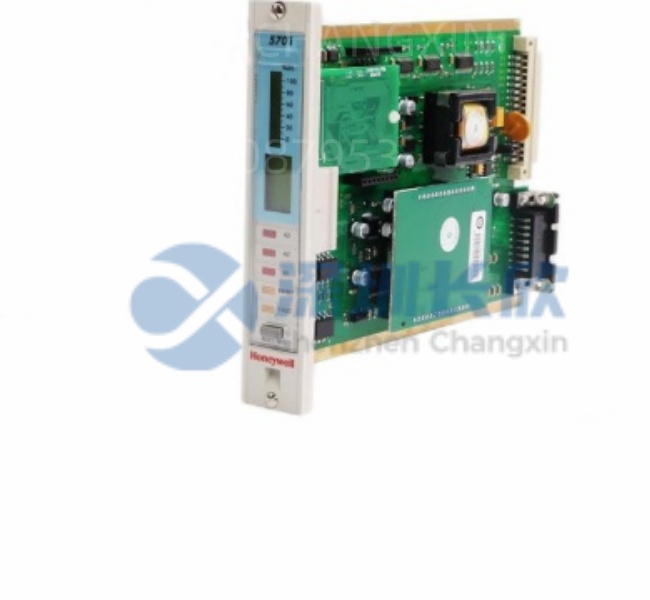
The Honeywell 05701-A-0302​ is a Single Channel Control Card manufactured by Honeywell, designed as a key component within the Honeywell Zellweger Analytics System 57 . This module provides precise control, display, and alarm management for a connected gas detector, specifically engineered to monitor combustible gases using catalytic bead sensors in various industrial settings .

Application Scenarios

In an oil and gas refinery, protecting personnel and assets from the dangers of combustible gas leaks is paramount. Imagine a scenario where a leak occurs near a compressor station. A catalytic bead sensor detects the rising gas concentration and sends a signal to the Honeywell 05701-A-0302​ Single Channel Control Card . The card’s processor immediately compares the signal to predefined alarm thresholds (A1. A2. A3). Within moments, it triggers both a visual alert on its front-panel LED and an audible alarm through the system, while also activating a relay to initiate safety protocols like shutting down equipment or starting ventilation fans . This rapid, reliable response, managed locally by the 05701-A-0302. is critical for preventing incidents and ensuring operational safety in hazardous areas .

Parameter

Technical Principles and Innovative Values

Innovation Point 1: Integrated Multi-Function Display for Clear Situational Awareness. The Honeywell 05701-A-0302​ incorporates a sophisticated four-part liquid crystal display (LCD) system . This integrates an analog bar-graph for quick visual level assessment, a precise four-digit numerical readout, a text area for system messages, and icon-based status indicators. This multi-faceted approach provides operators with immediate, unambiguous information on gas levels and system status, enhancing decision-making during critical events .

Innovation Point 2: Comprehensive Alarm Management and Self-Diagnostic Capabilities. The card is designed for high reliability through its robust alarm management system, featuring three distinct gas alarm levels and dedicated fault indicators . More importantly, it performs continuous self-verification, constantly checking the health of its internal software, hardware, and the connected sensor . This proactive diagnostic capability helps prevent undetected failures and ensures the integrity of the safety loop, which is vital for any gas detection system.

Innovation Point 3: Modular and Service-Oriented Design within System 57. As a part of the System 57 architecture, the 05701-A-0302​ is designed for ease of maintenance and integration. Its hot-swappable nature allows for replacement without shutting down the entire system, minimizing downtime . The front-panel “Card Select” button simplifies interaction for commissioning and testing when used with a separate Engineering Card, streamlining the workflow for technicians .

Application Cases and Industry Value

The Honeywell 05701-A-0302​ is pivotal in industries where monitoring for combustible gases is a critical safety requirement. In a chemical processing plant, for instance, these cards are deployed throughout the facility to monitor areas where flammable vapors might be released. Their ability to provide localized control and display, combined with system-wide alarm communication, allows for rapid incident response. A user case highlighted the card’s reliability in harsh environments, where its stable performance and low electronic drift (less than ±2% over six months) ensured consistent monitoring without frequent recalibration, leading to reduced maintenance costs and enhanced safety compliance .

Related Product Combination Solutions

For a fully functional gas detection point, the Honeywell 05701-A-0302​ requires and works with several related components within the System 57 framework :

Sensor Driver Modules: Such as the catalytic version (05701-A-0284) or the 4-20mA version (05701-A-0283), which interface directly with the physical sensor and connect to the control card .

Engineering Card (e.g., 05701-A-0361): Used for advanced configuration, calibration, and system setup of the control cards .

Other Control Card Variants: The 05701-A-0301​ is a similar single-channel card designed for 4-20mA input, offering flexibility for different sensor types .

Analog Output Module (05701-A-0285): Can be used to output analog signals representing gas readings to a central DCS or PLC for broader plant monitoring .

Installation, Maintenance, and Full-Cycle Support

Installation of the Honeywell 05701-A-0302​ involves mounting it within a System 57 chassis or panel, ensuring a stable DC power supply within the 18-32V range is connected . Proper connection to its designated Sensor Driver Module is crucial for accurate sensor readings. The modular and hot-swappable design significantly simplifies maintenance. If a fault is indicated by the diagnostics, a technician can replace the card without disrupting the entire gas detection system, after ensuring proper safety procedures are followed .

Routine maintenance primarily involves periodic functional checks and ensuring the front-panel display and alarms are operational. The built-in self-diagnostics provide continuous health monitoring. For full lifecycle support, it is recommended to source genuine Honeywell replacement parts and adhere to the manufacturer’s guidelines for calibration intervals to ensure the system remains in a state of operational readiness. Contact us for a customized solution or to discuss your specific application requirements.
Honeywell 05701-A-0302​ Technical Overview: Core Component of System 57 Gas Detection插图1

Honeywell 05701-A-0302​ Technical Overview: Core Component of System 57 Gas Detection插图2

Industrial HONEYWELL 05704-A-0146 for Hydraulic, Pneumatic & Process Monitoring Applications缩略图

Industrial HONEYWELL 05704-A-0146 for Hydraulic, Pneumatic & Process Monitoring Applications

Industrial HONEYWELL 05704-A-0146 for Hydraulic, Pneumatic & Process Monitoring Applications插图
Description

The HONEYWELL 05704-A-0146 is a high-reliability, loop-powered pressure transmitter engineered for precision measurement in industrial automation, fluid power, and process control systems. Featuring a rugged stainless steel sensing element and industry-standard 4–20 mA output with optional HART digital communication, it delivers exceptional accuracy and long-term stability under demanding conditions. The HONEYWELL 05704-A-0146 bridges the gap between field-level pressure data and control-layer intelligence—ensuring safe, efficient, and responsive operations.

Application Scenarios

At a North American automotive stamping plant, inconsistent hydraulic press force caused part deformation and costly scrap. Legacy mechanical gauges offered no remote visibility, and low-cost transducers drifted weekly due to thermal cycling. After installing the HONEYWELL 05704-A-0146 on each press circuit, engineers gained real-time, drift-free pressure feedback directly into their Rockwell PLC. Within days, closed-loop pressure control reduced variability by 92%, and predictive maintenance alerts flagged a failing pump before catastrophic failure. For maintenance teams, the HONEYWELL 05704-A-0146 transformed pressure from a passive reading into an active control variable.

Parameter

表格

Note: Zero and span adjustments via magnetic tool or HART communicator—no open housing required.

Technical Principles and Innovative Values

Innovation Point 1: Monolithic Silicon Piezoresistive Sensing

The HONEYWELL 05704-A-0146 uses a single-crystal silicon diaphragm with integrated strain gauges, eliminating welds or seals that cause hysteresis. This design ensures <0.1% total error band over 10 years—far exceeding standard industrial transmitters. Innovation Point 2: True HART 7.0 Over 4–20 mA Beyond analog signaling, the HONEYWELL 05704-A-0146 supports bidirectional HART communication for remote calibration, diagnostics, and asset management—enabling integration with AMS, Emerson DeltaV, or third-party SCADA without gateways. Innovation Point 3: Thermal Compensation via Onboard ASIC An application-specific integrated circuit (ASIC) continuously corrects for temperature-induced drift across the full operating range. Unlike generic sensors that require manual recalibration in summer/winter, the HONEYWELL 05704-A-0146 maintains accuracy year-round. Innovation Point 4: Robust EMI/RFI Immunity for Factory Floors With >100 dB common-mode rejection and compliance to IEC 61000-4 standards, the HONEYWELL 05704-A-0146 operates reliably near VFDs, welders, and high-power motors—where cheaper sensors fail silently.

Application Cases and Industry Value

During a retrofit at a municipal wastewater treatment plant in Germany, aging pneumatic level sensors in digester tanks were replaced with HONEYWELL 05704-A-0146 units configured for differential pressure-based level measurement. The transmitters’ IP65 rating withstood constant humidity, while HART-enabled diagnostics allowed technicians to verify sensor health from the control room—eliminating confined-space entries. Over two years, zero failures occurred, and maintenance labor dropped by 70%. Plant managers credited the HONEYWELL 05704-A-0146 with turning a high-risk monitoring point into a “fit-and-forget” asset.

Related Product Combination Solutions

Honeywell ST3000 Series: Advanced smart pressure transmitters—upgrade path for HONEYWELL 05704-A-0146 in Foundation Fieldbus environments

Emerson AMS Suite: Asset management software—fully supports HART diagnostics from HONEYWELL 05704-A-0146

Rockwell CompactLogix: PLC platform—natively interfaces with 4–20 mA signals from HONEYWELL 05704-A-0146

Honeywell UDC3500: Universal digital controller—for local display and alarm using HONEYWELL 05704-A-0146 input

Honeywell 05704-A-0250: Alternate model with 0–250 psi range—same form factor, different calibration

Pepperl+Fuchs HART Multiplexer: Enables multi-drop HART networks with multiple HONEYWELL 05704-A-0146 units

Phoenix Contact MINI Analog Pro: Signal isolator—adds galvanic isolation when interfacing HONEYWELL 05704-A-0146 with sensitive controllers

This ecosystem ensures the HONEYWELL 05704-A-0146 delivers not just data—but actionable, trustworthy insight.

Installation, Maintenance, and Full-Cycle Support

Installing the HONEYWELL 05704-A-0146 requires only a 1/4″ NPT process connection and a 2-wire 4–20 mA loop. For HART communication, ensure loop resistance is 250 Ω minimum. The unit can be mounted directly on machinery or on a DIN rail using optional brackets—ideal for retrofit panels. Magnetic zero/span buttons allow field calibration without opening the housing, preserving IP65 integrity.

Maintenance is minimal: the solid-state design has no moving parts, and the 316L diaphragm resists corrosion from most industrial fluids. Routine checks involve verifying loop current and reviewing HART diagnostic tags (e.g., “Sensor Alert” or “Temperature Out of Range”). If replacement is needed, the standardized form factor ensures drop-in compatibility with legacy systems.

Every HONEYWELL 05704-A-0146 we supply undergoes full pressure calibration across temperature extremes and HART functionality validation. Units include calibration certificates traceable to NIST standards and are backed by a 24-month warranty. Our engineering team provides application review, configuration support, and rapid global delivery—because precise pressure measurement shouldn’t be a point of failure.
Industrial HONEYWELL 05704-A-0146 for Hydraulic, Pneumatic & Process Monitoring Applications插图1

HONEYWELL 10101/2/1​缩略图

HONEYWELL 10101/2/1​

HONEYWELL 10101/2/1​插图
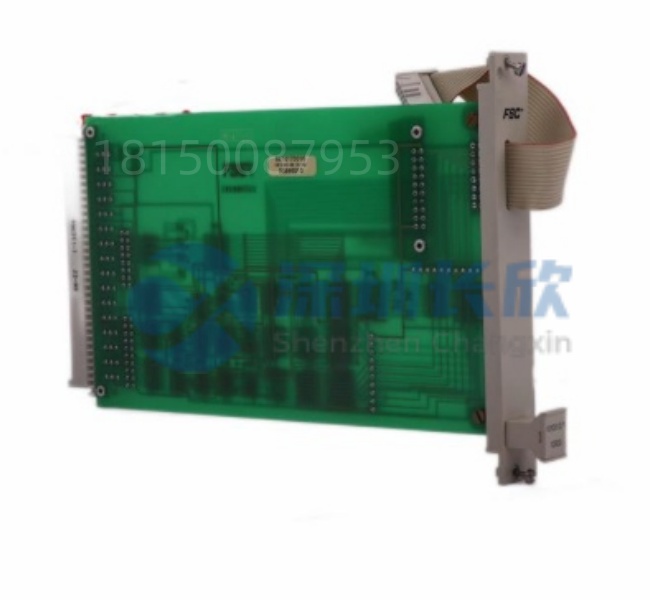
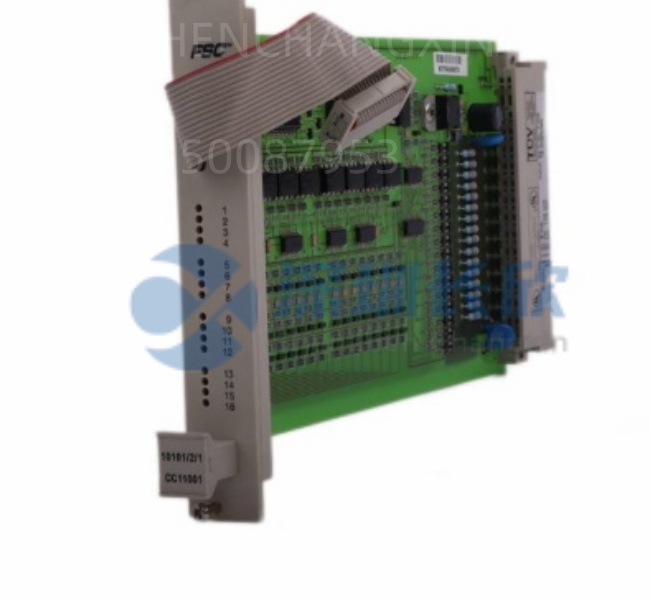
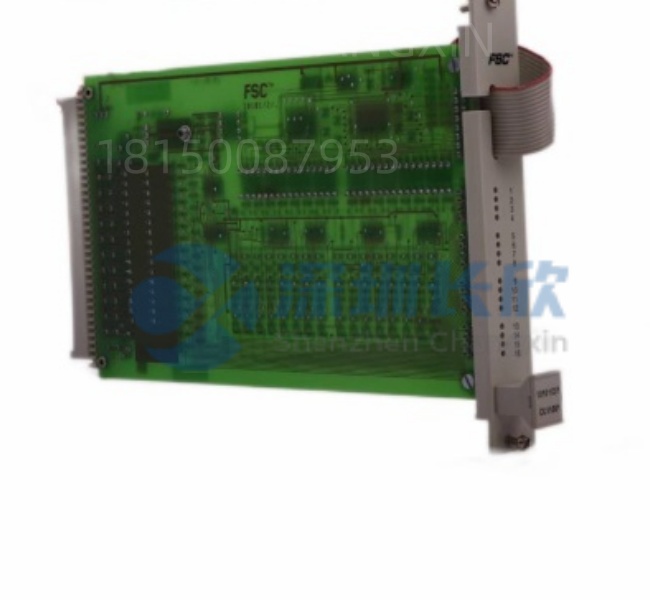
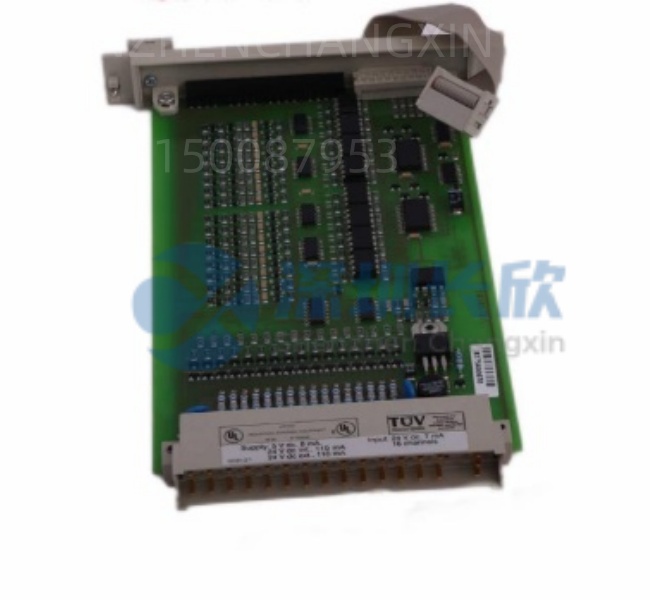
The HONEYWELL 10101/2/1​ is a Fail-Safe Digital Input Module designed for critical safety applications within Honeywell’s control systems. It provides reliable monitoring of digital signals and defaults to a safe state in case of a failure.

Here is a summary of its key specifications:

💡 Module Overview and Function

The primary function of the 10101/2/1​ module is to monitor 16 discrete 24V DC signals from field devices like limit switches and push buttons in environments where safety is paramount. Its core value lies in its fail-safe design, which ensures that in the event of a power failure or internal fault, the module defaults to a predefined de-energized state. This guarantees that the overall safety system can maintain a safe condition, crucial for processes in industries like oil and gas, chemical, and power generation.

⚙️ Technical Details and Safety

The module is designed with high reliability in mind. It features minimal crosstalk between its input channels and operates within a wide range of environmental conditions. It was designed as a component for Honeywell’s FSC System, which uses Quadruple Modular Redundant (QMR) technology to achieve the highest level of functional safety certification (SIL 3). This makes it suitable for critical safety functions such as emergency shutdown, fire and gas detection, and burner management systems.

⚠️ Important Note on Availability

It is crucial to note that the Honeywell FSC System, which includes the 10101/2/1​ module, was officially discontinued on December 31. 2018. While the module may still be available as a spare part through various distributors, Honeywell’s primary support for existing users is now provided through its Lifecycle Support Services (LSS), which offers migration, repair, and spare parts options
HONEYWELL 10101/2/1​插图1

HONEYWELL 10101/2/1​插图2

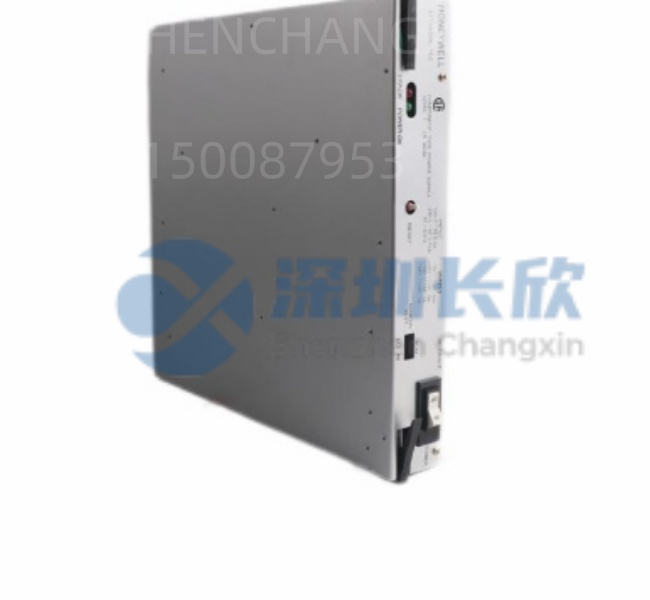
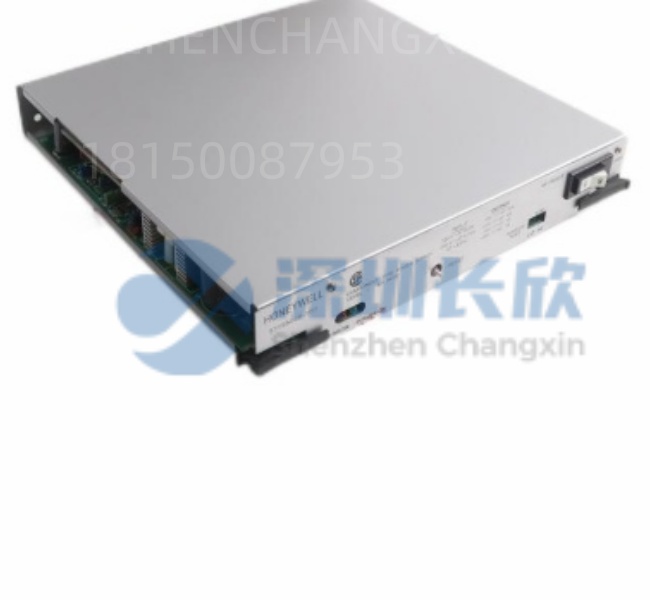
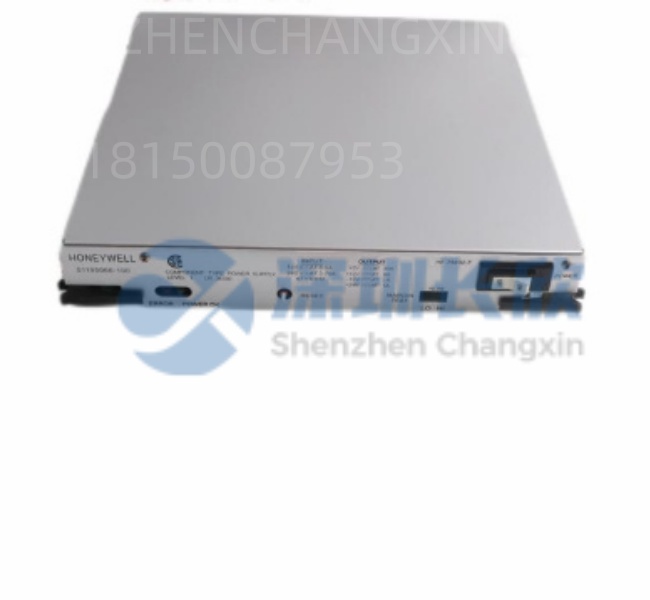
HONEYWELL 51195066-100 – Redundant-Capable Analog Input Module with Per-Channel Diagnostics缩略图

HONEYWELL 51195066-100 – Redundant-Capable Analog Input Module with Per-Channel Diagnostics

HONEYWELL 51195066-100 – Redundant-Capable Analog Input Module with Per-Channel Diagnostics插图
Description

The HONEYWELL 51195066-100 is a high-performance, 16-channel analog input (AI) module designed for Honeywell’s Experion PKS R500/R600 systems using the FTEB (Fieldbus Terminal Expansion Base) I/O architecture. It accepts standard 4–20 mA signals from smart transmitters and provides full HART digital communication pass-through—enabling real-time device diagnostics and configuration via asset management platforms. The HONEYWELL 51195066-100 combines metrology-grade accuracy with industrial ruggedness, making it the go-to choice for critical process measurement in demanding continuous-operation facilities.

Application Scenarios

At a North American hydrocracker unit, inconsistent reactor temperature readings were causing false alarms and unnecessary feed rate throttling. Investigation revealed aging analog cards with drifting calibration and no HART access—forcing technicians to climb towers with handheld communicators. After deploying the HONEYWELL 51195066-100. engineers gained both ultra-stable 4–20 mA acquisition (±0.05% accuracy) and live HART data streamed directly to AMS Suite. Within days, they identified a failing RTD transmitter via its internal sensor health report—replacing it during a routine window. Since then, measurement drift has vanished, and field visits dropped by 70%. For instrument teams, the HONEYWELL 51195066-100 transformed analog inputs from “dumb wires” into intelligent data pipelines.

Parameter

表格

Note: Requires compatible FTA (Field Termination Assembly) such as FTA-AI-16 for field wiring.

Technical Principles and Innovative Values

Innovation Point 1: True Per-Channel HART Multiplexing

Unlike older modules that support HART on only one channel at a time, the HONEYWELL 51195066-100 uses advanced digital filtering to allow HART communication on any or all 16 channels—either sequentially or on-demand—without interrupting 4–20 mA scanning.

Innovation Point 2: Metrology-Grade Stability with Industrial Ruggedness

The HONEYWELL 51195066-100 employs low-drift precision resistors and temperature-compensated amplifiers, maintaining ±0.05% accuracy across its full operating range—critical for custody transfer or reactor control where 0.1% error means millions in lost yield.

Innovation Point 3: Built-In Sensor Diagnostics

Each channel monitors for open circuit, short circuit, and out-of-range conditions. Combined with HART device status bits, the HONEYWELL 51195066-100 delivers predictive alerts before a transmitter fails—reducing unplanned downtime.

Innovation Point 4: Seamless Migration Path from HLAI

The HONEYWELL 51195066-100 fits the same FTEB chassis used by legacy HLAI systems, enabling brownfield sites to modernize I/O performance without rewiring cabinets—cutting upgrade costs by up to 40%.

Application Cases and Industry Value

During a revamp of a Middle Eastern desalination plant’s boiler control system, engineers needed higher density and smarter diagnostics than their 1990s-era HLAI cards could provide. They selected the HONEYWELL 51195066-100 for all pressure, flow, and level loops. Post-installation, HART data from over 200 smart transmitters flowed directly into Experion and AMS, enabling remote calibration validation and early detection of clogged impulse lines. One instance caught a failing DP cell before it caused a low-water trip—saving an estimated $500.000 in avoided outage. Maintenance crews now perform 90% of transmitter work from the control room. The HONEYWELL 51195066-100 didn’t just digitize analog—it redefined operational efficiency.

Related Product Combination Solutions

Honeywell FTEB Chassis (e.g., DC-TFB402): Host platform for HONEYWELL 51195066-100

Honeywell FTA-AI-16: 16-channel field terminal assembly with fuse protection—directly mates with HONEYWELL 51195066-100

Honeywell C300 Controller: Primary logic solver—receives AI data and routes HART via Ethernet

Emerson AMS Device Manager: Asset platform that leverages HART pass-through from HONEYWELL 51195066-100

Honeywell 51195067-100: 16-channel analog output module—complementary for control loops

Honeywell TK-MAP081: 8-channel AI alternative for non-HART applications

Honeywell Experion PKS R600: DCS platform with native support for HONEYWELL 51195066-100 diagnostics and HART

Together, these components create a closed-loop, intelligent measurement ecosystem where the HONEYWELL 51195066-100 serves as the trusted signal gateway.

Installation, Maintenance, and Full-Cycle Support

Installing the HONEYWELL 51195066-100 begins with insertion into an FTEB chassis powered by redundant HONEYWELL -80363975-100 supplies. Field wiring connects via the FTA-AI-16 terminal block, ensuring proper shielding and grounding. In Control Builder software, each channel is configured for engineering units, alarm limits, and HART polling strategy. No manual calibration is required—the module retains factory trim for life under normal conditions.

Maintenance is largely predictive: the Experion HMI displays real-time channel status (OK, Open Wire, Overrange, etc.), and HART alerts flag device-level issues like sensor degradation or damping changes. If replacement is needed, hot-swap capability allows removal and insertion without powering down the rack—configuration is automatically restored from the controller.

Every HONEYWELL 51195066-100 we supply undergoes full functional testing with live 4–20 mA and HART signals across temperature extremes. Units include traceable calibration records and are backed by expert technical support. Whether you’re expanding an existing system, replacing obsolete cards, or building new infrastructure, we ensure seamless integration and long-term reliability.
HONEYWELL 51195066-100 – Redundant-Capable Analog Input Module with Per-Channel Diagnostics插图1

HONEYWELL 51195066-100 – Redundant-Capable Analog Input Module with Per-Channel Diagnostics插图2

Back to Top

Search For Products

Product has been added to your cart