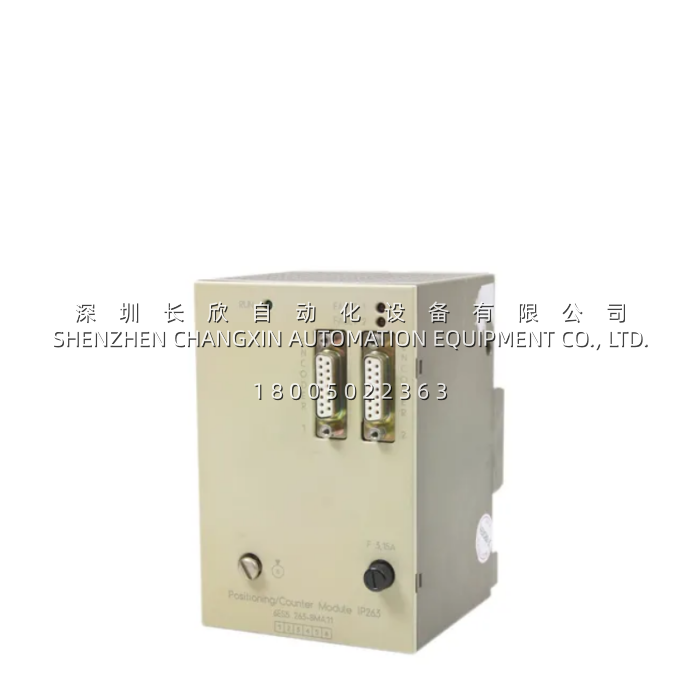
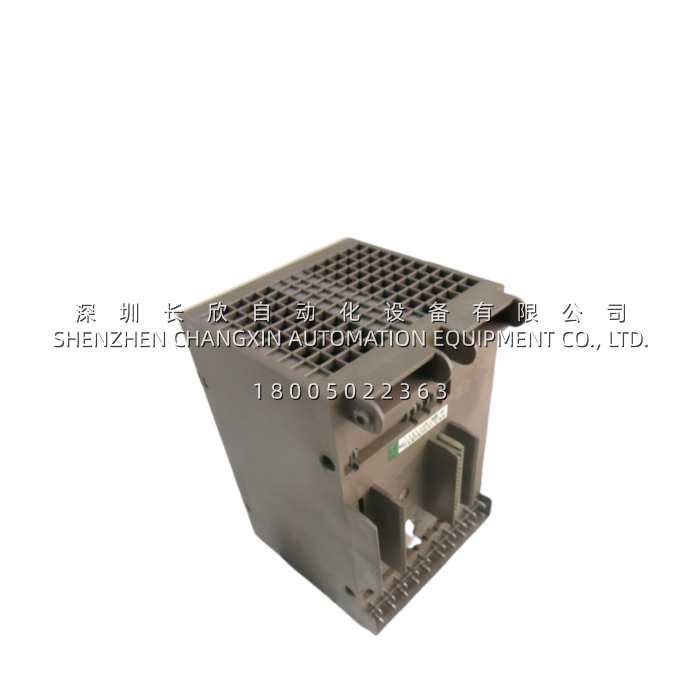
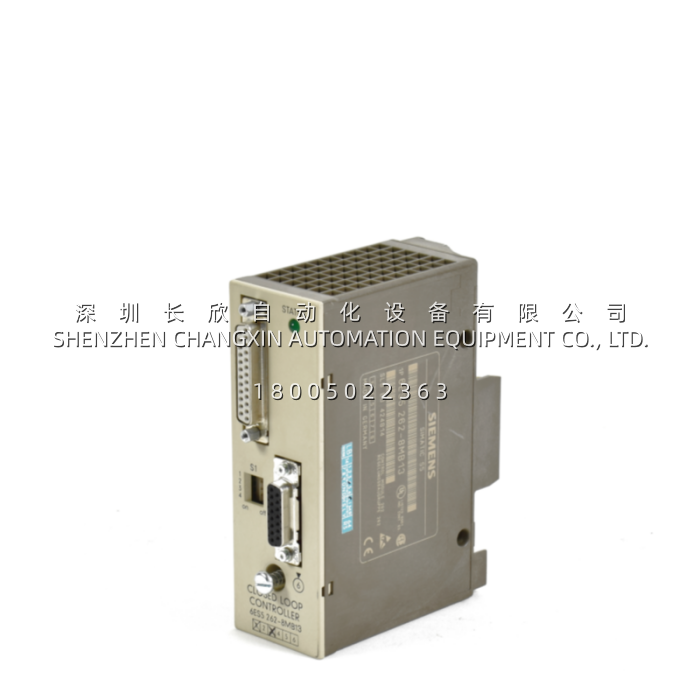
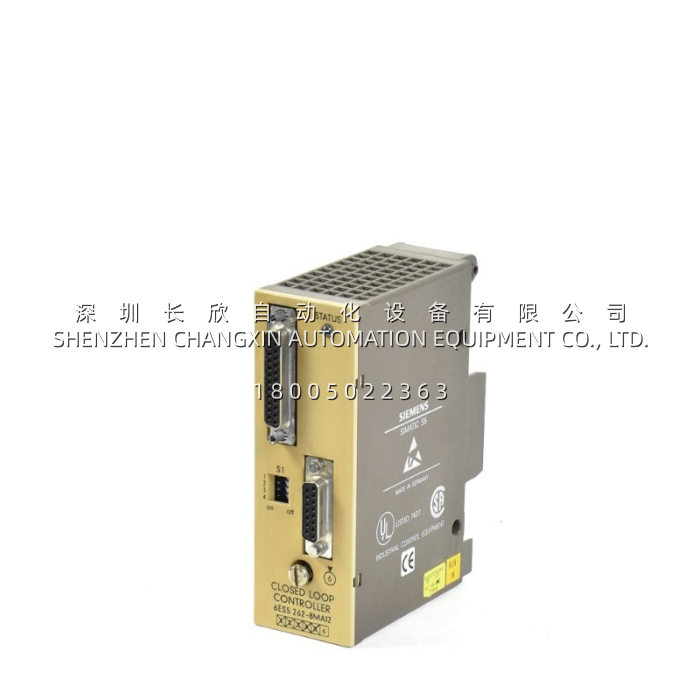
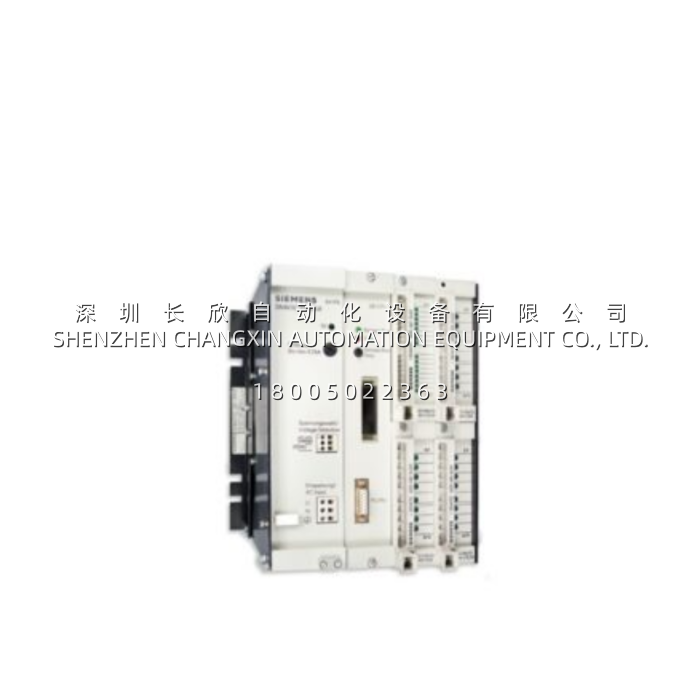
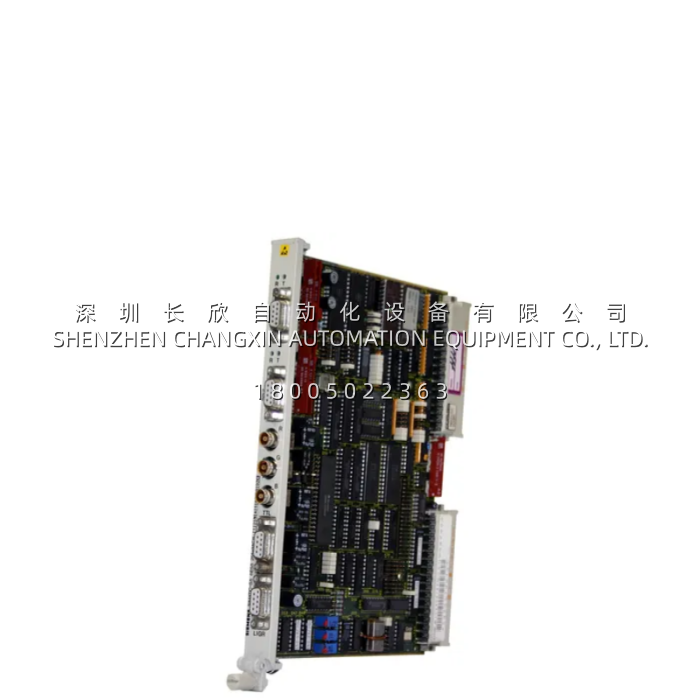
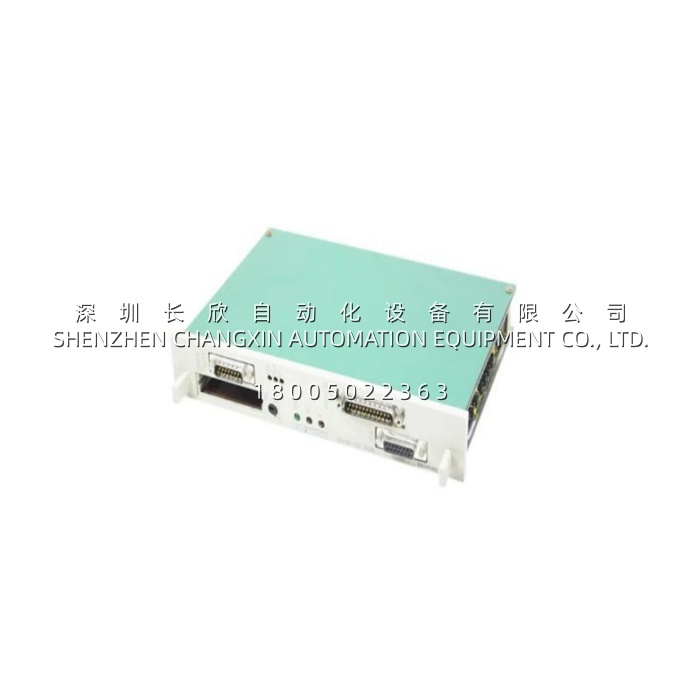
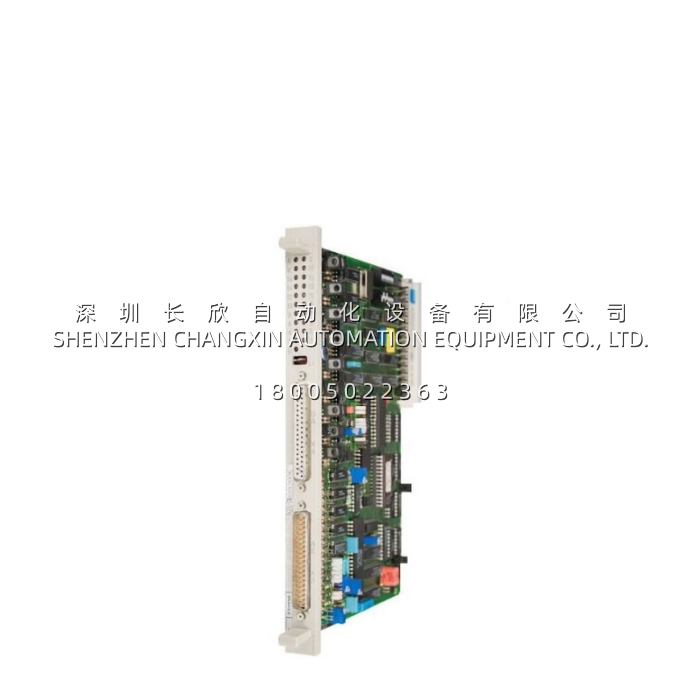
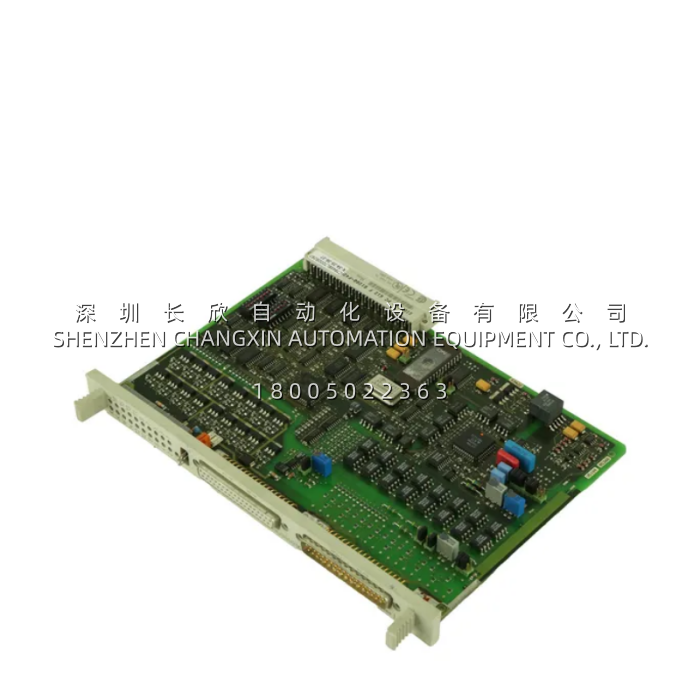
Numerical Differential Protection Relay for Critical Assets: SPCD 3D53-AB缩略图

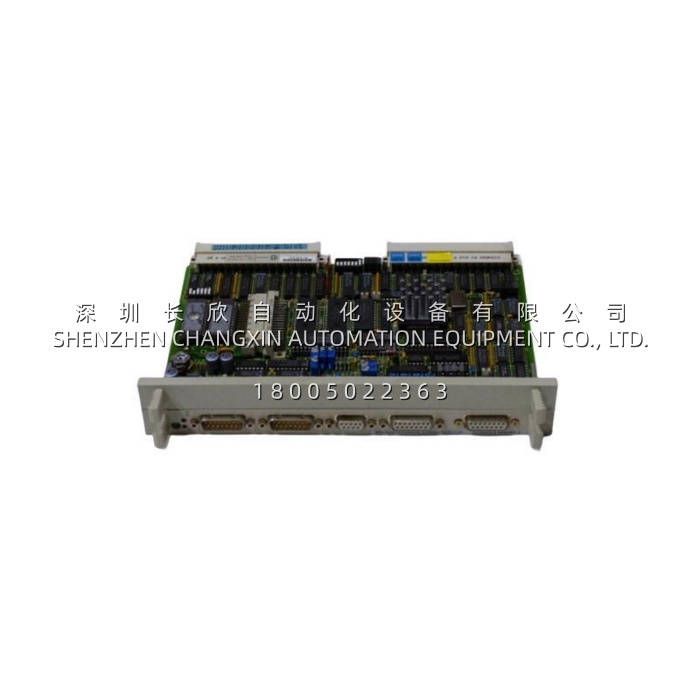
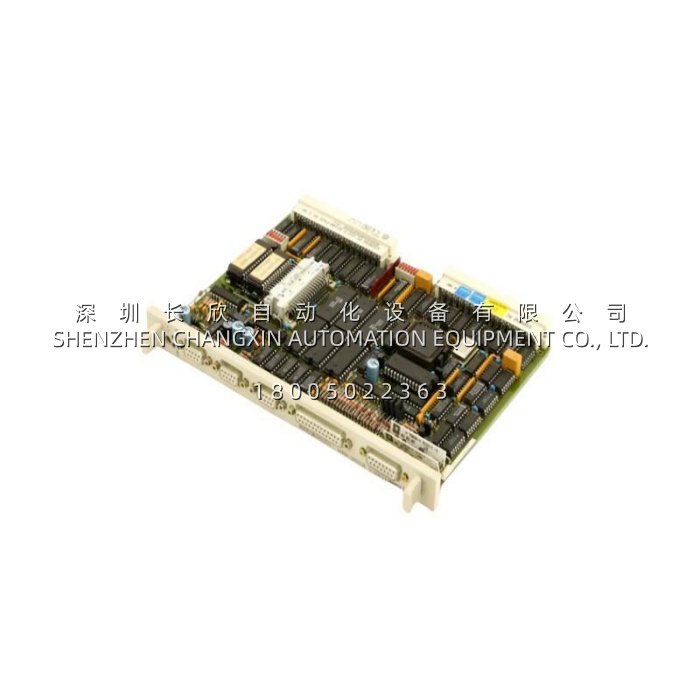
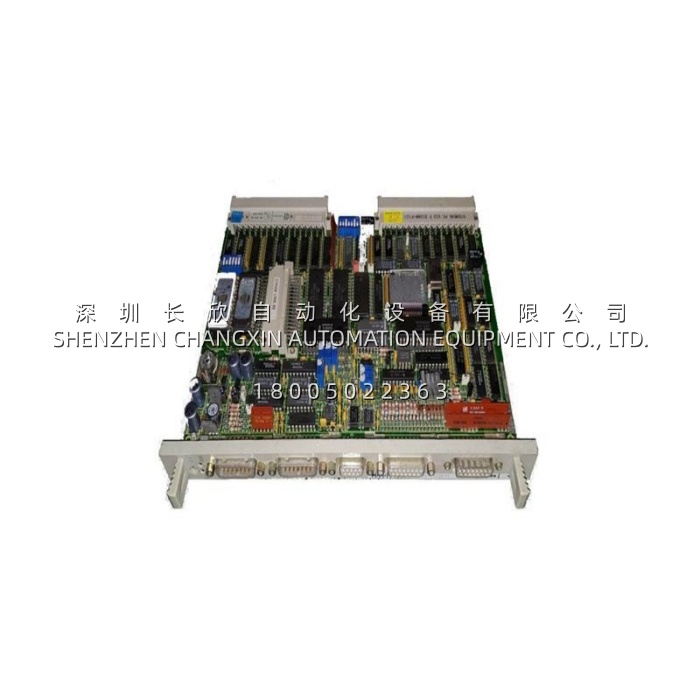
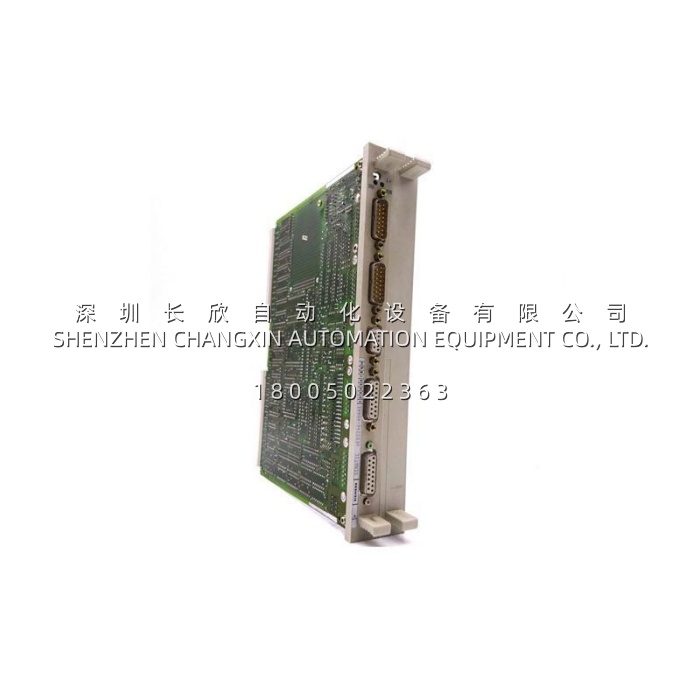
Numerical Differential Protection Relay for Critical Assets: SPCD 3D53-AB

Numerical Differential Protection Relay for Critical Assets: SPCD 3D53-AB插图

Description:

The ABB SPCD 3D53-AB​ is a sophisticated numerical differential protection relay belonging to ABB’s comprehensive protection and control portfolio. It is designed to provide ultra-fast and selective protection for critical power system equipment by comparing electrical currents entering and leaving a protected zone, such as a power transformer, generator, busbar, or large motor. Its core function is to detect internal faults—like winding shorts or phase-to-ground faults—with extreme sensitivity and speed, initiating an immediate trip command to isolate the faulty equipment and prevent catastrophic damage.

Application Scenarios:

In a primary substation feeding a large industrial complex, a 50 MVA, 110/10 kV power transformer is a critical and expensive asset. An internal fault, such as a turn-to-turn short circuit within the transformer windings, can cause severe damage in milliseconds. The ABB SPCD 3D53-AB​ differential relay is installed as the transformer’s primary protection. Current transformers (CTs) on both the 110 kV high-voltage side and the 10 kV low-voltage side feed their secondary currents into the relay. The SPCD 3D53-AB​ continuously calculates the vector sum (differential current) of these currents. Under normal load or external fault conditions, the sum is near zero. If an internal fault occurs, this balance is destroyed, creating a significant differential current. The relay’s advanced algorithm instantly recognizes this, distinguishing it from inrush current or CT saturation, and sends a trip signal to the high-voltage and low-voltage circuit breakers within one cycle, isolating the transformer. The SPCD 3D53-AB​ directly addresses the critical pain point of preventing the total destruction of high-value assets and maintaining overall power system stability.
ABB SPBRC400 Controller: Central Unit for System 800xA High Integrity Safety缩略图

ABB SPBRC400 Controller: Central Unit for System 800xA High Integrity Safety

ABB SPBRC400 Controller: Central Unit for System 800xA High Integrity Safety插图

Description:

The ABB SPBRC400 (also designated SPBRC4000000) is a high-performance, redundant safety controller designed as the central processing unit for ABB’s System 800xA High Integrity safety systems. This controller forms the computational core of a Safety Instrumented System (SIS), executing safety logic with the highest levels of reliability and availability. It is engineered to meet stringent international safety standards, providing deterministic and fault-tolerant control for critical process safety applications where failure is not an option.

Application Scenarios:

In a large oil refinery’s hydrotreating unit, a runaway exothermic reaction must be prevented at all costs. Multiple safety instrumented functions (SIFs)—such as high-pressure trips, high-temperature trips, and flow deviations—must be processed with absolute certainty and speed. The ABB SPBRC400​ controller is deployed in a redundant (1oo2D or 2oo3) configuration within the 800xA High Integrity system. It continuously scans inputs from safety-certified transmitters and switches. When a dangerous condition is confirmed, the controller executes its pre-programmed safety logic within a guaranteed scan time. It then commands the final elements (like emergency shutdown valves) to bring the process to a safe state. The dual processors in the SPBRC400​ modules cross-check each other’s results; any discrepancy triggers a safe, predefined response. This application underscores the controller’s role in mitigating the ultimate pain points of catastrophic process safety events, protecting human life, the environment, and multi-million dollar assets.
ABB SPBRC400: Advanced Bridge Controller for Process Automation Networks缩略图

ABB SPBRC400: Advanced Bridge Controller for Process Automation Networks

ABB SPBRC400: Advanced Bridge Controller for Process Automation Networks插图

Description:

The ABB SPBRC400​ is a robust industrial bridge controller developed by ABB, originally part of the Bailey Networks product line. This specialized communication device functions as a network bridge, router, or protocol gateway, designed to seamlessly interconnect different industrial networks, fieldbuses, or legacy control systems within a plant automation architecture. It facilitates reliable data exchange between disparate systems, such as connecting older Bailey INFI 90 systems to modern Ethernet-based networks or integrating third-party PLCs into an ABB distributed control system (DCS).

Application Scenarios:

In a large refinery undergoing a phased modernization, the core distillation process is controlled by a legacy ABB Bailey INFI 90 DCS, while a new solvent recovery unit is managed by a modern ABB System 800xA. Operators need a unified view, and the new unit’s data must be available for optimization calculations in the old system. The ABB SPBRC400​ Bailey Bridge Controller is deployed as the strategic integration point. Installed in a control cabinet, it is connected to the INFI 90’s Network Interface Module (NIM) on one side and the plant’s high-speed Ethernet on the other. It continuously polls data points from the new 800xA system (via OPC) and maps them into the INFI 90’s database as if they were native I/O points, and vice-versa. This allows operators at the original Bailey workstations to see critical temperatures and flows from the new unit, and enables advanced control in the 800xA to utilize feed composition data from the old system. The SPBRC400​ acts as a linguistic and diplomatic bridge, preventing data silos and enabling a cohesive operational picture without a risky, big-bang system replacement.
Reliable Network Bridge: ABB SPBRC410 Controller for System Connectivity缩略图

Reliable Network Bridge: ABB SPBRC410 Controller for System Connectivity

Reliable Network Bridge: ABB SPBRC410 Controller for System Connectivity插图

Description:
The ABB SPBRC410 Bridge Controller​ is a sophisticated network integration device from ABB’s BRC 410 series, designed specifically to function as a protocol gateway, network router, and system integrator in complex building automation environments. Unlike standard field controllers, this bridge controller specializes in connecting disparate building systems, translating protocols, and enabling seamless data exchange between different automation networks and higher-level management systems.
Application Scenarios:
In a large hospital modernization project, the existing building management system uses BACnet MS/TP, while new surgical wing equipment communicates via Modbus TCP, and the legacy HVAC units in the older wing use a proprietary serial protocol. The ABB SPBRC410 Bridge Controller​ is deployed as the central integration hub. It connects to the BACnet MS/TP trunk, has an Ethernet port for the Modbus TCP network, and a serial port for the legacy system. The bridge is programmed to map points between these networks: a chilled water valve command from the BACnet system is translated and sent to the Modbus chiller controller, while temperature readings from the legacy units are converted to BACnet objects. This creates a unified operational view without requiring a complete, costly rip-and-replace of existing infrastructure, directly solving the critical pain point of multi-vendor, multi-protocol integration in modern building operations.
ABB SPASI23: Universal AI Module for Direct Thermocouple & RTD Connection缩略图

ABB SPASI23: Universal AI Module for Direct Thermocouple & RTD Connection

ABB SPASI23: Universal AI Module for Direct Thermocouple & RTD Connection插图

Description:

The ABB SPBRC410​ is a specialized Bridge Controller module within ABB’s Symphony™ Plus distributed control system (DCS). It serves as a critical communication and processing gateway, specifically designed to seamlessly integrate legacy INFI 90 and Symphony Harmony series hardware and networks into the modern Symphony Plus environment, enabling hybrid system operation and phased migration strategies.

Application Scenarios:

A large pulp and paper mill operates a mission-critical DCS that is a mix of 20-year-old Symphony Harmony controllers for the recovery boiler and newer Symphony Plus controllers for the newer paper machine. A plant-wide upgrade to a unified Symphony Plus system is essential but cannot be done in a single shutdown. The ABB SPBRC410 Bridge Controller​ is deployed as the strategic linchpin. Installed in a Plus series rack, the SPBRC410​ is connected to the existing Harmony network (INFI-NET) on one side and the new Symphony Plus network (Plus Network) on the other. It continuously polls data from the legacy Harmony controllers and I/O, translating protocols and data structures in real-time. This allows operators at new Symphony Plus operator stations to view and control the entire process—both old and new—from a single, modern interface. The SPBRC410​ enables a phased migration: sections of the plant can be upgraded to new Plus controllers at a manageable pace, while the rest of the process remains online and fully integrated via the bridge. It solves the monumental challenge of DCS lifecycle management by removing the “big bang” replacement risk.

ABB SPASI23: Universal AI Module for Direct Thermocouple & RTD Connection插图

High-Density Analog Acquisition for Advant/S800 Systems: SPAS011 Module缩略图

High-Density Analog Acquisition for Advant/S800 Systems: SPAS011 Module

Description:

The ABB SPAS011​ is a high-performance Analog Input Module designed for integration into ABB’s industrial automation systems, such as the Advant Controller series or S800 I/O family. It serves as a critical interface between the analog world of process sensors—including transmitters (4-20mA, 0-10V), resistance temperature detectors (RTDs), and thermocouples—and the digital domain of the programmable logic controller (PLC) or distributed control system (DCS). This module provides precise signal conditioning, isolation, and analog-to-digital conversion, delivering reliable process data for monitoring, control, and data acquisition.

Application Scenarios:

In a pharmaceutical bioreactor, precise temperature control is vital for cell culture viability. Multiple PT100 RTDs are immersed at different depths in the vessel. The ABB SPAS011​ analog input module, installed in a local I/O rack, is tasked with acquiring these temperature signals. Each RTD is connected to a dedicated channel on the SPAS011. The module provides a stable, low-noise excitation current to the RTD, precisely measures the resulting voltage drop, and converts it into a high-resolution digital value representing temperature. This data is then transmitted to the DCS controller, which uses it for closed-loop heating/cooling control and batch recording. The SPAS011‘s high accuracy and channel-to-channel isolation ensure that signals from one sensor do not interfere with another, and that any ground loop potentials in the system are broken, guaranteeing the integrity of these critical measurements. It solves the pain point of obtaining stable, noise-free readings from sensitive analog sensors in electrically noisy industrial environments.High-Density Analog Acquisition for Advant/S800 Systems: SPAS011 Module插图
ABB BRC 410 Series: SPBRC410 Controller for Modern Building Automation Networks缩略图

ABB BRC 410 Series: SPBRC410 Controller for Modern Building Automation Networks

ABB BRC 410 Series: SPBRC410 Controller for Modern Building Automation Networks插图

Description:
The ABB SPBRC410 (SPBRC41000000)​ is a high-performance, programmable field controller from ABB’s renowned BRC 410 series, featuring an integrated Modbus TCP/IP interface. Designed for building automation and energy management systems, this controller serves as an intelligent edge device that executes complex control logic, manages local I/O, and seamlessly communicates with supervisory systems using the industry-standard Modbus TCP protocol over Ethernet networks.
Application Scenarios:
In a modern corporate headquarters, the third-floor HVAC VAV (Variable Air Volume) system requires precise coordination of air handlers, chillers, and terminal units to maintain comfort while minimizing energy use. The ABB SPBRC410​ controller is deployed as the floor-level automation brain. It directly connects to temperature sensors, valve actuators, and damper motors via its local I/O. Its integrated Modbus TCP interface allows it to communicate directly with the building’s IP network, exchanging data with the central BMS server without protocol converters. The controller runs optimized sequences for morning warm-up, occupancy-based setback, and demand-controlled ventilation. When a zone temperature deviates, the SPBRC410​ adjusts the local VAV box and can request more chilled water from the plant via the network, all while logging trends for analysis. This application highlights its core value: providing robust, localized control with effortless integration into modern IT-centric building infrastructure.
ABB SPA-ZC 402: Protocol Converter for Relay to Ethernet Networks缩略图

ABB SPA-ZC 402: Protocol Converter for Relay to Ethernet Networks

ABB SPA-ZC 402: Protocol Converter for Relay to Ethernet Networks插图

Description:

The ABB SPA-ZC 402​ is a dedicated Ethernet Adapter​ module, designed to provide modern TCP/IP network connectivity for ABB’s REF 54/series and compatible protection relays (Intelligent Electronic Devices – IEDs). It is a communication interface board that plugs directly into the relay, enabling the transmission of protection data, disturbance records, and control commands over standard Ethernet networks, bridging the gap between field-level protection devices and station-wide SCADA, control, and monitoring systems.

Application Scenarios:

In a large utility substation undergoing a digital upgrade, engineers face a challenge. The existing feeder protection is provided by reliable ABB REF 541 relays, but they are equipped only with older serial communication ports (RS-485). The new station-wide SCADA system is built on a modern IEC 61850 and TCP/IP architecture. Running individual serial cables to each relay panel is no longer feasible or desirable. The solution is the integration of the ABB SPA-ZC 402 Ethernet Adapter​ into each REF 541 relay. This module is installed in the relay’s designated communication slot, instantly upgrading the IED with a 10/100 Mbps Ethernet port. Once configured with an IP address, the SPA-ZC 402​ translates the relay’s internal data and protocols (like IEC 60870-5-103 or Modbus) to the network. Now, the substation gateway can poll all relays over a single Ethernet switch, collecting meter values, event logs, and fault records efficiently. This allows for centralized condition monitoring and enables remote engineering access. The ABB SPA-ZC 402​ thus acts as a critical “communication transplant,” extending the operational life of proven protection hardware by seamlessly integrating it into a modern, IP-based substation automation system.
Seamless Network Bridging with the ABB SPBRC300 Controller Module缩略图

Seamless Network Bridging with the ABB SPBRC300 Controller Module

Seamless Network Bridging with the ABB SPBRC300 Controller Module插图

Description:
The ABB SPBRC300​ is a high-performance Bridge Controller module designed for ABB’s Symphony™ Plus distributed control system (DCS). It functions as a critical communication gateway and processing unit within the Harmony/INFI 90 NET hierarchy. This controller enables seamless integration of legacy Symphony/INFI 90 I/O, third-party devices, and other network segments into the modern Symphony Plus environment, preserving existing investments while enabling system expansion and modernization.
Application Scenarios:
A large power generation plant is undertaking a phased modernization of its ABB INFI 90 DCS to Symphony Plus. The turbine control and boiler management are upgraded to new S+ Controllers, but hundreds of field I/O points in the balance-of-plant systems (like cooling water and fuel handling) remain on reliable, existing INFI 90 I/O modules. The ABB SPBRC300​ Bridge Controller is installed as the strategic link. It resides in a new Harmony rack but connects directly to the legacy INFI 90 network (e.g., the Circle bus). The SPBRC300​ continuously polls the legacy I/O modules, acquires all process data, and makes it seamlessly available on the modern S+ network for the new controllers and operator workstations. Conversely, it passes commands from the new S+ controllers back to the legacy I/O. This allows the plant to modernize in stages without a “big bang” replacement, avoiding the enormous cost and risk of rewiring thousands of points. The SPBRC300​ directly solves the critical pain point of bridging technological generations within a live industrial plant.
Substation Communication Module: Reliable ABB SPA-ZC 402 Ethernet Adapter缩略图

Substation Communication Module: Reliable ABB SPA-ZC 402 Ethernet Adapter

Substation Communication Module: Reliable ABB SPA-ZC 402 Ethernet Adapter插图

Description:

The ABB SPBRC300​ is a versatile building automation controller manufactured by ABB, designed as a central control unit for commercial and industrial building management systems. This intelligent controller provides comprehensive automation capabilities for HVAC, lighting, access control, and energy management applications, serving as the computational core for modern smart building infrastructure.

Application Scenarios:

In a 40-story commercial office tower, maintaining optimal indoor environmental quality while minimizing energy consumption presents a complex challenge. The building’s BMS (Building Management System) utilizes multiple ABB SPBRC300​ controllers distributed across each floor’s mechanical rooms. One particular controller manages the VAV (Variable Air Volume) system for ten consecutive floors. Using its advanced programming capabilities, the ABB SPBRC300​ continuously analyzes occupancy patterns from access control systems, ambient light levels from photosensors, and thermal loads from zone temperature sensors. During a mild spring day, it automatically adjusts the AHU (Air Handling Unit) supply air temperature, modulates VAV box dampers based on real-time occupancy, and coordinates with perimeter lighting controllers to utilize natural daylight. This integrated approach reduces the floor’s energy consumption by 35% during off-peak hours while maintaining occupant comfort, directly addressing building owners’ pain points of high operational costs and sustainability goals.
Back to Top

Search For Products

Product has been added to your cart